Category: Philosophy
-
The collapse of civilizations is a complex phenomenon influenced by environmental degradation, social and economic instability, and technological advancements, requiring sustainable development and global cooperation to prevent collapse.

-
The concept of artificial intelligence sparks debate on its potential benefits and risks, impact on human employment, and ethical implications, raising questions about its development and alignment with human values.

-
Eastern philosophies such as Buddhism, Taoism, and Confucianism have significantly influenced Western thought and culture, transforming our understanding of life and reality. From Enlightenment thinkers to modern psychology, these teachings promote holistic well-being and interconnectedness, suggesting a potential future of greater integration between Eastern and Western ideas.

-
This conversation explores the intrigue of time travel, its cultural significance, and the associated paradoxes: the Grandfather Paradox, Bootstrap Paradox, and Predestination Paradox. It discusses the theoretical physics concepts that underpin these paradoxes and their implications for understanding causality, free will, and the nature of reality.
-
Algorithms to Awareness: AI Evolution and Its Ethical Frontiers
3–5 minutes·
·
The discussion explores the evolution of Artificial Intelligence (AI) since its term was coined in 1956, addressing questions of consciousness and self-awareness in machines. It contrasts ‘Strong AI’ and ‘Weak AI,’ highlights societal implications, and raises ethical concerns surrounding potential AI consciousness, emphasizing the need for comprehensive understanding.
-
The conversation highlights the intertwined relationship between philosophy and science, emphasizing their historical dialogue and mutual influence. It discusses key areas like epistemology, methodology, and ethics in scientific progress, pointing out philosophy’s role in guiding scientific inquiry. The article stresses the importance of collaboration for truth-seeking across both fields.
-
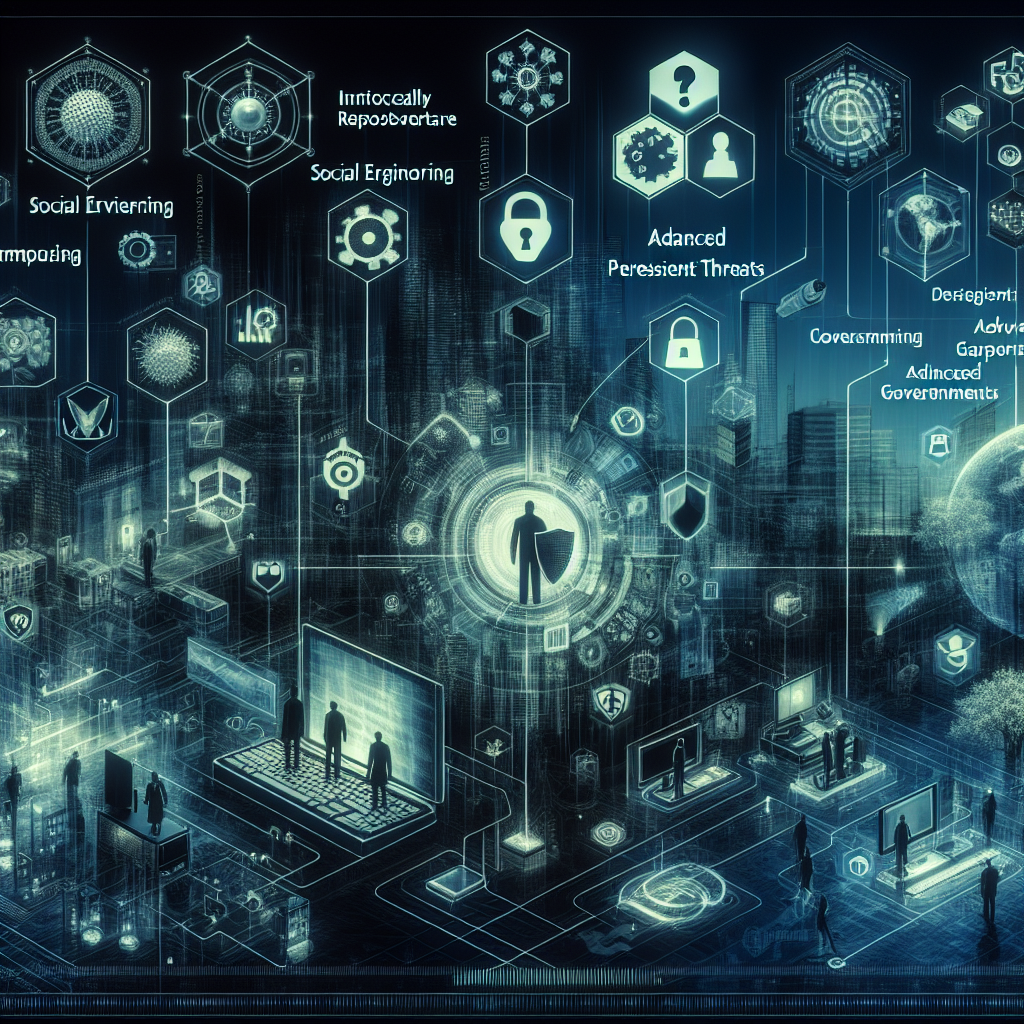
This article explores the complex landscape of cybersecurity threats in the 21st century, highlighting categories like malware, social engineering, and advanced persistent threats. It discusses the evolution of these threats since the 1970s, emphasizing the need for proactive measures by individuals, corporations, and governments to ensure digital safety and privacy.
-
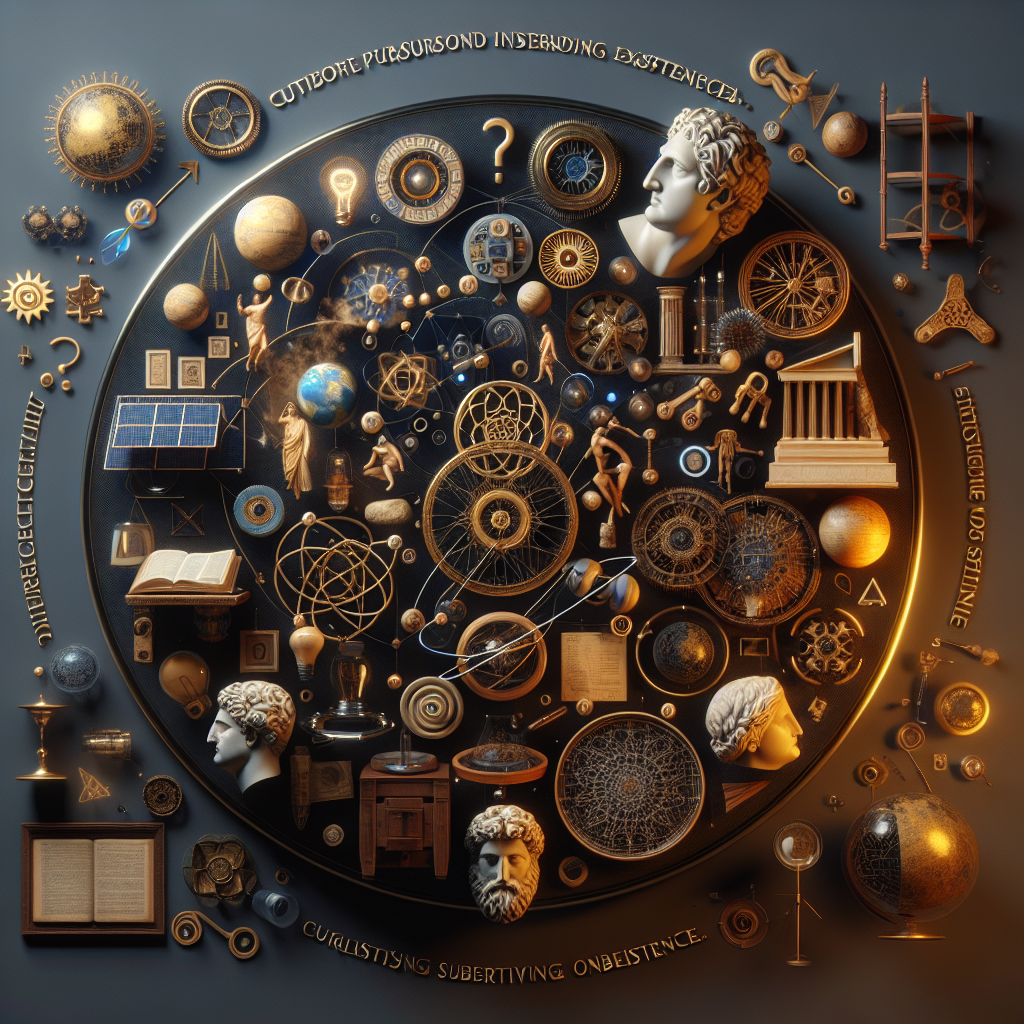
The conversation explores the intertwined relationship between art and science, tracing their historical connections from ancient Greece through the Renaissance to modern developments. Both disciplines share a curiosity-driven pursuit of understanding existence, often utilizing each other’s methods. The article contemplates their future convergence and challenges the dichotomy between subjectivity and objectivity.
-
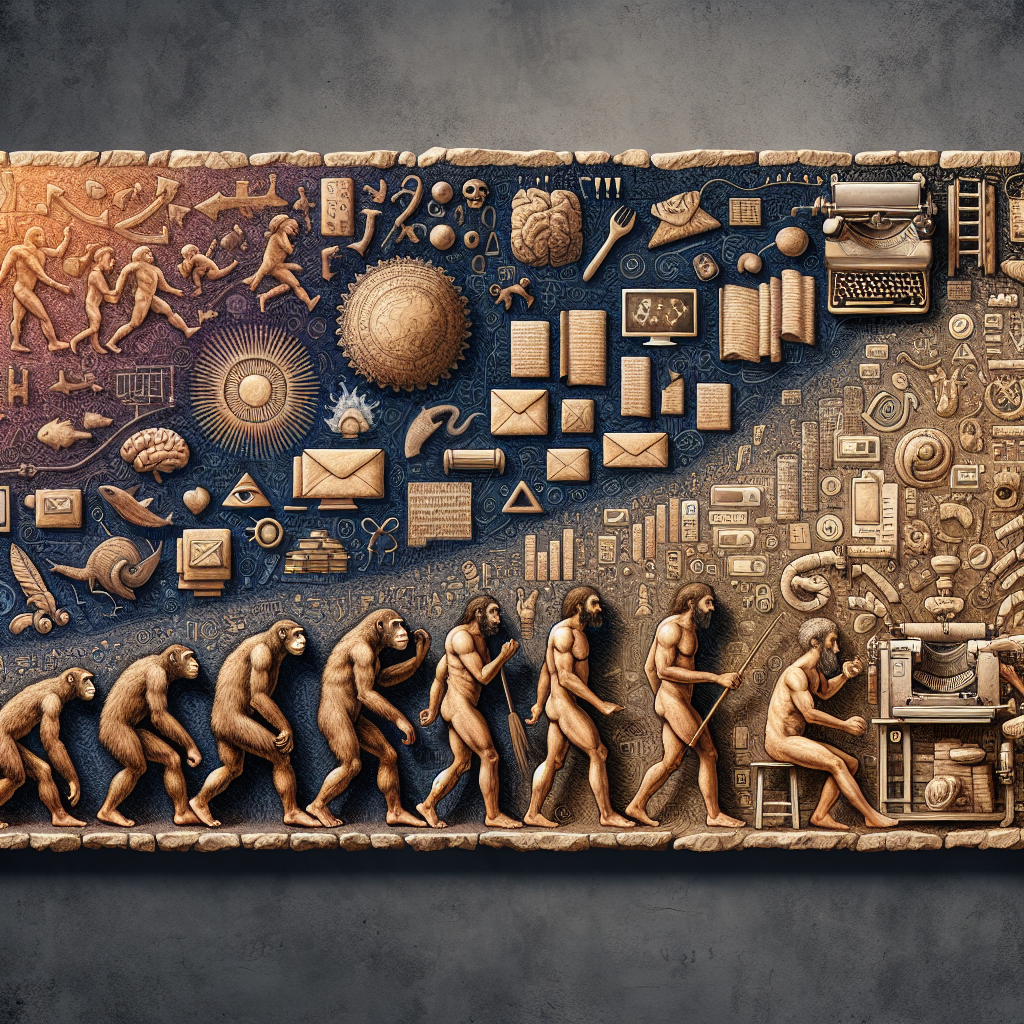
This conversation explores the evolution of language and written communication, highlighting its historical origins, complexity, and societal impact. It discusses significant milestones, including the Human Revolution, the advent of writing, and the printing press, while addressing language inequality and the effects of digital communication on language’s future.
-
This article discusses the growing concern of data privacy in today’s information-sharing society. It explores the ethical dilemmas surrounding transparency, ownership, and governance amidst increasing technology reliance. Highlighting issues like the Cambridge Analytica scandal, it calls for ongoing public awareness and research on data privacy’s implications for society.

-
The conversation explores human endurance, encompassing physical and mental limits. It discusses historical contexts, survival challenges, and modern implications in sports, extreme conditions, and mental resilience. Insights from recent research highlight physiological barriers and the intertwining of body and spirit, emphasizing the potential for understanding and overcoming these limits.

-
This conversation delves into the complex philosophy of time, contrasting ancient views with modern interpretations, particularly through Einstein’s theory of relativity and quantum mechanics. It addresses debates between presentists and eternalists, the implications of time travel, and the intricacies of time as both a scientific and philosophical construct.

-
Merging Minds and Machines
3–4 minutes·
·
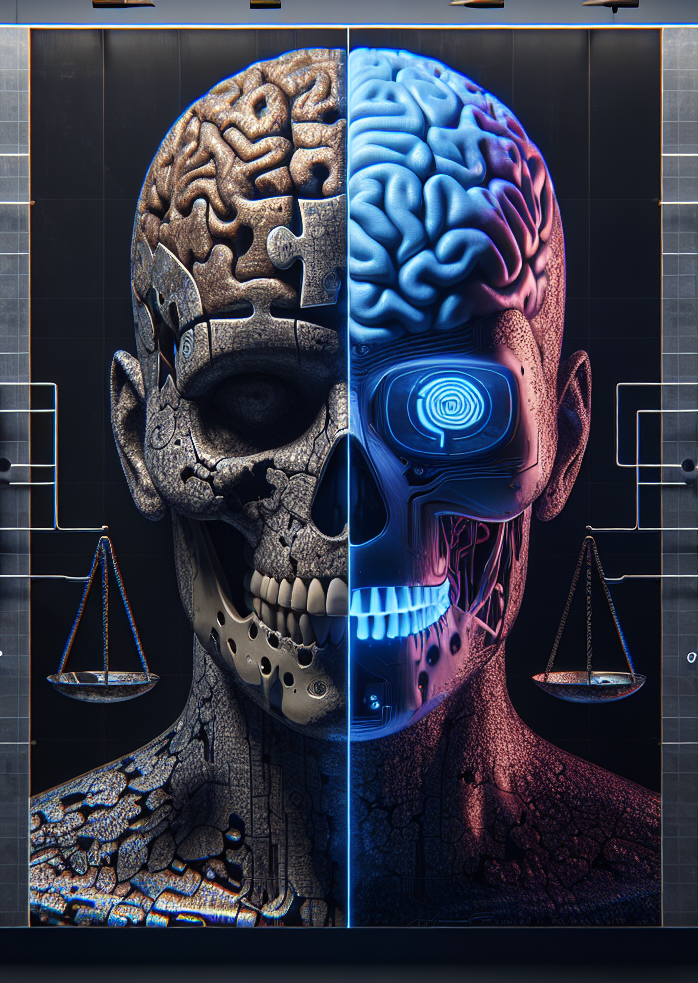
The conversation discusses Brain-Computer Interfaces (BCIs), merging mind and machine, highlighting their historical development since the 1970s, current applications, and future potential. It addresses the types (invasive vs. non-invasive), challenges, and ethical considerations. BCIs promise revolutionary changes but raise important societal issues regarding privacy and identity.
-
Bridging Realms: The Mind-Body Connection from Past to Present
4–5 minutes·
·
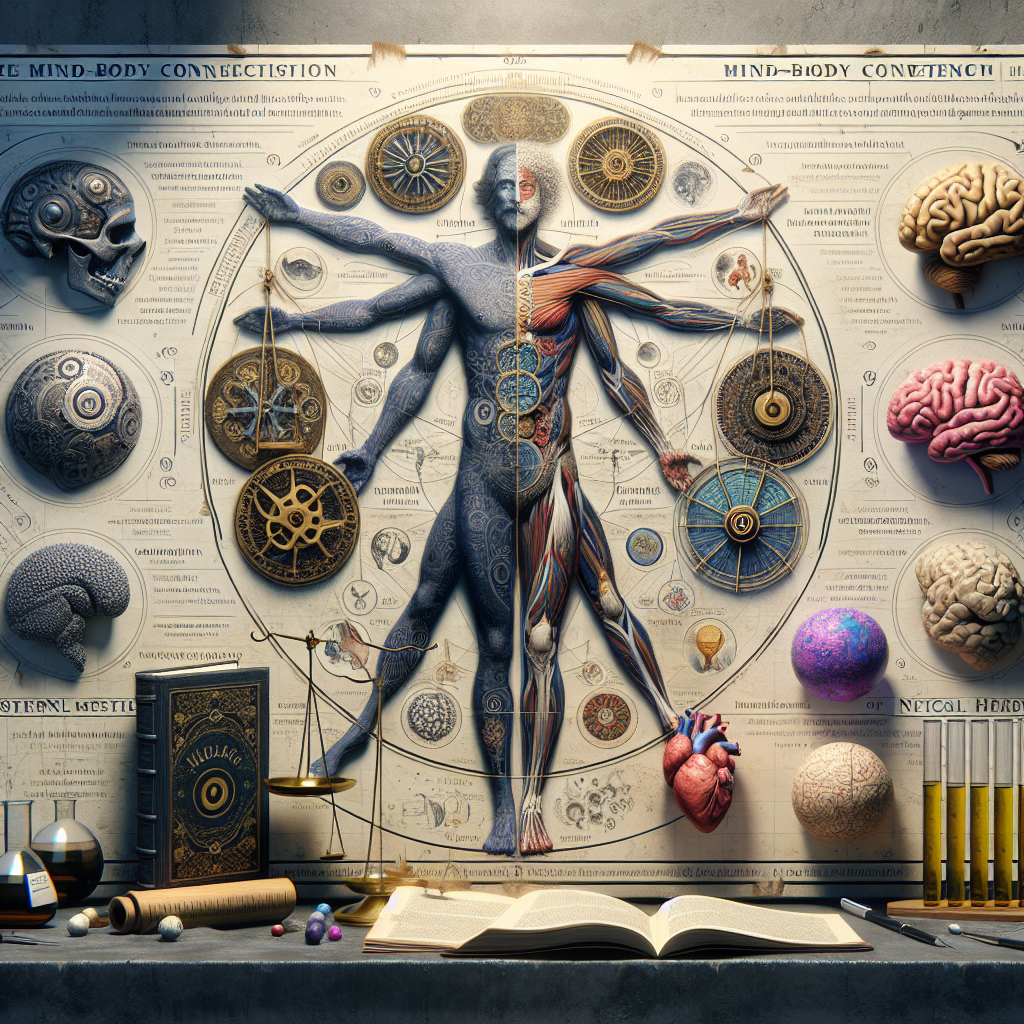
This conversation explores the mind-body connection, tracing its historical roots from Paracelsus to modern sciences like psychoneuroimmunology and neuropsychology. It contrasts Western mechanistic views with Eastern holistic philosophies, highlights research on stress and health, and questions the implications of this connection for personal wellbeing and healthcare approaches.
-
The conversation explores Karl Popper’s paradox of tolerance, which warns against unlimited tolerance that may allow intolerance to flourish. It discusses its historical context, relevance in modern society, and implications for policy-making amid rising hate speech and radical ideologies, emphasizing the need for a balanced, nuanced approach to tolerance.

-
The article explores the history of astronomy, highlighting ancient civilizations’ theories, such as the Egyptians’ solar calendar and Aristotle’s geocentric model. It discusses the heliocentric theory by Aristarchus, which gained recognition much later. These early ideas influenced humanity’s understanding of the cosmos, blending science, culture, and philosophy.

-
The conversation explores the allure and science of meditation, tracing its roots from Buddhism to modern cognitive science. It discusses neuroimaging findings, mindfulness benefits, and emotional regulation. The potential for neuroplasticity and future research in cognitive science and meditation highlights the complexity and significance of understanding mental tranquility.

-
The conversation emphasizes the importance of AI ethics in an era increasingly dominated by artificial intelligence. Key ethical concerns include bias in AI systems, data privacy, job displacement, and the need for accountability. Navigating these issues is essential for the responsible development of AI technologies aligned with human rights.

-
The Double-Edged Sword of Social Media Algorithms
4–6 minutes·
·
The conversation explores the societal impact of social media algorithms, detailing their development, personalisation of content, and effects on user engagement and privacy. It highlights the transformative power of these algorithms, which create ‘filter bubbles’ and can lead to societal polarisation, while also recognizing their potential for targeted marketing and connectivity.

-
This conversation explores the impact of genetic engineering and CRISPR technology on various fields such as healthcare and agriculture. It highlights their potential benefits and risks, ethical considerations, and the necessity for careful regulation. The discussion emphasizes the need for reflection on the moral implications of these scientific advancements.

-
This conversation explores the Multiverse Theory, questioning the nature of reality and our existence within it. It reviews contributions from physicists like Einstein and Guth, detailing types of multiverses. Despite its fascinating implications, the theory faces criticism for its lack of falsifiability, blending scientific inquiry with philosophical exploration.

-
This conversation explores paradoxical philosophy, highlighting its historical context, significant paradoxes like the Liar and Zeno’s paradoxes, and their implications for logic and human understanding. Paradoxes challenge traditional thinking, revealing deeper truths and urging a reconsideration of assumptions in various fields, thus prompting ongoing philosophical inquiry.

-
The article explores the contrasting philosophies of ancient pastoral wisdom and modern linear thinking. It highlights the cyclical worldview of ancient societies rooted in nature, compared to the rational, mechanistic approach of modernity. By bridging these philosophies, the discussion emphasizes their coexistence and relevance in addressing spiritual disconnection in the 21st century.

-
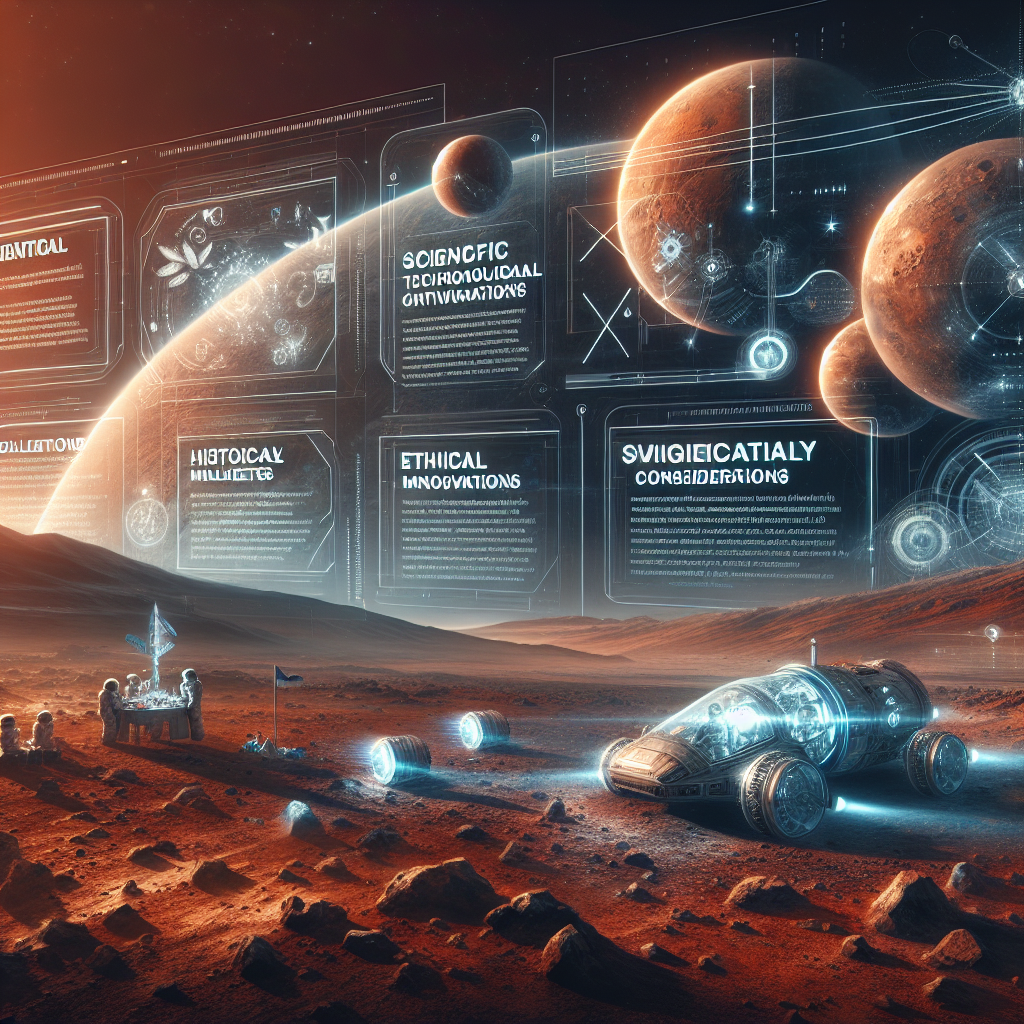
This article discusses the evolving prospects of human colonization on Mars, highlighting scientific, technological, and societal challenges. It explores historical milestones, significant innovations, and ethical considerations while emphasizing the complexity of establishing a new society on the red planet, ultimately questioning humanity’s ability to become a multi-planetary species.
-
The conversation explores the concept of hidden dimensions in physics, focusing on theories like string theory and their implications. It discusses theoretical underpinnings, experimental advancements at the Large Hadron Collider, philosophical impacts, and insights from physicists. The pursuit of hidden dimensions challenges current understanding, offering potential breakthroughs in unifying quantum mechanics and general relativity.