Category: Culture
-
A one-shot time machine isn’t a grand adventure; it’s a horror movie dressed in chrome. Nipping back erases your kids; jumping forward abandons them forever. Faced with a brain-pretzeling paradox, the machine isn’t testing your courage—it’s testing your ego. The only sensible response? Pure, gloriously cynical slapstick.

-
My dog treats his own waste like a perpetual meal, a closed-loop system that ignores all laws of decency and digestion. Humans do the same, only with bottomless brunches and a plate of rubbery eggs. This is the story of the moment the illusion cracks, and the one last piece of toast that seals the…

-
We often use “quantum collapse” as a witty shorthand for disappointment. But what if our casual metaphors mask a deeper, more “alien” reality? This exploration dives into Schrödinger’s legacy, the “Measurement Problem,” and why we find comfort in the fuzziness of a participatory universe.

-
Collective beliefs, like money or borders, are fictions that become reality only when they dictate physical action. Whether societal or personal, these narratives harden over time, making them difficult to rewrite. We must carefully choose the stories we tell ourselves, as they ultimately construct the world we are forced to inhabit.

-
Lost languages and scripts hold silent histories. Decipherment, a human endeavour to reconnect with ancestors, involves detective-like analysis using clues like bilingual texts. Breakthroughs with Egyptian hieroglyphs, Linear B, and Mayan glyphs reveal past civilisations, with computational tools now aiding this quest to make ancient voices speak again.
-
Glitch, Meaning, or Mind?
10–14 minutes·
·
Synchronicity describes meaningful coincidences that feel uncanny, suggesting deeper connections. Carl Jung defined it as an acausal principle, distinct from chance. While psychological biases offer explanations, these events evoke wonder, with some speculating they could be “glitches in the Matrix,” prompting questions about reality’s fabric.

-
Ancient Greece (8th–2nd century BCE) laid Western civilisation’s foundations through philosophy and theatre. Athens’ Classical era fostered Socrates’ dialectic inquiry, Plato’s idealism, and Aristotle’s empiricism, shifting from myth to reason. Greek theatre blended civic ritual with tragic and comic storytelling, influencing modern drama. Their legacy persists in democratic discourse, ethical debate, and narrative structures, despite…
-
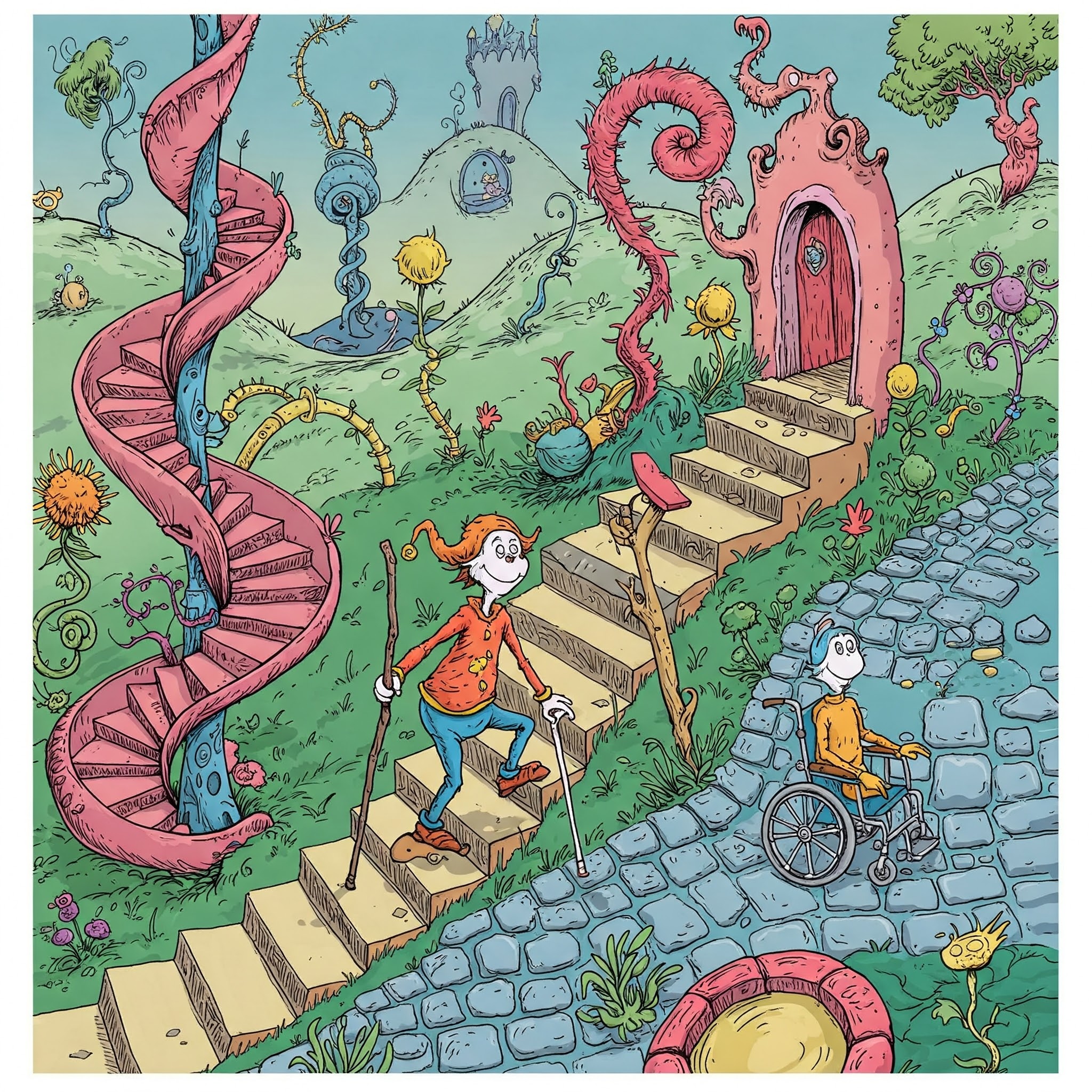
A lighthearted alternative to Dr Seuss’, “Oh, the places you’ll go” with respect to someone like me who is really struggling with MS symptoms at the moment.
-
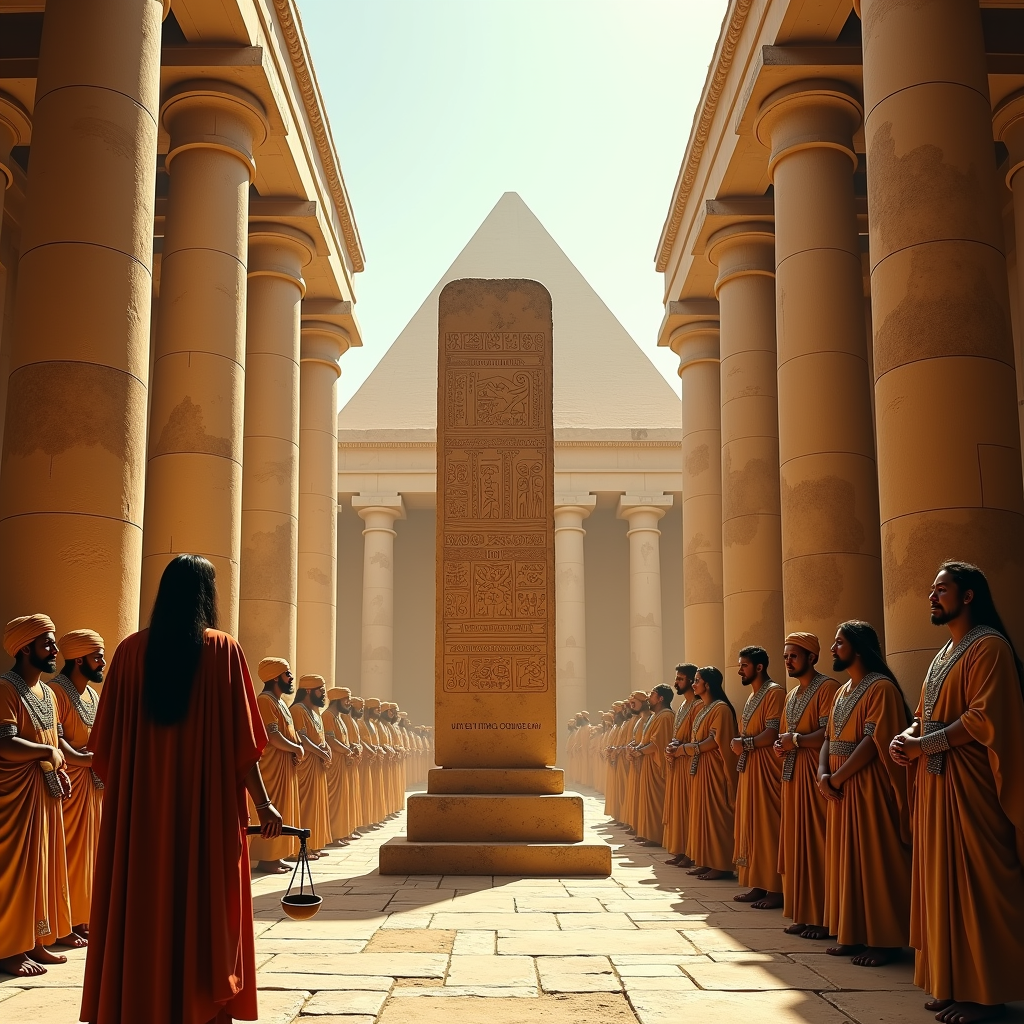
Mesopotamia, birthplace of codified law over 3,800 years ago, established written legal systems via codes like Ur-Nammu’s (fines) and Hammurabi’s (*lex talionis*). These laws standardised justice, reflected social hierarchies, yet granted women rights. Courts used evidence and testimony. Their legacy—transparency, proportionality, accountability—shaped Hebrew, Roman, and modern legal frameworks, embedding principles still foundational today.
-
Ancient Chinese mythology, rooted in Shang Dynasty oracle bones, blends diverse regional tales and philosophies like Confucianism and Daoism. Myths of Pangu’s cosmic creation, Nüwa’s sky-mending, and Sun Wukong’s rebellion embody moral and natural lessons. Evolving through oral traditions, they shaped cultural identity, imperial legitimacy, and persist in festivals and modern media, reflecting collective harmony.

-
The Silk Road, an ancient network of trade routes, connected East and West, facilitating cultural exchange and shaping human history, with archaeological findings uncovering secrets of this fascinating topic, highlighting its importance and relevance to our understanding of the past.

-
Technology has profoundly impacted human relationships, altering communication and connection formation, with both benefits and drawbacks, necessitating a balanced approach to maintain healthy, meaningful relationships in the digital era, amidst concerns over mental health and authenticity.

-
The Amazon Rainforest holds many archaeological secrets, including the Lost City of Z and geoglyphs, revealing a complex history of human presence and sophisticated civilizations dating back 11,000 years.

-
The Aurora Borealis, or Northern Lights, is a fascinating phenomenon caused by solar wind interacting with Earth’s magnetic field, resulting in breathtaking displays of colored lights dancing across the sky, with a rich history, cultural significance, and ongoing scientific study.

-
Debunking the Myth: the Truth Behind the 1969 Moon Landing
5–7 minutes·
·
The moon landing, achieved by NASA’s Apollo 11 mission in 1969, has sparked fascination and controversy, with conspiracy theories claiming it was staged or faked, but overwhelming evidence supports its occurrence.

-
The collapse of civilizations is a complex phenomenon influenced by environmental degradation, social and economic instability, and technological advancements, requiring sustainable development and global cooperation to prevent collapse.

-
Cosmic Imprint: How Astronomical Events Shaped Human History and Our Understanding of the Universe
4–6 minutes·
·
The universe has profoundly impacted human history, shaping civilizations, scientific thought, and cultural norms through astronomical events like eclipses, comets, and supernovae, influencing our worldview and existential understanding.

-
Deepfake Dilemma?: Technology, Ethics, and Society’s Future
3–5 minutes·
·
This conversation explores the evolution and implications of Deepfake technology, which combines deep learning with synthetic media. It discusses its societal impacts, including misinformation and ethical dilemmas surrounding consent. The adoption of Generative Adversarial Networks is highlighted, alongside the need for legislation and public awareness to manage its consequences.

-
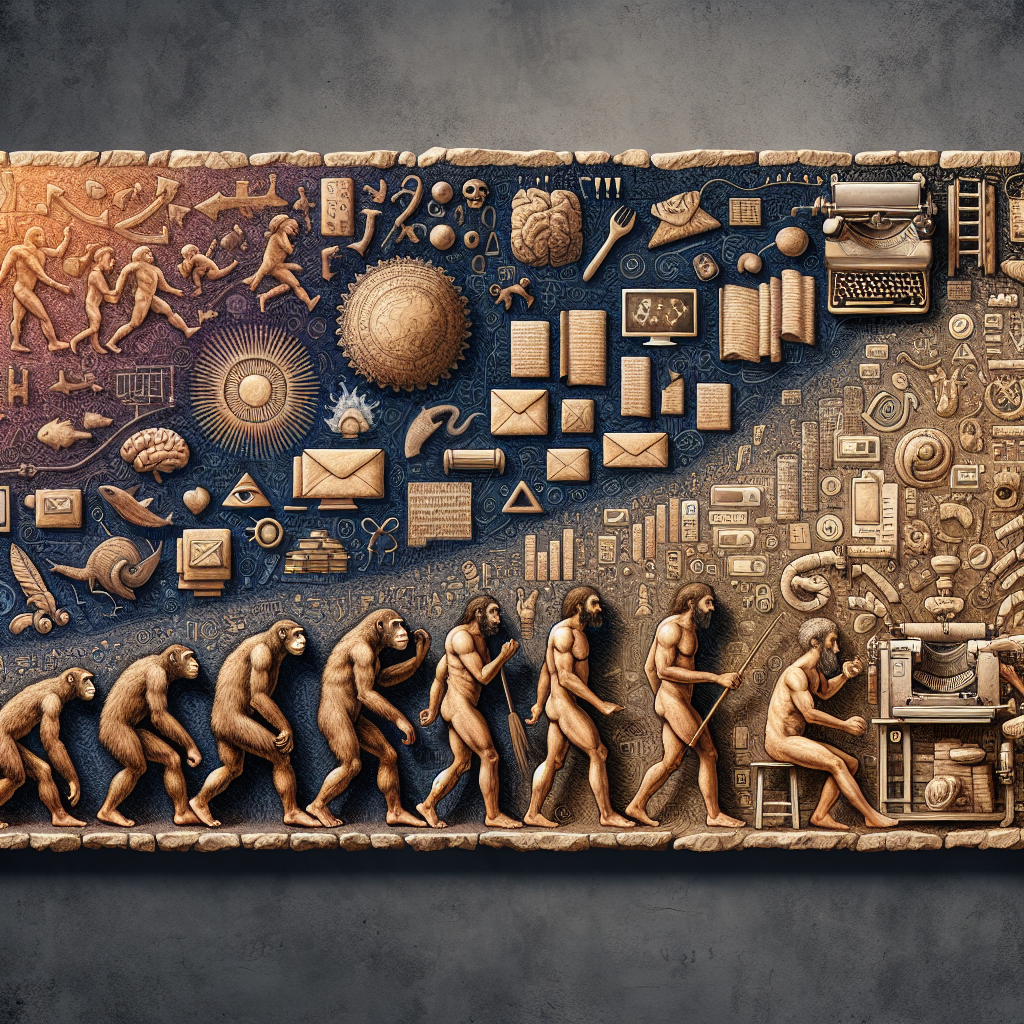
This conversation explores the evolution of language and written communication, highlighting its historical origins, complexity, and societal impact. It discusses significant milestones, including the Human Revolution, the advent of writing, and the printing press, while addressing language inequality and the effects of digital communication on language’s future.
-
The discussion highlights the significant yet understated roles of women in ancient civilizations, contrasting traditional male-centric historical narratives. It explores women’s diverse contributions across societies like Egypt, Greece, Rome, Mesopotamia, and China, emphasizing their legal protections, economic power, and influential positions, while questioning the historical omissions of female stories.

-
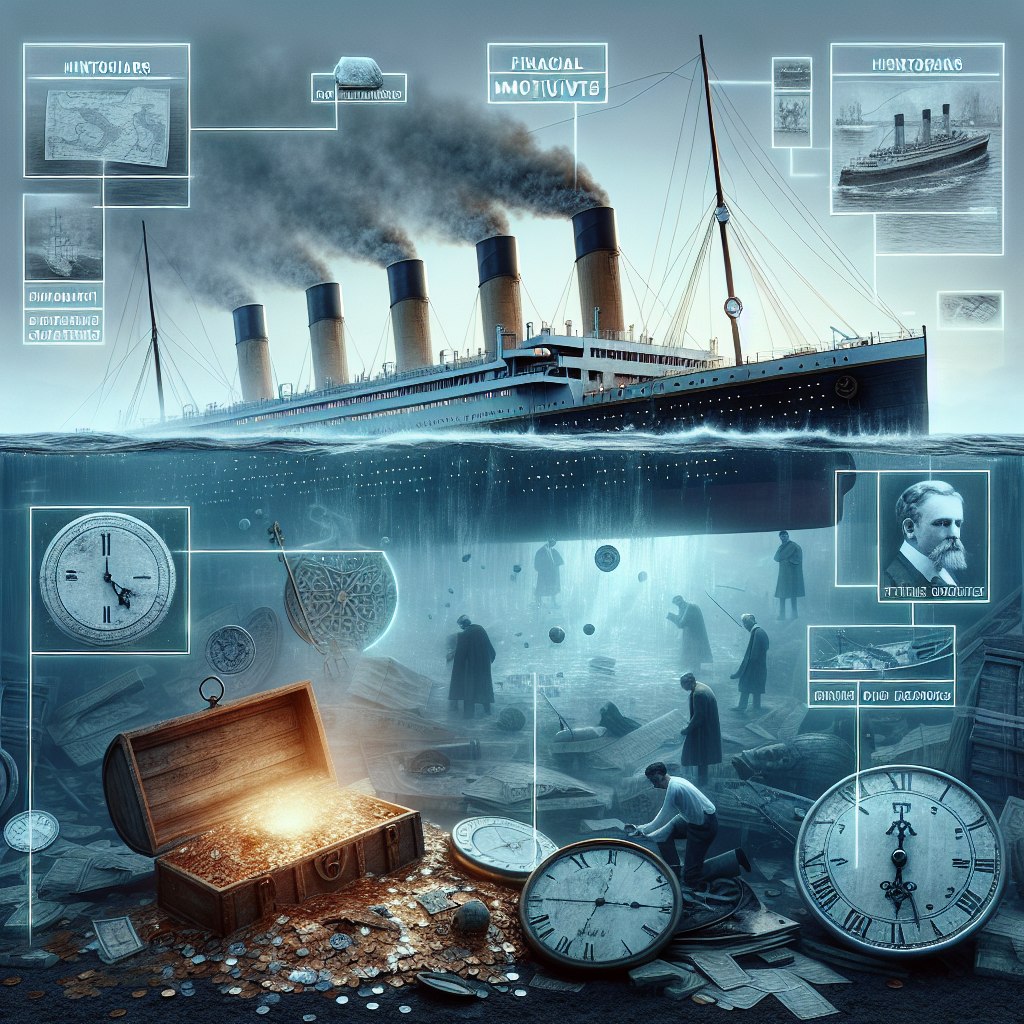
This conversation explores theories surrounding the Titanic’s sinking in 1912, suggesting it may have been intentional rather than accidental. It examines the ‘switch theory’ positing financial motives, despite criticism from historians. Ultimately, the discussion highlights the enduring intrigue and debate about historical narratives and alternative interpretations of events.
-
The conversation explores Karl Popper’s paradox of tolerance, which warns against unlimited tolerance that may allow intolerance to flourish. It discusses its historical context, relevance in modern society, and implications for policy-making amid rising hate speech and radical ideologies, emphasizing the need for a balanced, nuanced approach to tolerance.

-
The conversation discusses the significant impact of globalization on local cultures, highlighting the dynamics of homogenization, hybridization, and cultural resilience. It examines the exchange of ideas and practices, alongside the risks to cultural diversity, emphasizing the reciprocal relationship between globalization and local cultural adaptation and transformation.

-
The article explores the contrasting philosophies of ancient pastoral wisdom and modern linear thinking. It highlights the cyclical worldview of ancient societies rooted in nature, compared to the rational, mechanistic approach of modernity. By bridging these philosophies, the discussion emphasizes their coexistence and relevance in addressing spiritual disconnection in the 21st century.

-
The human microbiome comprises trillions of microorganisms essential for health, impacting digestion, immunity, and mental health. Research has advanced significantly since the late 20th century, revealing complex interactions. Key topics include microbiome composition, immune modulation, gut-brain connections, and metabolism, highlighting its crucial role in disease and potential therapeutic implications.