Category: Mind
-
Humanity’s Top 10 Unanswered Questions
8–12 minutes·
·
Humanity’s most profound inquiries tackle the core of our existence, the nature of the universe, and our technological future. At the forefront is the search for life’s meaning, a question addressed by philosophy, religion, and science. Another major enigma is the nature of consciousness—our subjective awareness—which remains a “hard problem” for neuroscience. We persist in…

-
Living with the challenges of MS can feel like a constant battle. This post explores how mindfulness is not about ignoring the struggle, but about finding the “glimmers of light” within it. Through practical tools like breath and humour, we can manage difficult moments and strengthen our connections.

-
Glitch, Meaning, or Mind?
10–14 minutes·
·
Synchronicity describes meaningful coincidences that feel uncanny, suggesting deeper connections. Carl Jung defined it as an acausal principle, distinct from chance. While psychological biases offer explanations, these events evoke wonder, with some speculating they could be “glitches in the Matrix,” prompting questions about reality’s fabric.

-
Non-judgmental observation, a core mindfulness skill with ancient roots, means noticing present thoughts, feelings, and sensations without labelling. Popularised by MBSR, it reduces stress and enhances self-awareness. Cultivate it through meditation or daily mindful moments, observing experiences with acceptance for greater calm, clarity, and well-being.

-
Solipsism, the theory that only one’s own mind is certain to exist, has ancient roots and was notably explored via Descartes’ “Cogito”. While the egocentric predicament makes it hard to refute, arguments from language and practicality counter it. Though not widely believed, solipsism endures as a thought experiment questioning reality.

-
Plato’s Allegory of the Cave illustrates prisoners mistaking shadows for reality. This timeless tale explores the challenging path to true knowledge. It remains relevant, echoing in modern neuroscience, virtual reality, psychology, and science fiction, highlighting the ongoing human struggle to distinguish illusion from genuine reality and question perceived truths.

-
Mindfulness practice enhances emotional intelligence by training non-judgmental attention. It directly boosts self-awareness and self-regulation, fosters empathy, and aids motivation and social skills. This provides tools for better emotional management, stronger relationships, and increased resilience in navigating life’s complexities, supported by scientific evidence.

-
Mindfulness, rooted in Buddhist tradition and secularised by Kabat-Zinn’s MBSR, offers a way to navigate modern overwhelm. It’s defined as purposeful, present, non-judgemental attention. Practising mindfulness can alter brain structure, reducing stress and enhancing self-awareness, emotional regulation, focus, and empathy. It fosters resilience and conscious living, though requiring consistent effort, not a quick solution.

-
Mindfulness, rooted in ancient Buddhist traditions, offers teenagers a science-backed tool to manage stress and enhance mental clarity. Popularised by Jon Kabat-Zinn’s MBSR programme, it improves focus, emotional regulation, and brain structure. Despite benefits, critics warn against oversimplification and inequitable access. Mindfulness is a practice requiring dedication, not a quick fix, aiding resilience amid life’s…

-
Mindfulness, an ancient concept, has gained significant attention for its profound effects on cognitive function, emotional regulation, and academic performance, with potential to revolutionise the way we think, learn, and interact with the world around us, promoting greater awareness and compassion.

-
The conversation explores human endurance, encompassing physical and mental limits. It discusses historical contexts, survival challenges, and modern implications in sports, extreme conditions, and mental resilience. Insights from recent research highlight physiological barriers and the intertwining of body and spirit, emphasizing the potential for understanding and overcoming these limits.

-
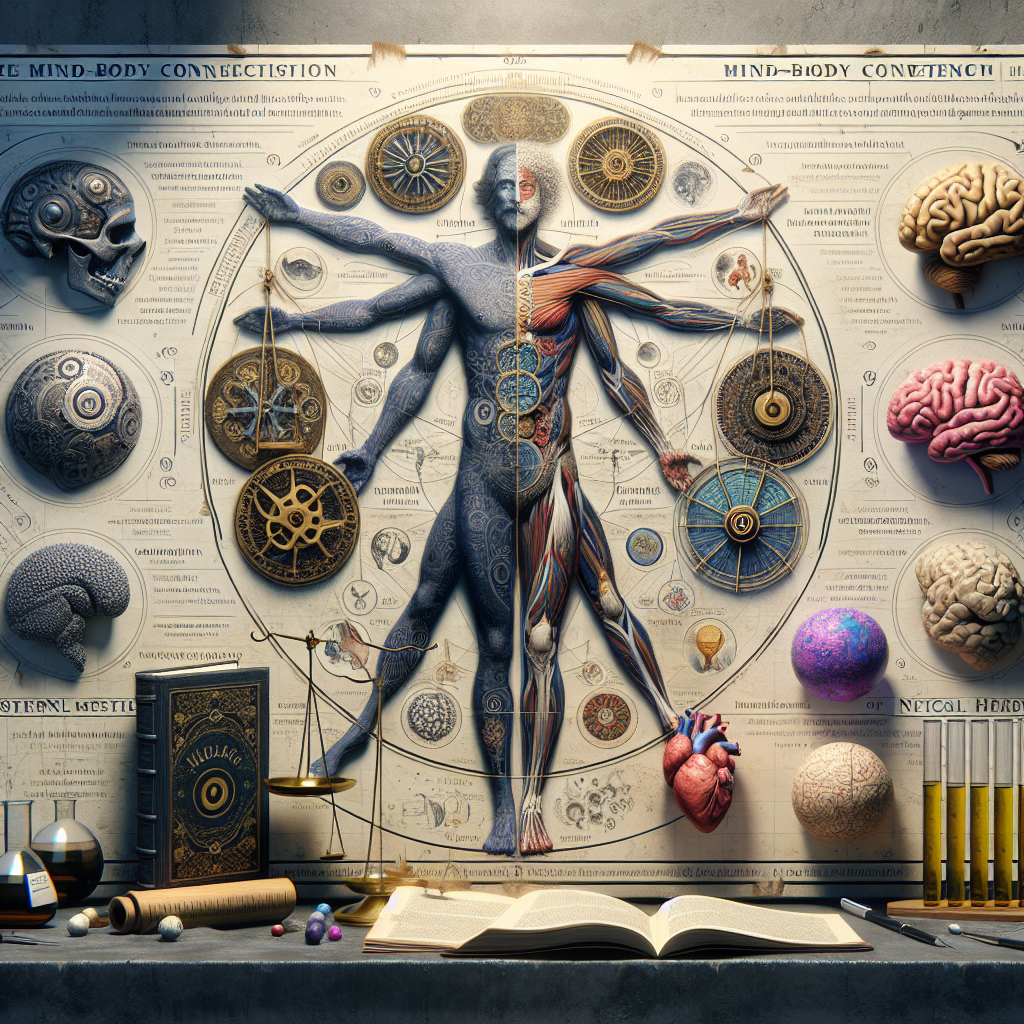
Bridging Realms: The Mind-Body Connection from Past to Present
4–5 minutes·
·
This conversation explores the mind-body connection, tracing its historical roots from Paracelsus to modern sciences like psychoneuroimmunology and neuropsychology. It contrasts Western mechanistic views with Eastern holistic philosophies, highlights research on stress and health, and questions the implications of this connection for personal wellbeing and healthcare approaches.
-
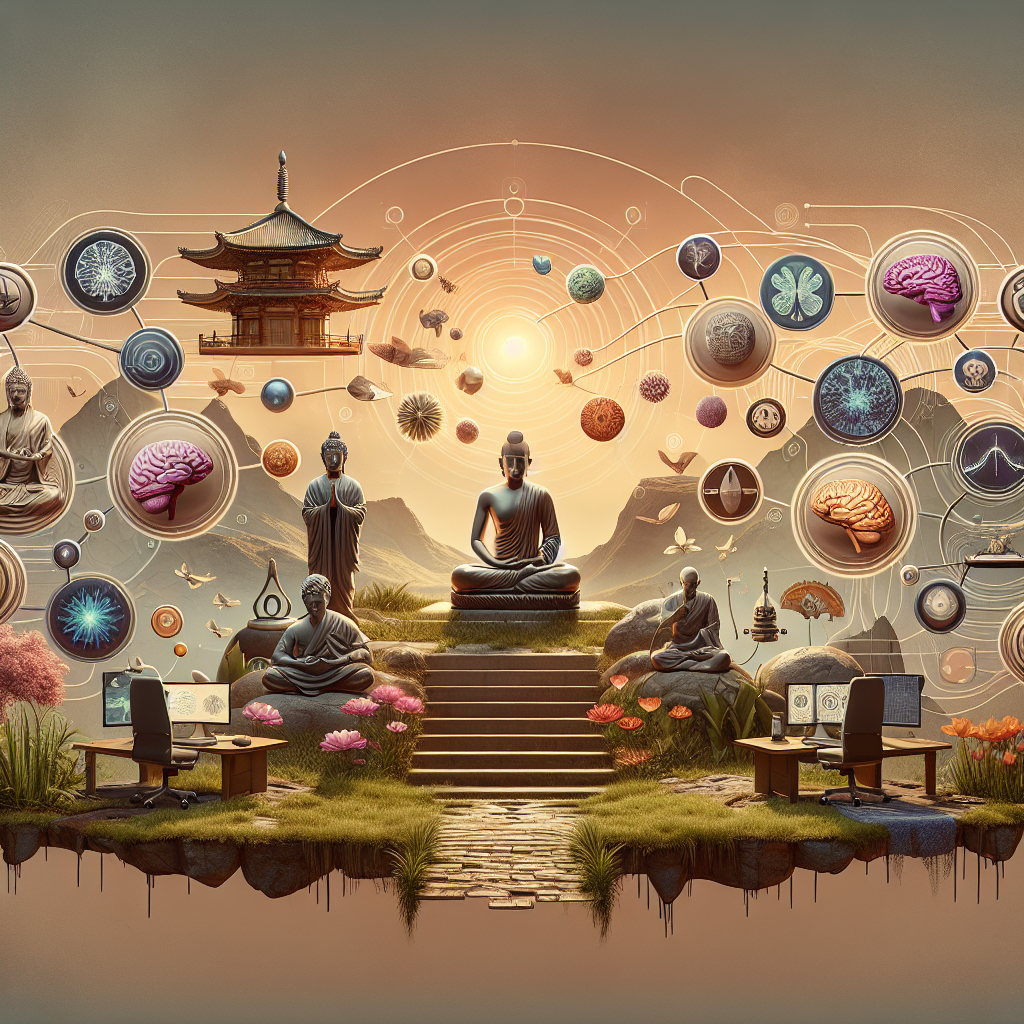
The conversation explores the allure and science of meditation, tracing its roots from Buddhism to modern cognitive science. It discusses neuroimaging findings, mindfulness benefits, and emotional regulation. The potential for neuroplasticity and future research in cognitive science and meditation highlights the complexity and significance of understanding mental tranquility.
-
This conversation explores paradoxical philosophy, highlighting its historical context, significant paradoxes like the Liar and Zeno’s paradoxes, and their implications for logic and human understanding. Paradoxes challenge traditional thinking, revealing deeper truths and urging a reconsideration of assumptions in various fields, thus prompting ongoing philosophical inquiry.

-
Mindful journaling merges mindfulness and journaling, enhancing self-awareness and emotional insight. It aids emotional regulation, reduces stress, and supports personal growth. Through regular reflection, individuals articulate anxieties and set goals, improving mental health. The practice is accessible, requiring minimal time for significant benefits, fostering tranquility and personal insight.

-
Acts of random kindness strengthen community bonds, offering hope and highlighting inherent human goodness. Such gestures initiate positive feedback loops, inspiring wider emulation. These actions enhance well-being and foster empathy, creating ripples of compassion. Community initiatives harness this spirit, promoting collective movements for positive change, countering negativity and transforming lives.

-
The conversation discusses the dual impact of social media on mental health, with concerns about anxiety and depression, especially among youth. It highlights issues like the “highlight reel” effect, addictive platform designs, and unrealistic comparisons. However, it acknowledges social media’s role in fostering community support, emphasizing balanced and healthy use.

-
Unveiling the Path to Lasting Happiness
2–4 minutes·
·
The psychology of happiness explores what contributes to people’s contentment and fulfillment. Key factors include the ‘set point’ theory, social connections, resilience, gratitude, and mindfulness. Genetics, social bonds, and mindset significantly impact well-being. By adopting positive behaviors and attitudes, individuals can enhance their happiness and lead a fulfilling life.

-
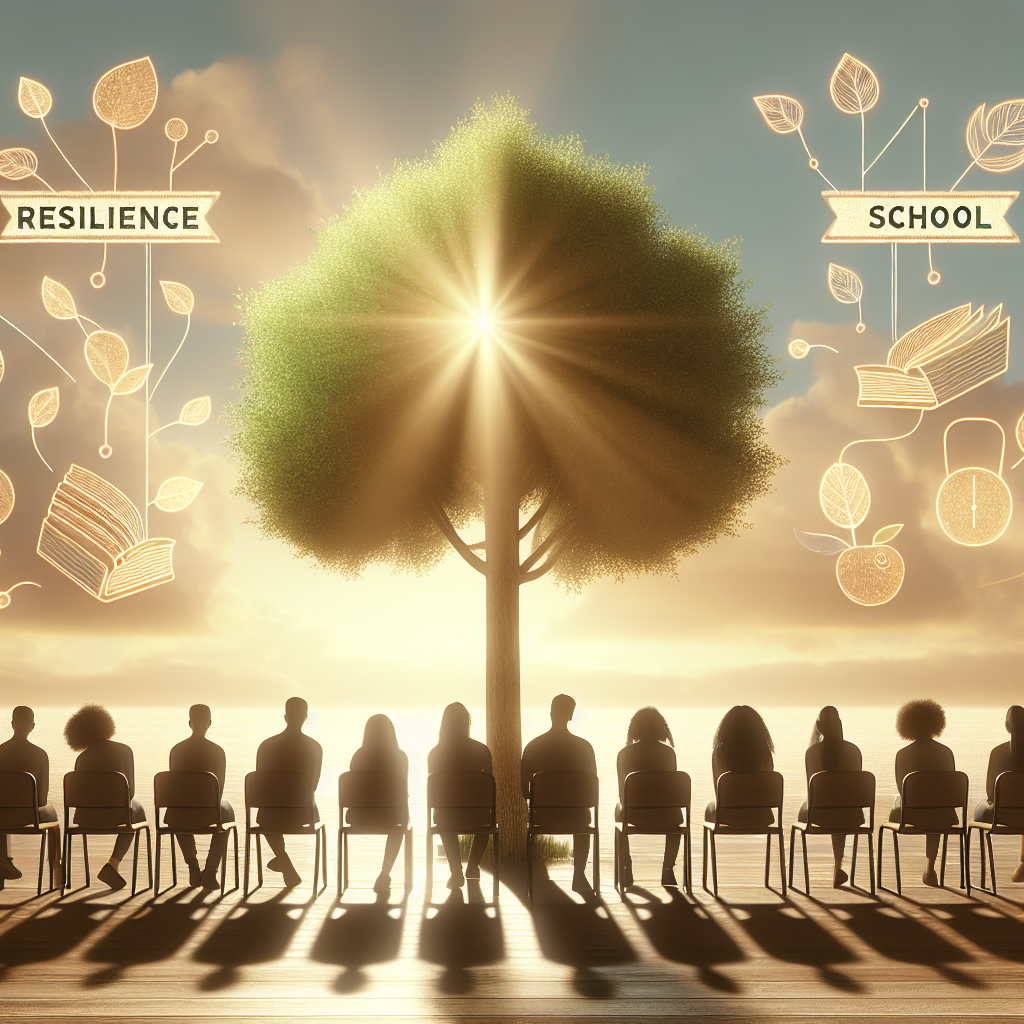
The conversation emphasizes the importance of promoting mental health awareness in schools by integrating it into the curriculum and training educators. It highlights the role of teachers, student-led initiatives, and accessible resources in fostering a supportive environment. Quotes from public figures stress prioritizing mental health education and reducing stigma to empower students.
-
Cultural diversity enriches humanity through unique customs and perspectives, enhancing global arts, innovation, and social cohesion. By embracing differences, we foster empathy and harmony. Influential voices like Ola Joseph, Maya Angelou, and Kofi Annan highlight diversity’s beauty and strength, urging us to celebrate shared experiences for a more inclusive world.

-
Resilience: The Art of Thriving Amidst Life’s Storms
2–3 minutes·
·
Resilience, a skill developed through effort, enables individuals to manage stress and overcome challenges. Key elements include fostering a positive mindset, building strong support networks, enhancing problem-solving abilities, and practicing self-care. These tools empower people to face adversity with courage, as highlighted by experts like Dr. Amit Sood and Carol Dweck.

-
Mindful listening is a valuable skill that enhances relationships by promoting understanding and empathy. It involves being fully present and attentive, setting aside distractions to truly connect with the speaker. Practicing this can lead to personal growth, improved communication, and better team dynamics, underscoring its importance in both personal and professional settings.

-
Spinoza’s philosophy, focusing on his concepts of adequate ideas, reason, and intuition. We discuss how understanding reality through reason leads to intellectual freedom and how intuition allows for direct, holistic knowledge of God or Nature, ultimately fostering happiness and virtue.

-
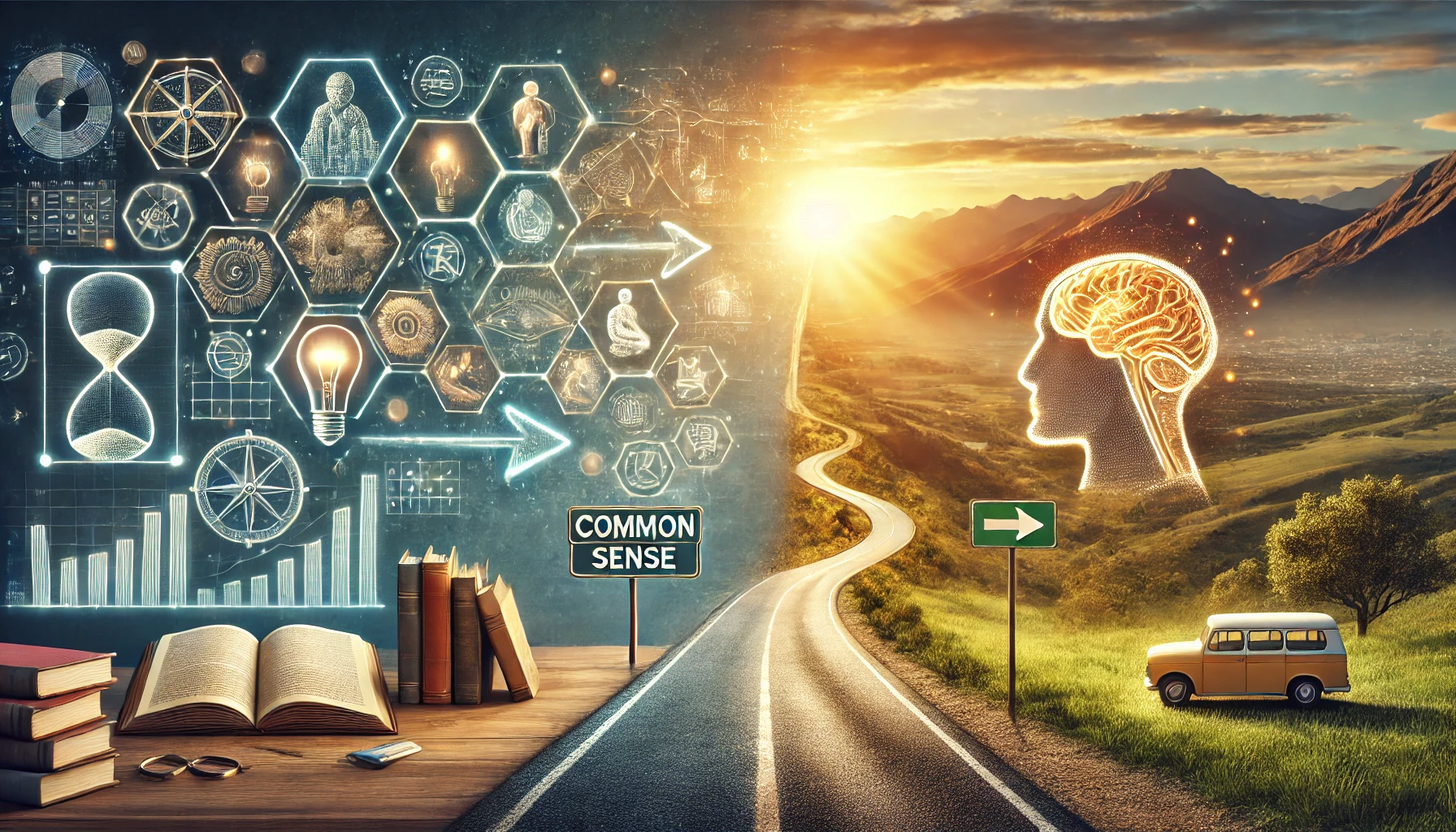
This conversation explores the difference between common sense and wisdom, highlighting how education, culture, and experience shape practical judgment. While common sense offers quick, everyday solutions, wisdom involves deeper reflection, ethical considerations, and long-term thinking. It delves into how wisdom complements and refines our natural instincts.
-
The idea that “if you stand still, you will always be overtaken” can be interpreted metaphorically, particularly in the context of personal growth, progress, or competition. It suggests that remaining stagnant or not moving forward in any aspect of life—be it professionally, personally, or intellectually—can cause others who are actively progressing to surpass you. In…


