Category: Ethics
-
Philosophy, originating over 2,500 years ago with Socrates, Confucius, and others, examines ethics, reality, and human existence. From Plato’s Forms to Kant’s deontology and existentialism, it challenges perceptions and shapes moral frameworks. Today, it addresses AI, climate change, and digital ethics, offering critical tools for navigating complex global dilemmas while bridging individual and collective responsibility.

-
Philosophy explores fundamental questions about existence, reality, and human nature, originating in Ancient Greece and evolving through history. It provides tools to critically examine puzzles like consciousness, freedom, and ethics. Complementing science, it helps us understand ourselves and the universe, stressing the value of critical inquiry.

-
Philosophy explores values and ethics, offering frameworks from virtue ethics to existentialism. It provides critical thinking tools to navigate moral dilemmas, question assumptions, and shape personal and societal values. Understanding philosophy is vital for ethical decision-making and building a more ethical world.

-
Human-Computer Interaction (HCI) has evolved from 1940s punch-card systems to intuitive voice assistants and gesture controls. Milestones include Douglas Engelbart’s 1968 interface innovations, 1980s graphical interfaces, and modern touchscreens. HCI prioritises user-centred design, blending human intuition with machine functionality. Advances like AI and brain-computer interfaces raise ethical questions, urging balance between technological empowerment and human…

-
Philosophy underpins humanity’s understanding of ethics, from ancient Greek debates on virtue to Enlightenment theories of rights and modern dilemmas like AI. Thinkers like Socrates, Kant and Mill established frameworks for moral reasoning, emphasising critical inquiry over rigid rules. As evolving dialogue, philosophy addresses contemporary issues—climate change, human rights, technology—guiding ethical progress through reasoned debate.

-
Mesopotamia, birthplace of codified law over 3,800 years ago, established written legal systems via codes like Ur-Nammu’s (fines) and Hammurabi’s (*lex talionis*). These laws standardised justice, reflected social hierarchies, yet granted women rights. Courts used evidence and testimony. Their legacy—transparency, proportionality, accountability—shaped Hebrew, Roman, and modern legal frameworks, embedding principles still foundational today.

-
Philosophy explores human nature through history, from Socrates’ rational inquiry to Sartre’s existentialism. Debates span essentialism (Plato, Aristotle) versus existential freedom, reason versus experience (Descartes, Locke), and societal roles (Stoics, Hobbes). Modern issues like AI, genetics, and ethics highlight philosophy’s ongoing relevance in understanding identity, morality, and humanity’s evolving challenges.

-
Cybersecurity’s evolution mirrors computing’s history, from WWII codebreaking to modern digital threats. Key milestones include the 1988 Morris Worm and 2007 Estonian attacks, highlighting vulnerabilities in interconnected systems. Core principles (confidentiality, integrity, availability) underpin defences like encryption and AI. Human error remains a weak link. Emerging challenges—quantum computing, IoT expansion—demand vigilance, blending technology with ethical…

-
Quantum AI Revolution
4–6 minutes·
·
Quantum AI is a rapidly evolving field that could revolutionise the way we live and work, with significant implications for various fields, but also raising important questions about ethics and safety.

-
The ethics of space exploration and colonisation are complex, involving scientific, cultural, and societal considerations, and require a nuanced understanding of potential consequences and responsible actions to ensure humanity’s thrival.

-
The concept of artificial intelligence sparks debate on its potential benefits and risks, impact on human employment, and ethical implications, raising questions about its development and alignment with human values.

-
Algorithms to Awareness: AI Evolution and Its Ethical Frontiers
3–5 minutes·
·
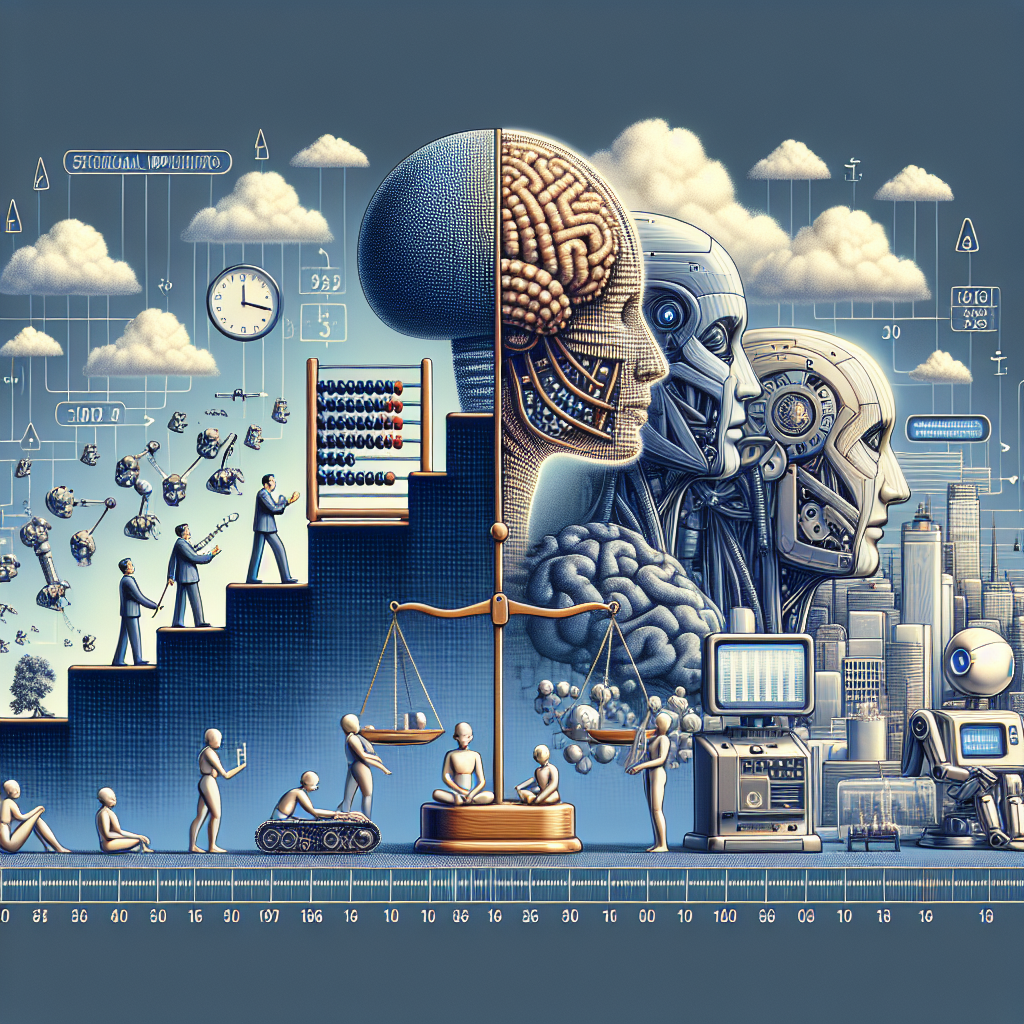
The discussion explores the evolution of Artificial Intelligence (AI) since its term was coined in 1956, addressing questions of consciousness and self-awareness in machines. It contrasts ‘Strong AI’ and ‘Weak AI,’ highlights societal implications, and raises ethical concerns surrounding potential AI consciousness, emphasizing the need for comprehensive understanding.
-
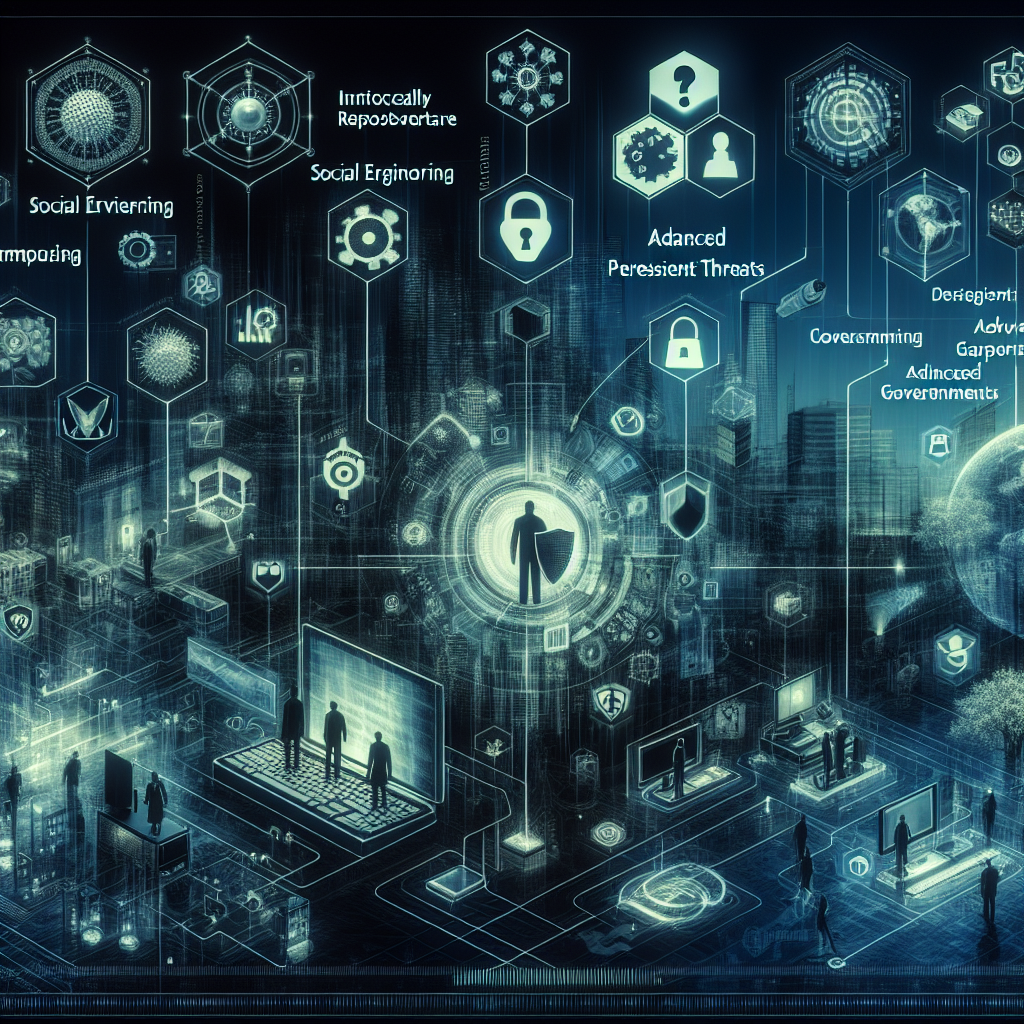
This article explores the complex landscape of cybersecurity threats in the 21st century, highlighting categories like malware, social engineering, and advanced persistent threats. It discusses the evolution of these threats since the 1970s, emphasizing the need for proactive measures by individuals, corporations, and governments to ensure digital safety and privacy.
-
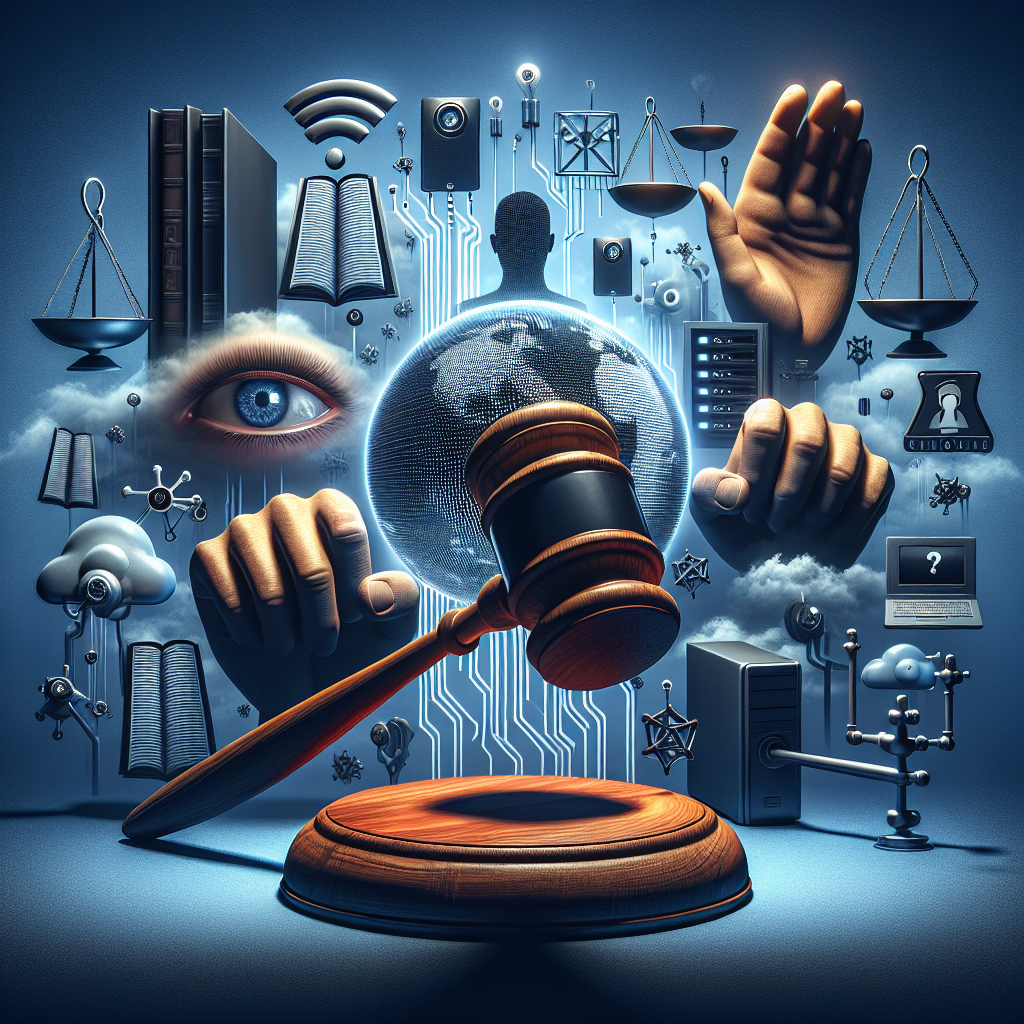
This article discusses the growing concern of data privacy in today’s information-sharing society. It explores the ethical dilemmas surrounding transparency, ownership, and governance amidst increasing technology reliance. Highlighting issues like the Cambridge Analytica scandal, it calls for ongoing public awareness and research on data privacy’s implications for society.
-
Merging Minds and Machines
3–4 minutes·
·
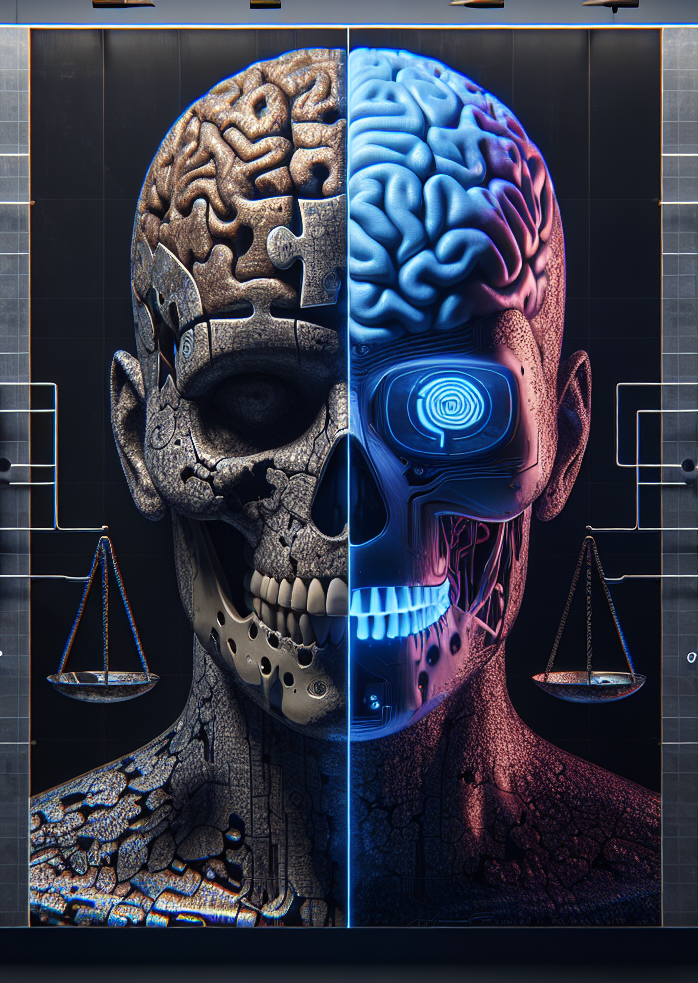
The conversation discusses Brain-Computer Interfaces (BCIs), merging mind and machine, highlighting their historical development since the 1970s, current applications, and future potential. It addresses the types (invasive vs. non-invasive), challenges, and ethical considerations. BCIs promise revolutionary changes but raise important societal issues regarding privacy and identity.
-
The conversation explores Karl Popper’s paradox of tolerance, which warns against unlimited tolerance that may allow intolerance to flourish. It discusses its historical context, relevance in modern society, and implications for policy-making amid rising hate speech and radical ideologies, emphasizing the need for a balanced, nuanced approach to tolerance.

-
The conversation emphasizes the importance of AI ethics in an era increasingly dominated by artificial intelligence. Key ethical concerns include bias in AI systems, data privacy, job displacement, and the need for accountability. Navigating these issues is essential for the responsible development of AI technologies aligned with human rights.
-
The Double-Edged Sword of Social Media Algorithms
4–6 minutes·
·
The conversation explores the societal impact of social media algorithms, detailing their development, personalisation of content, and effects on user engagement and privacy. It highlights the transformative power of these algorithms, which create ‘filter bubbles’ and can lead to societal polarisation, while also recognizing their potential for targeted marketing and connectivity.

-
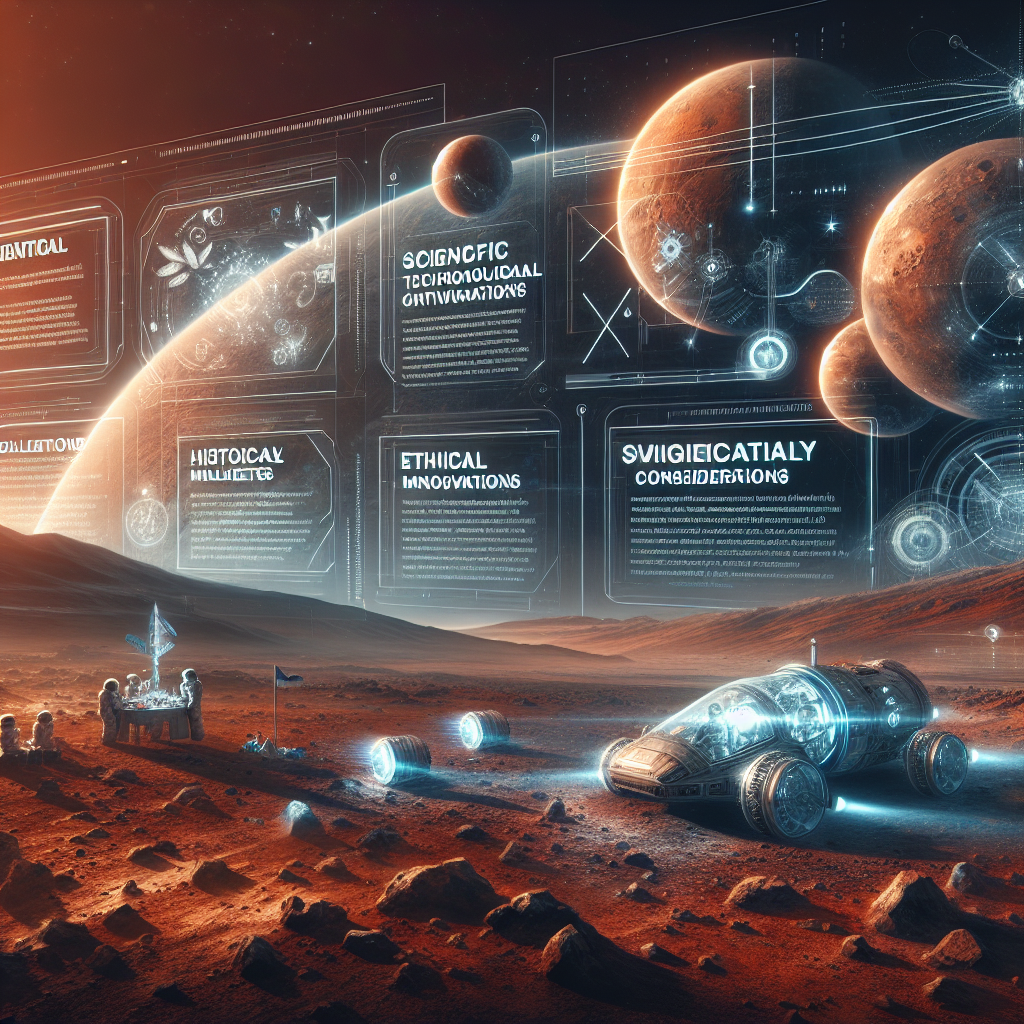
This article discusses the evolving prospects of human colonization on Mars, highlighting scientific, technological, and societal challenges. It explores historical milestones, significant innovations, and ethical considerations while emphasizing the complexity of establishing a new society on the red planet, ultimately questioning humanity’s ability to become a multi-planetary species.
-
Cultural diversity enriches humanity through unique customs and perspectives, enhancing global arts, innovation, and social cohesion. By embracing differences, we foster empathy and harmony. Influential voices like Ola Joseph, Maya Angelou, and Kofi Annan highlight diversity’s beauty and strength, urging us to celebrate shared experiences for a more inclusive world.

-
AI has evolved from science fiction to a transformative force in various industries, revolutionizing healthcare, finance, and transportation. Key milestones include Deep Blue’s chess victory and AlphaGo’s Go triumph. Ethical considerations, such as privacy and job displacement, are crucial. Future advancements promise potential but require careful ethical oversight.
-
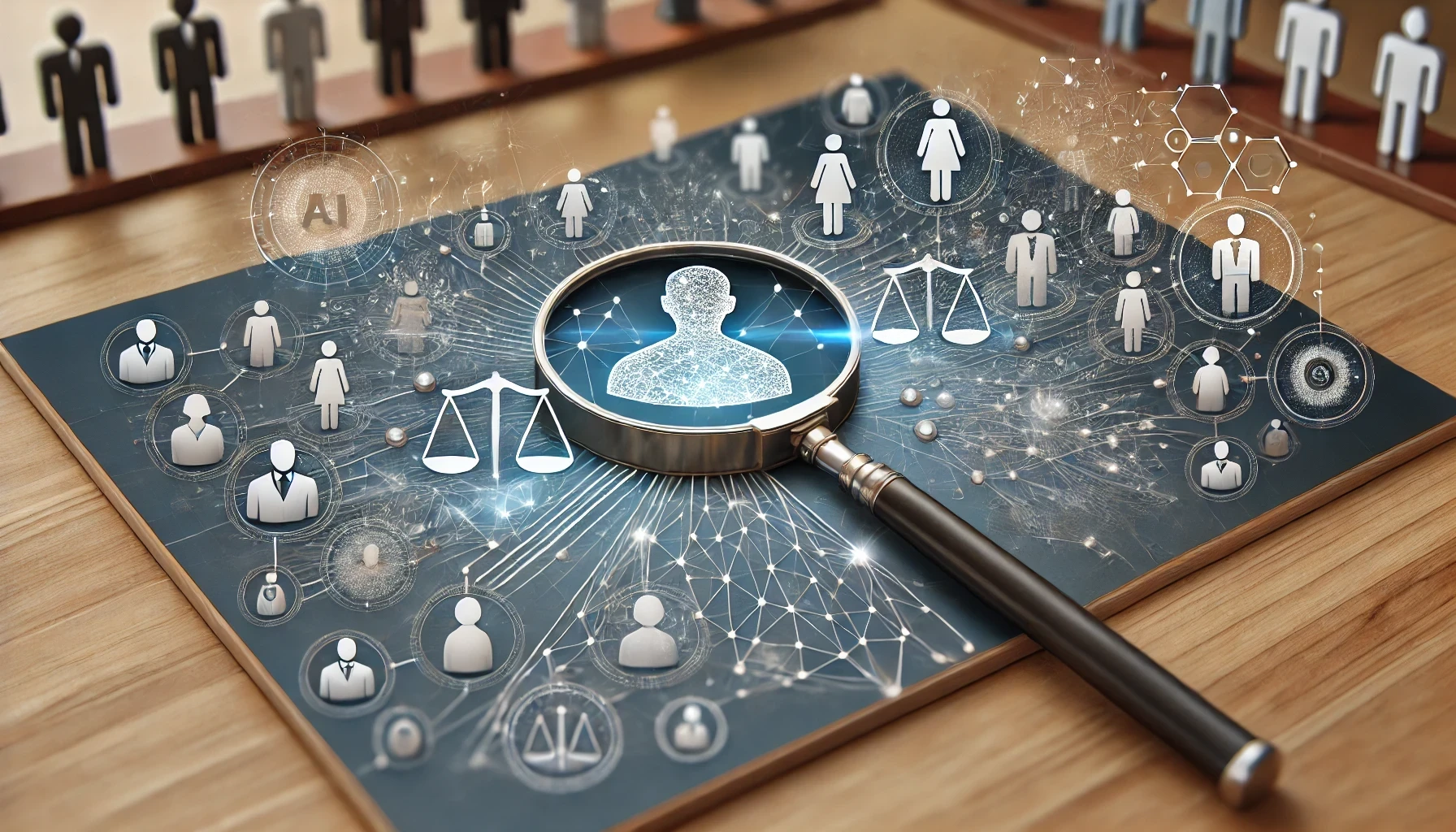
Large Language Models (LLMs), such as chatGPT-4, are AI systems designed to understand and generate human-like text by learning from massive amounts of data. These models are built using deep learning techniques, particularly transformer architectures, allowing them to capture linguistic patterns and generate coherent text across a variety of tasks. Despite their capabilities, LLMs face…
-
The role of social media as a force for good is multifaceted and can be seen from different perspectives. Here’s a breakdown of how it can be considered a power for good: 1. Connection and Communication 2. Amplifying Social Causes 3. Access to Information and Education 4. Empowerment of Individuals 5. Civic Engagement and Political Mobilization Challenges and Drawbacks However,…

-
*irony lives The idea of AI as “the monster in the closet” taps into common fears and anxieties about powerful, unknown technologies. Like the metaphorical monster, AI can seem mysterious, uncontrollable, or dangerous. However, AI itself is not inherently malicious or threatening—it’s a tool created by humans, designed to perform tasks such as data analysis,…

-
*Inspired by an A-level assignment The idea of “rights” is typically tied to beings with the capacity for sentience—that is, the ability to experience sensations like pain, pleasure, and emotions. Animals, especially those with well-developed nervous systems, can suffer, feel pain, and have interests in avoiding harm. These capacities are the basis for arguing that…


