Category: Civilisation
-
The Fire We Struck from Sand
6–9 minutes·
·
From a sliver of germanium came a spark that would outshine the taming of flame. The transistor didn’t just power our devices – it rewired the human story, leading from binary switches to minds we can’t yet comprehend. This is a celebration of the silicon age’s quiet, world-forging fire.

-
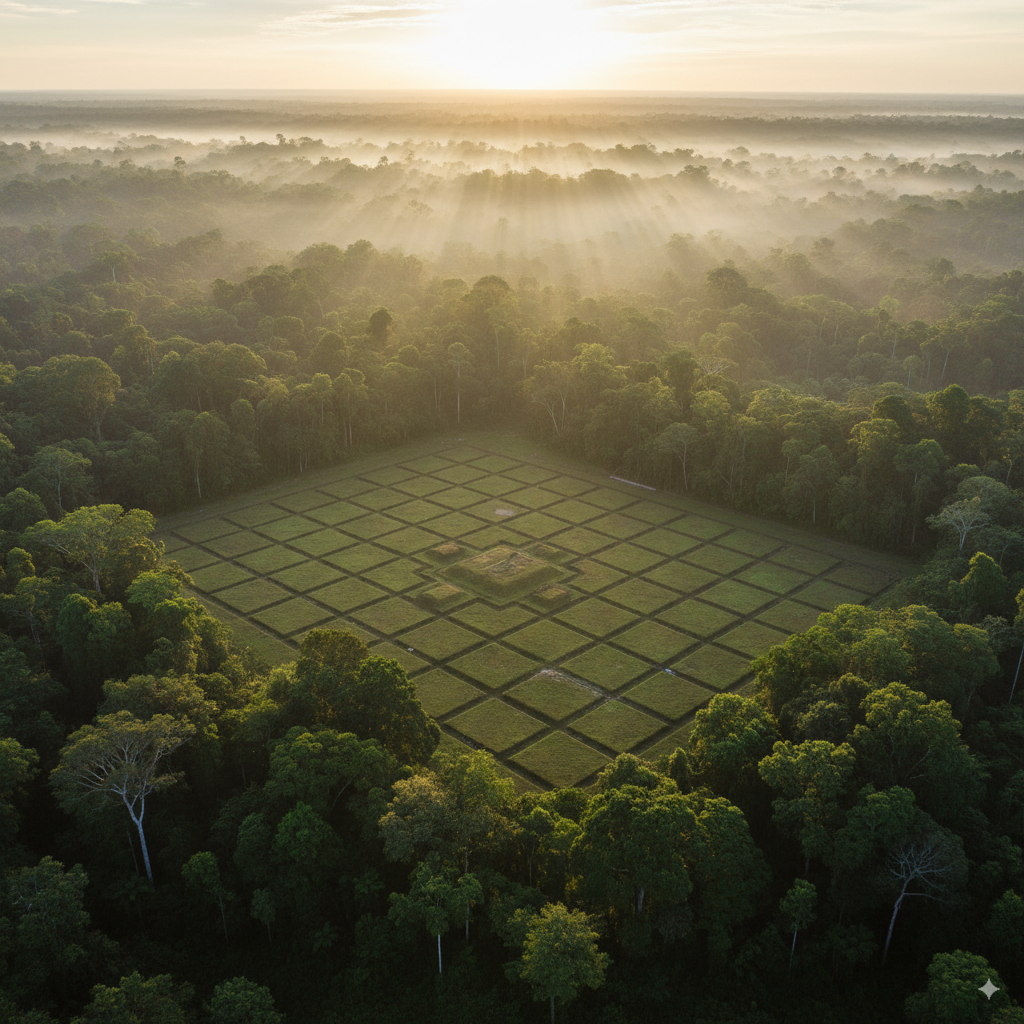
Exploring theories of civilisational collapse, this article questions if entire societies existed and vanished before recorded history. From the well-documented falls of Rome and the Maya to the staggering mystery of Göbekli Tepe, it examines the lessons these lost worlds might hold about the fragility of our own time.
-
What will future archaeologists find of us in 10,000 years? This post explores our legacy, from the plastic seams in the rock to the strange survival of the pyramids. It’s a journey into deep time that asks a simple question: what truly matters, the things that last or the things that don’t?

-
Silence Is Golden
5–7 minutes·
·
The universe is unnervingly quiet. We call this the Fermi Paradox, but what if the silence isn’t a sign of absence, but of fear? This article explores a chilling theory: that advanced civilisations lay cosmic tripwires for species like us, and our astronomical achievements are simply a dinner bell.

-
The Great Divergence describes Western Europe’s economic surge from the late 18th century due to industrialisation, creating vast global inequality compared to other advanced regions like Asia which previously had comparable development. Causes debated include Britain’s coal access, colonialism, institutions, and economic incentives. This complex historical process fundamentally reshaped the modern world.

-
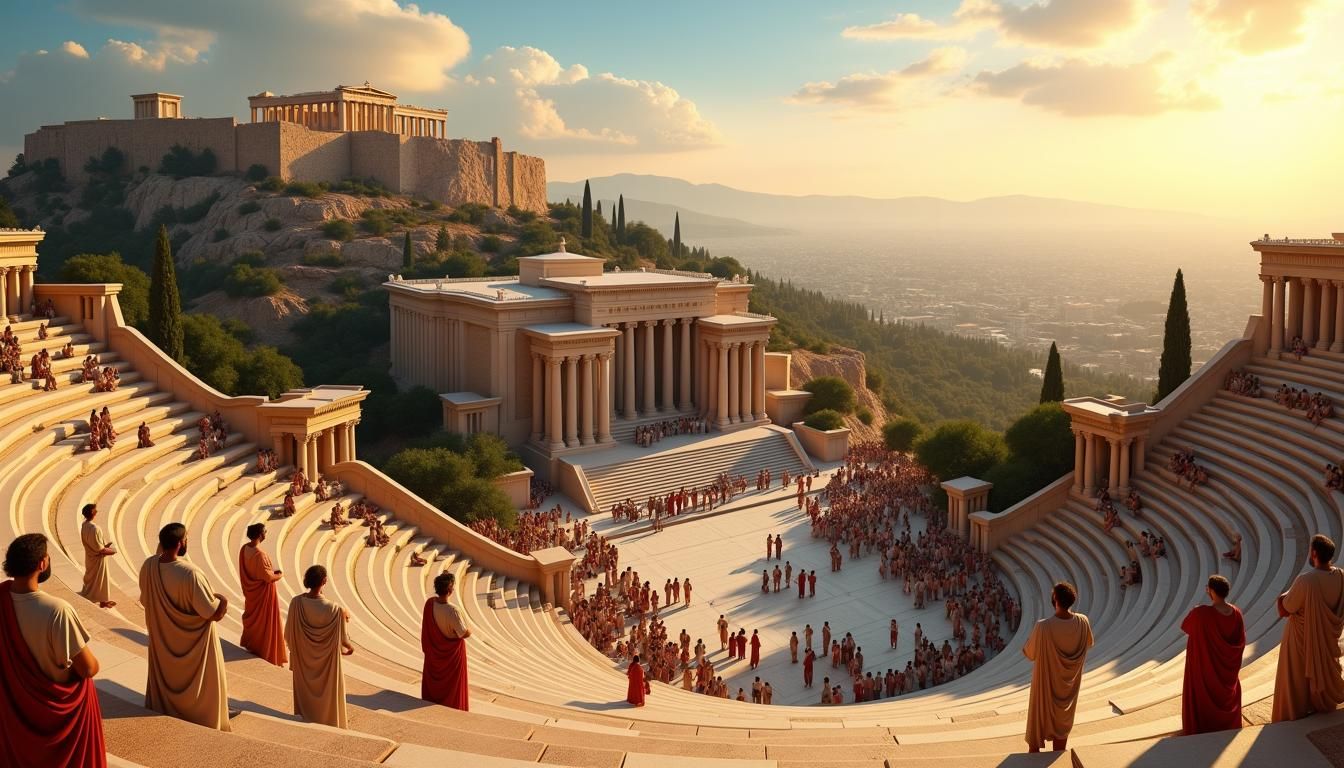
Ancient Greece (8th–2nd century BCE) laid Western civilisation’s foundations through philosophy and theatre. Athens’ Classical era fostered Socrates’ dialectic inquiry, Plato’s idealism, and Aristotle’s empiricism, shifting from myth to reason. Greek theatre blended civic ritual with tragic and comic storytelling, influencing modern drama. Their legacy persists in democratic discourse, ethical debate, and narrative structures, despite…
-
The text explores cyclical theories of civilisational rise and fall, citing historical perspectives. It details Spengler’s deterministic model of cultures having organic life cycles and Toynbee’s focus on “Challenge and Response” and creative minorities. Despite criticisms, these grand theories encourage thinking about long-term historical patterns and contemporary global challenges.

-
Deserts, often perceived as empty, are incredible archives preserving ancient human history due to aridity. Discoveries globally, like Egyptian tombs, Dead Sea Scrolls, and rock art, reveal past civilisations’ resilience, climate impacts, and daily life, aided by modern archaeology despite looting threats.

-
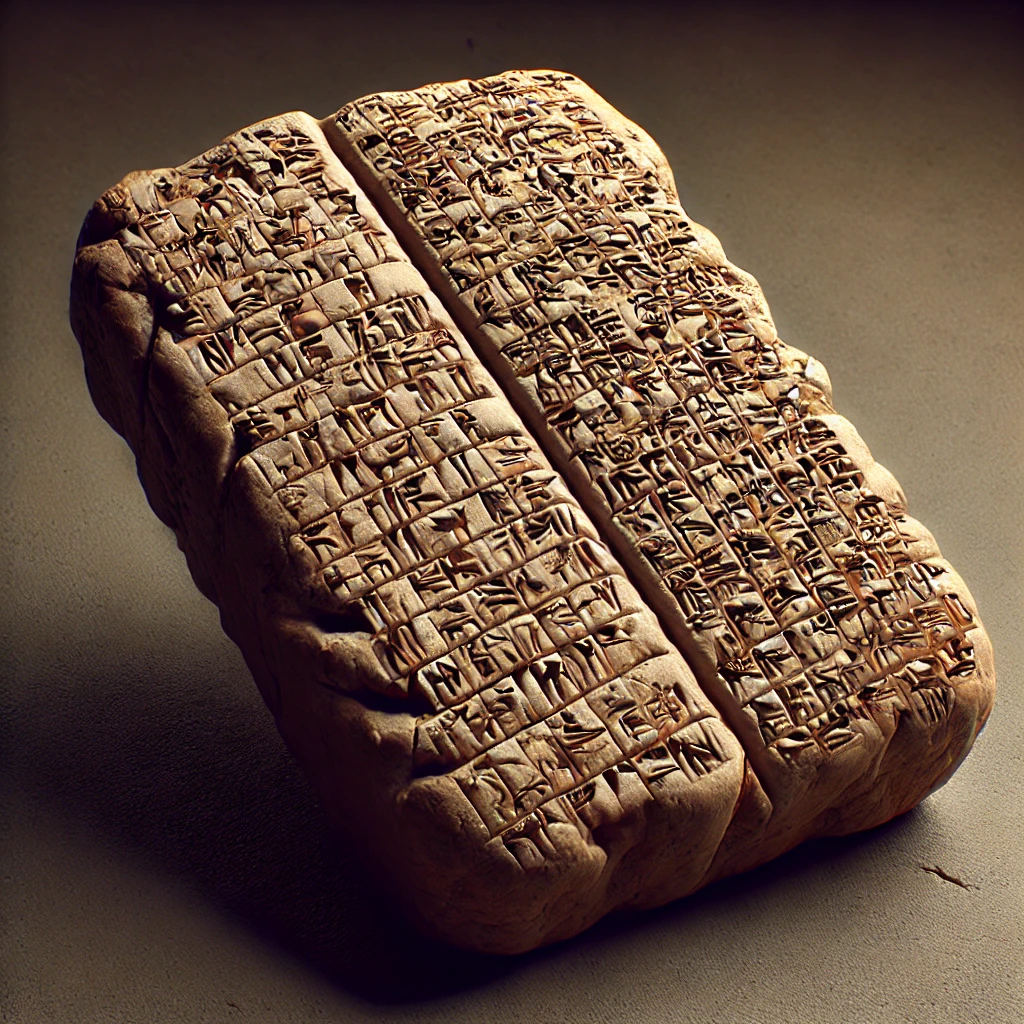
Around 5,000 years ago in Mesopotamia, writing emerged from the need to manage resources in early cities. Evolving from clay tokens to pictograms and then cuneiform (wedge-shaped marks on clay), it enabled complex administration, law, and knowledge preservation. This revolutionary invention reshaped society and influenced future writing systems.
-
Ancient Egyptian architecture, exemplified by pyramids and Karnak Temple, showcases remarkable ingenuity and scale. Driven by religious beliefs and pharaonic power, they mastered stone construction with sophisticated techniques and organisation. Their enduring monuments, built using post-and-lintel systems, obelisks, and symbolic columns, reflect advanced engineering and continue to inspire awe and influence architecture today.

-
not Aliens…
5–8 minutes·
·
The conversation explores ancient marvels like Egypt’s pyramids and the Antikythera Mechanism, which inspire theories of lost technologies or extraterrestrial influence. While mainstream scholarship attributes these feats to human ingenuity and labour, conspiracy narratives thrive on mystery and fragmented historical records. These theories reflect modern fascination with the unknown, blending scepticism, storytelling, and societal anxieties,…

-
Mesopotamia (3500–539 BCE), between the Tigris and Euphrates, pioneered governance systems still shaping modern states. Facing resource management challenges, its civilisations developed bureaucracy, legal codes (e.g., Hammurabi’s), tax systems, and cuneiform writing for administration. City-states, treaties, and early parliaments emerged, alongside hierarchical laws and organised labour. Their innovations in justice, record-keeping, and urban management influenced…

-
Materials science underpins modern innovations, from smartphones to biodegradable plastics, by studying atomic structures and properties. Historic breakthroughs like bronze and steel paved the way for today’s composites, nanomaterials, and biomaterials. Addressing sustainability and global challenges, researchers develop eco-friendly alternatives and smart materials. Future advancements aim for atomic-level precision, revolutionising energy, medicine, and technology.

-
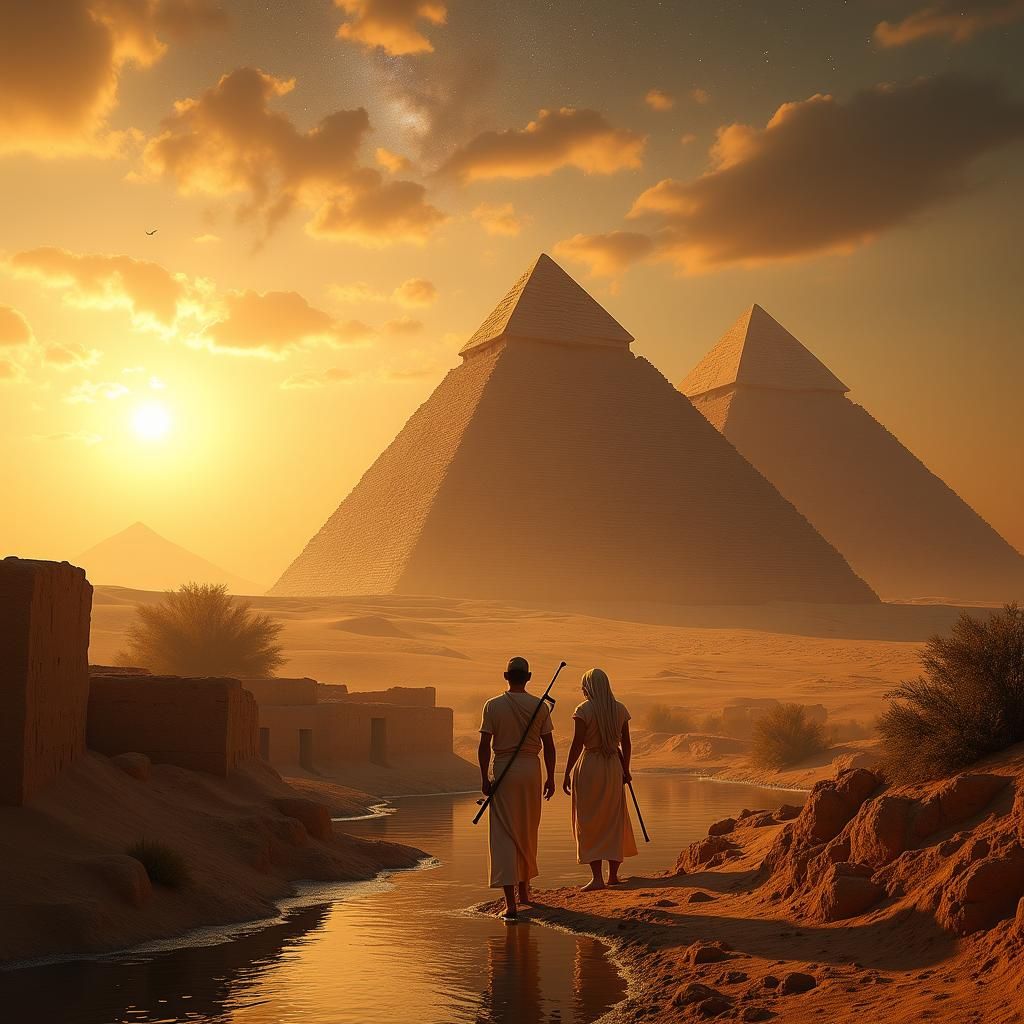
The Pyramids of Giza, built circa 2580–2560 BCE as tombs, remain enigmatic. Modern technologies like muon radiography uncover hidden chambers, ramps and a lost Nile branch, revealing advanced logistics. Evidence of skilled, well-treated workers replaces slave theories. Celestial alignments and non-invasive research underscore ancient Egyptian engineering and societal sophistication, reshaping historical perceptions.
-
Ancient Egyptian medicine blended science, spirituality, and practicality, pioneering surgical techniques, herbal remedies, and medical documentation (Ebers and Edwin Smith Papyri). Mummification advanced anatomical knowledge, while treatments merged empirical methods with incantations. Influencing Greek and Roman practices, their holistic approach—balancing physical and spiritual care—laid foundations for modern medicine, highlighting innovation and cross-cultural legacy in medical…

-
Thawing Arctic permafrost is revealing ancient human and ecological histories, challenging past assumptions of the region as uninhabitable. Discoveries like 30,000-year-old hunting sites and preserved Indigenous villages illustrate early human adaptability. However, climate change threatens these artefacts’ survival. Collaborations between archaeologists and Indigenous communities highlight ethical imperatives to preserve heritage while confronting environmental crises’ intertwined…

-
Ancient marvels like the pyramids and Stonehenge spark debate between mainstream archaeology, which credits human ingenuity and labour, and conspiracy theories proposing lost civilisations or extraterrestrial intervention. While such narratives reflect fascination with mystery and hidden truths, they risk overshadowing ancient societies’ achievements, highlighting tensions between sceptical inquiry and cultural appreciation of historical innovation.

-
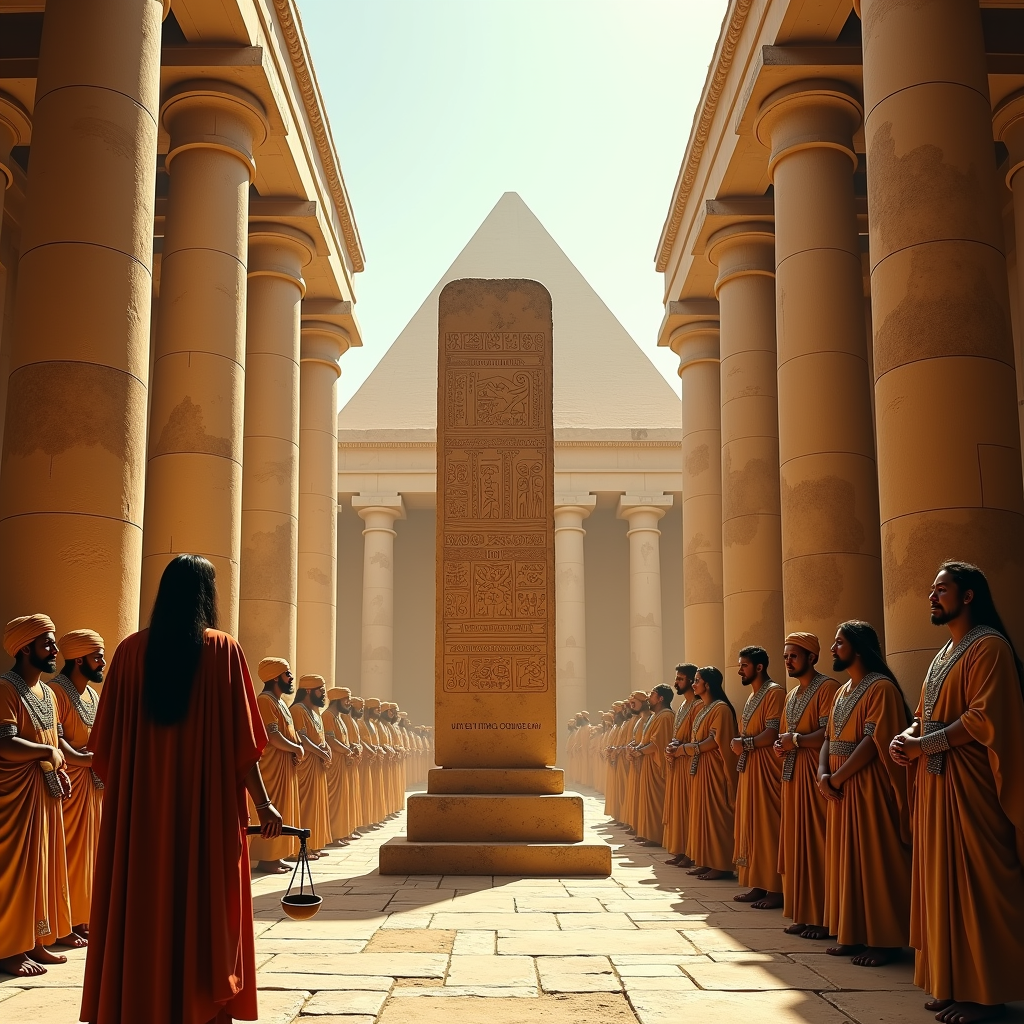
Mesopotamia, birthplace of codified law over 3,800 years ago, established written legal systems via codes like Ur-Nammu’s (fines) and Hammurabi’s (*lex talionis*). These laws standardised justice, reflected social hierarchies, yet granted women rights. Courts used evidence and testimony. Their legacy—transparency, proportionality, accountability—shaped Hebrew, Roman, and modern legal frameworks, embedding principles still foundational today.
-
Seismology, the science of earthquakes, helps understand the earth’s internal structure and composition, with applications in earthquake hazard assessment, tsunami warning systems, and natural resource exploration, ultimately mitigating earthquake effects on society and the environment.

-
Ancient Egyptian mythology is a complex subject, filled with gods, goddesses, and supernatural creatures, providing insight into the Egyptian worldview and highlighting the importance of ma’at, the balance and order of the universe, in shaping human understanding.

-
Desert archaeology has uncovered numerous ancient civilisations, including Egypt and the Indus Valley, revealing sophisticated cultures and highlighting human adaptability and resilience in harsh environments, with significant implications for understanding human history.

-
Mesopotamian mythology is a rich system, reflecting ancient Mesopotamia’s cultural institutions, with epic tales like Gilgamesh and mythological creatures, influencing Western culture and remaining significant today.

-
Ancient Chinese civilisation made significant contributions to astronomy, including a lunisolar calendar and astronomical instruments, which have had a lasting impact on our understanding of the universe and its complexities.

-
The Silk Road, an ancient network of trade routes, connected East and West, facilitating cultural exchange and shaping human history, with archaeological findings uncovering secrets of this fascinating topic, highlighting its importance and relevance to our understanding of the past.

-
The concept of time has fascinated humans, with ancient civilizations and theoretical physics shaping our understanding, from absolute time to relative time, and ongoing research continues to refine our knowledge of this complex aspect of the universe.