Category: Art and Literature
-
A one-shot time machine isn’t a grand adventure; it’s a horror movie dressed in chrome. Nipping back erases your kids; jumping forward abandons them forever. Faced with a brain-pretzeling paradox, the machine isn’t testing your courage—it’s testing your ego. The only sensible response? Pure, gloriously cynical slapstick.

-
Blogger’s block isn’t a shortage of ideas. It’s an excess of dignity. The fastest cure involves a broken mirror, a failed angina drug, and the maddening possibility that every new thought is just an old one wearing a false moustache.

-
Collective beliefs, like money or borders, are fictions that become reality only when they dictate physical action. Whether societal or personal, these narratives harden over time, making them difficult to rewrite. We must carefully choose the stories we tell ourselves, as they ultimately construct the world we are forced to inhabit.

-
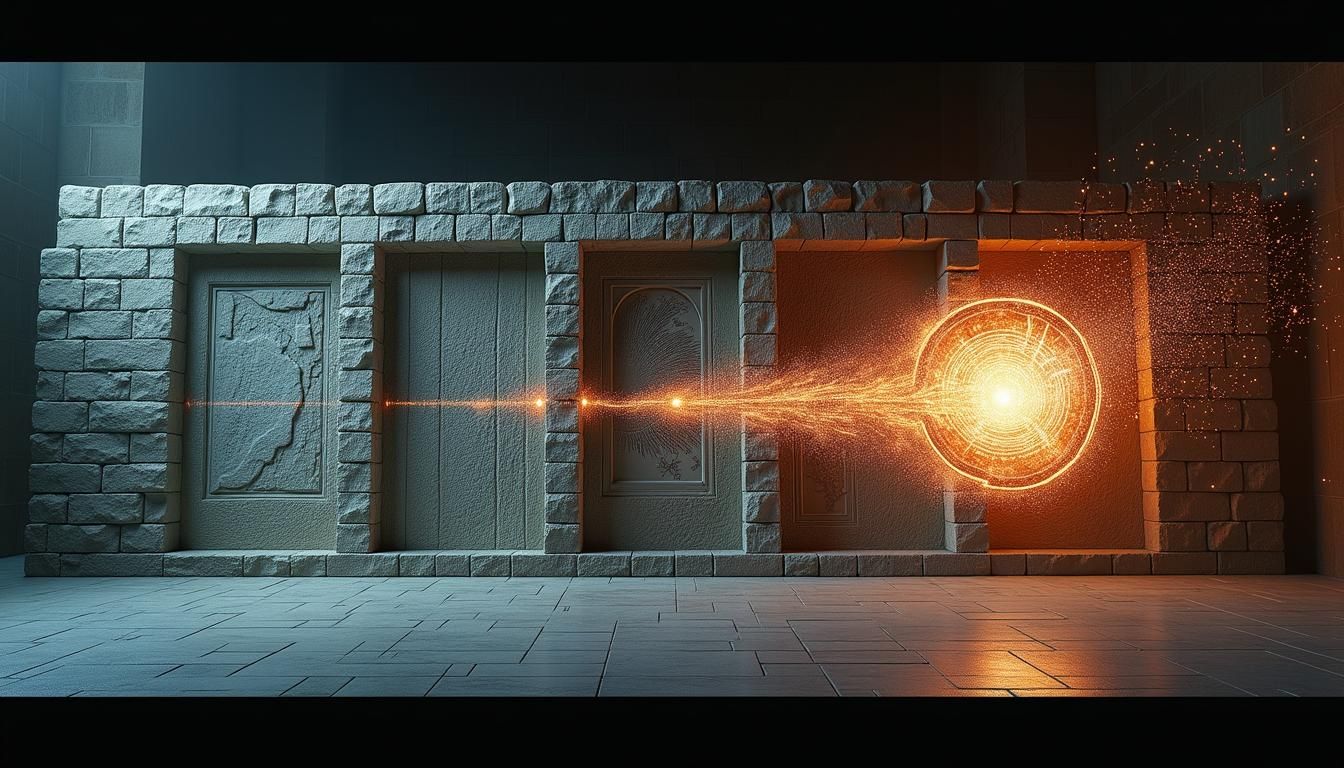
The Phantom Time Hypothesis claims the years AD 614–911 were fabricated. Based on a flawed calendar calculation, this fringe theory is disproven by overwhelming evidence. Unbroken tree-ring chronologies and independent, verifiable historical records from the Islamic world and Tang China confirm the period’s existence and legitimacy.
-
Interstellar travel is unfeasible with chemical rockets due to immense distances and physical laws. Plausible future solutions include laser-pushed sails for tiny probes, nuclear fusion rockets for large payloads, and theoretical antimatter drives. Each presents monumental engineering challenges, demanding systemic, multi-generational advances in science and technology.

-
Defining beauty and art evolved from objective ideals (Plato) to subjective experience (Hume), then institutional recognition (Duchamp). It involves biological predispositions, neurological processes, cultural influences, and individual perception. No simple algorithm applies; its intricate, evolving nature defines it, with meaning often residing in the process and its impact on the viewer.

-
The Ship of Theseus paradox questions an object’s, or person’s, identity when all its components are replaced over time. Originating with Plutarch’s tale of a continuously repaired ship, this philosophical puzzle, extended by Hobbes, explores what defines “sameness,” impacting our understanding of everything from artefacts to personal identity.

-
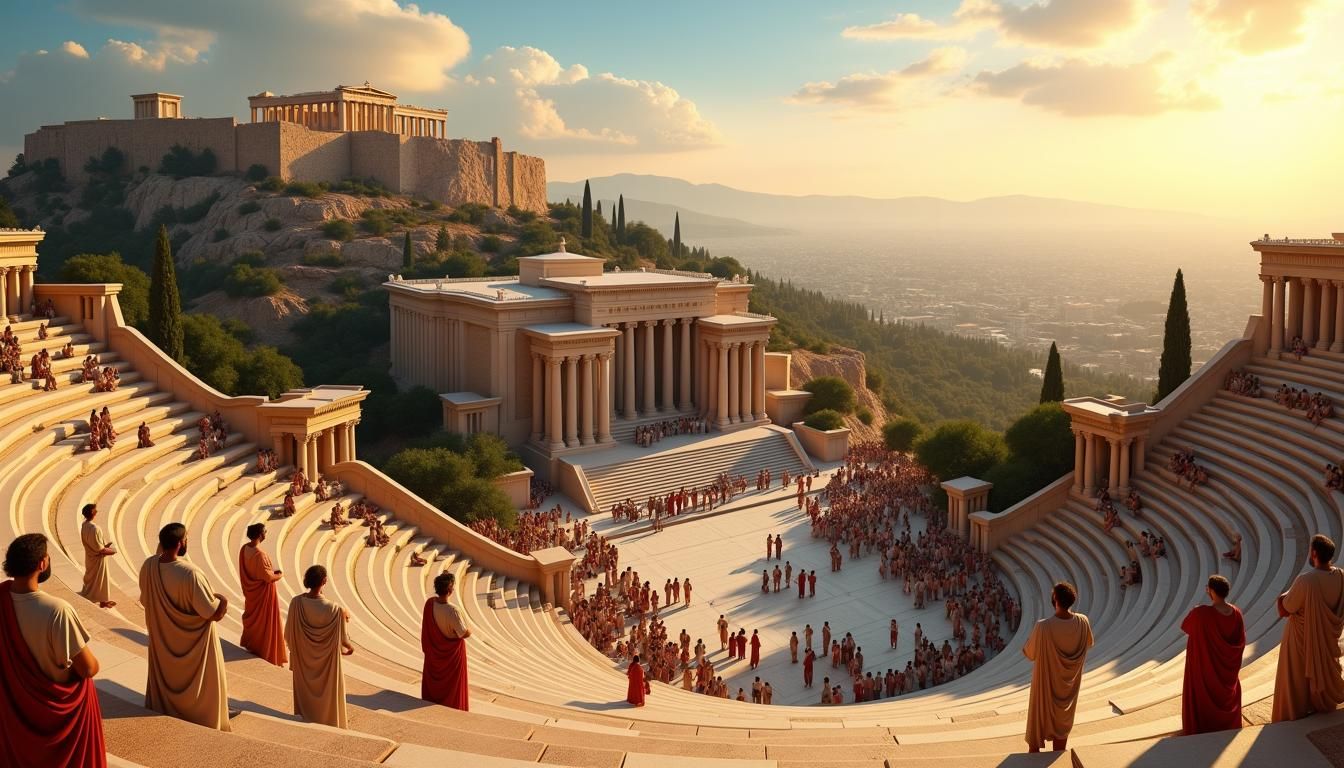
Ancient Greece (8th–2nd century BCE) laid Western civilisation’s foundations through philosophy and theatre. Athens’ Classical era fostered Socrates’ dialectic inquiry, Plato’s idealism, and Aristotle’s empiricism, shifting from myth to reason. Greek theatre blended civic ritual with tragic and comic storytelling, influencing modern drama. Their legacy persists in democratic discourse, ethical debate, and narrative structures, despite…
-
The conversation explores time travel’s transition from myth to theoretical physics, rooted in Einstein’s relativity, which reimagined time as flexible. Mathematical models like wormholes, cosmic strings, and closed timelike curves suggest potential mechanisms, though paradoxes and practical hurdles persist. Debates over causality, quantum interpretations, and ethical implications highlight unresolved challenges. While tangible time machines remain…

-
Ancient Greek theatre, rooted in 6th-century BCE Dionysian rituals, became a civic-religious pillar in Athens. Playwrights like Aeschylus and Aristophanes wove tragedies and comedies exploring human flaws, justice, and politics, performed in hillside amphitheatres. Innovations in structure, masks, and chorus shaped Western drama. Despite societal contradictions, its legacy endures in modern narratives and civic discourse.

-
Alien Quest: Bridging Ancient Curiosity and Cosmic Silence
6–8 minutes·
·
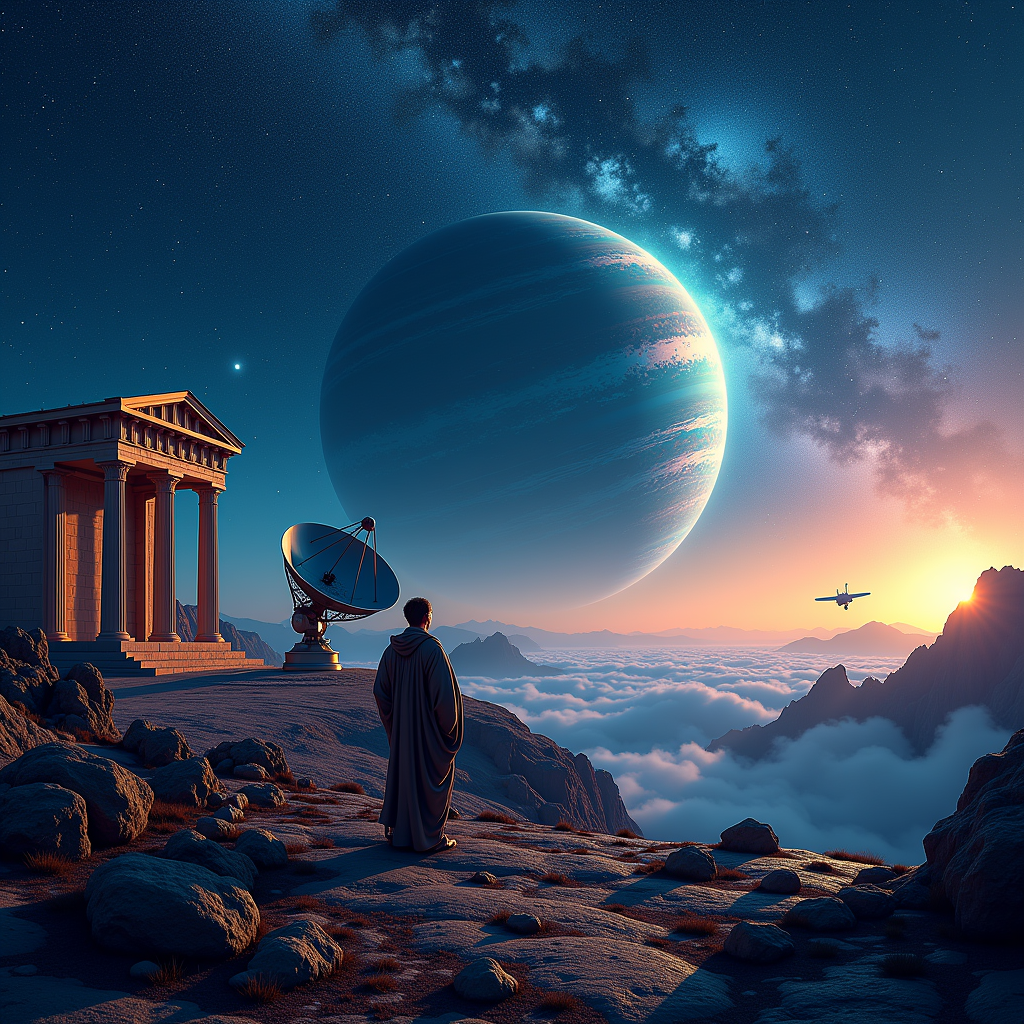
For millennia, humanity has pondered extraterrestrial life. From ancient philosophers to modern science, the search evolved into rigorous endeavours using radio telescopes, exoplanet analysis and biosignature detection. Discoveries of extremophiles and habitable exoplanets fuel optimism, yet the Fermi paradox questions cosmic silence. Ethical debates and technological advances continue this quest, reshaping our cosmic perspective and…
-
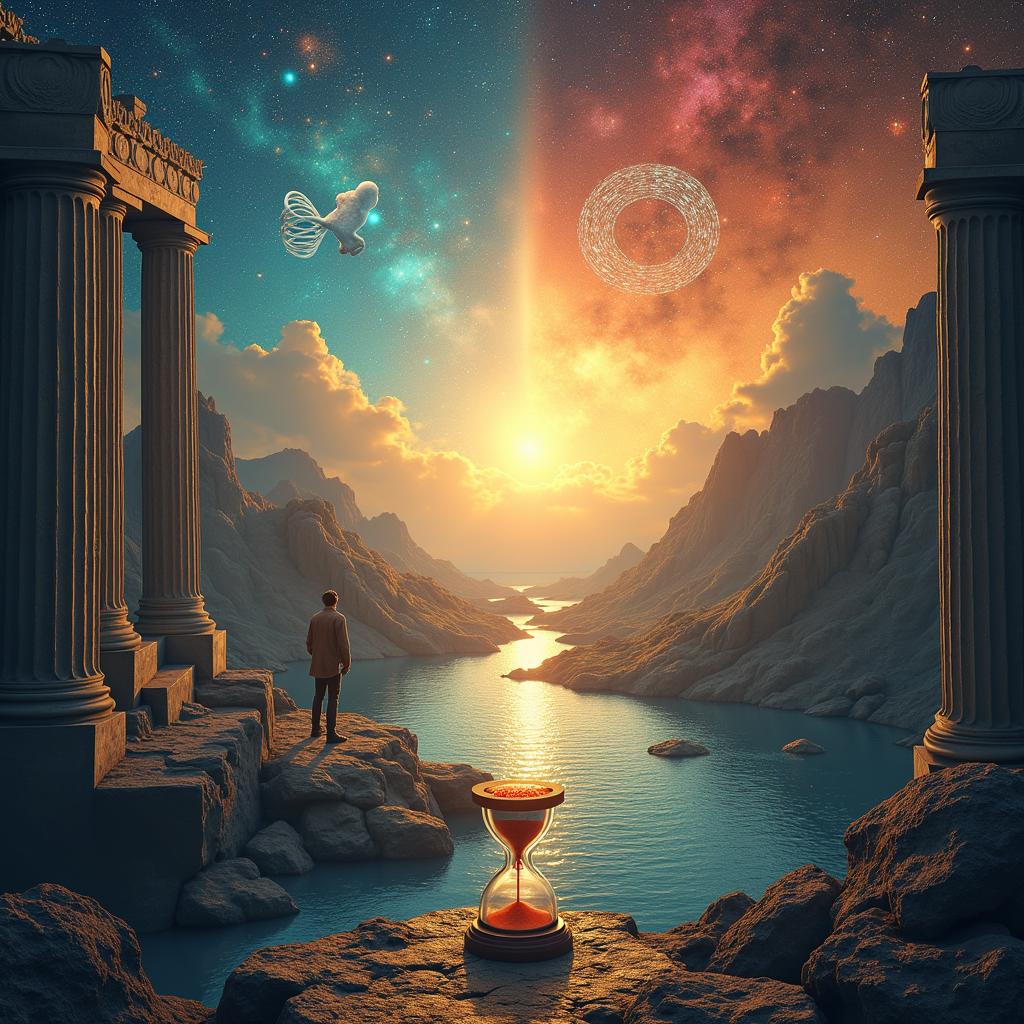
Philosophy explores human nature through history, from Socrates’ rational inquiry to Sartre’s existentialism. Debates span essentialism (Plato, Aristotle) versus existential freedom, reason versus experience (Descartes, Locke), and societal roles (Stoics, Hobbes). Modern issues like AI, genetics, and ethics highlight philosophy’s ongoing relevance in understanding identity, morality, and humanity’s evolving challenges.
-
Ancient Chinese mythology, rooted in Shang Dynasty oracle bones, blends diverse regional tales and philosophies like Confucianism and Daoism. Myths of Pangu’s cosmic creation, Nüwa’s sky-mending, and Sun Wukong’s rebellion embody moral and natural lessons. Evolving through oral traditions, they shaped cultural identity, imperial legitimacy, and persist in festivals and modern media, reflecting collective harmony.

-
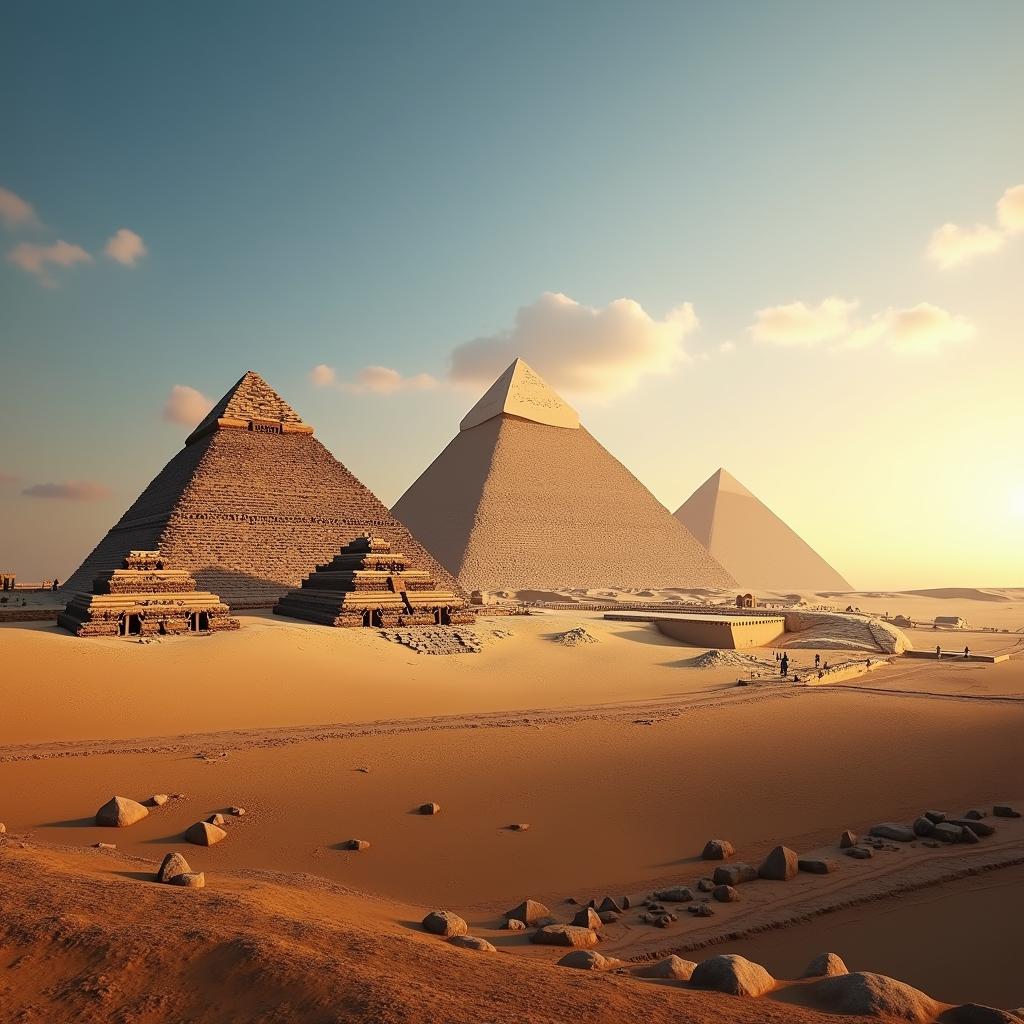
Ancient Egyptian architecture is a testament to the civilisation’s ingenuity, with iconic structures like the Pyramids of Giza and the Temple Complex at Karnak showcasing their grandeur and beauty, inspiring wonder and awe in people today, with a unique blend of technology and culture.
-
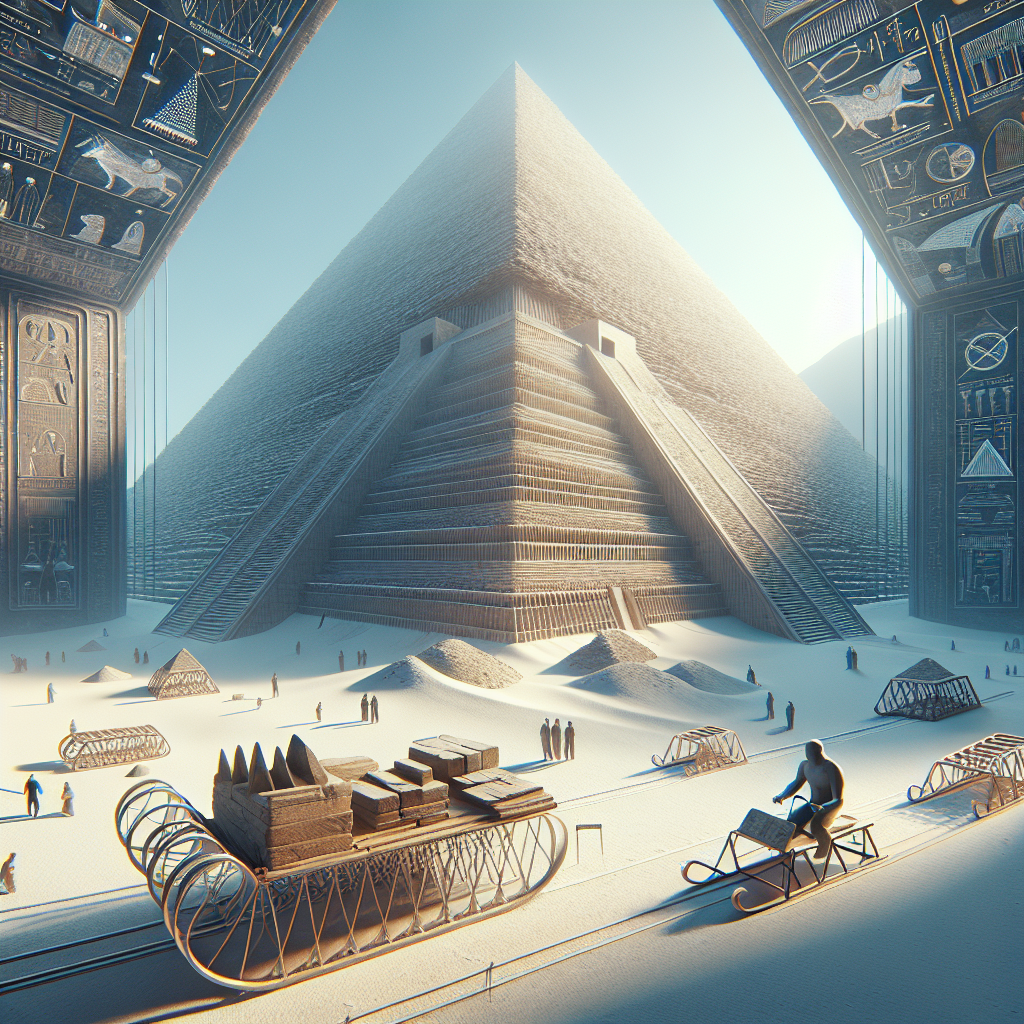
The article explores the construction of pyramids, particularly in Egypt, discussing historical and modern theories, including internal ramps and sledges for transporting stone. It notes the socio-cultural significance of pyramids beyond tombs and highlights the challenge historians face in fully understanding their construction, which remains a captivating enigma.
-
Deepfake Dilemma?: Technology, Ethics, and Society’s Future
3–5 minutes·
·
This conversation explores the evolution and implications of Deepfake technology, which combines deep learning with synthetic media. It discusses its societal impacts, including misinformation and ethical dilemmas surrounding consent. The adoption of Generative Adversarial Networks is highlighted, alongside the need for legislation and public awareness to manage its consequences.

-
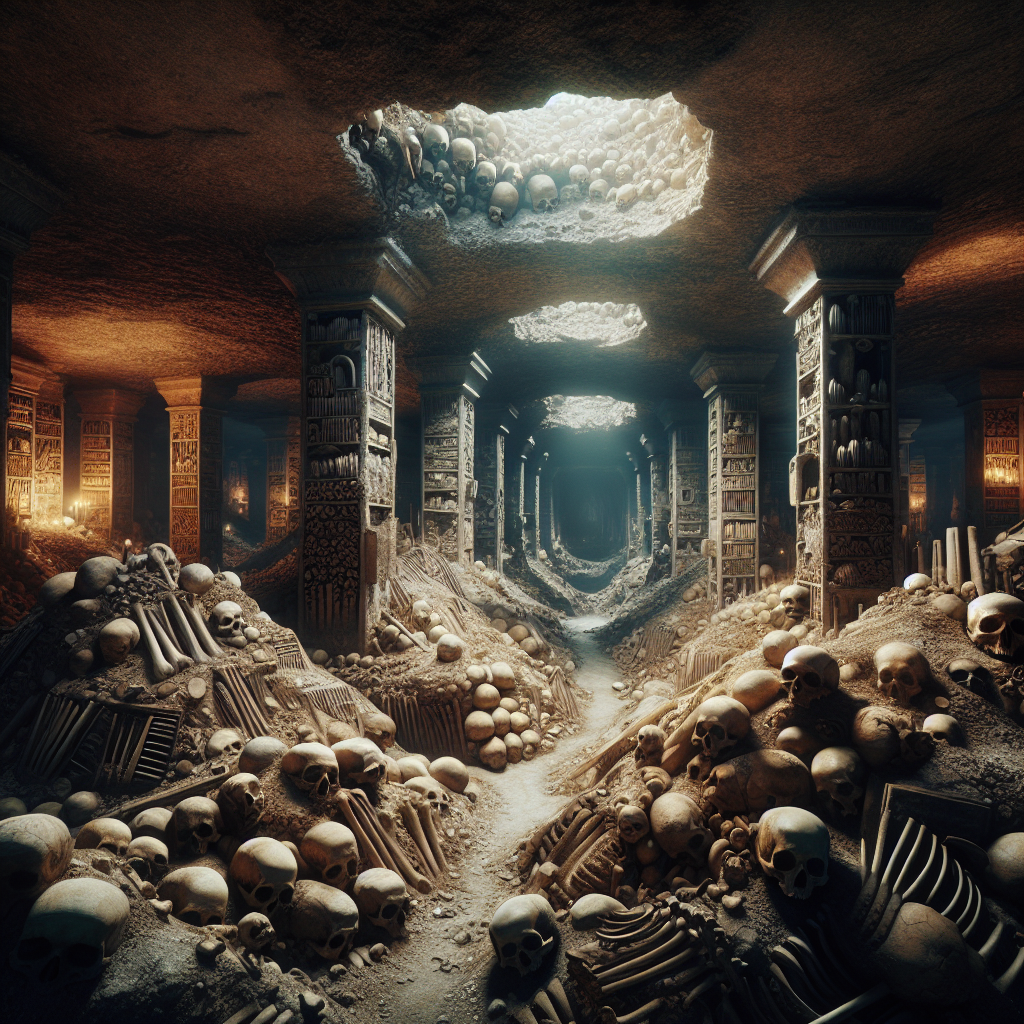
The Paris Catacombs, an extensive underground ossuary, house the remains of over six million people. Originating in the 18th century to address overflowing cemeteries, they reflect urbanization’s impact on mortality perceptions. The catacombs inspire cultural exploration and debates on exploitation, remaining a key element of Parisian history and identity.
-
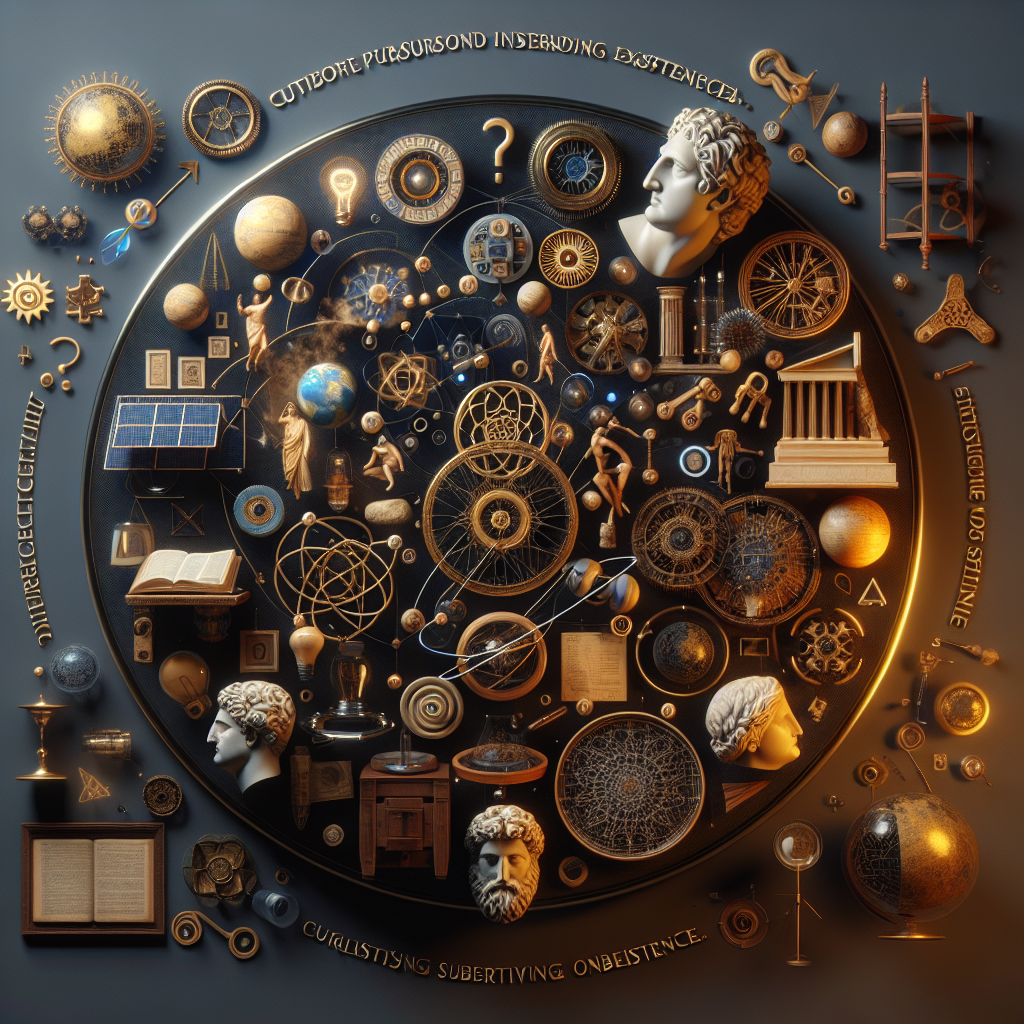
The conversation explores the intertwined relationship between art and science, tracing their historical connections from ancient Greece through the Renaissance to modern developments. Both disciplines share a curiosity-driven pursuit of understanding existence, often utilizing each other’s methods. The article contemplates their future convergence and challenges the dichotomy between subjectivity and objectivity.
-
The conversation explores the mystery of crop circles, pondering their origins as either human creations, natural phenomena, or extraterrestrial messages. It discusses historical accounts, scientific theories, and cultural impacts, highlighting debates between skeptics and believers while emphasizing the allure of these intricate formations and their potential connections to broader cosmic questions.

-
The Voynich Manuscript, discovered in 1912, is an enigmatic 15th-century text filled with indecipherable language and strange illustrations. Despite numerous attempts by experts to decode it, its origins and authorship remain unknown. This enduring mystery invites ongoing academic exploration into history, linguistics, and cryptology.

-
Mathematics is a discipline rich in patterns with profound applications in nature and technology. Fractals, the Golden Ratio, and algorithms illustrate its beauty and functionality. Mathematics underlies music’s structure and technology’s complexity. Its patterns reveal order in apparent chaos, inspiring figures from Bertrand Russell to Albert Einstein with their integration in reality.

-
The conversation highlights the importance of diverse literature in promoting inclusivity and empathy, giving voice to underrepresented communities, and enriching the literary canon. Quotes from authors like Malorie Blackman and Chimamanda Ngozi Adichie emphasize how diverse stories change perspectives and challenge stereotypes. Publishers, educators, and readers play crucial roles in supporting such literature.

-
Storytelling is a vital communication skill that transcends cultural barriers, creating connections and conveying complex ideas through relatable narratives. It enhances persuasion and organizational cohesion, aligning teams with shared goals. In a digital age with short attention spans, authentic storytelling cuts through the noise, inspiring action and fostering trust.
-
The fashion industry is shifting towards sustainability due to its environmental impact. Emphasis on sustainable materials, ethical manufacturing, and conscious consumerism drives this change. Innovations in technology aid eco-friendly practices. Stakeholders aim for a collective effort in redefining fashion as environmentally responsible, aiming for broader industry influence. Challenges persist.
-
Art serves as a catalyst for social change, reflecting society’s status and guiding transformation by engaging emotions and fostering dialogue. Artists like Swoon and Antony Gormley illustrate art’s role in protest and unification. Education emphasizes art’s importance in nurturing critical thinkers, with figures like Ken Robinson advocating its essential role in creating a just future.


