Category: Personal Development
-
The Architecture of Illusion
8–12 minutes·
·
How do authors and ‘gurus’ manipulate us into believing the impossible? From the Galileo Gambit to the weaponisation of scientific jargon like ‘neuroplasticity’, discover the subtle architecture of illusion. Learn how to protect yourself from the cruel cost of false hope and why you must take absolutely nothing at face value.

-
The conversation explores human endurance, encompassing physical and mental limits. It discusses historical contexts, survival challenges, and modern implications in sports, extreme conditions, and mental resilience. Insights from recent research highlight physiological barriers and the intertwining of body and spirit, emphasizing the potential for understanding and overcoming these limits.

-
Bridging Realms: The Mind-Body Connection from Past to Present
4–5 minutes·
·
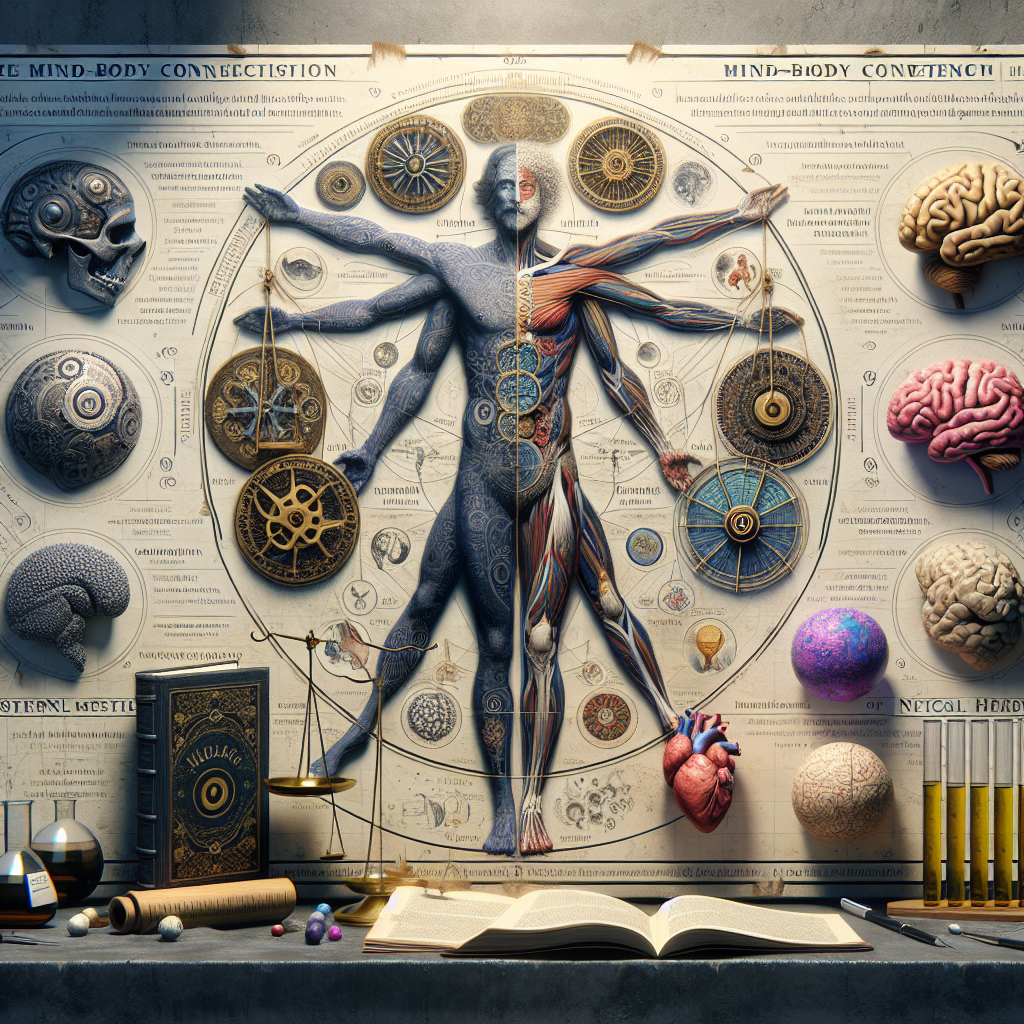
This conversation explores the mind-body connection, tracing its historical roots from Paracelsus to modern sciences like psychoneuroimmunology and neuropsychology. It contrasts Western mechanistic views with Eastern holistic philosophies, highlights research on stress and health, and questions the implications of this connection for personal wellbeing and healthcare approaches.
-
Compassion requires mindful kindness and empathy towards ourselves and others. Influential figures like Dr. James R. Doty emphasize its human significance. Self-compassion is foundational, as highlighted by Dr. Kristin Neff. Active listening and community practice foster compassion’s ripple effect, enriching connections and well-being. Developing compassion requires patience and perseverance.
-
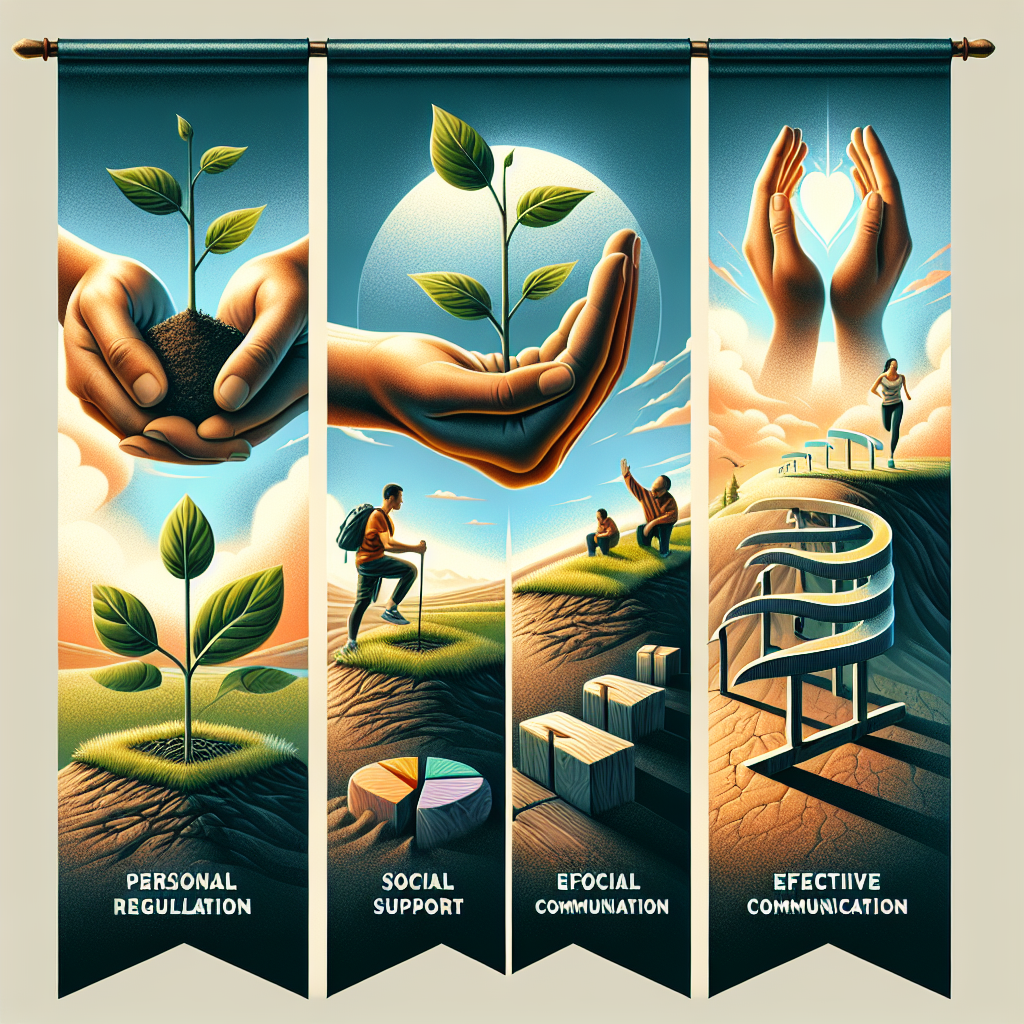
Resilience training equips individuals with skills to handle stress and adversity. It promotes a growth mindset, emotional regulation, social support, and effective communication. By setting achievable goals, individuals can overcome challenges. This training fosters personal and professional development, enhancing resilience in individuals and organizations, and contributes to creating more resilient communities.
-
The psychology of decision-making explores cognitive biases, emotions, social influences, and bounded rationality in shaping choices. Cognitive biases like ‘anchoring’ affect judgments; emotions influence decisions beyond logic. Social norms drive conformity, while bounded rationality outlines decision limits. Understanding these elements enhances decision-making, integrating insights from Kahneman, Damasio, Asch, Simon, and Gigerenzer.

-
Slow living is a lifestyle embracing mindfulness and balance amidst modern society’s fast pace. It encourages presence, simplicity, sustainability, and nurturing relationships by prioritizing intrinsic fulfillment over societal expectations. Advocates like Juliet B. Schor, Jon Kabat-Zinn, Vandana Shiva, Brené Brown, and Carl Honoré highlight its benefits on well-being, sustainability, and meaningful connections.

-
Acts of random kindness strengthen community bonds, offering hope and highlighting inherent human goodness. Such gestures initiate positive feedback loops, inspiring wider emulation. These actions enhance well-being and foster empathy, creating ripples of compassion. Community initiatives harness this spirit, promoting collective movements for positive change, countering negativity and transforming lives.

-
Emotional intelligence (EI) is crucial for a harmonious workplace. Training programs, open communication, and a supportive culture boost EI, fostering empathy and reducing conflict. Valuing EI in promotions enhances leadership and team cohesion. Leaders should exemplify EI, inspiring teams and promoting a respectful, collaborative environment, enhancing overall efficiency.

-
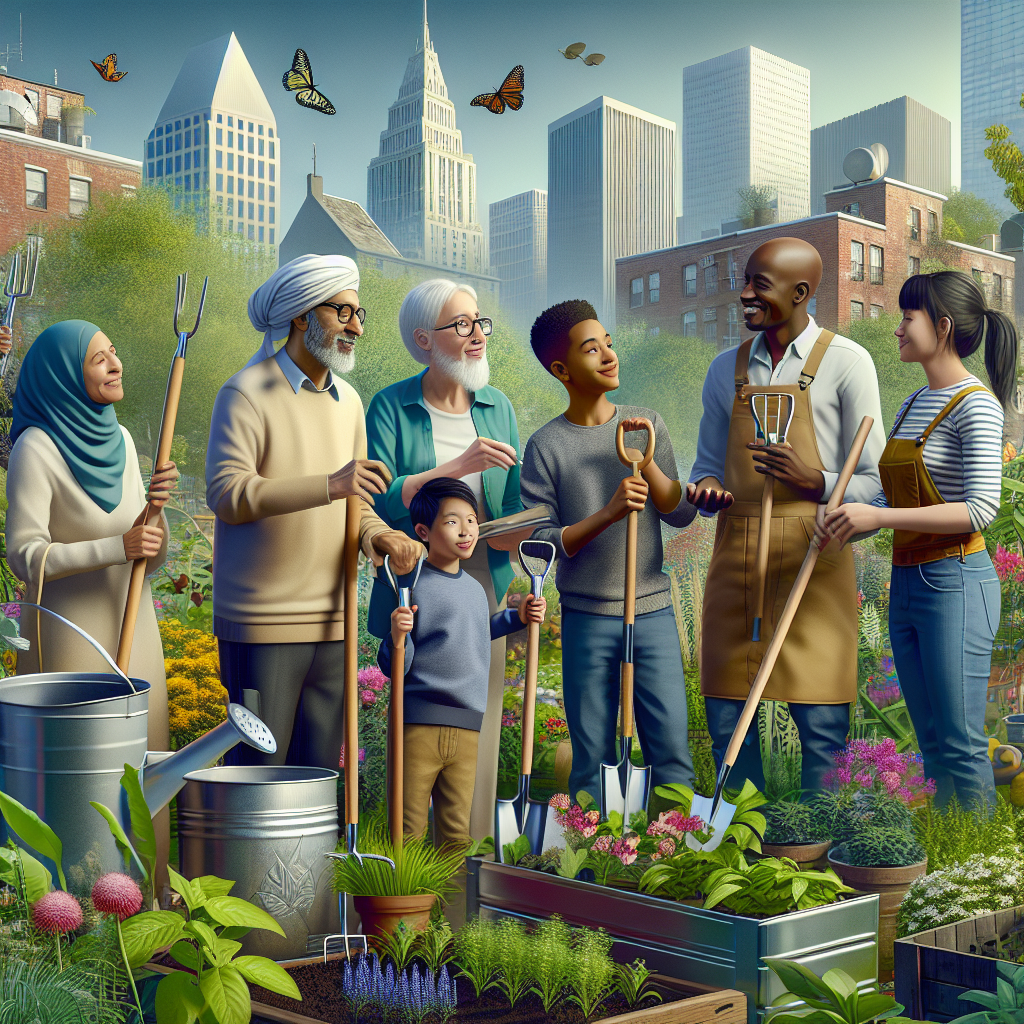
Urban gardening revitalizes city spaces and strengthens community ties by fostering social interaction and education. These gardens connect diverse people, teach sustainable practices, and enhance aesthetics and environmental health. They improve food security, offer economic opportunities, and support mental well-being, serving as peaceful refuges that improve residents’ quality of life.
-
Unveiling the Path to Lasting Happiness
2–4 minutes·
·
The psychology of happiness explores what contributes to people’s contentment and fulfillment. Key factors include the ‘set point’ theory, social connections, resilience, gratitude, and mindfulness. Genetics, social bonds, and mindset significantly impact well-being. By adopting positive behaviors and attitudes, individuals can enhance their happiness and lead a fulfilling life.

-
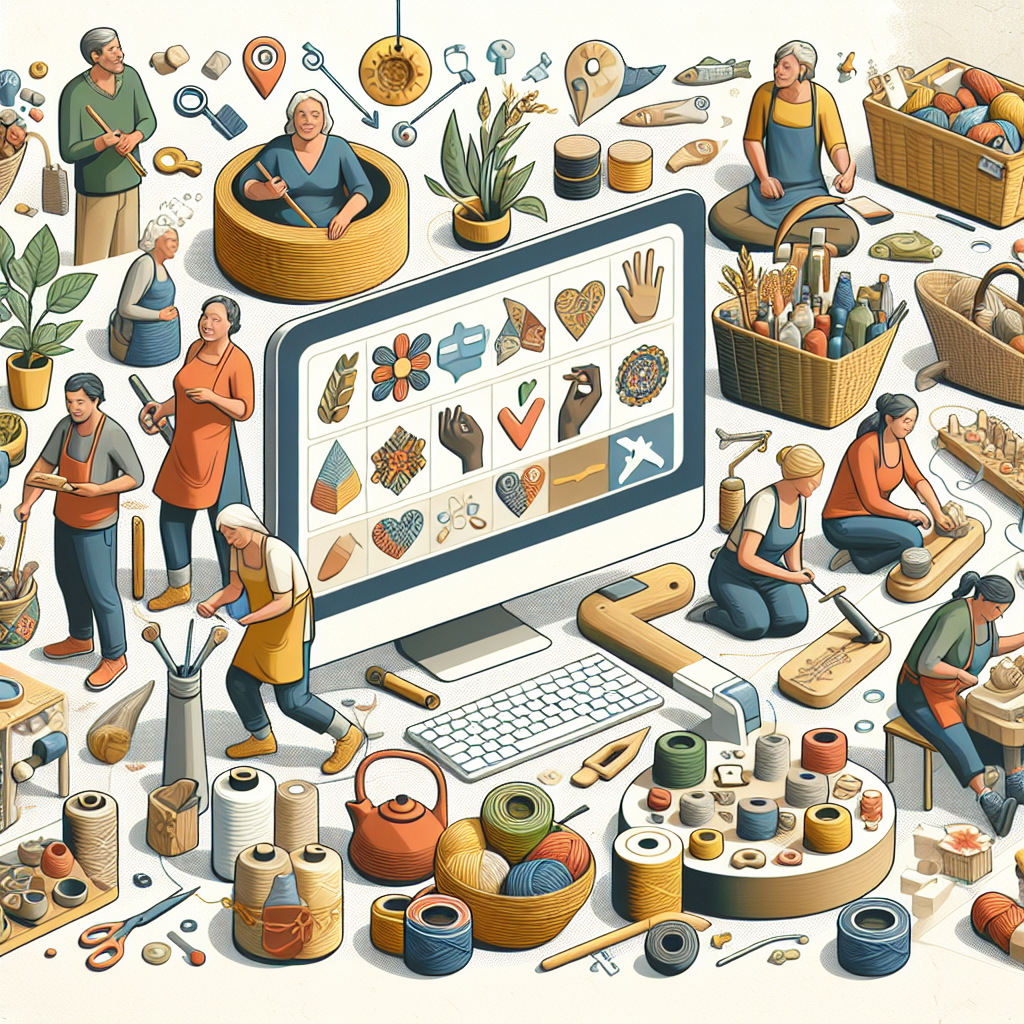
Traditional crafts are gaining popularity as people seek sustainable, ethical alternatives to mass-produced goods. The appeal lies in the personal connection and quality of handmade items. Digital marketplaces like Etsy, educational initiatives, and community workshops support this trend, fostering a cultural shift towards mindfulness, heritage, and environmentally conscious living.
-
Nurturing creativity in children is crucial for their development, promoting imagination, innovation, and problem-solving skills. Providing diverse opportunities, supportive environments, and varied experiences fosters this growth. Renowned figures like Ken Robinson, Maria Montessori, and Albert Einstein emphasize creativity’s equal importance to literacy, advocating play and encouragement to enhance children’s innate creative abilities.

-
Conflict resolution is crucial in personal and professional settings, involving understanding conflict roots, open communication, collaboration, goal-setting, and possibly third-party mediation. Stephen Covey and professionals emphasize comprehension and emotional acknowledgment. Adopting collaborative strategies, mediators can guide resolution, fostering environments of constructive dialogue, crucial for maintaining healthy, productive relationships.

-
Outdoor activities, such as hiking and cycling, offer numerous mental health benefits, enhancing overall well-being by reducing stress and improving mood through natural sunlight and soothing environments. These activities boost serotonin production, enhancing mood, creativity, cognitive function, and social connections. Achieving goals outdoors fosters self-esteem, offering a balanced, fulfilling life.

-
Resilience: The Art of Thriving Amidst Life’s Storms
2–3 minutes·
·
Resilience, a skill developed through effort, enables individuals to manage stress and overcome challenges. Key elements include fostering a positive mindset, building strong support networks, enhancing problem-solving abilities, and practicing self-care. These tools empower people to face adversity with courage, as highlighted by experts like Dr. Amit Sood and Carol Dweck.

-
Empowering women in STEM is crucial for gender equality and innovation. Historical barriers have led to underrepresentation, but role models, mentorship, and educational initiatives can inspire change. Workplace policies and evolving societal attitudes further support inclusion. Notable voices like Mae Jemison and Emma Watson emphasize the broad impact and necessity of action now.

-
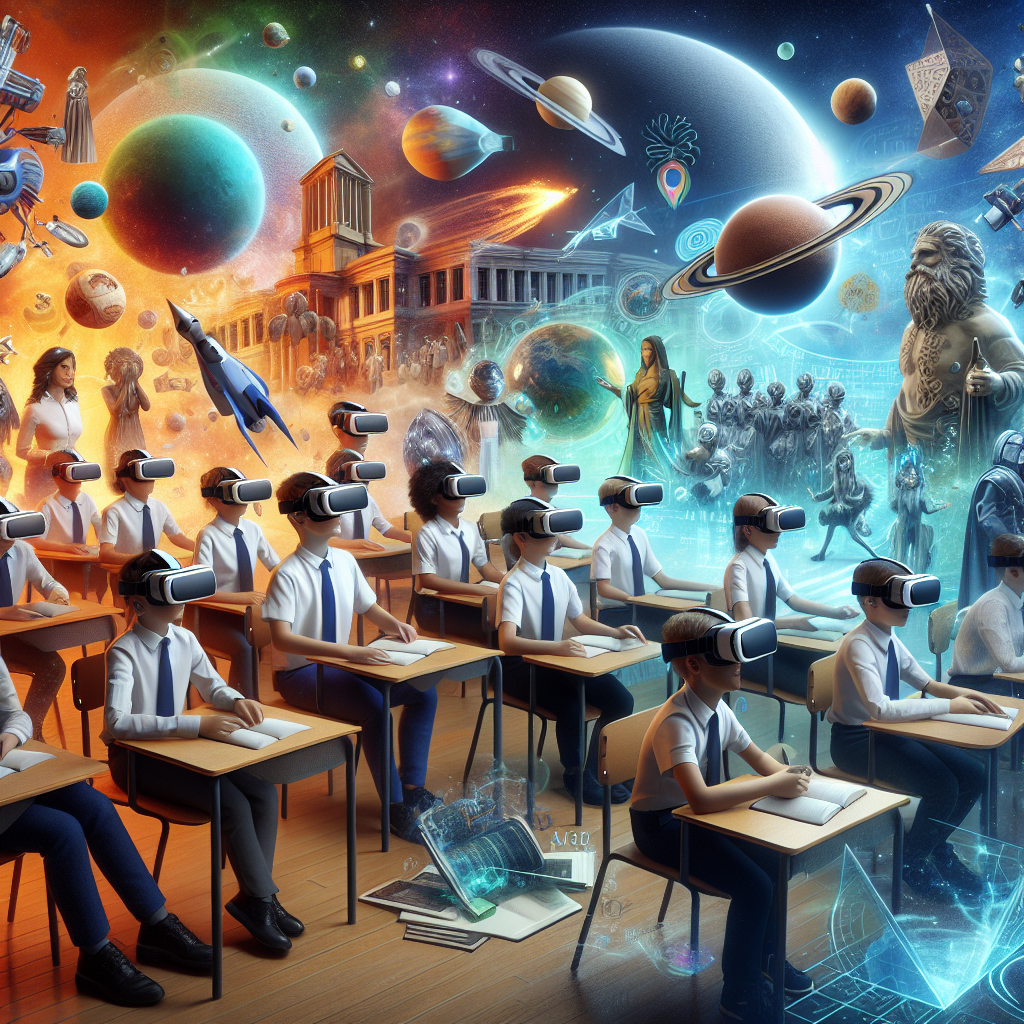
The conversation highlights the promise of virtual reality (VR) in education, offering immersive, interactive learning that transcends traditional methods. VR provides experiential learning, democratizes education, caters to various learning styles, and revolutionizes STEM teaching. Its integration requires strategic planning and collaboration to ensure equitable access and effective implementation.
-
Mindful listening is a valuable skill that enhances relationships by promoting understanding and empathy. It involves being fully present and attentive, setting aside distractions to truly connect with the speaker. Practicing this can lead to personal growth, improved communication, and better team dynamics, underscoring its importance in both personal and professional settings.

-
The conversation highlights unconventional problem-solving approaches such as design thinking, gamification, lateral thinking, and embracing failure. By deviating from traditional methods and fostering creativity, these strategies address complex challenges. Influential figures like Tim Brown, Jane McGonigal, Edward de Bono, and Sara Blakely emphasize empathy, motivation, creativity, and resilience in innovative solutions.
-
Disruptive Dynamics AI Reshaping the Future of Work
2–3 minutes·
·
AI’s integration reshapes job markets by automating tasks, risking displacement, but also creating new roles in AI development. It demands new skills, emphasizing critical thinking and creativity. Sector impacts vary, with ethical concerns around bias and inequality requiring guidelines. Navigating AI’s dual risks and opportunities is essential.

-
The importance of critical thinking and how to avoid cognitive biases, including strategies for identifying pseudoscience. It covers common cognitive biases like confirmation bias and overconfidence, emphasizes evidence-based decision-making, and provides practical steps for improving rational thinking in personal, professional, and academic contexts.

-
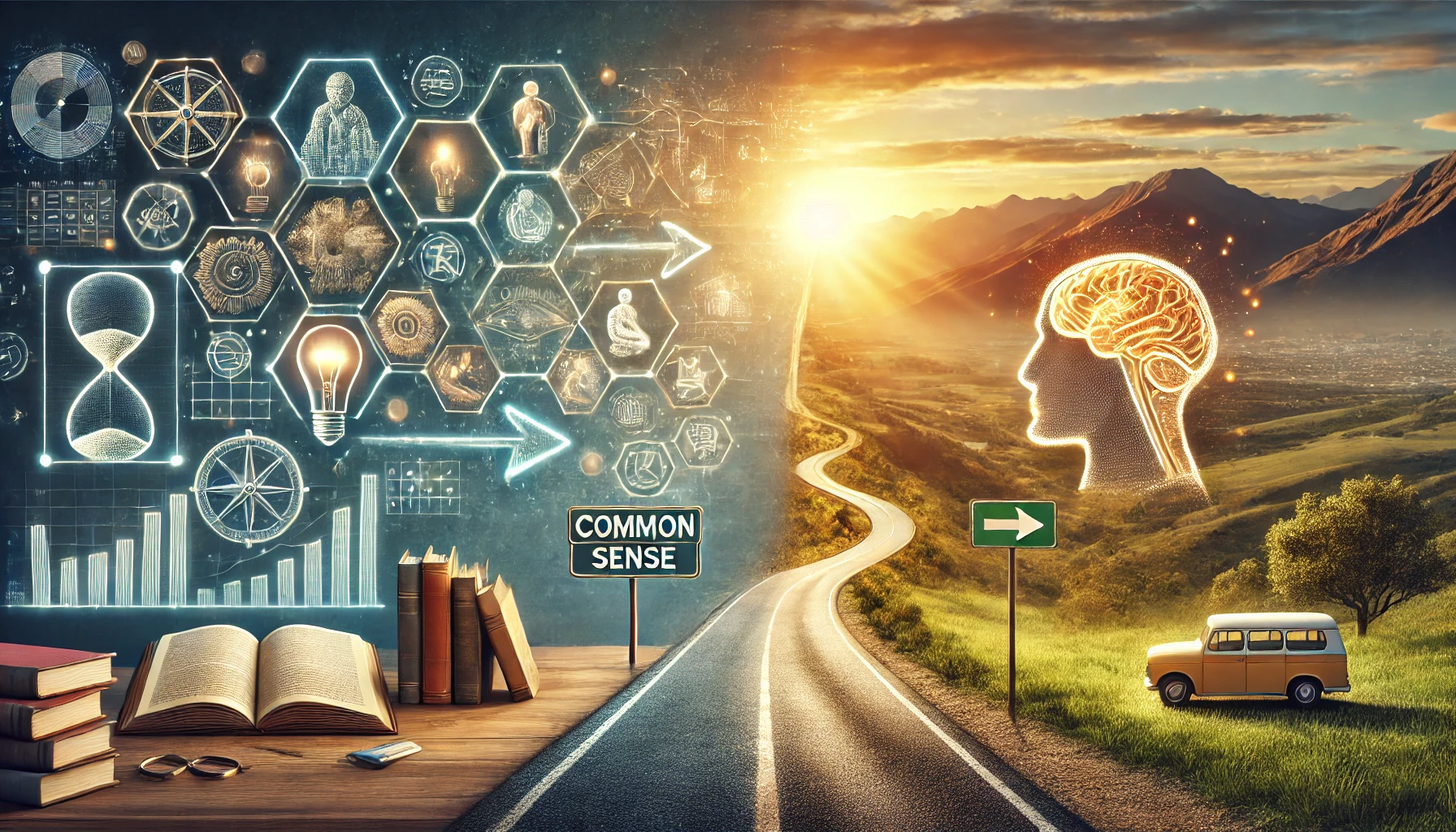
This conversation explores the difference between common sense and wisdom, highlighting how education, culture, and experience shape practical judgment. While common sense offers quick, everyday solutions, wisdom involves deeper reflection, ethical considerations, and long-term thinking. It delves into how wisdom complements and refines our natural instincts.
-
The idea that “if you stand still, you will always be overtaken” can be interpreted metaphorically, particularly in the context of personal growth, progress, or competition. It suggests that remaining stagnant or not moving forward in any aspect of life—be it professionally, personally, or intellectually—can cause others who are actively progressing to surpass you. In…


