Category: Mindfulness
-
Living with the challenges of MS can feel like a constant battle. This post explores how mindfulness is not about ignoring the struggle, but about finding the “glimmers of light” within it. Through practical tools like breath and humour, we can manage difficult moments and strengthen our connections.

-
Modern work overloads our minds, similar to IT systems. Micro-mindfulness, brief moments of focused attention integrated into daily routines, offers a pragmatic way to improve cognitive stability and efficiency. These “code optimisations” help manage stress and enhance focus, acting as mental system maintenance for better well-being.

-
Somatic awareness, listening to your body’s internal sensations, profoundly enhances mindfulness. It grounds you in the present, offers an early warning for stress, and deepens self-understanding and emotional processing. Techniques include body scans and mindful movement, leading to a more integrated, richer experience of life and improved well-being.

-
Non-judgmental observation, a core mindfulness skill with ancient roots, means noticing present thoughts, feelings, and sensations without labelling. Popularised by MBSR, it reduces stress and enhances self-awareness. Cultivate it through meditation or daily mindful moments, observing experiences with acceptance for greater calm, clarity, and well-being.

-
High-stress professions face chronic pressure impacting well-being and performance. Mindfulness offers a solution, building resilience, clarity, and calm. By focusing on the present moment non-judgementally, professionals can mitigate stress’s toll. Practices, both formal and informal, scientifically shown to improve brain function and reduce physical stress responses, enhance coping skills and job effectiveness.

-
Mindfulness, an ancient practice validated by science, aids focus in a distracting world. It significantly enhances the developing teenage brain, improving attention, emotional regulation, and cognitive abilities via neuroplasticity. While not a panacea, evidence supports its potential for navigating challenges and building lifelong mental well-being and cognitive strength.

-
A lighthearted alternative to Dr Seuss’, “Oh, the places you’ll go” with respect to someone like me who is really struggling with MS symptoms at the moment.

-
Mindfulness practice enhances emotional intelligence by training non-judgmental attention. It directly boosts self-awareness and self-regulation, fosters empathy, and aids motivation and social skills. This provides tools for better emotional management, stronger relationships, and increased resilience in navigating life’s complexities, supported by scientific evidence.

-
Mindfulness, rooted in Buddhist tradition and secularised by Kabat-Zinn’s MBSR, offers a way to navigate modern overwhelm. It’s defined as purposeful, present, non-judgemental attention. Practising mindfulness can alter brain structure, reducing stress and enhancing self-awareness, emotional regulation, focus, and empathy. It fosters resilience and conscious living, though requiring consistent effort, not a quick solution.

-
Mindfulness, rooted in ancient Buddhist traditions, offers teenagers a science-backed tool to manage stress and enhance mental clarity. Popularised by Jon Kabat-Zinn’s MBSR programme, it improves focus, emotional regulation, and brain structure. Despite benefits, critics warn against oversimplification and inequitable access. Mindfulness is a practice requiring dedication, not a quick fix, aiding resilience amid life’s…

-
Mindfulness, rooted in ancient Buddhist meditation, has become a mainstream practice for enhancing mental and physical health. Research shows it reduces stress by lowering cortisol, boosts immunity, alleviates chronic pain, and improves cardiovascular health. While critics warn against oversimplification, studies demonstrate its benefits, particularly for teens managing academic and social pressures through present-moment focus.

-
Mindfulness, an ancient concept, has gained significant attention for its profound effects on emotional wellbeing, with scientific evidence supporting its benefits in reducing anxiety and depression, and improving mood and emotional regulation, through increased awareness and non-judgemental attitude.

-
Mindfulness, an ancient concept, has gained significant attention for its profound effects on cognitive function, emotional regulation, and academic performance, with potential to revolutionise the way we think, learn, and interact with the world around us, promoting greater awareness and compassion.

-
Lucid dreaming, a centuries-old concept, involves conscious recognition and control of dreams, with potential benefits including improved problem-solving skills and emotional regulation, but also drawbacks such as addiction and increased stress.

-
Mindfulness meditation reduces chronic pain by decreasing emotional reactivity and increasing pain tolerance, offering a non-invasive approach to pain relief with significant scientific benefits.

-
The conversation discusses the significance of Mindfulness-Based Cognitive Therapy (MBCT), highlighting its roots in Buddhism and integration with cognitive therapy to treat mental health disorders, particularly depression. It outlines the therapy’s structure, effectiveness in preventing relapse, challenges, and the need for ongoing research and therapist training.

-
Bridging Realms: The Mind-Body Connection from Past to Present
4–5 minutes·
·
This conversation explores the mind-body connection, tracing its historical roots from Paracelsus to modern sciences like psychoneuroimmunology and neuropsychology. It contrasts Western mechanistic views with Eastern holistic philosophies, highlights research on stress and health, and questions the implications of this connection for personal wellbeing and healthcare approaches.

-
The conversation explores the allure and science of meditation, tracing its roots from Buddhism to modern cognitive science. It discusses neuroimaging findings, mindfulness benefits, and emotional regulation. The potential for neuroplasticity and future research in cognitive science and meditation highlights the complexity and significance of understanding mental tranquility.

-
Mindful journaling merges mindfulness and journaling, enhancing self-awareness and emotional insight. It aids emotional regulation, reduces stress, and supports personal growth. Through regular reflection, individuals articulate anxieties and set goals, improving mental health. The practice is accessible, requiring minimal time for significant benefits, fostering tranquility and personal insight.

-
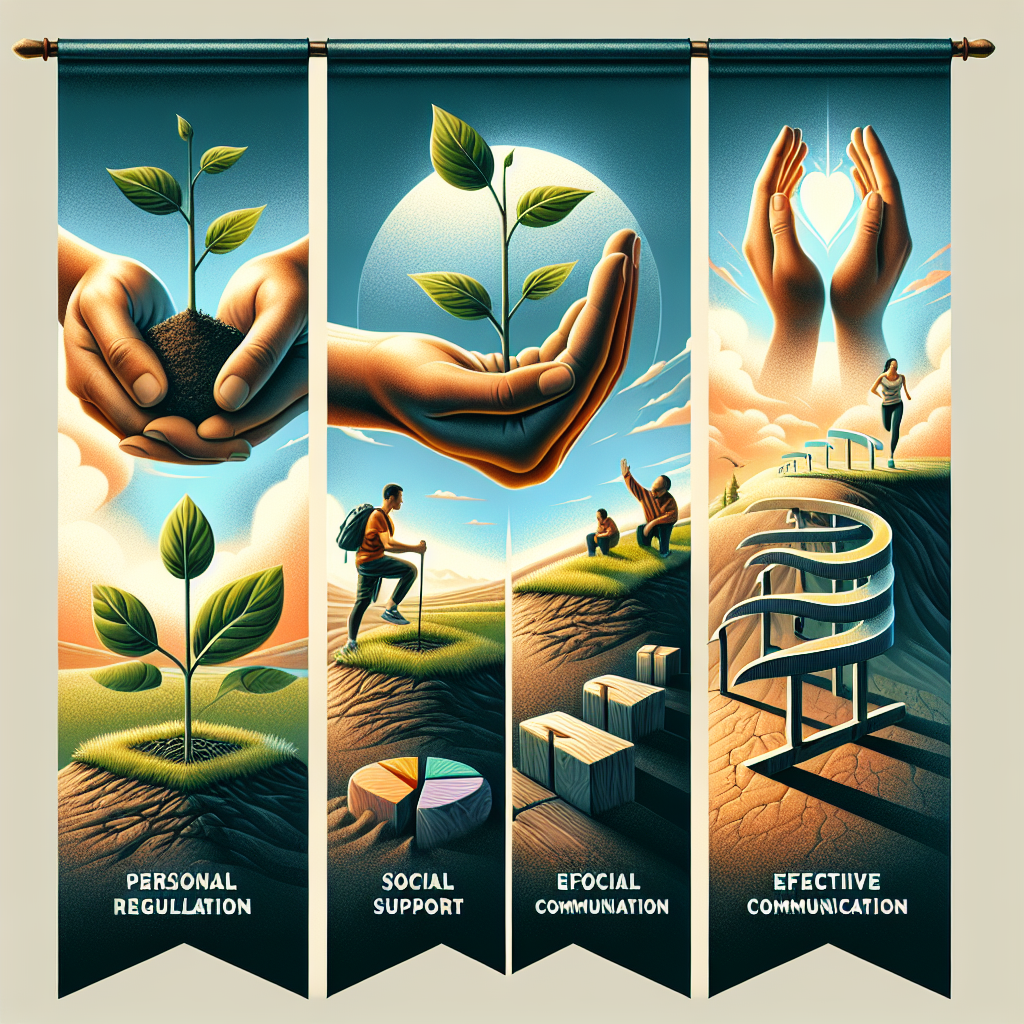
Resilience training equips individuals with skills to handle stress and adversity. It promotes a growth mindset, emotional regulation, social support, and effective communication. By setting achievable goals, individuals can overcome challenges. This training fosters personal and professional development, enhancing resilience in individuals and organizations, and contributes to creating more resilient communities.
-
Slow living is a lifestyle embracing mindfulness and balance amidst modern society’s fast pace. It encourages presence, simplicity, sustainability, and nurturing relationships by prioritizing intrinsic fulfillment over societal expectations. Advocates like Juliet B. Schor, Jon Kabat-Zinn, Vandana Shiva, Brené Brown, and Carl Honoré highlight its benefits on well-being, sustainability, and meaningful connections.

-
Urban gardening revitalizes city spaces and strengthens community ties by fostering social interaction and education. These gardens connect diverse people, teach sustainable practices, and enhance aesthetics and environmental health. They improve food security, offer economic opportunities, and support mental well-being, serving as peaceful refuges that improve residents’ quality of life.

-
Unveiling the Path to Lasting Happiness
2–4 minutes·
·
The psychology of happiness explores what contributes to people’s contentment and fulfillment. Key factors include the ‘set point’ theory, social connections, resilience, gratitude, and mindfulness. Genetics, social bonds, and mindset significantly impact well-being. By adopting positive behaviors and attitudes, individuals can enhance their happiness and lead a fulfilling life.


