Category: Religion and Beliefs
-
Ancient civilisations spark fascination and conspiracy theories, including claims of extraterrestrial intervention and secret societies, despite lacking evidence and being damaging to historical understanding and appreciation.

-
Lucid dreaming, a centuries-old concept, involves conscious recognition and control of dreams, with potential benefits including improved problem-solving skills and emotional regulation, but also drawbacks such as addiction and increased stress.

-
The search for extraterrestrial intelligence (SETI) has evolved significantly, from ancient civilizations to modern scientific research, with advancements in radio telescopes and exoplanet detection, despite challenges and controversies, driving human curiosity and exploration.

-
Debunking the Myth: the Truth Behind the 1969 Moon Landing
5–7 minutes·
·
The moon landing, achieved by NASA’s Apollo 11 mission in 1969, has sparked fascination and controversy, with conspiracy theories claiming it was staged or faked, but overwhelming evidence supports its occurrence.

-
Eastern philosophies such as Buddhism, Taoism, and Confucianism have significantly influenced Western thought and culture, transforming our understanding of life and reality. From Enlightenment thinkers to modern psychology, these teachings promote holistic well-being and interconnectedness, suggesting a potential future of greater integration between Eastern and Western ideas.

-
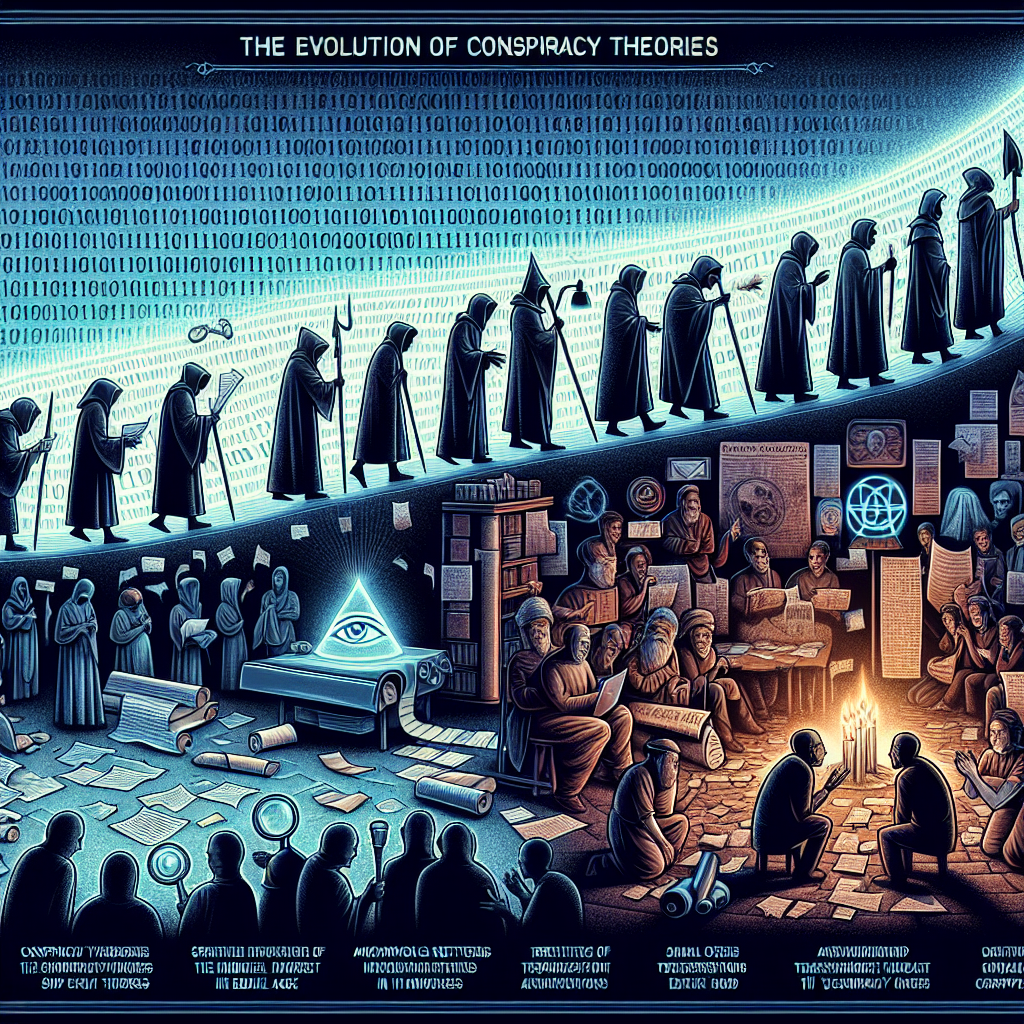
This conversation explores the evolution of conspiracy theories from ancient times to the digital age, highlighting their psychological and social motivations. It examines the impact of technology on their spread and the divide in academic perspectives. Ultimately, it questions whether these theories represent societal unease or harmful misinformation.
-
The dialogue explores astrobiology, the scientific search for extraterrestrial life. It discusses historical perspectives, methodologies, and future prospects, emphasizing key technological advancements like the Mars Rover and Kepler Telescope. The field blends multiple sciences, raising fundamental questions about our origin, existence in the universe, and the possibility of alien life.

-
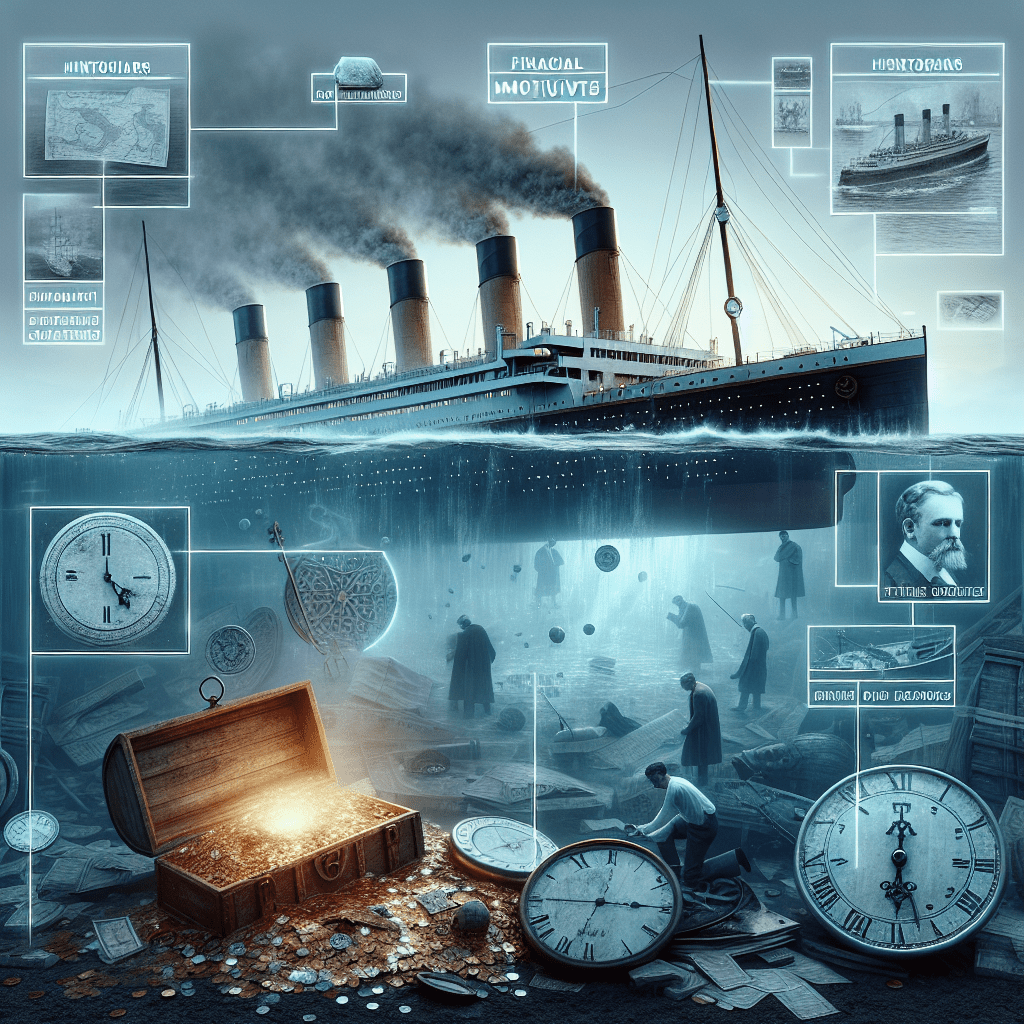
This conversation explores theories surrounding the Titanic’s sinking in 1912, suggesting it may have been intentional rather than accidental. It examines the ‘switch theory’ positing financial motives, despite criticism from historians. Ultimately, the discussion highlights the enduring intrigue and debate about historical narratives and alternative interpretations of events.
-
Bridging Realms: The Mind-Body Connection from Past to Present
4–5 minutes·
·
This conversation explores the mind-body connection, tracing its historical roots from Paracelsus to modern sciences like psychoneuroimmunology and neuropsychology. It contrasts Western mechanistic views with Eastern holistic philosophies, highlights research on stress and health, and questions the implications of this connection for personal wellbeing and healthcare approaches.

-
The conversation explores the mystery of crop circles, pondering their origins as either human creations, natural phenomena, or extraterrestrial messages. It discusses historical accounts, scientific theories, and cultural impacts, highlighting debates between skeptics and believers while emphasizing the allure of these intricate formations and their potential connections to broader cosmic questions.

-
The conversation explores Karl Popper’s paradox of tolerance, which warns against unlimited tolerance that may allow intolerance to flourish. It discusses its historical context, relevance in modern society, and implications for policy-making amid rising hate speech and radical ideologies, emphasizing the need for a balanced, nuanced approach to tolerance.

-
The Bermuda Triangle, an enigmatic region in the North Atlantic, has fascinated adventurers and scientists due to mysterious disappearances of ships and aircraft. Various theories, from extraterrestrial involvement to natural phenomena, attempt to explain these incidents. Its cultural impact embodies humanity’s enduring curiosity about the unknown and unexplained mysteries.

-
The conversation explores the allure and science of meditation, tracing its roots from Buddhism to modern cognitive science. It discusses neuroimaging findings, mindfulness benefits, and emotional regulation. The potential for neuroplasticity and future research in cognitive science and meditation highlights the complexity and significance of understanding mental tranquility.

-
The conversation explores the mystery of Area 51 and its connection to UFO sightings, highlighting its origins as a secret testing site. It discusses the historical context of UFO phenomena, notable claims like those from Bob Lazar, and the impact of these subjects on popular culture and scientific inquiry.

-
The article explores climate change’s controversial nature, highlighting overwhelming scientific evidence of global warming. It emphasizes the human role in accelerating this phenomenon and discusses significant risks, including health crises and social unrest. Despite skepticism, the scientific community urges action to mitigate climate change and foster environmental sustainability.



 Conversations with AI