Category: Religion and Beliefs
-
This text explores conspiracy theories about ancient advanced technologies and civilisations, including aliens, lost societies like Atlantis, and pyramid power plants. It examines the appeal of these ideas and the “evidence” cited, contrasting them with mainstream archaeological explanations. The article encourages critical thinking while acknowledging the human desire for mystery about the past.
-
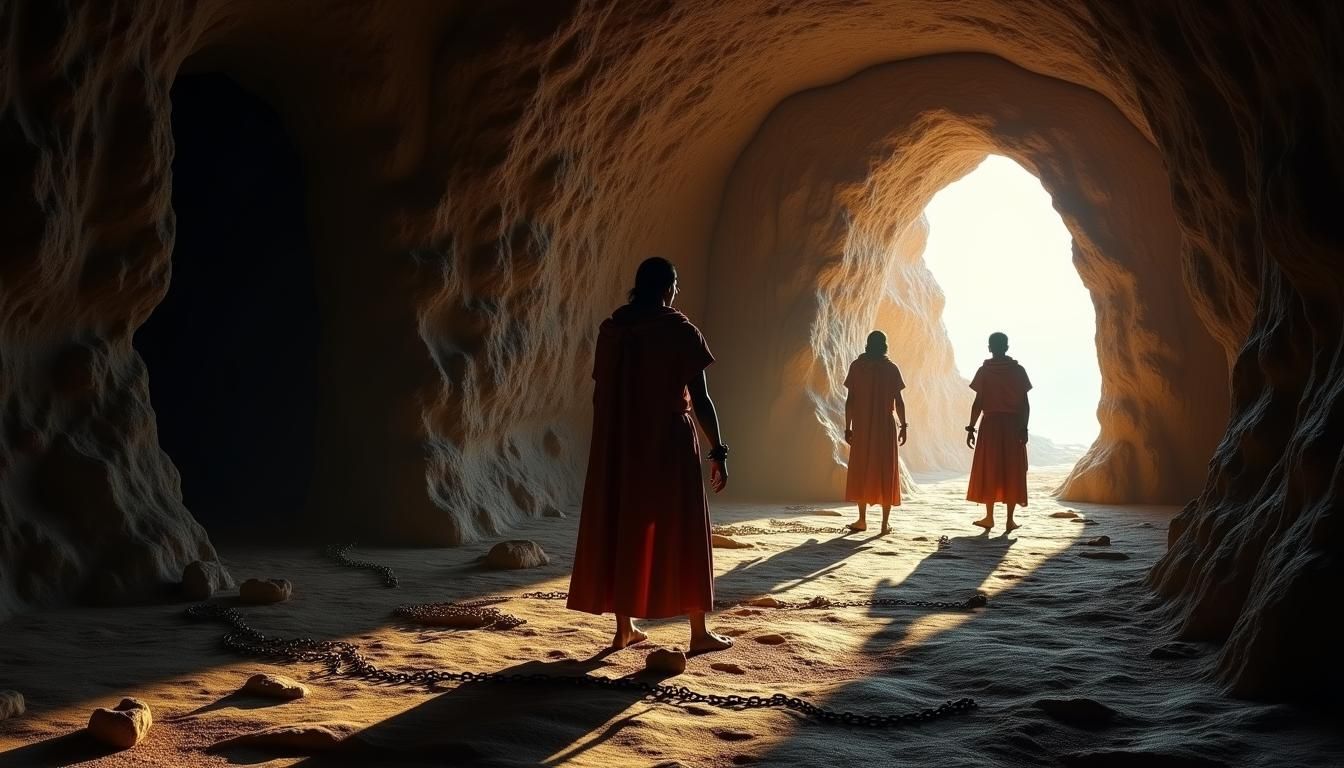
Plato’s Allegory of the Cave illustrates prisoners mistaking shadows for reality. This timeless tale explores the challenging path to true knowledge. It remains relevant, echoing in modern neuroscience, virtual reality, psychology, and science fiction, highlighting the ongoing human struggle to distinguish illusion from genuine reality and question perceived truths.
-
Atlantis, a captivating lost city, originates from Plato’s philosophical dialogues. Archaeology finds no evidence for a real Atlantis matching Plato’s description in the Atlantic around 9600 BCE. While the Minoan civilisation’s demise on Thera offers a possible inspiration, Atlantis remains a myth, its allure stemming from humanity’s fascination with lost paradises and ancient mysteries, continually…

-
Secret Space Programme (SSP) conspiracy theories propose hidden, advanced space programmes beyond official agencies, potentially involving alien technology and off-world bases. Originating from Cold War secrecy and UFO lore, proponents cite figures like Corso and Lazar, and events like Roswell. Despite lacking verifiable evidence, SSP theories persist due to distrust, fascination with the unknown, and…

-
Humanity has long questioned our cosmic solitude, prompting the search for extraterrestrial intelligence (SETI) and life (astrobiology). Using radio telescopes and exoplanet atmosphere analysis, scientists explore for alien signals or biosignatures. The Drake Equation and Fermi Paradox frame this quest, highlighting the implications of both discovery and continued silence for our understanding of life in…

-
not Aliens…
5–8 minutes·
·
The conversation explores ancient marvels like Egypt’s pyramids and the Antikythera Mechanism, which inspire theories of lost technologies or extraterrestrial influence. While mainstream scholarship attributes these feats to human ingenuity and labour, conspiracy narratives thrive on mystery and fragmented historical records. These theories reflect modern fascination with the unknown, blending scepticism, storytelling, and societal anxieties,…

-
Mesopotamia (3500–539 BCE), between the Tigris and Euphrates, pioneered governance systems still shaping modern states. Facing resource management challenges, its civilisations developed bureaucracy, legal codes (e.g., Hammurabi’s), tax systems, and cuneiform writing for administration. City-states, treaties, and early parliaments emerged, alongside hierarchical laws and organised labour. Their innovations in justice, record-keeping, and urban management influenced…

-
Ancient China’s philosophical legacy, born from Zhou Dynasty turmoil (1046–256 BCE), shaped ethics, governance and culture. Confucianism (ren, reciprocity), Daoism (harmony with Dao), Legalism (strict laws) and Mohism (universal love) offered competing visions. Suppressed or revived, these ideas endured, influencing East Asian education, science and policy. Their balance of humanism, naturalism and pragmatism remains globally…

-
In the digital age, pervasive tracking fuels government surveillance concerns, blending security and intrusion. Historical programmes like COINTELPRO and Snowden’s NSA leaks reveal mass monitoring, while facial recognition and tech partnerships amplify distrust. Conspiracy theories, driven by secrecy and pop culture, merge documented realities with myths. Experts debate privacy erosion versus safety, questioning transparency’s role…

-
Biophysics combines biology and physics to decode life’s molecular mechanisms, from protein folding to cellular processes. Emerging in the mid-20th century, it builds on historical breakthroughs like DNA’s structure and Hodgkin-Huxley’s nerve models. Applications include MRI, drug design, and synthetic biology, while controversies surround CRISPR and AI-driven research. Future challenges involve quantum biology and ethical…

-
Ancient Greek theatre, rooted in 6th-century BCE Dionysian rituals, became a civic-religious pillar in Athens. Playwrights like Aeschylus and Aristophanes wove tragedies and comedies exploring human flaws, justice, and politics, performed in hillside amphitheatres. Innovations in structure, masks, and chorus shaped Western drama. Despite societal contradictions, its legacy endures in modern narratives and civic discourse.

-
Philosophy underpins humanity’s understanding of ethics, from ancient Greek debates on virtue to Enlightenment theories of rights and modern dilemmas like AI. Thinkers like Socrates, Kant and Mill established frameworks for moral reasoning, emphasising critical inquiry over rigid rules. As evolving dialogue, philosophy addresses contemporary issues—climate change, human rights, technology—guiding ethical progress through reasoned debate.

-
Ancient Egyptian medicine blended science, spirituality, and practicality, pioneering surgical techniques, herbal remedies, and medical documentation (Ebers and Edwin Smith Papyri). Mummification advanced anatomical knowledge, while treatments merged empirical methods with incantations. Influencing Greek and Roman practices, their holistic approach—balancing physical and spiritual care—laid foundations for modern medicine, highlighting innovation and cross-cultural legacy in medical…

-
Ancient marvels like the pyramids and Stonehenge spark debate between mainstream archaeology, which credits human ingenuity and labour, and conspiracy theories proposing lost civilisations or extraterrestrial intervention. While such narratives reflect fascination with mystery and hidden truths, they risk overshadowing ancient societies’ achievements, highlighting tensions between sceptical inquiry and cultural appreciation of historical innovation.

-
Alien Quest: Bridging Ancient Curiosity and Cosmic Silence
6–8 minutes·
·
For millennia, humanity has pondered extraterrestrial life. From ancient philosophers to modern science, the search evolved into rigorous endeavours using radio telescopes, exoplanet analysis and biosignature detection. Discoveries of extremophiles and habitable exoplanets fuel optimism, yet the Fermi paradox questions cosmic silence. Ethical debates and technological advances continue this quest, reshaping our cosmic perspective and…

-
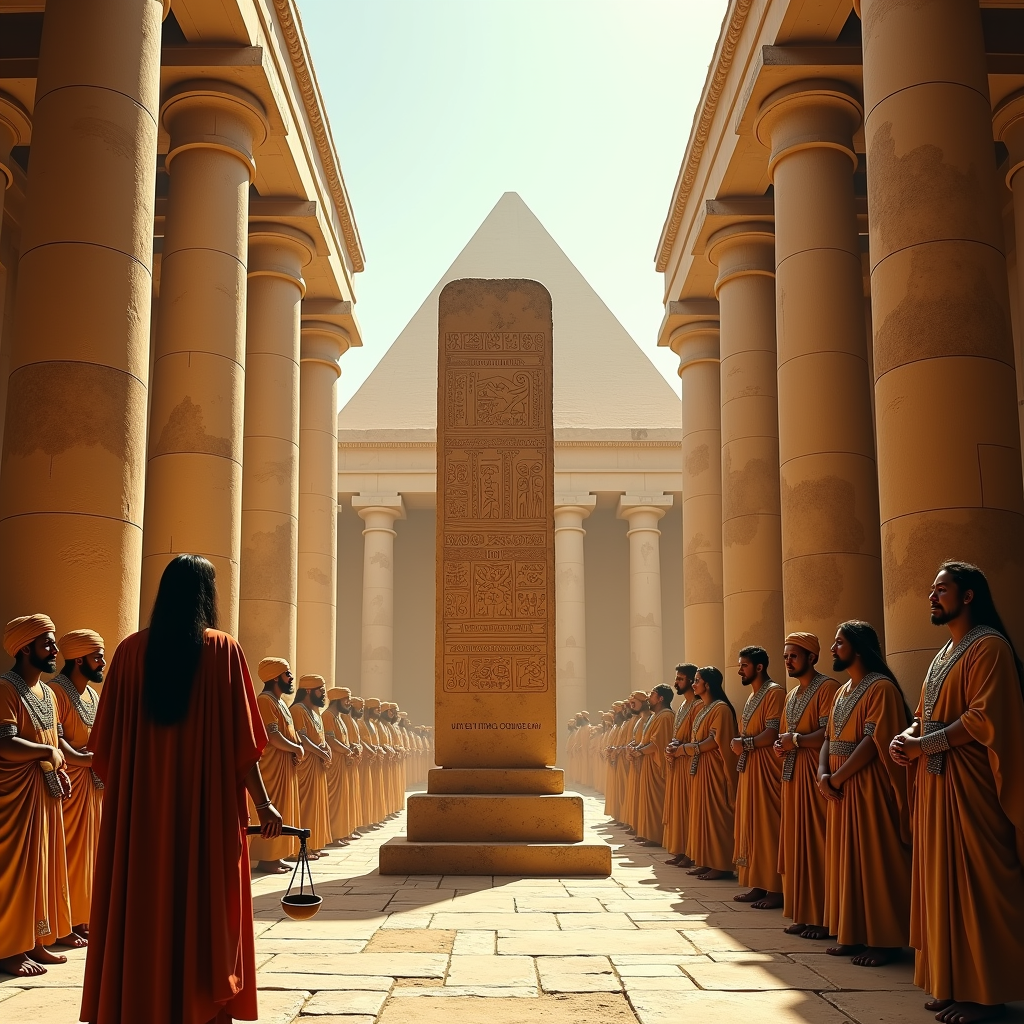
Mesopotamia, birthplace of codified law over 3,800 years ago, established written legal systems via codes like Ur-Nammu’s (fines) and Hammurabi’s (*lex talionis*). These laws standardised justice, reflected social hierarchies, yet granted women rights. Courts used evidence and testimony. Their legacy—transparency, proportionality, accountability—shaped Hebrew, Roman, and modern legal frameworks, embedding principles still foundational today.
-
Philosophy explores human nature through history, from Socrates’ rational inquiry to Sartre’s existentialism. Debates span essentialism (Plato, Aristotle) versus existential freedom, reason versus experience (Descartes, Locke), and societal roles (Stoics, Hobbes). Modern issues like AI, genetics, and ethics highlight philosophy’s ongoing relevance in understanding identity, morality, and humanity’s evolving challenges.

-
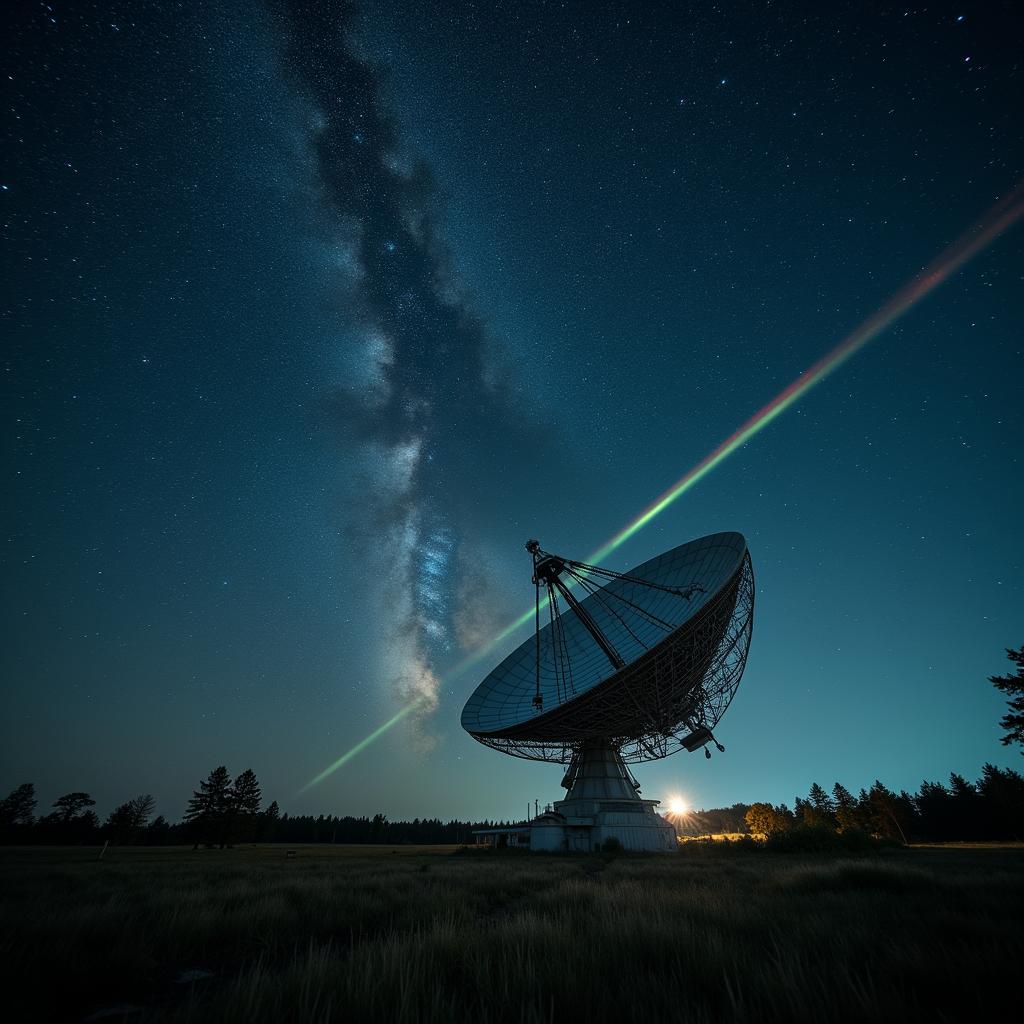
In 1977, astronomer Jerry Ehman detected a 72-second radio burst via Ohio’s Big Ear telescope. Dubbed the “Wow! Signal” for his annotated reaction, its intensity, narrow frequency (1420 MHz), and lack of re-detection sparked debate over extraterrestrial, natural, or human origins. Despite theories, its unresolved mystery fuels scientific and cultural fascination with cosmic life searches.
-
Ancient Chinese mythology, rooted in Shang Dynasty oracle bones, blends diverse regional tales and philosophies like Confucianism and Daoism. Myths of Pangu’s cosmic creation, Nüwa’s sky-mending, and Sun Wukong’s rebellion embody moral and natural lessons. Evolving through oral traditions, they shaped cultural identity, imperial legitimacy, and persist in festivals and modern media, reflecting collective harmony.

-
The exploration examines conspiracy theories about secret societies, tracing their historical roots from ancient groups like the Pythagorean Brotherhood and Knights Templar to modern theories involving the Illuminati, Freemasonry, the New World Order, and QAnon. These theories, often lacking evidence, influence societal beliefs and trust, highlighting the balance between critical thinking and evidence-based analysis.

-
Ancient Greek Mythology is a complex world of gods, goddesses, heroes, and monsters, influencing Western culture and continuing to inspire audiences with its rich stories and eternal struggle between fate and free will, shaping art, literature, and film for centuries, with profound significance.

-
Conspiracy theories are complex, multifaceted, and often based on misinformation, with significant cultural implications and potential dangers to society, requiring a critical perspective to verify evidence and combat speculation.

-
Mesopotamian mythology is a rich system, reflecting ancient Mesopotamia’s cultural institutions, with epic tales like Gilgamesh and mythological creatures, influencing Western culture and remaining significant today.

-
The Silk Road, an ancient network of trade routes, connected East and West, facilitating cultural exchange and shaping human history, with archaeological findings uncovering secrets of this fascinating topic, highlighting its importance and relevance to our understanding of the past.

-
Ancient civilisations spark fascination and conspiracy theories, including claims of extraterrestrial intervention and secret societies, despite lacking evidence and being damaging to historical understanding and appreciation.


