Category: Philosophy
-
Mindfulness, an ancient concept, has gained significant attention for its profound effects on cognitive function, emotional regulation, and academic performance, with potential to revolutionise the way we think, learn, and interact with the world around us, promoting greater awareness and compassion.

-
The origins of the universe are a complex and intriguing topic, with various theoretical models, including the Big Bang theory and multiverse hypothesis, attempting to explain its beginnings and evolution over 13.8 billion years.

-
Ancient Greek philosophers, including Socrates, Plato, and Aristotle, significantly influenced Western philosophy, shaping understanding of reality, knowledge, and ethics, with their ideas remaining essential reading today.

-
Philosophy and science have a complex, interconnected relationship, with philosophy influencing science throughout history, from ancient Greeks to modern times, shaping theories, methodologies, and understanding of the natural world.

-
The simulation hypothesis proposes our reality might be a simulation created by a more advanced civilisation, raising questions about consciousness, free will, and the nature of reality itself, with implications for philosophy, physics, and computer science.

-
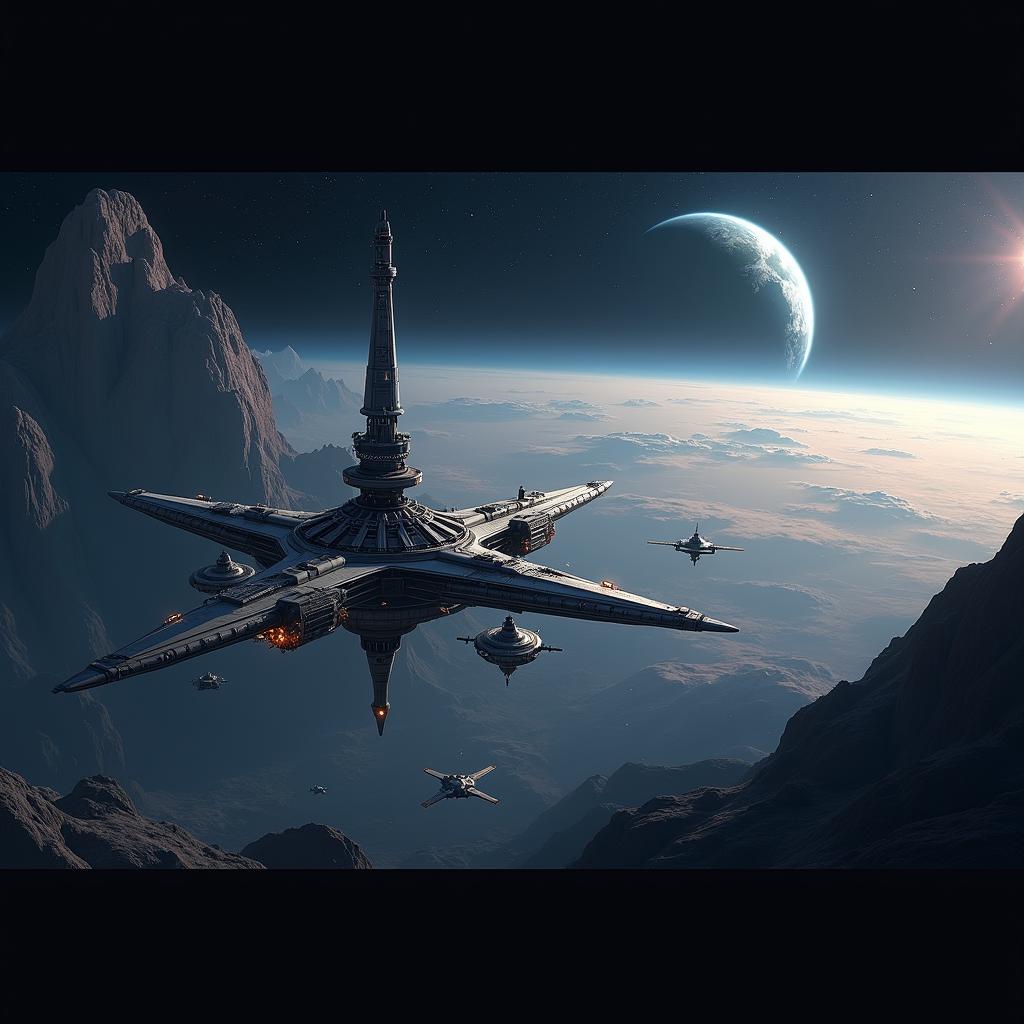
The ethics of space exploration and colonisation are complex, involving scientific, cultural, and societal considerations, and require a nuanced understanding of potential consequences and responsible actions to ensure humanity’s thrival.
-
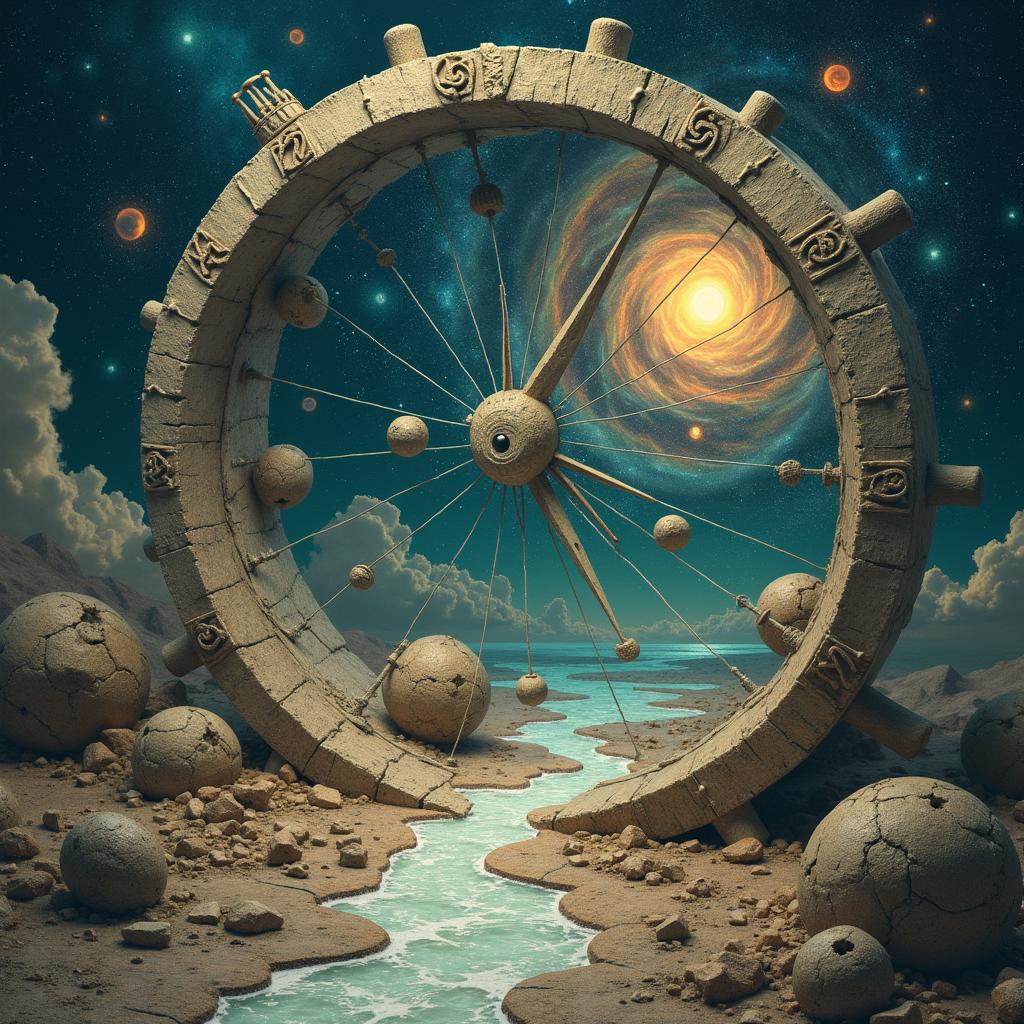
The concept of time has fascinated humans, with ancient civilizations and theoretical physics shaping our understanding, from absolute time to relative time, and ongoing research continues to refine our knowledge of this complex aspect of the universe.
-
The collapse of civilizations is a complex phenomenon influenced by environmental degradation, social and economic instability, and technological advancements, requiring sustainable development and global cooperation to prevent collapse.

-
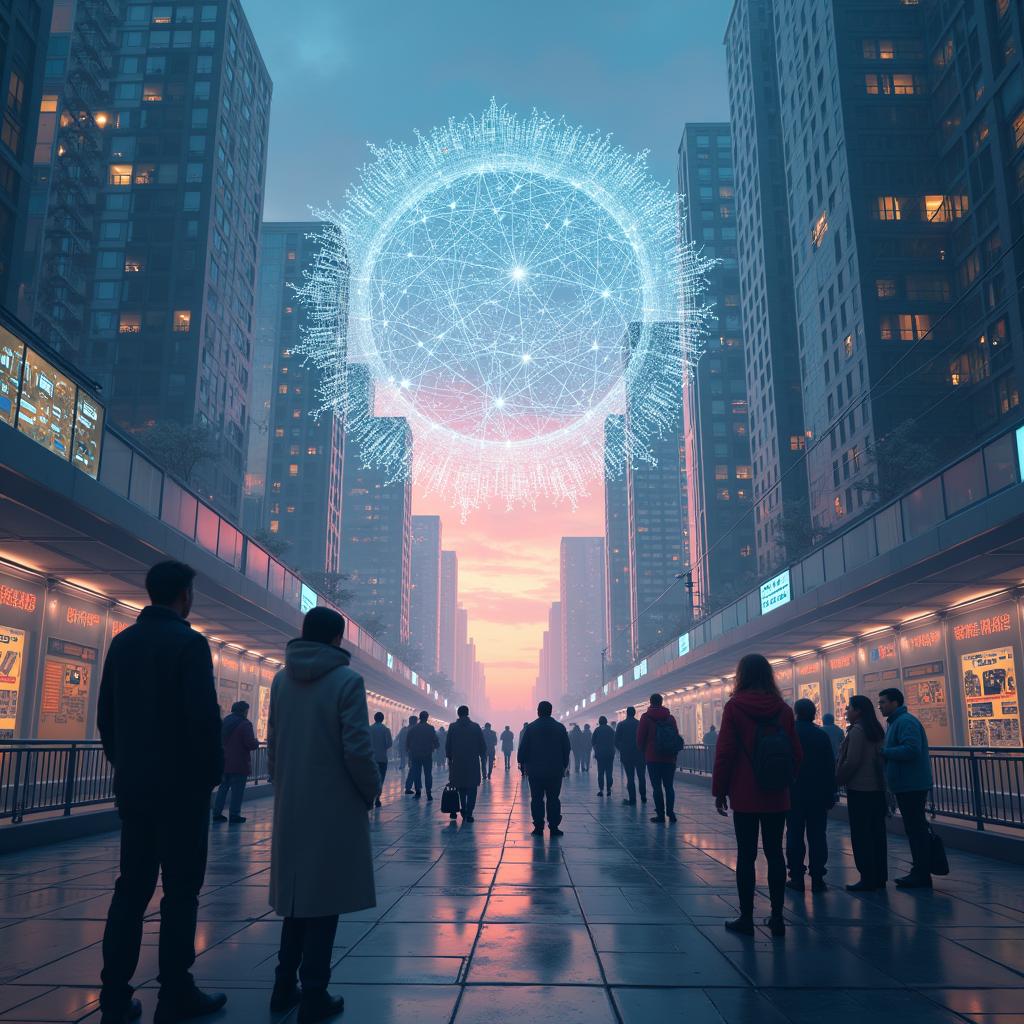
The concept of artificial intelligence sparks debate on its potential benefits and risks, impact on human employment, and ethical implications, raising questions about its development and alignment with human values.
-
Eastern philosophies such as Buddhism, Taoism, and Confucianism have significantly influenced Western thought and culture, transforming our understanding of life and reality. From Enlightenment thinkers to modern psychology, these teachings promote holistic well-being and interconnectedness, suggesting a potential future of greater integration between Eastern and Western ideas.

-
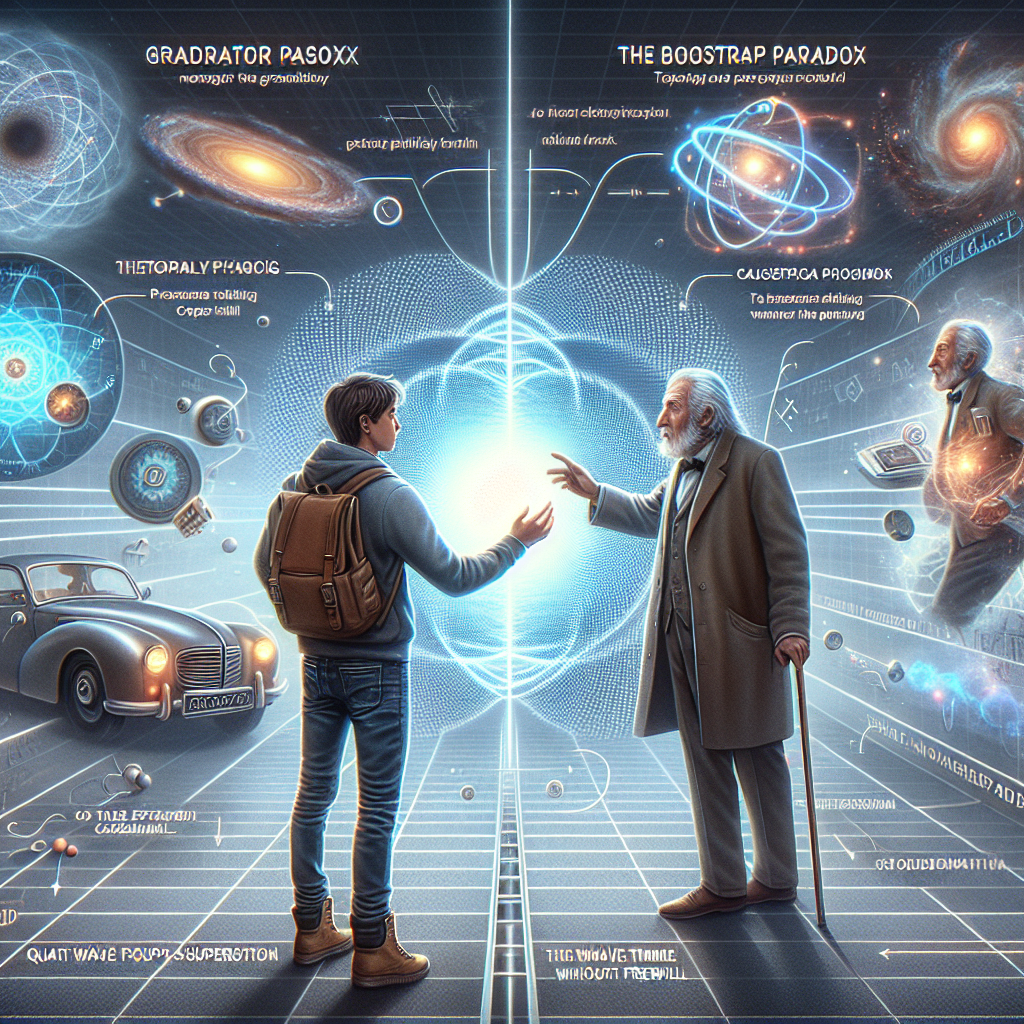
This conversation explores the intrigue of time travel, its cultural significance, and the associated paradoxes: the Grandfather Paradox, Bootstrap Paradox, and Predestination Paradox. It discusses the theoretical physics concepts that underpin these paradoxes and their implications for understanding causality, free will, and the nature of reality.
-
Algorithms to Awareness: AI Evolution and Its Ethical Frontiers
3–5 minutes·
·
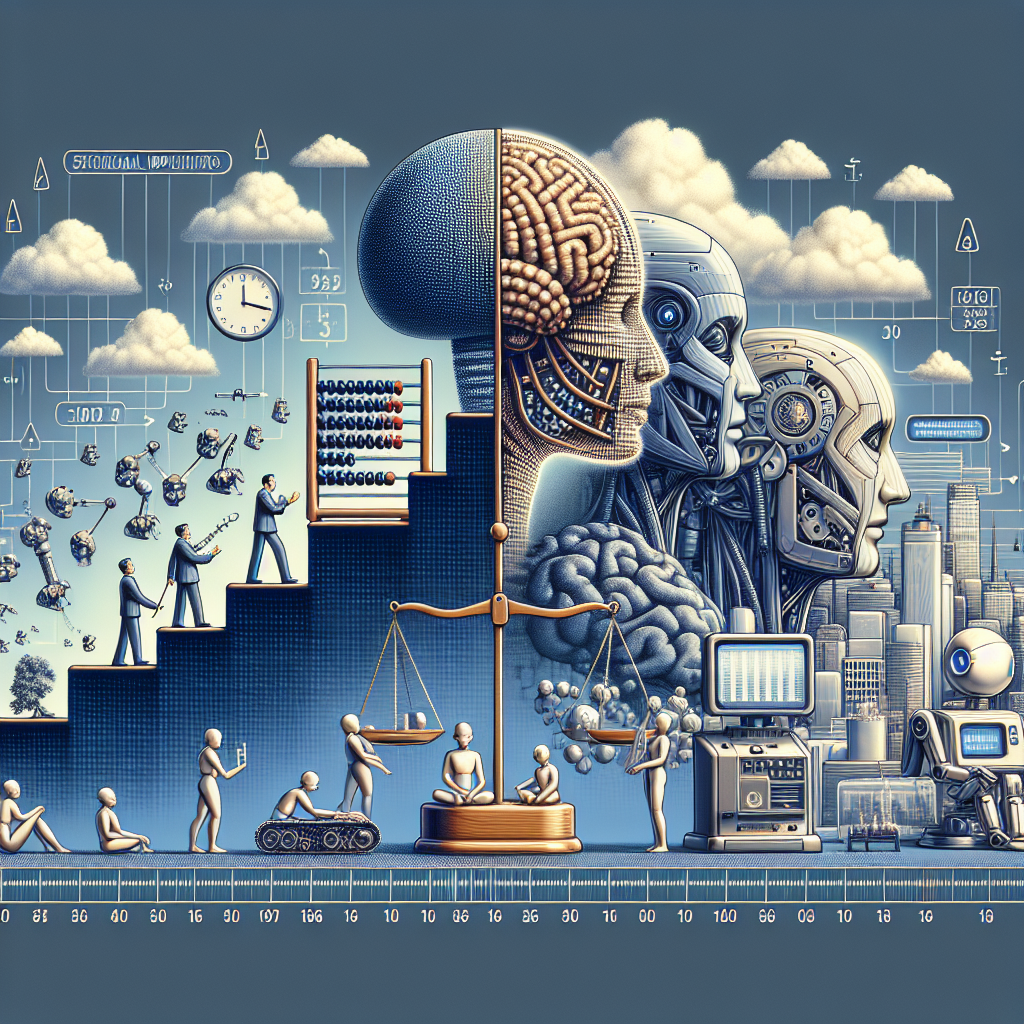
The discussion explores the evolution of Artificial Intelligence (AI) since its term was coined in 1956, addressing questions of consciousness and self-awareness in machines. It contrasts ‘Strong AI’ and ‘Weak AI,’ highlights societal implications, and raises ethical concerns surrounding potential AI consciousness, emphasizing the need for comprehensive understanding.
-
The conversation highlights the intertwined relationship between philosophy and science, emphasizing their historical dialogue and mutual influence. It discusses key areas like epistemology, methodology, and ethics in scientific progress, pointing out philosophy’s role in guiding scientific inquiry. The article stresses the importance of collaboration for truth-seeking across both fields.

-
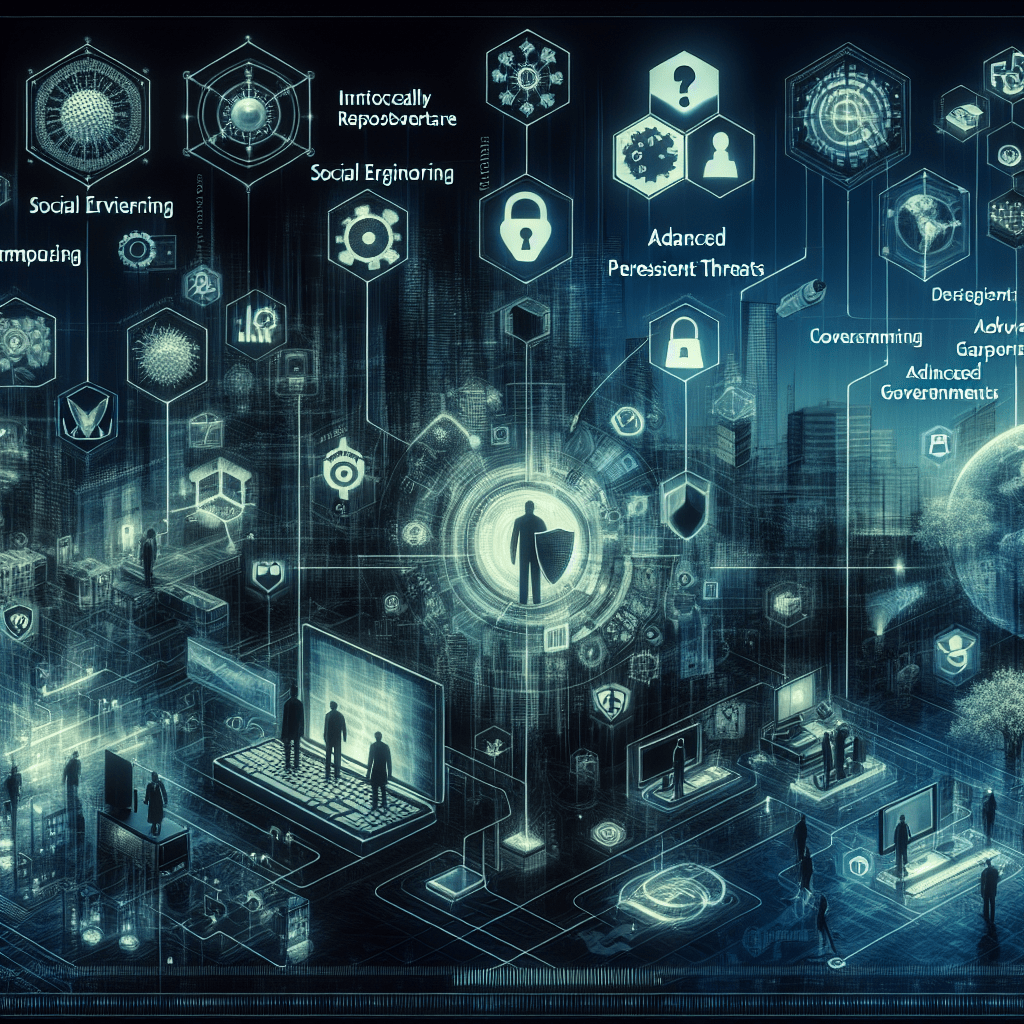
This article explores the complex landscape of cybersecurity threats in the 21st century, highlighting categories like malware, social engineering, and advanced persistent threats. It discusses the evolution of these threats since the 1970s, emphasizing the need for proactive measures by individuals, corporations, and governments to ensure digital safety and privacy.
-
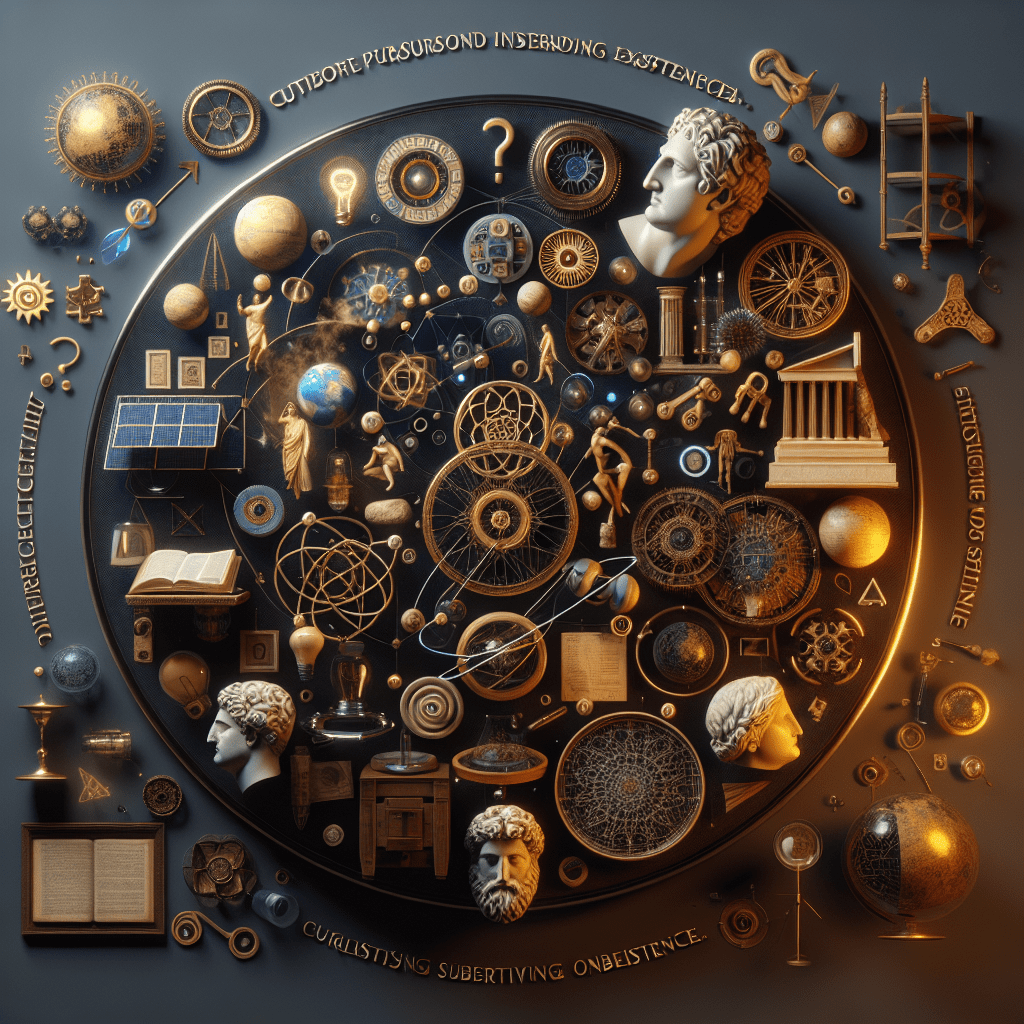
The conversation explores the intertwined relationship between art and science, tracing their historical connections from ancient Greece through the Renaissance to modern developments. Both disciplines share a curiosity-driven pursuit of understanding existence, often utilizing each other’s methods. The article contemplates their future convergence and challenges the dichotomy between subjectivity and objectivity.


 Conversations with AI