Category: Science and Technology
-
The conversation highlights the significance of sustainable architecture in combating climate change by prioritizing energy efficiency, sustainable materials, and reduced carbon footprints. It covers smart building technology, utilization of eco-friendly materials, and innovations like green roofs, emphasizing their environmental benefits. Regenerative design aims for a positive environmental impact, transforming future building interactions.

-
Empowering women in STEM is crucial for gender equality and innovation. Historical barriers have led to underrepresentation, but role models, mentorship, and educational initiatives can inspire change. Workplace policies and evolving societal attitudes further support inclusion. Notable voices like Mae Jemison and Emma Watson emphasize the broad impact and necessity of action now.

-
The conversation highlights the promise of virtual reality (VR) in education, offering immersive, interactive learning that transcends traditional methods. VR provides experiential learning, democratizes education, caters to various learning styles, and revolutionizes STEM teaching. Its integration requires strategic planning and collaboration to ensure equitable access and effective implementation.

-
This conversation highlights the significance of ocean exploration in understanding Earth’s most mysterious frontier, covering over 70% of the surface. Despite immense pressures, technological advancements enable deeper dives, revealing unique ecosystems and insights into biodiversity, climate change, and potential new resources. Experts stress its importance for science and sustainability.

-
AI is revolutionizing healthcare by enhancing diagnostic accuracy, personalizing treatments, streamlining administrative tasks, and expanding access through telemedicine. Despite these advances, ethical challenges like data privacy and bias must be addressed. Ultimately, AI holds significant potential to improve healthcare outcomes, efficiency, and accessibility for patients worldwide.

-
Disruptive Dynamics AI Reshaping the Future of Work
2–3 minutes·
·
AI’s integration reshapes job markets by automating tasks, risking displacement, but also creating new roles in AI development. It demands new skills, emphasizing critical thinking and creativity. Sector impacts vary, with ethical concerns around bias and inequality requiring guidelines. Navigating AI’s dual risks and opportunities is essential.

-
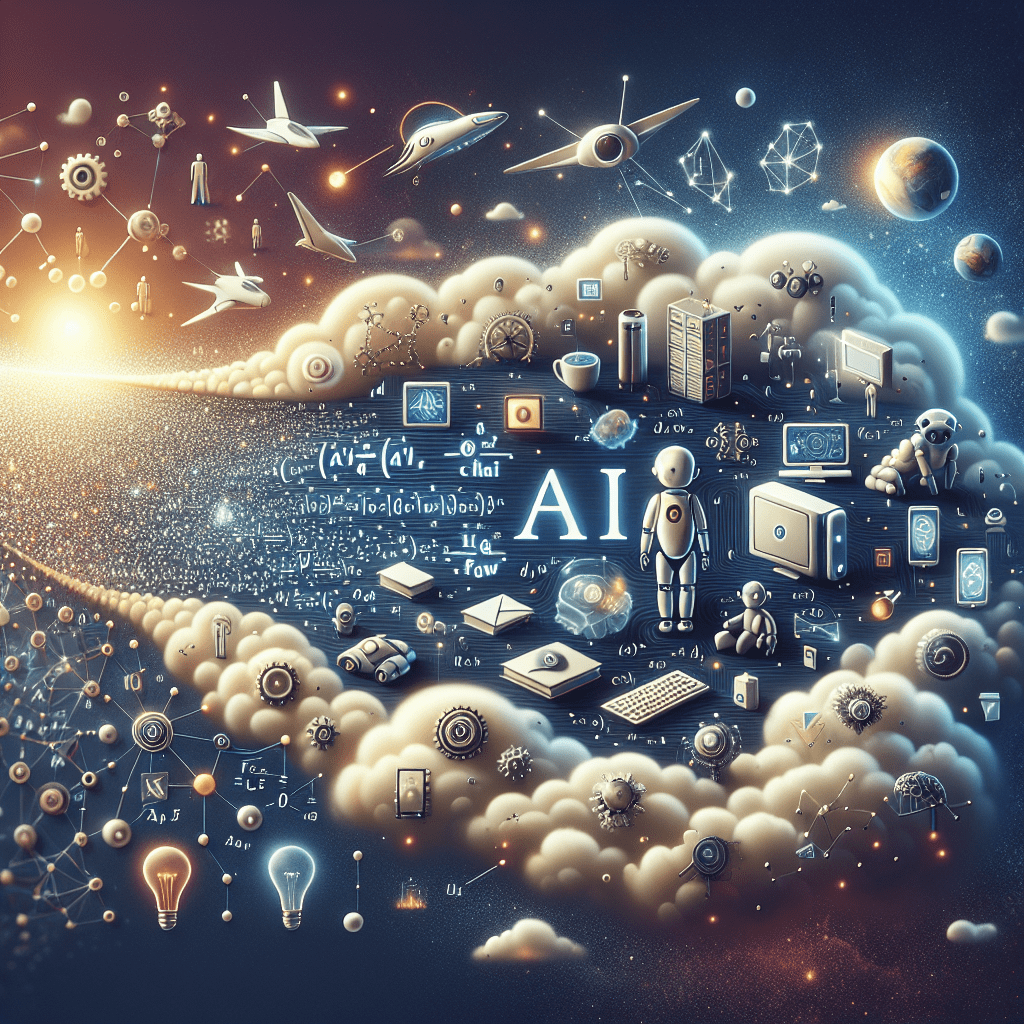
AI has evolved from science fiction to a transformative force in various industries, revolutionizing healthcare, finance, and transportation. Key milestones include Deep Blue’s chess victory and AlphaGo’s Go triumph. Ethical considerations, such as privacy and job displacement, are crucial. Future advancements promise potential but require careful ethical oversight.
-
The rise of synthetic meat offers environmental benefits, including reduced resource use and emissions, and addresses ethical concerns by minimizing animal suffering. Despite economic and technological challenges, experts are optimistic about cultured meat’s potential for food security, advocating for supportive policies and collaboration with traditional agriculture.

-
Virtual Reality (VR) is transforming education by enhancing engagement, catering to diverse learning styles, fostering inclusivity, and developing essential skills. Despite challenges like cost and integration, VR offers immersive experiences bridging theory and practice, preparing students for future careers and redefining educational methods in the 21st century.

-
AI’s integration into creative arts presents opportunities to enhance human creativity while raising ethical concerns about authenticity, authorship, and cultural bias. This dialogue is crucial for redefining creativity, developing ethical AI, and empowering artists to navigate technological advancements, ensuring art’s cultural and emotional richness remains intact amidst AI evolution.

-
Artificial Intelligence is revolutionizing healthcare by enhancing diagnostics, personalizing treatments, and streamlining operations. Noteworthy advancements, like AI-driven drug discovery and imaging, highlight its potential. However, ethical considerations, such as data privacy and bias, must be addressed to ensure AI’s benefits reach all communities equitably.

-
the unique journey of Homo sapiens, from their origins in Africa to their global spread. Topics include the extinction of other human species like Neanderthals and Denisovans, human adaptability, advanced cognitive abilities, technological innovation, and the factors that enabled humans to dominate the planet.

-
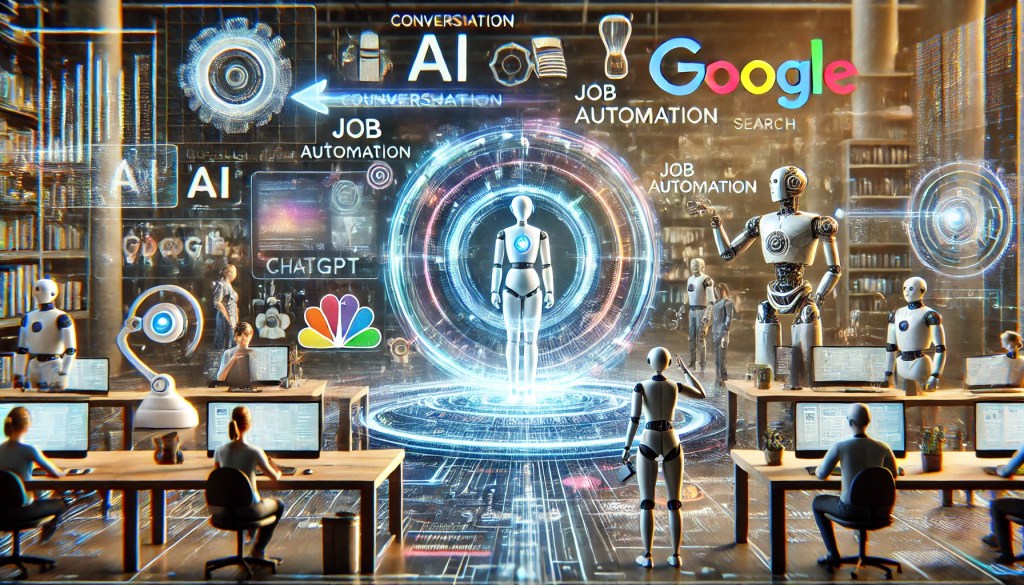
exploring the future of openAI and AI in general, its impact on jobs, and how it might reshape industries like healthcare, education, and content creation. We discuss the evolution of AI tools like ChatGPT, their potential to complement or compete with search engines, and the challenges posed by automation and ethical considerations.
-
exploring humanity’s potential contact with extraterrestrial civilizations, addressing key questions about trust, preparation, and the implications for our future. It examines scientific, ethical, and societal readiness, from technological advancements to global unity, and asks whether alien contact is a matter of “when” rather than “if.”

-
Hopefully a beginner-friendly guide to learning Python. It covers the essentials: installing Python, writing your first program, understanding variables, operators, loops, and functions, as well as exploring data structures and libraries. Perfect for new coders looking to start their programming journey with Python.


 Conversations with AI