Category: Science and Technology
-
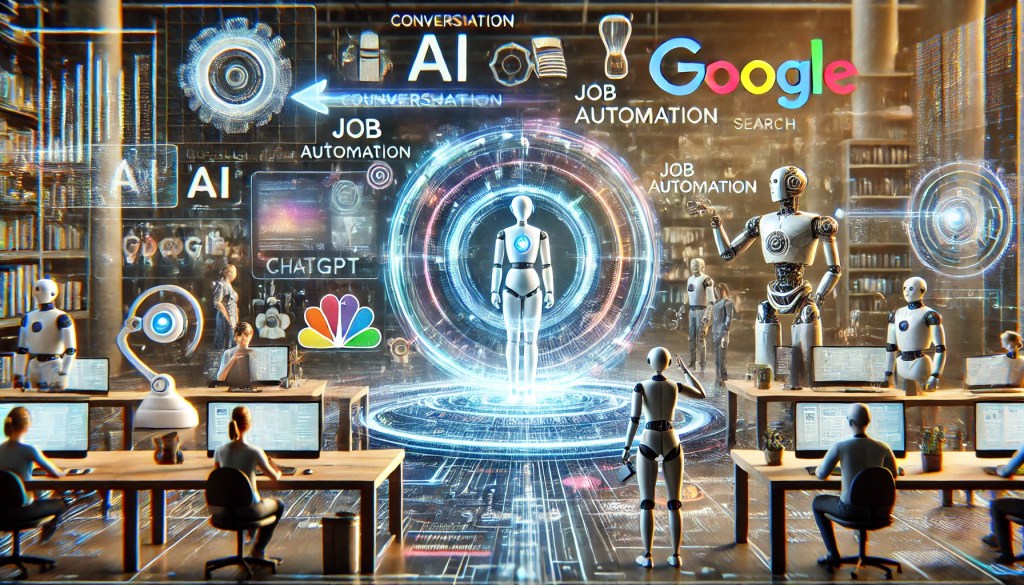
exploring the future of openAI and AI in general, its impact on jobs, and how it might reshape industries like healthcare, education, and content creation. We discuss the evolution of AI tools like ChatGPT, their potential to complement or compete with search engines, and the challenges posed by automation and ethical considerations.
-
exploring humanity’s potential contact with extraterrestrial civilizations, addressing key questions about trust, preparation, and the implications for our future. It examines scientific, ethical, and societal readiness, from technological advancements to global unity, and asks whether alien contact is a matter of “when” rather than “if.”

-
Hopefully a beginner-friendly guide to learning Python. It covers the essentials: installing Python, writing your first program, understanding variables, operators, loops, and functions, as well as exploring data structures and libraries. Perfect for new coders looking to start their programming journey with Python.

-
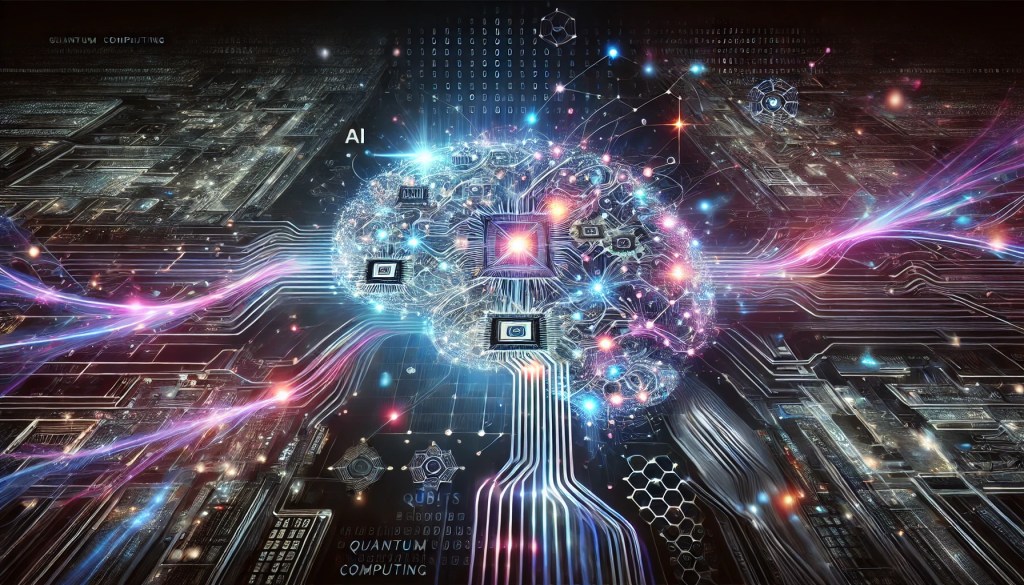
Quantum AI combines the power of quantum computing with artificial intelligence to solve complex problems faster. While it holds immense potential in fields like healthcare and finance, it also presents risks such as cybersecurity threats, bias, and ethical concerns. Managing these risks is key to unlocking its full benefits.
-
About the scientific method, emphasising the role of hypotheses and variables in experimentation. It highlights how a good hypothesis is testable and falsifiable, how variables establish cause-and-effect, and why experiments sometimes fail. Accurate data collection and controlled variables are essential for scientific research success.

-
Throughout history, ancient civilizations moved massive stones weighing up to 1,000 tons, using ingenious techniques like sledges, ramps, and levers. From Baalbek’s temple stones to the Thunder Stone in Russia, modern comparisons show how both ancient and contemporary engineers have tackled the challenge of lifting and transporting gigantic stones.

-
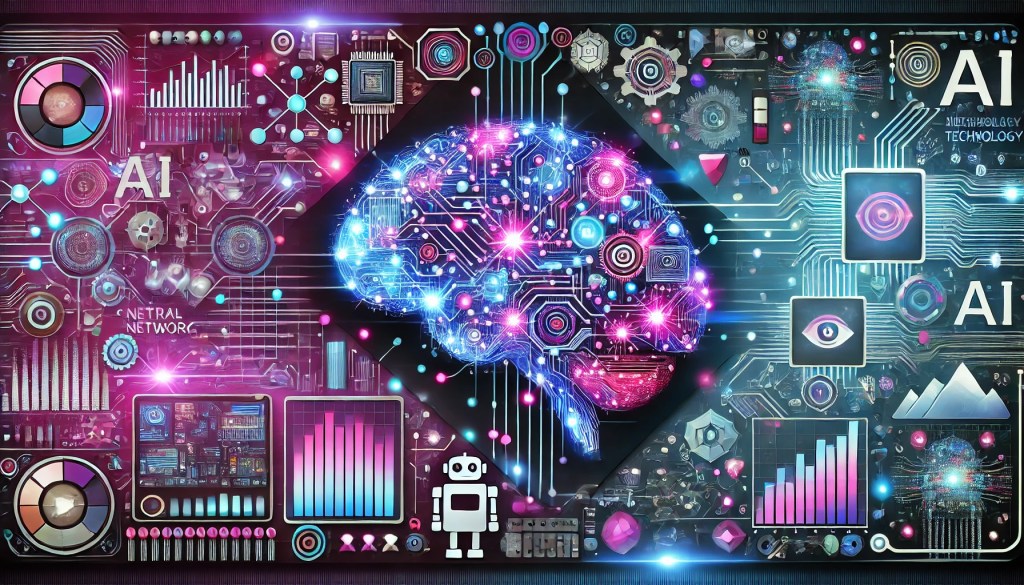
AI is all about teaching computers to learn from data and make smart decisions. This convo covers everything from machine learning and neural networks to deep learning and reinforcement learning. It breaks down how AI learns, how it’s trained, and how it powers everyday tech like Netflix and Face ID!
-
Innovative renewable energy sources, including osmotic power and nanoantenna arrays for infrared radiation. Identified promising options like Enhanced Geothermal Systems and Heliogen’s solar thermal energy. Proposed a novel clean energy approach, and provided catchy titles, WordPress tags, and a category for the conversation.

-
The importance of critical thinking and how to avoid cognitive biases, including strategies for identifying pseudoscience. It covers common cognitive biases like confirmation bias and overconfidence, emphasizes evidence-based decision-making, and provides practical steps for improving rational thinking in personal, professional, and academic contexts.

-
*just over 12 years ago, May 2013, I went totally blind in the bottom half of my right eye, felt stupidly tired all the time and had a feeling on my face like I’d walked through a cobweb, the first person I went to was an Optician… I then spent the following 10 months going…

-
Large Language Models (LLMs), such as chatGPT-4, are AI systems designed to understand and generate human-like text by learning from massive amounts of data. These models are built using deep learning techniques, particularly transformer architectures, allowing them to capture linguistic patterns and generate coherent text across a variety of tasks. Despite their capabilities, LLMs face…

-
The role of social media as a force for good is multifaceted and can be seen from different perspectives. Here’s a breakdown of how it can be considered a power for good: 1. Connection and Communication 2. Amplifying Social Causes 3. Access to Information and Education 4. Empowerment of Individuals 5. Civic Engagement and Political Mobilization Challenges and Drawbacks However,…

-
Quantum navigation is generating significant excitement because it promises to revolutionize how we determine position, movement, and time. Unlike traditional navigation systems that rely on external signals like GPS, quantum navigation uses the principles of quantum mechanics to achieve unprecedented levels of precision and reliability. Here’s why it’s a big deal: In essence, the “big…

-
*was sat in the car with the kids, I’d like to blame them for this – 100% me 😳 The sun itself doesn’t have a smell since it is a massive ball of hot plasma emitting light and energy, with no physical substance for scent molecules to travel through space. However, astronauts returning from space…

-
ʻOumuamua is the name given to the first known interstellar object that passed through our solar system. It was discovered on October 19, 2017, by astronomers using the Pan-STARRS1 telescope in Hawaii, and its name means “scout” or “messenger” in Hawaiian. Key characteristics of ʻOumuamua: While ʻOumuamua has left our solar system, it remains a…


 Conversations with AI