Category: Science and Technology
-
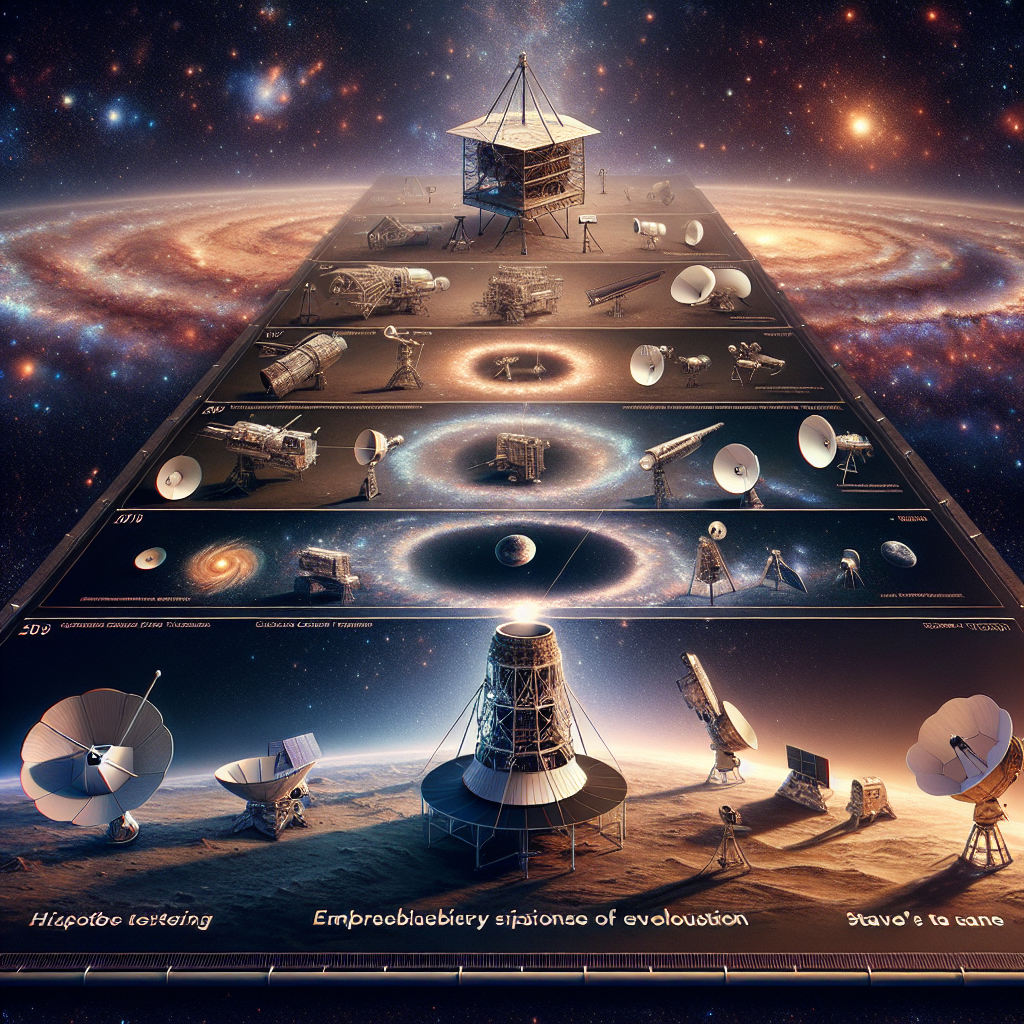
The conversation discusses the history and future of space telescopes, highlighting their role in our understanding of the universe. Starting from early telescopes, it explores the evolution and significance of instruments like the Hubble Space Telescope and the James Webb Space Telescope, emphasizing technological advancements and future prospects.
-
This conversation explores the complex relationship between quantum mechanics and reality. It discusses key concepts such as wave-particle duality, superposition, and entanglement, highlighting their implications for technology and philosophy. The dialogue emphasizes the evolving understanding of existence shaped by quantum theories and suggests future areas of investigation.

-
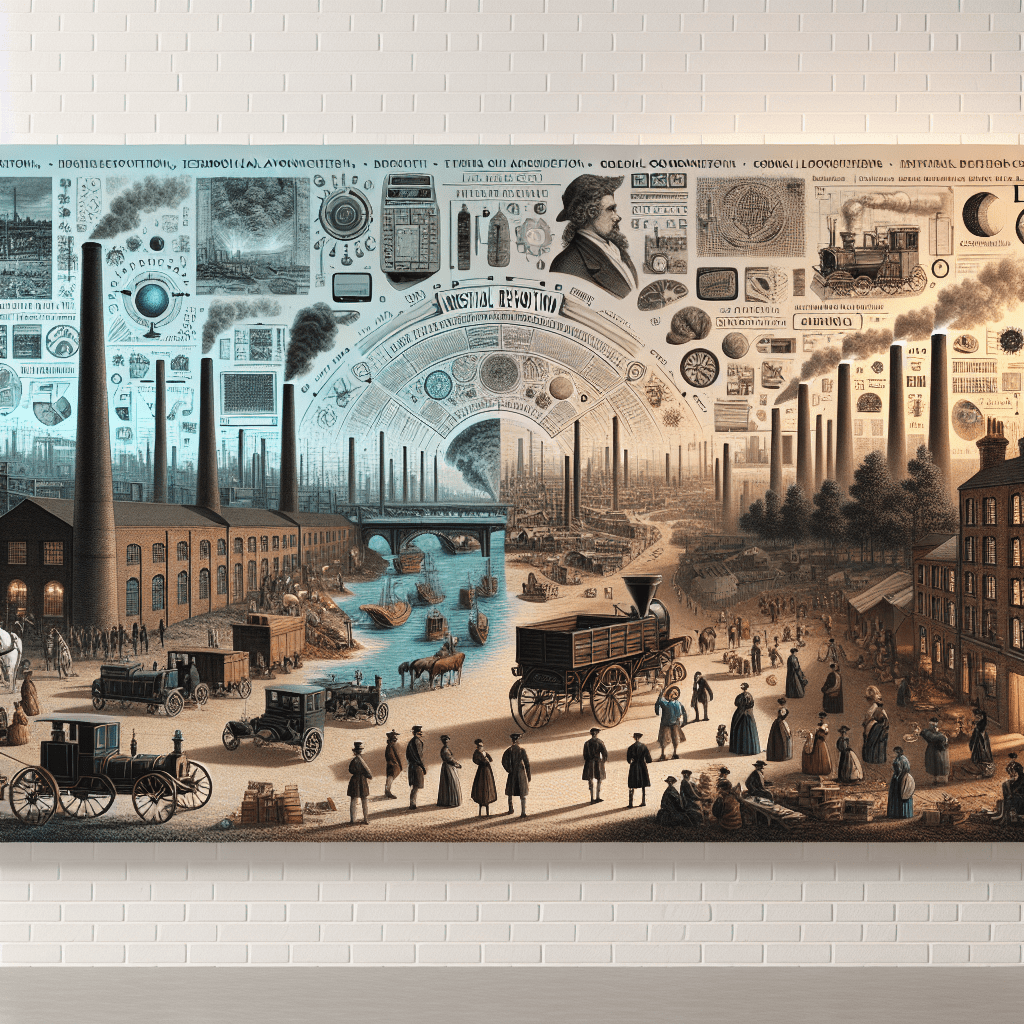
The Industrial Revolution marked significant socio-economic transformation from the late 1700s to the early 19th century, originating in Britain. It brought technological breakthroughs, urbanization, and the rise of factories, impacting labor, global trade, attitudes toward wealth, and social classes, with effects still relevant today in the digital age.
-
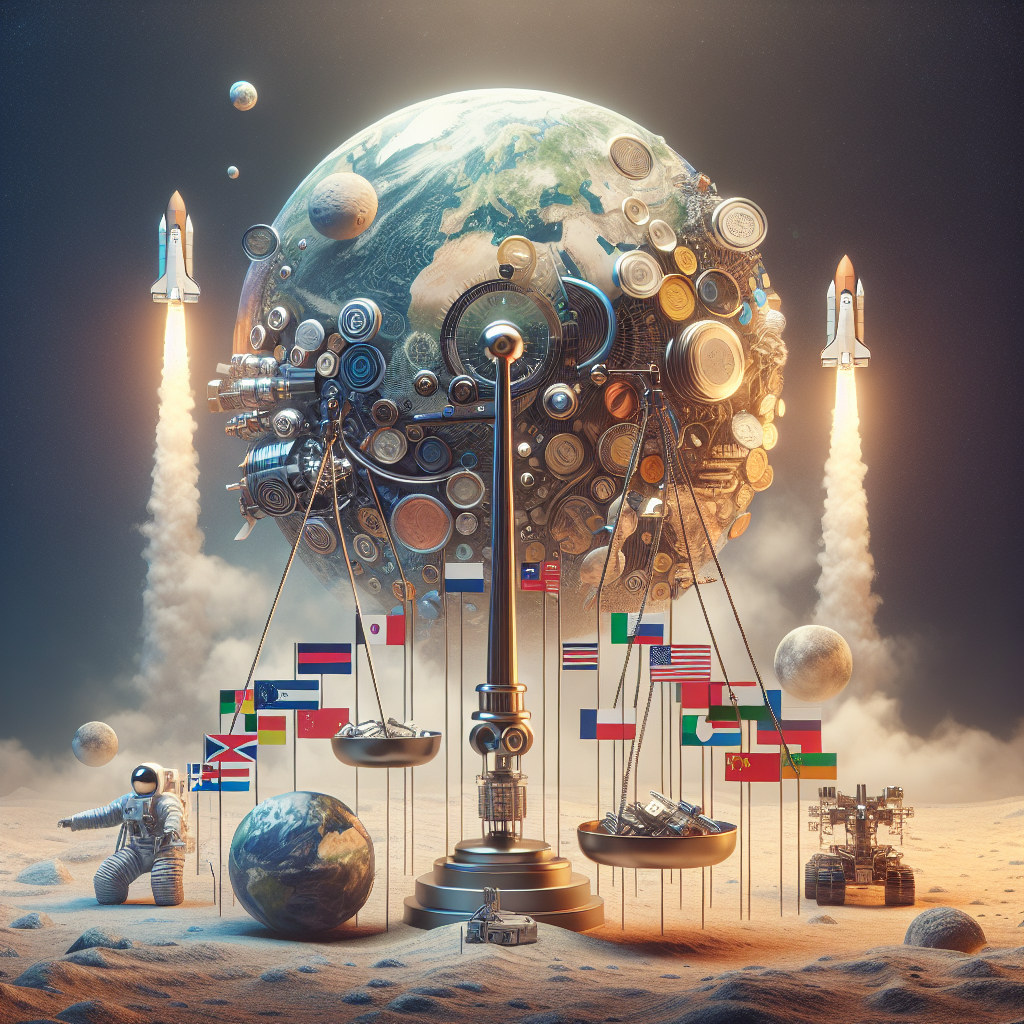
The conversation discusses NASA’s Artemis Program, a significant initiative aimed at returning humans to the Moon and preparing for Mars exploration. It highlights technological advancements, international cooperation through the Artemis Accords, and the challenges posed by budget and geopolitical dynamics, framing Artemis as a pivotal chapter in space exploration.
-
The article examines the historical relationship and distinctions between astrology and astronomy, originating from the same ancient study of celestial bodies. It discusses their developments, the scientific merit debates, and societal implications, ultimately questioning astrology’s perceived pseudoscience status while recognizing its cultural significance alongside scientific astronomy.

-
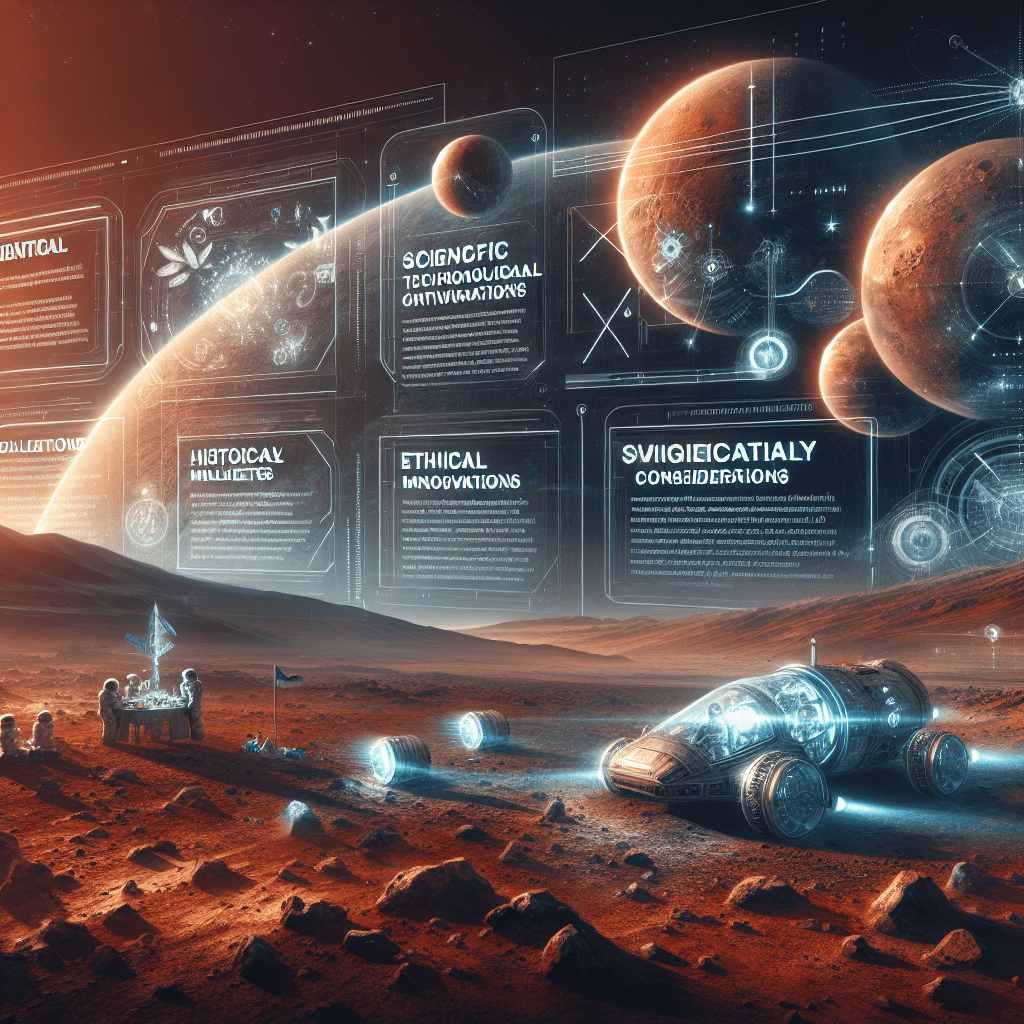
This article discusses the evolving prospects of human colonization on Mars, highlighting scientific, technological, and societal challenges. It explores historical milestones, significant innovations, and ethical considerations while emphasizing the complexity of establishing a new society on the red planet, ultimately questioning humanity’s ability to become a multi-planetary species.
-
The human microbiome comprises trillions of microorganisms essential for health, impacting digestion, immunity, and mental health. Research has advanced significantly since the late 20th century, revealing complex interactions. Key topics include microbiome composition, immune modulation, gut-brain connections, and metabolism, highlighting its crucial role in disease and potential therapeutic implications.

-
The conversation explores the concept of hidden dimensions in physics, focusing on theories like string theory and their implications. It discusses theoretical underpinnings, experimental advancements at the Large Hadron Collider, philosophical impacts, and insights from physicists. The pursuit of hidden dimensions challenges current understanding, offering potential breakthroughs in unifying quantum mechanics and general relativity.

-
The deep sea, often called Earth’s final frontier, is largely unexplored and rich in biodiversity and geological features. Despite harsh conditions, unique ecosystems thrive, offering insights into biotechnology and Earth’s processes. Advancements in technology enable deeper exploration, crucial for understanding climate regulation and addressing environmental challenges.

-
Mathematics is a discipline rich in patterns with profound applications in nature and technology. Fractals, the Golden Ratio, and algorithms illustrate its beauty and functionality. Mathematics underlies music’s structure and technology’s complexity. Its patterns reveal order in apparent chaos, inspiring figures from Bertrand Russell to Albert Einstein with their integration in reality.

-
The fusion of technology with wildlife conservation is revolutionizing biodiversity preservation. Drones, AI, and data analytics are enhancing monitoring, protection, and management of ecosystems. These tools, combined with community involvement, enable proactive conservation strategies. Experts highlight the transformative impact of technology, emphasizing its role in understanding ecosystems and involving local communities in conservation efforts.

-
The conversation discusses the global issue of water scarcity, emphasizing its impact on economic development, public health, and sustainability. Solutions include advanced water management technologies, conservation practices, and international cooperation. Key strategies involve optimizing water usage, promoting efficient agriculture, raising public awareness, and fostering cross-border governance to ensure sustainable and equitable water access.

-
Bioluminescence fascinates both scientists and the public with its enchanting glow. This natural phenomenon showcases diverse manifestations across species, serving ecological purposes. It holds potential for scientific and medical advancements while remaining underexplored. Bioluminescence also inspires cultural and artistic expressions, symbolizing mystery and wonder, highlighting nature’s intricate beauty and complexity.

-
The conversation highlights the importance of eco-friendly travel to combat climate change, emphasizing sustainable accommodations, low-carbon transport, local experiences, responsible habits, and advocacy for sustainable tourism. Figures like Alex Renton and Sir David Attenborough support these initiatives, encouraging travellers to reduce carbon footprints and preserve the planet for future generations.

-
Gene editing revolutionizes healthcare by correcting genetic disorders and personalizing treatments. Spearheaded by pioneers like Dr. Doudna and Professor Charpentier, it offers potential cures for diseases like cystic fibrosis. Despite ethical concerns and economic barriers, gene editing promises significant global health improvements, as highlighted by experts like Dr. Fauci and Dr. Piot.


 Conversations with AI