Category: Science and Technology
-
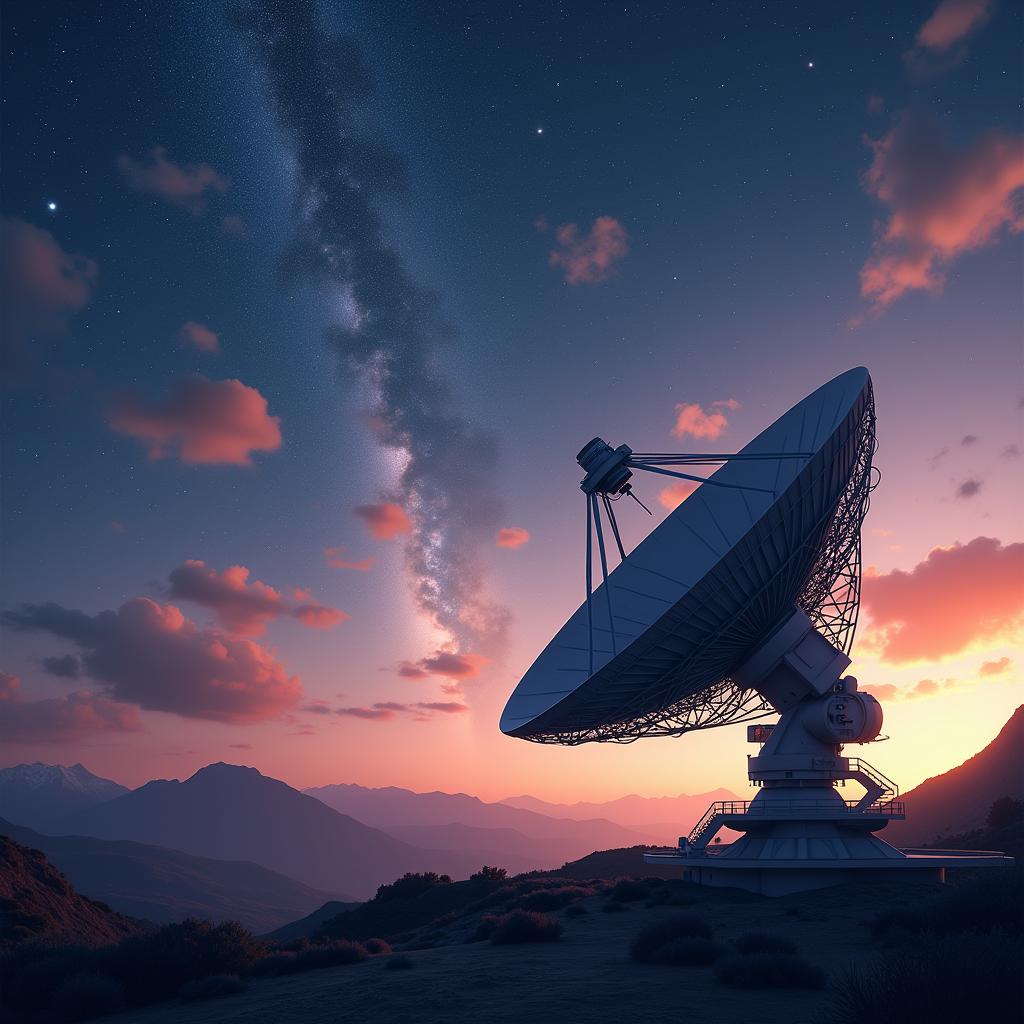
The search for extraterrestrial intelligence (SETI) has evolved significantly, from ancient civilizations to modern scientific research, with advancements in radio telescopes and exoplanet detection, despite challenges and controversies, driving human curiosity and exploration.
-
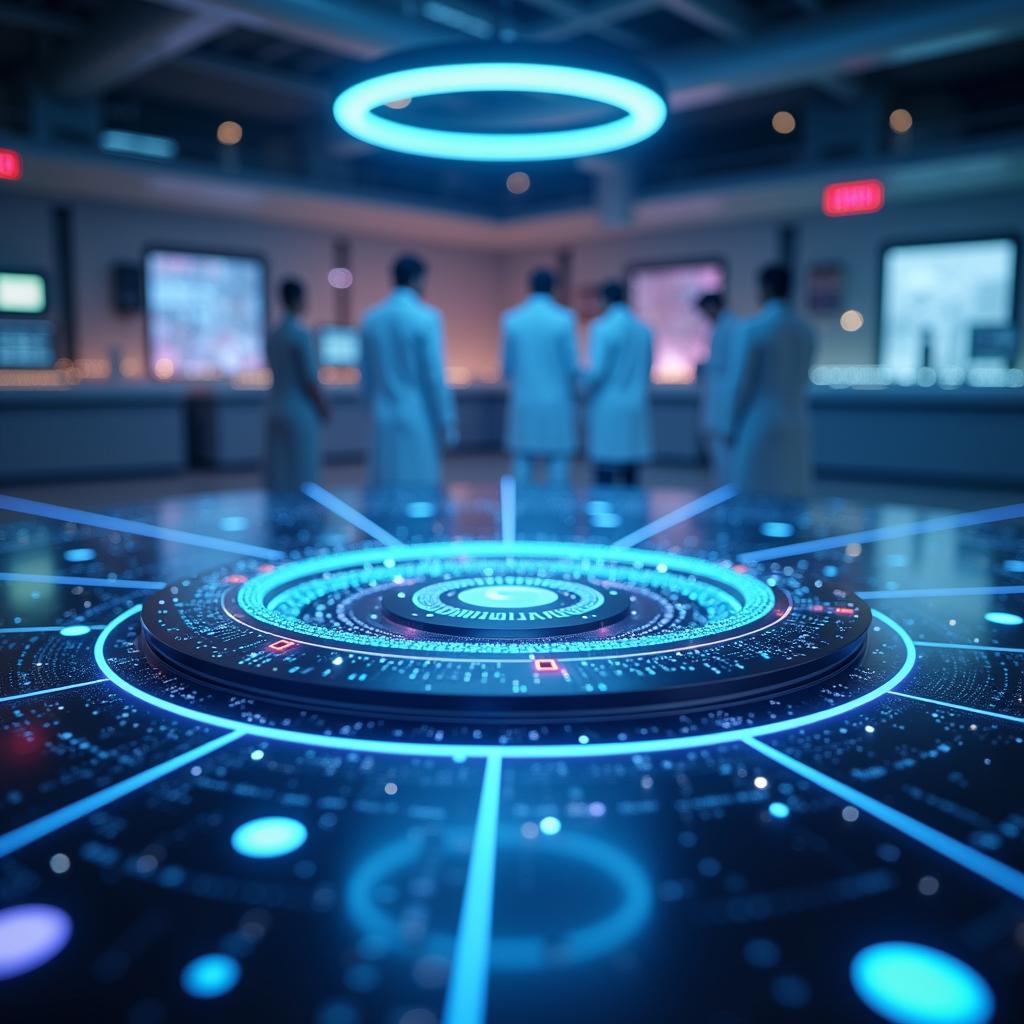
Quantum computing is a rapidly developing field with potential to revolutionize science and technology, with applications in cryptography, materials science, AI, and optimization problems, and could solve complex problems currently unsolvable.
-
Debunking the Myth: the Truth Behind the 1969 Moon Landing
5–7 minutes·
·
The moon landing, achieved by NASA’s Apollo 11 mission in 1969, has sparked fascination and controversy, with conspiracy theories claiming it was staged or faked, but overwhelming evidence supports its occurrence.

-
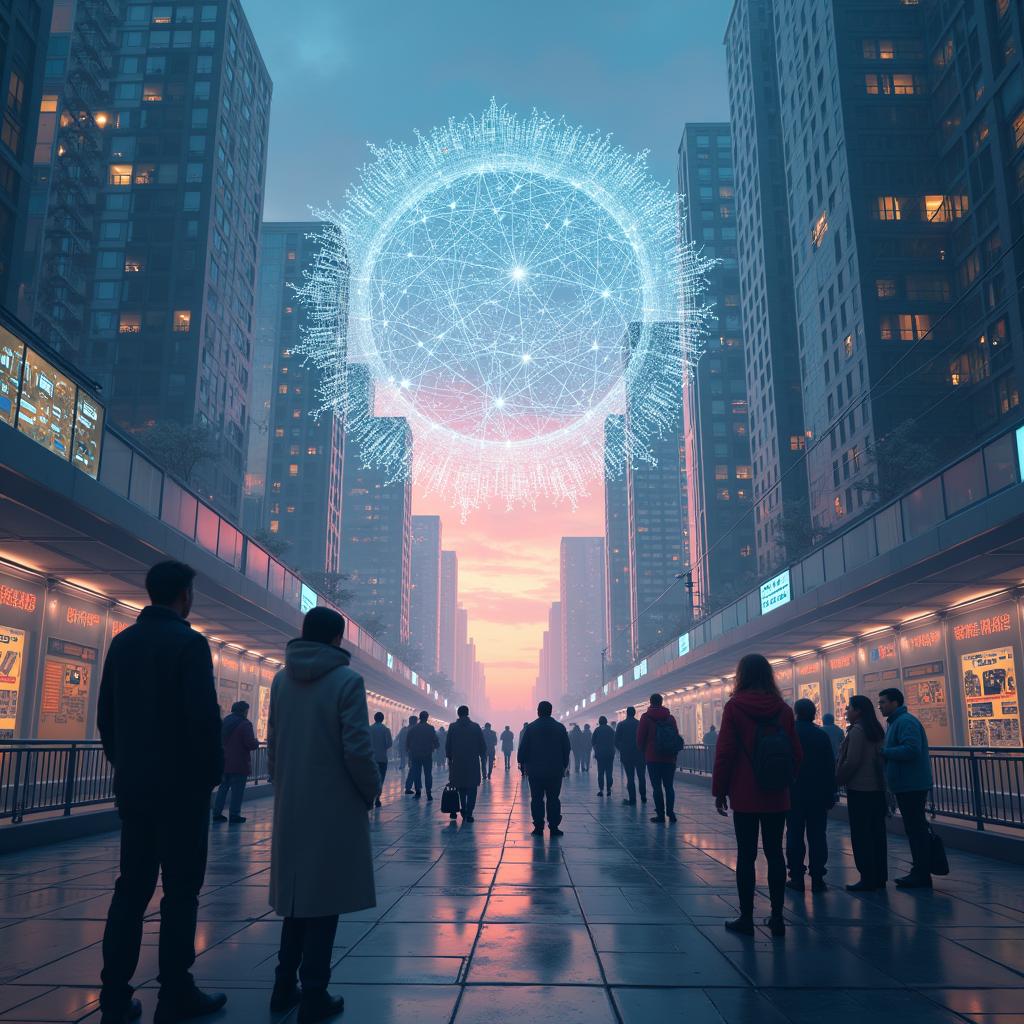
The concept of artificial intelligence sparks debate on its potential benefits and risks, impact on human employment, and ethical implications, raising questions about its development and alignment with human values.
-
The formation of black holes is a complex phenomenon studied through theoretical models and observations, with research spanning centuries and involving key concepts like stellar collapse and gravitational waves.

-
Artificial General Intelligence (AGI) and Artificial Superintelligence (ASI) may surpass human intelligence, posing risks and benefits, with experts debating their development and potential impact on humanity and the future.

-
Coding theory, a fusion of computer science and mathematics, enables efficient data transmission and storage through error-correction codes, with computational complexity being a crucial aspect in designing and decoding these codes to ensure reliable communication in the digital era.

-
Cosmic Imprint: How Astronomical Events Shaped Human History and Our Understanding of the Universe
4–6 minutes·
·
The universe has profoundly impacted human history, shaping civilizations, scientific thought, and cultural norms through astronomical events like eclipses, comets, and supernovae, influencing our worldview and existential understanding.

-
The conversation discusses the groundbreaking discoveries of gravitational waves, predicted by Einstein in 1916 but detected in 2015. These waves provide insights into cosmic events, validating General Relativity. Key findings include observing black hole and neutron star mergers, leading to advancements in multi-messenger astronomy and future research possibilities.

-
This conversation explores the intriguing moons of Jupiter and Saturn, emphasizing their potential for life and insights into solar system evolution. It highlights historical discoveries, current missions like Europa Clipper and Dragonfly, and raises concerns about bio-contamination. Overall, it underscores humanity’s quest for knowledge in the cosmos.

-
The Osireion and South American megalithic sites share similarities in massive stone blockwork, precision fitting, and engineering skills, despite differences in materials, sizes, and designs, showcasing ancient civilizations’ ingenuity and stoneworking abilities, with unique cultural and historical contexts.

-
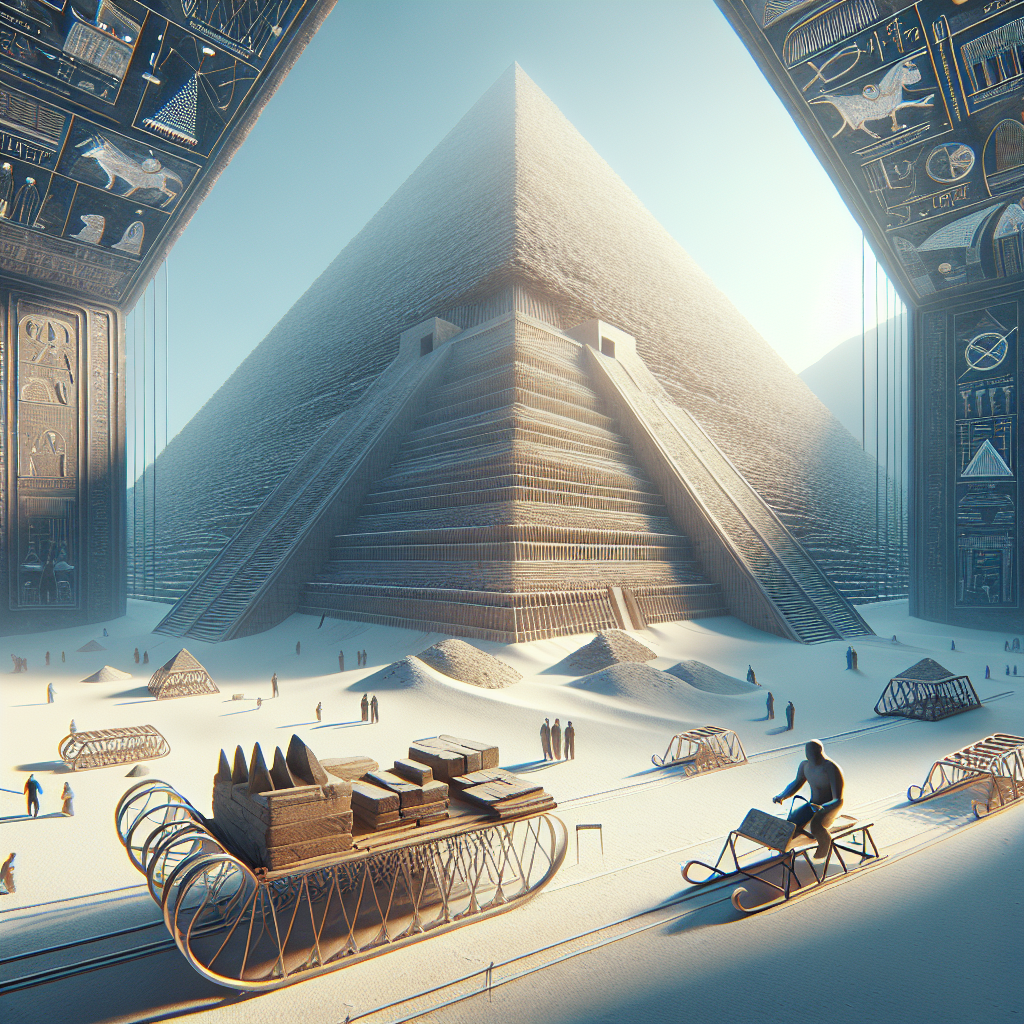
The article explores the construction of pyramids, particularly in Egypt, discussing historical and modern theories, including internal ramps and sledges for transporting stone. It notes the socio-cultural significance of pyramids beyond tombs and highlights the challenge historians face in fully understanding their construction, which remains a captivating enigma.
-
Deepfake Dilemma?: Technology, Ethics, and Society’s Future
3–5 minutes·
·
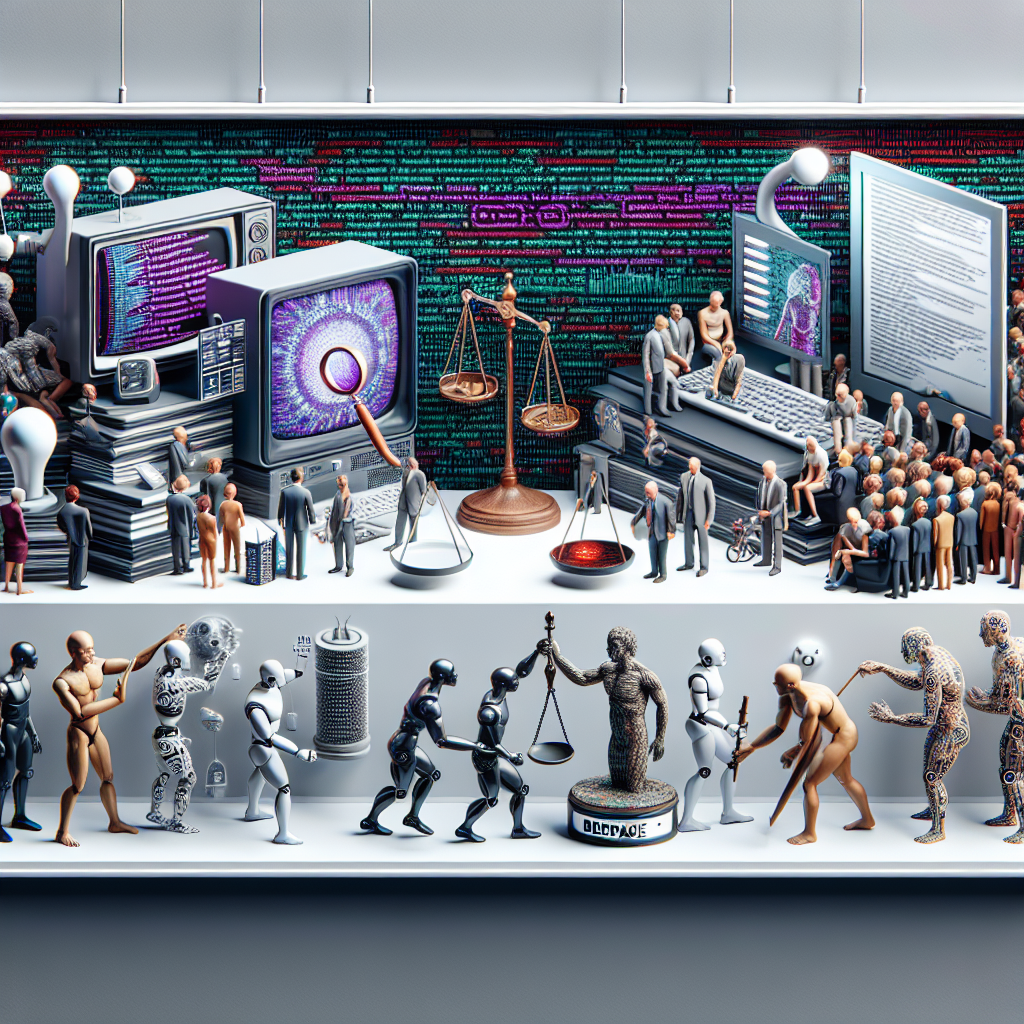
This conversation explores the evolution and implications of Deepfake technology, which combines deep learning with synthetic media. It discusses its societal impacts, including misinformation and ethical dilemmas surrounding consent. The adoption of Generative Adversarial Networks is highlighted, alongside the need for legislation and public awareness to manage its consequences.
-
This conversation explores the mysteries of dark matter and dark energy, which together make up about 95% of the universe’s mass-energy content. The concepts, discovered in the 20th century, remain elusive, prompting ongoing research and debate among scientists. Understanding these phenomena is essential for grasping the complexities of cosmology.

-
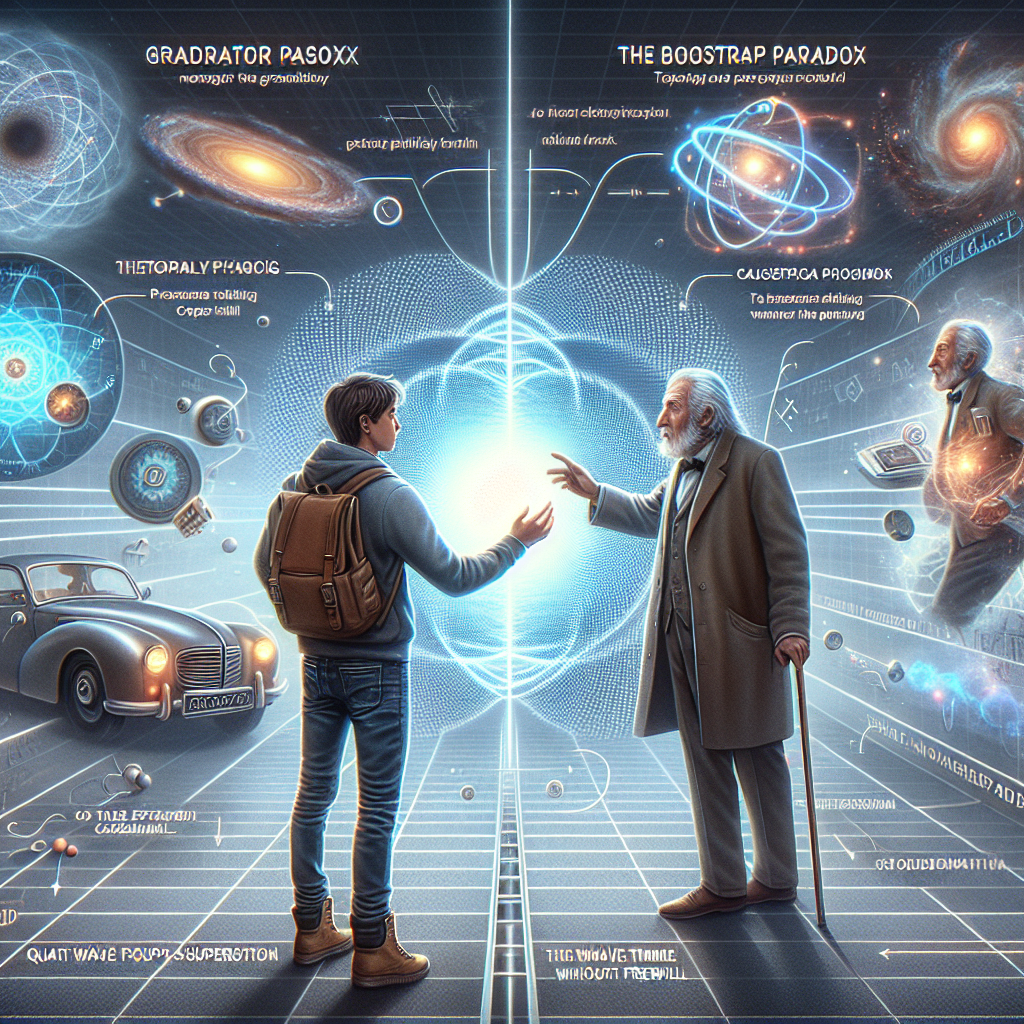
This conversation explores the intrigue of time travel, its cultural significance, and the associated paradoxes: the Grandfather Paradox, Bootstrap Paradox, and Predestination Paradox. It discusses the theoretical physics concepts that underpin these paradoxes and their implications for understanding causality, free will, and the nature of reality.


 Conversations with AI