Category: Science and Technology
-
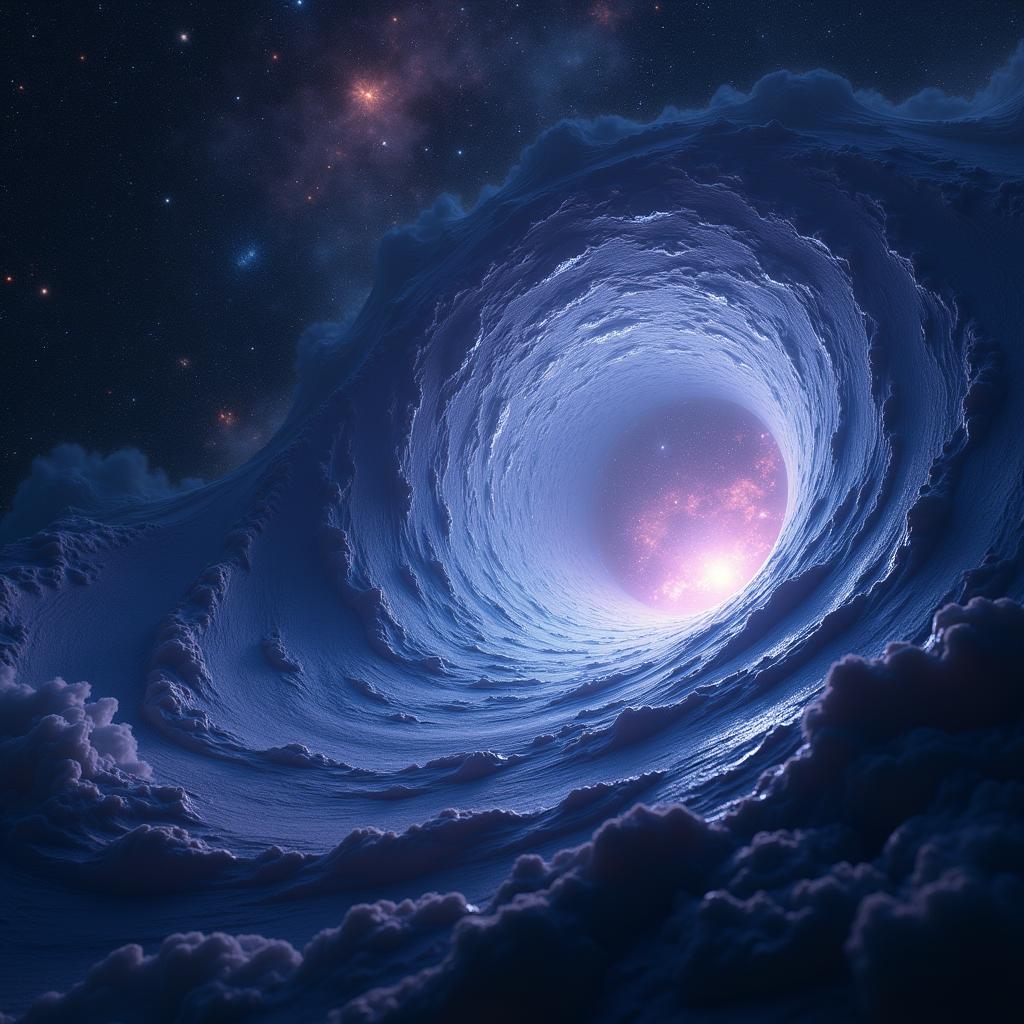
Wormholes, hypothetical spacetime tunnels linking distant cosmic regions, emerged from Einstein’s relativity equations. First theorised by Flamm (1916) and developed by Einstein-Rosen (1935), they require exotic matter with negative energy to stabilise. Though popularised by Wheeler and Thorne, traversability remains speculative. Recent quantum gravity research explores entanglement links and lab simulations. Their existence could revolutionise…
-
Seismology, the science of earthquakes, helps understand the earth’s internal structure and composition, with applications in earthquake hazard assessment, tsunami warning systems, and natural resource exploration, ultimately mitigating earthquake effects on society and the environment.

-
Technology has revolutionised education, transforming the way we learn and teach, with online resources and digital tools enhancing student engagement and academic achievement, despite concerns over equity and access.

-
The universe’s structure is a complex, fascinating field that has undergone significant transformations, from ancient models to modern theories on dark matter, dark energy, and the multiverse hypothesis, continually refining our understanding of the cosmos.

-
Neurofeedback is a technique allowing individuals to control brain activity, with applications in psychology, education, and healthcare, showing promise in treating ADHD, anxiety, and depression, despite some limitations and controversies surrounding its use.

-
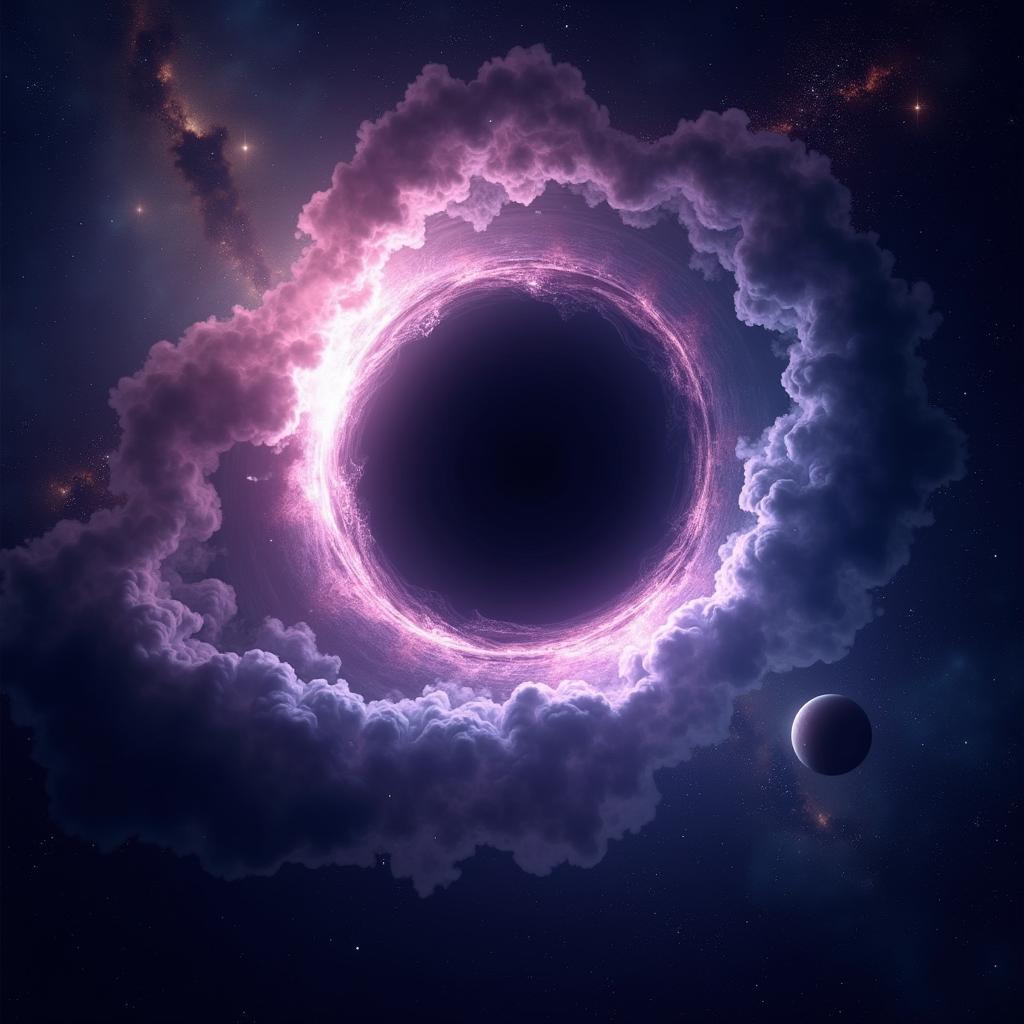
Scientists study black holes, regions of spacetime with strong gravity, using various methods, including X-ray and gamma-ray telescopes, to understand these enigmatic objects and their role in the universe’s evolution and formation.
-
The discovery of the Higgs boson is a significant scientific breakthrough, confirming the existence of the Higgs field and providing insights into the origins of mass, with far-reaching implications for our understanding of the universe.

-
Quantum AI Revolution
4–6 minutes·
·
Quantum AI is a rapidly evolving field that could revolutionise the way we live and work, with significant implications for various fields, but also raising important questions about ethics and safety.

-
Ball lightning is a mysterious, glowing phenomenon that has fascinated humans for centuries, with reports dating back to ancient times, and remains a complex, intriguing enigma, inspiring awe, fear, and curiosity amongst scientists and observers alike, worldwide.

-
The concept of entropy, a measure of disorder or randomness, has fascinated scientists and philosophers for centuries, with far-reaching implications in physics, chemistry, biology, and philosophy, shaping our understanding of the universe and its ultimate fate.

-
The Earth’s magnetic field reverses, causing significant effects on geology, climate, and life, with potential disruptions to modern society’s technology and ecosystems, highlighting the need for continued research and preparation.

-
Social Media Alters Lives
6–8 minutes·
·
Social media profoundly impacts relationships, altering communication, romantic relationships, and mental health, with both positive and negative effects, necessitating a balance between online and offline interactions.

-
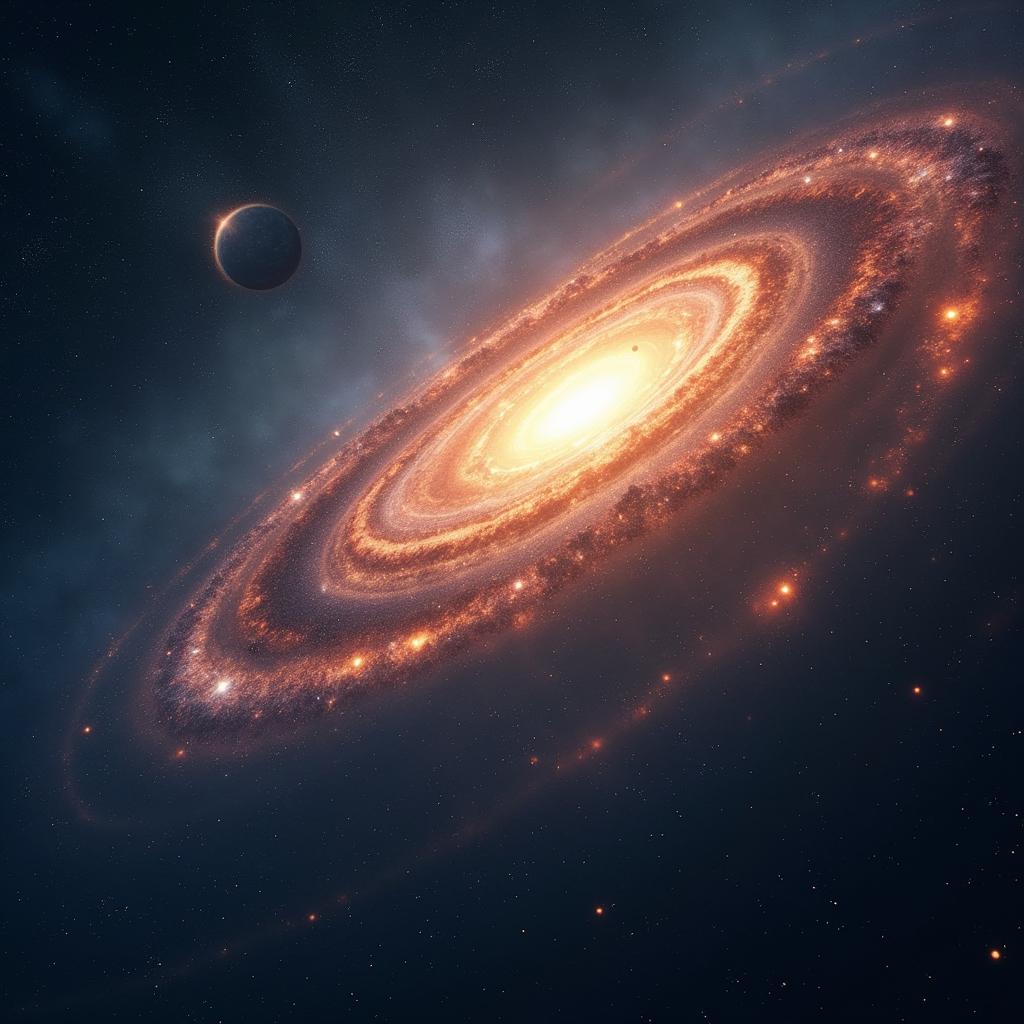
The universe’s fate is a complex topic, with theories such as the Big Crunch, Heat Death, and Multiverse proposing different endings, each with significant implications for our understanding of the cosmos and its ultimate destiny.
-
Time dilation is a phenomenon where time appears to pass slower or faster depending on the observer’s frame of reference, challenging classical understanding of time and space, with significant implications for physics and cosmology research.

-
The next century promises to be an exciting time for astronomy, with numerous celestial events, including the transit of Venus and appearances of bright comets, set to captivate stargazers and scientists, advancing our understanding of the universe and its mysteries.



 Conversations with AI