Category: Science and Technology
-
The search for life on Mars and beyond has captivated human imagination, with ongoing and future missions exploring the possibility of extraterrestrial life, driven by innate curiosity about the universe and our place within it, using advanced technologies.

-
The evolution of artificial intelligence has undergone significant phases, from the perceptron’s inception in 1957 to current trends, driven by theoretical breakthroughs, technological advancements, and shifts in research focus, transforming the field with human-like reasoning capabilities.

-
Philosophy plays a crucial role in understanding reality, with historical and cultural influences shaping its development, and key concepts like metaphysics and epistemology informing our perception of the world, ultimately inspiring ongoing philosophical reflection and human curiosity always.

-
Artificial intelligence development has accelerated, with potential to revolutionise lives, driven by advances in computing power, machine learning, and data storage, raising concerns about job displacement and accountability.

-
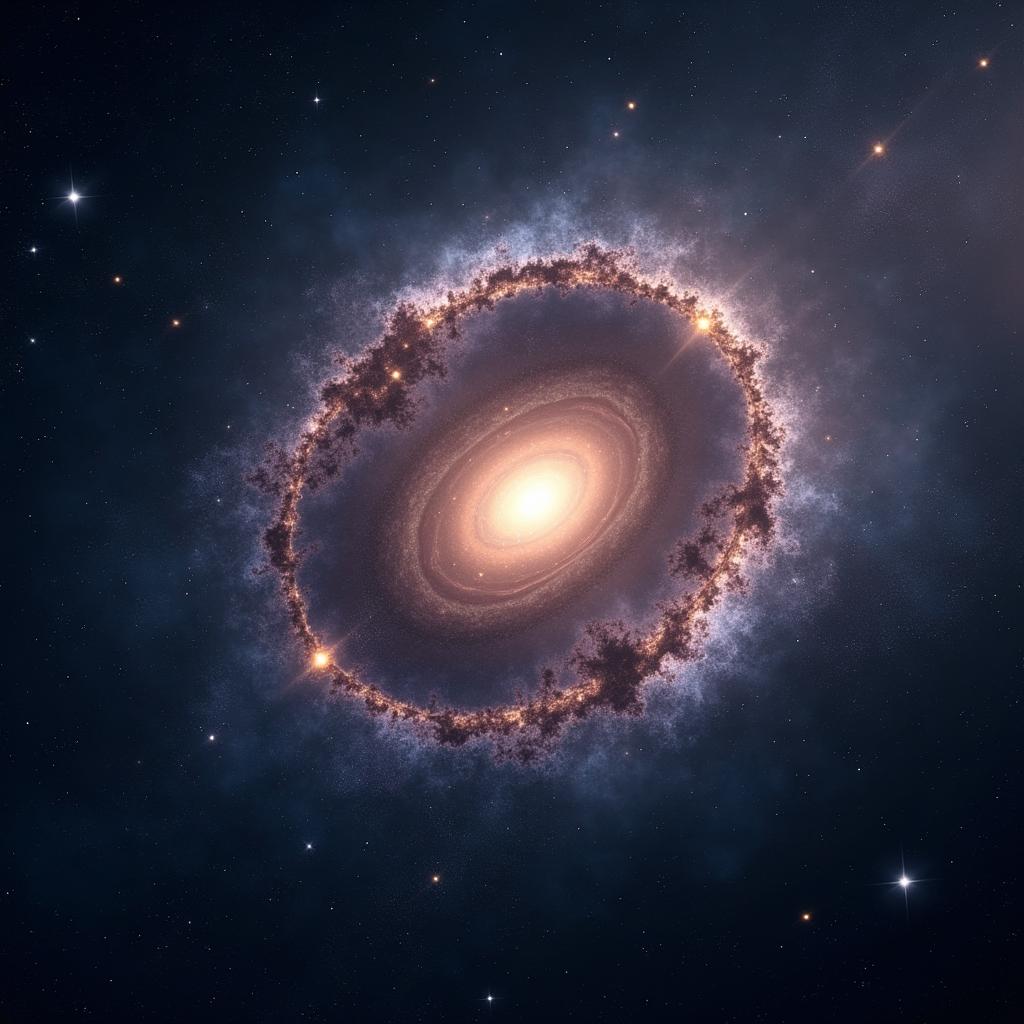
The Great Attractor, a region of space, is pulling our galaxy towards it, sparking fascination and raising questions about the universe’s nature and evolution, with implications for dark matter and large-scale structure.
-
Ancient Chinese civilisation made significant contributions to astronomy, including a lunisolar calendar and astronomical instruments, which have had a lasting impact on our understanding of the universe and its complexities.

-
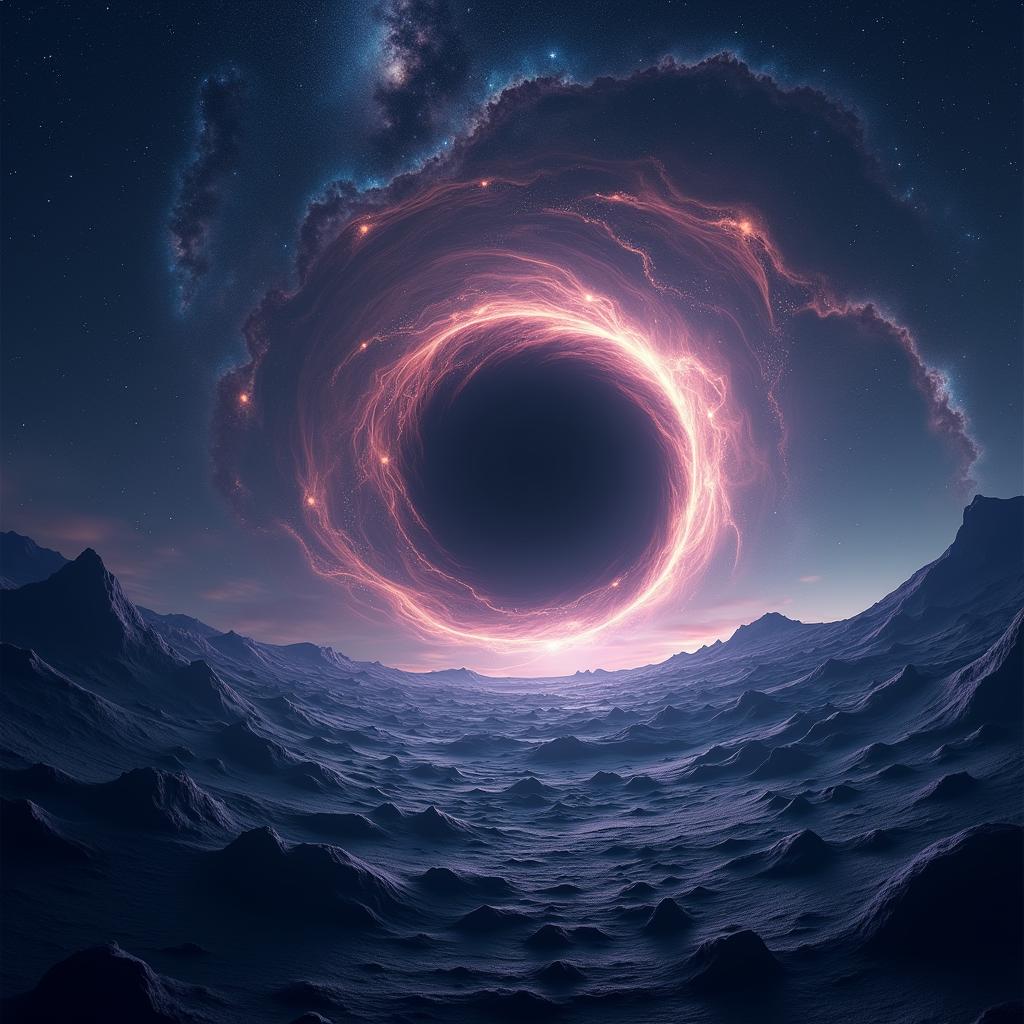
Theoretical physics has led to groundbreaking discoveries, transforming our understanding of the universe, with gravity being a captivating concept that has driven human curiosity for centuries, from Newton’s law to Einstein’s general relativity and beyond.
-
Cryogenics, a rapidly advancing field, aims to preserve life through cryopreservation, with potential applications in medicine and space exploration, despite challenges and controversies surrounding its ethics and accessibility.

-
Technology has profoundly impacted human relationships, altering communication and connection formation, with both benefits and drawbacks, necessitating a balanced approach to maintain healthy, meaningful relationships in the digital era, amidst concerns over mental health and authenticity.

-
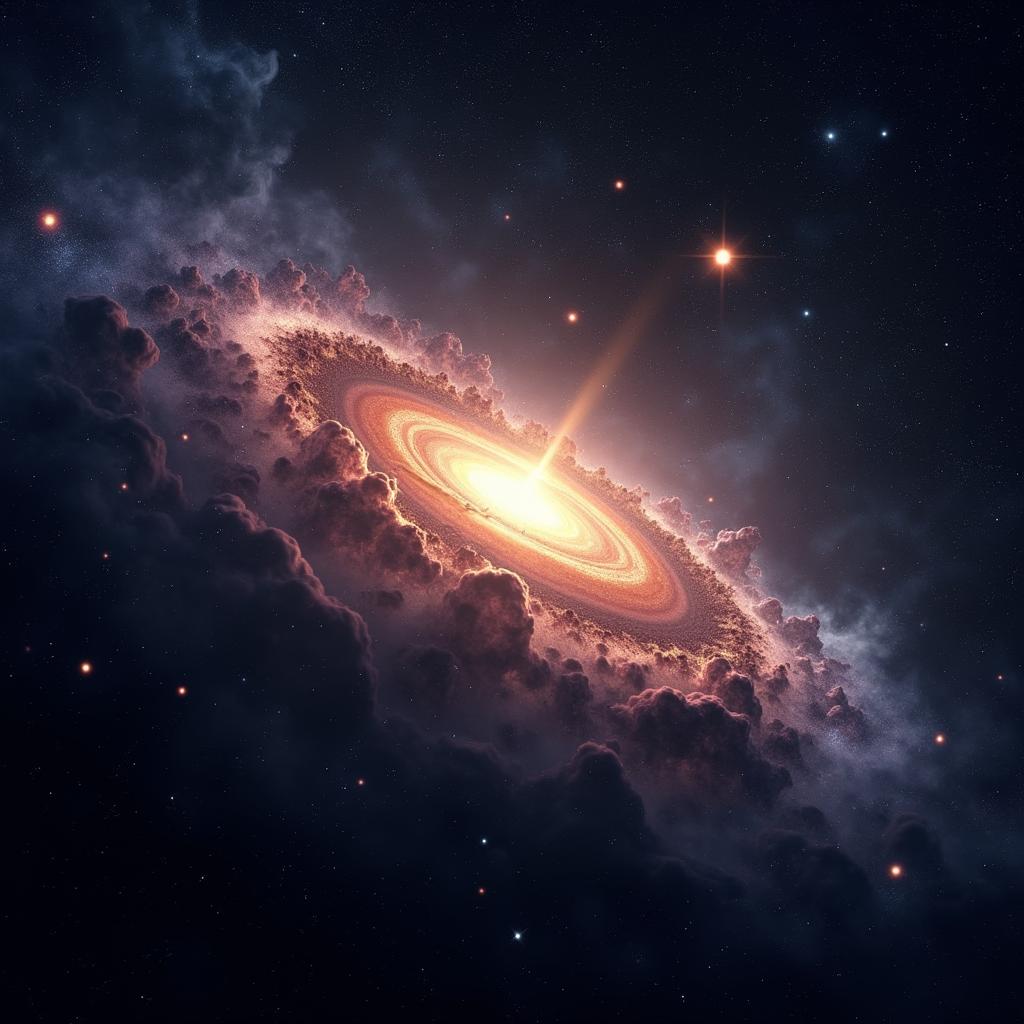
The origins of the universe are a complex and intriguing topic, with various theoretical models, including the Big Bang theory and multiverse hypothesis, attempting to explain its beginnings and evolution over 13.8 billion years.
-
The universe’s early stages fascinate humans, with scientists studying cosmic evolution through astronomical observations, theories, and methodologies, making significant progress in understanding the universe’s origins and evolution.

-
Scientists explore dark matter and dark energy, mysterious entities comprising 95% of the universe, through experiments and observations, seeking to understand their properties and behaviour.

-
Philosophy and science have a complex, interconnected relationship, with philosophy influencing science throughout history, from ancient Greeks to modern times, shaping theories, methodologies, and understanding of the natural world.

-
The simulation hypothesis proposes our reality might be a simulation created by a more advanced civilisation, raising questions about consciousness, free will, and the nature of reality itself, with implications for philosophy, physics, and computer science.

-
Fast Radio Bursts are brief, intense pulses of radio energy from distant galaxies, with unknown origins, sparking scientific fascination and ongoing research to uncover their significance and cause.


 Conversations with AI