Category: History
-
The conversation explores Karl Popper’s paradox of tolerance, which warns against unlimited tolerance that may allow intolerance to flourish. It discusses its historical context, relevance in modern society, and implications for policy-making amid rising hate speech and radical ideologies, emphasizing the need for a balanced, nuanced approach to tolerance.

-
The Bermuda Triangle, an enigmatic region in the North Atlantic, has fascinated adventurers and scientists due to mysterious disappearances of ships and aircraft. Various theories, from extraterrestrial involvement to natural phenomena, attempt to explain these incidents. Its cultural impact embodies humanity’s enduring curiosity about the unknown and unexplained mysteries.

-
The conversation discusses the significant impact of globalization on local cultures, highlighting the dynamics of homogenization, hybridization, and cultural resilience. It examines the exchange of ideas and practices, alongside the risks to cultural diversity, emphasizing the reciprocal relationship between globalization and local cultural adaptation and transformation.

-
The article explores the history of astronomy, highlighting ancient civilizations’ theories, such as the Egyptians’ solar calendar and Aristotle’s geocentric model. It discusses the heliocentric theory by Aristarchus, which gained recognition much later. These early ideas influenced humanity’s understanding of the cosmos, blending science, culture, and philosophy.

-
The Internet has transformed global communication and innovation over the past 50 years, originating from military research in the 1960s. Key developments, like ARPANET and the World Wide Web, spurred widespread networking and knowledge sharing. Future challenges include privacy concerns and adapting to decentralized models, raising questions about its ultimate trajectory.

-
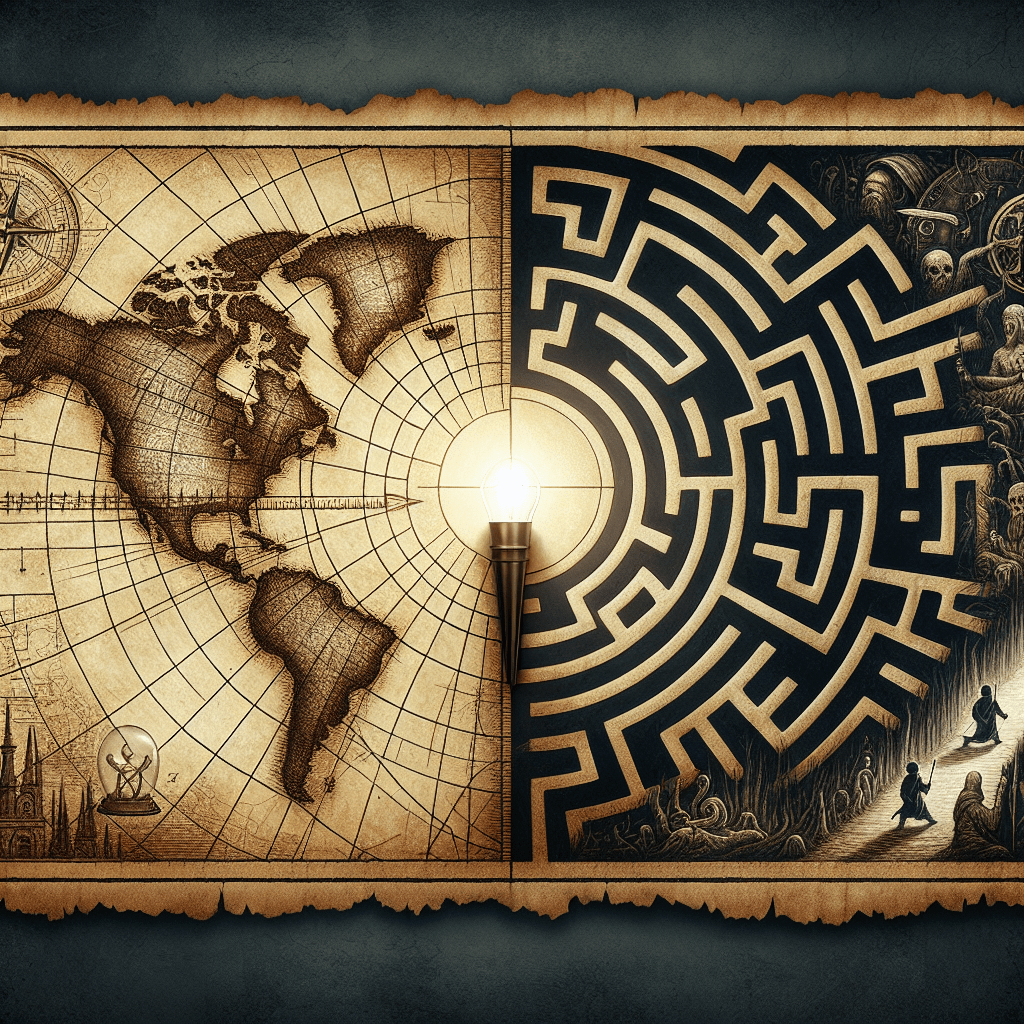
This conversation explores the nature of conspiracy theories, highlighting their simple explanations for complex issues and their historical evolution. It discusses their societal implications, such as fostering misinformation and mistrust, while emphasizing the importance of discerning reality from fiction. Critical thinking is essential to navigate this captivating landscape responsibly.
-
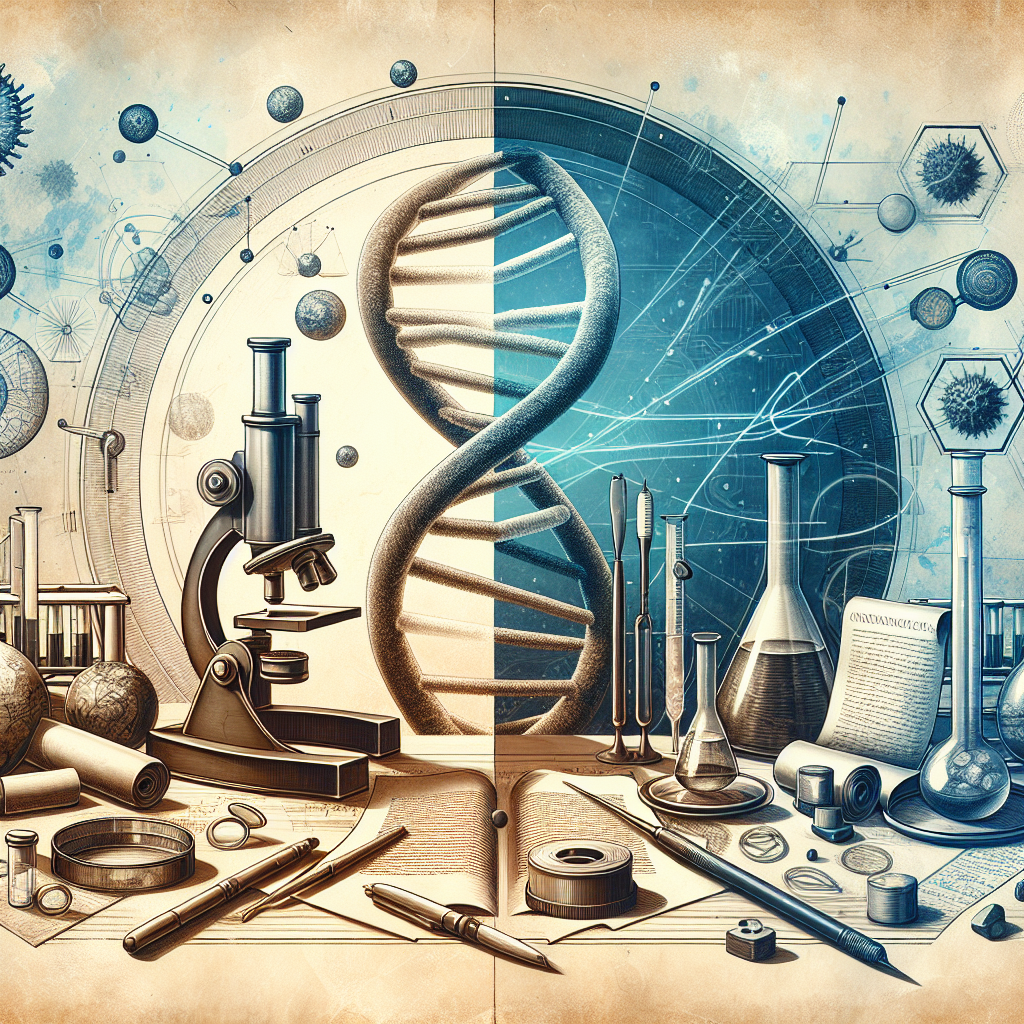
The conversation explores the interplay between historical mysteries and forensic science, highlighting its role in uncovering truths about past events. Forensic techniques, including DNA analysis and isotope studies, enhance historical narratives, though some critics argue it may overshadow traditional methods. Collaboration between disciplines is essential for deeper understanding.
-
The Voynich Manuscript, discovered in 1912, is an enigmatic 15th-century text filled with indecipherable language and strange illustrations. Despite numerous attempts by experts to decode it, its origins and authorship remain unknown. This enduring mystery invites ongoing academic exploration into history, linguistics, and cryptology.

-
The article explores the contrasting philosophies of ancient pastoral wisdom and modern linear thinking. It highlights the cyclical worldview of ancient societies rooted in nature, compared to the rational, mechanistic approach of modernity. By bridging these philosophies, the discussion emphasizes their coexistence and relevance in addressing spiritual disconnection in the 21st century.

-
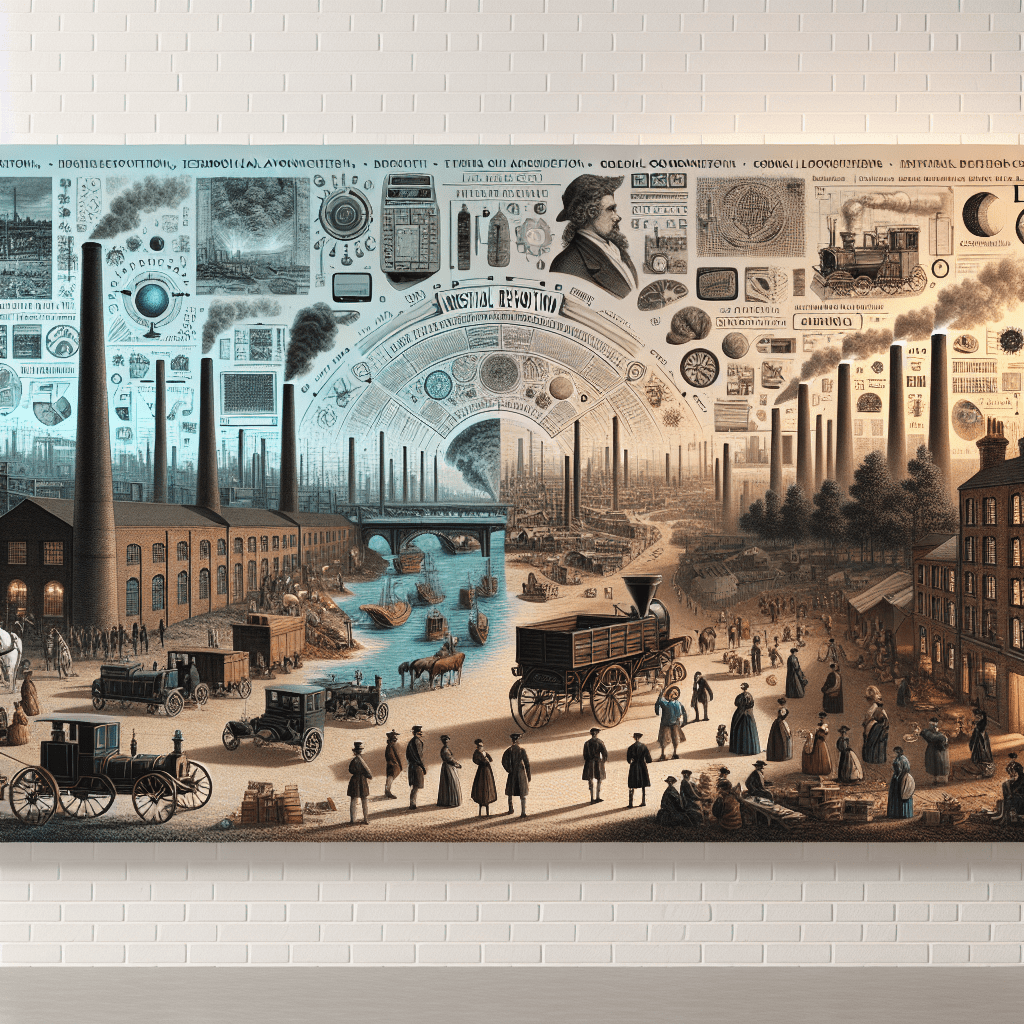
The Industrial Revolution marked significant socio-economic transformation from the late 1700s to the early 19th century, originating in Britain. It brought technological breakthroughs, urbanization, and the rise of factories, impacting labor, global trade, attitudes toward wealth, and social classes, with effects still relevant today in the digital age.
-
This article examines the rise and fall of the Roman Empire, detailing its founding in 753 BC, transformation into a Republic, and eventual shift to an Empire under Augustus Caesar. It highlights key political figures, cultural impacts, and factors contributing to its decline, while emphasizing lessons on adaptability and historical interpretation.

-
Preserving Indigenous knowledge is vital for cultural diversity and environmental solutions. Dr. Gregory Cajete highlights the importance of Indigenous wisdom in sustainable living. Language and arts hold cultural expressions, as Dr. J. Richard Steffensen and Dr. Sam Gill note. Collaboration with Indigenous communities promotes cultural preservation and innovative ecological solutions.

-
Unlocking the Final Frontier: Humanity’s Path to the Stars
2–4 minutes·
·
Space colonisation fascinates humanity, driven by resource acquisition, environmental preservation, and survival. Asteroids and planets offer valuable resources, while space colonies could reduce Earth’s ecological strain. Ensuring human survival against catastrophic events like asteroid impacts is crucial. However, technical and ethical challenges persist, necessitating innovation, ethics, and international cooperation as humanity becomes a spacefaring civilization.

-
Rediscovering ancient herbal remedies highlights their importance in historical and modern medicine. As interest grows in alternative therapies, there’s a return to nature, exploring historical texts and traditions for health insights. Modern studies validate many ancient remedies like turmeric and garlic, emphasizing a holistic approach and cultural connections in healing practices.

-
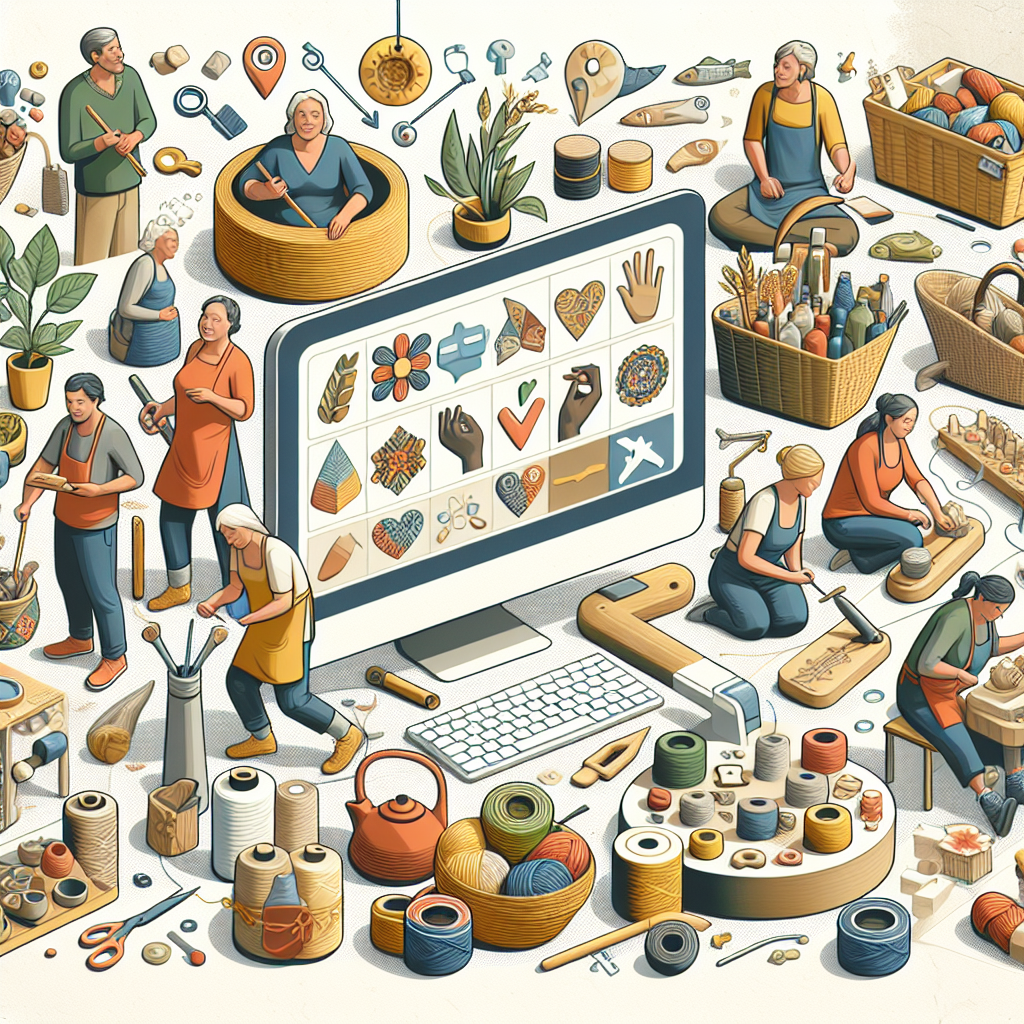
Traditional crafts are gaining popularity as people seek sustainable, ethical alternatives to mass-produced goods. The appeal lies in the personal connection and quality of handmade items. Digital marketplaces like Etsy, educational initiatives, and community workshops support this trend, fostering a cultural shift towards mindfulness, heritage, and environmentally conscious living.


 Conversations with AI