Category: Culture
-
This conversation explores the evolution of language and written communication, highlighting its historical origins, complexity, and societal impact. It discusses significant milestones, including the Human Revolution, the advent of writing, and the printing press, while addressing language inequality and the effects of digital communication on language’s future.

-
The discussion highlights the significant yet understated roles of women in ancient civilizations, contrasting traditional male-centric historical narratives. It explores women’s diverse contributions across societies like Egypt, Greece, Rome, Mesopotamia, and China, emphasizing their legal protections, economic power, and influential positions, while questioning the historical omissions of female stories.

-
This conversation explores theories surrounding the Titanic’s sinking in 1912, suggesting it may have been intentional rather than accidental. It examines the ‘switch theory’ positing financial motives, despite criticism from historians. Ultimately, the discussion highlights the enduring intrigue and debate about historical narratives and alternative interpretations of events.

-
The conversation explores Karl Popper’s paradox of tolerance, which warns against unlimited tolerance that may allow intolerance to flourish. It discusses its historical context, relevance in modern society, and implications for policy-making amid rising hate speech and radical ideologies, emphasizing the need for a balanced, nuanced approach to tolerance.

-
The conversation discusses the significant impact of globalization on local cultures, highlighting the dynamics of homogenization, hybridization, and cultural resilience. It examines the exchange of ideas and practices, alongside the risks to cultural diversity, emphasizing the reciprocal relationship between globalization and local cultural adaptation and transformation.

-
The article explores the contrasting philosophies of ancient pastoral wisdom and modern linear thinking. It highlights the cyclical worldview of ancient societies rooted in nature, compared to the rational, mechanistic approach of modernity. By bridging these philosophies, the discussion emphasizes their coexistence and relevance in addressing spiritual disconnection in the 21st century.

-
Compassion requires mindful kindness and empathy towards ourselves and others. Influential figures like Dr. James R. Doty emphasize its human significance. Self-compassion is foundational, as highlighted by Dr. Kristin Neff. Active listening and community practice foster compassion’s ripple effect, enriching connections and well-being. Developing compassion requires patience and perseverance.

-
The conversation highlights the importance of diverse literature in promoting inclusivity and empathy, giving voice to underrepresented communities, and enriching the literary canon. Quotes from authors like Malorie Blackman and Chimamanda Ngozi Adichie emphasize how diverse stories change perspectives and challenge stereotypes. Publishers, educators, and readers play crucial roles in supporting such literature.

-
Slow living is a lifestyle embracing mindfulness and balance amidst modern society’s fast pace. It encourages presence, simplicity, sustainability, and nurturing relationships by prioritizing intrinsic fulfillment over societal expectations. Advocates like Juliet B. Schor, Jon Kabat-Zinn, Vandana Shiva, Brené Brown, and Carl Honoré highlight its benefits on well-being, sustainability, and meaningful connections.

-
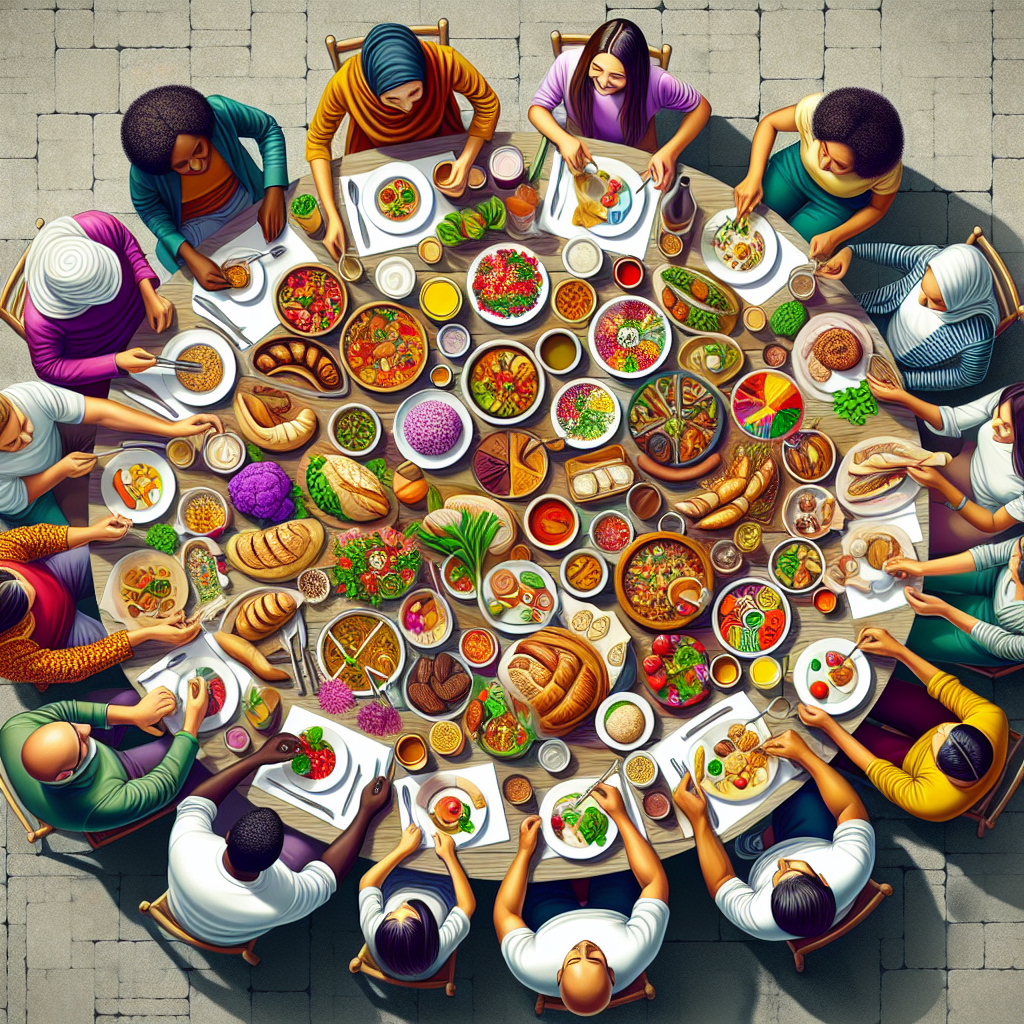
This conversation emphasizes the role of cuisine as a universal language and cultural bridge. It discusses how food fosters intercultural understanding, preserves heritage, and facilitates social integration. Quotes from culinary influencers like Yotam Ottolenghi and Madhur Jaffrey underscore how shared meals can connect people and promote global awareness.
-
Acts of random kindness strengthen community bonds, offering hope and highlighting inherent human goodness. Such gestures initiate positive feedback loops, inspiring wider emulation. These actions enhance well-being and foster empathy, creating ripples of compassion. Community initiatives harness this spirit, promoting collective movements for positive change, countering negativity and transforming lives.

-
The fashion industry is shifting towards sustainability due to its environmental impact. Emphasis on sustainable materials, ethical manufacturing, and conscious consumerism drives this change. Innovations in technology aid eco-friendly practices. Stakeholders aim for a collective effort in redefining fashion as environmentally responsible, aiming for broader industry influence. Challenges persist.

-
Preserving Indigenous knowledge is vital for cultural diversity and environmental solutions. Dr. Gregory Cajete highlights the importance of Indigenous wisdom in sustainable living. Language and arts hold cultural expressions, as Dr. J. Richard Steffensen and Dr. Sam Gill note. Collaboration with Indigenous communities promotes cultural preservation and innovative ecological solutions.

-
Rediscovering ancient herbal remedies highlights their importance in historical and modern medicine. As interest grows in alternative therapies, there’s a return to nature, exploring historical texts and traditions for health insights. Modern studies validate many ancient remedies like turmeric and garlic, emphasizing a holistic approach and cultural connections in healing practices.

-
Urban gardening revitalizes city spaces and strengthens community ties by fostering social interaction and education. These gardens connect diverse people, teach sustainable practices, and enhance aesthetics and environmental health. They improve food security, offer economic opportunities, and support mental well-being, serving as peaceful refuges that improve residents’ quality of life.


 Conversations with AI