Category: Science and Technology
-
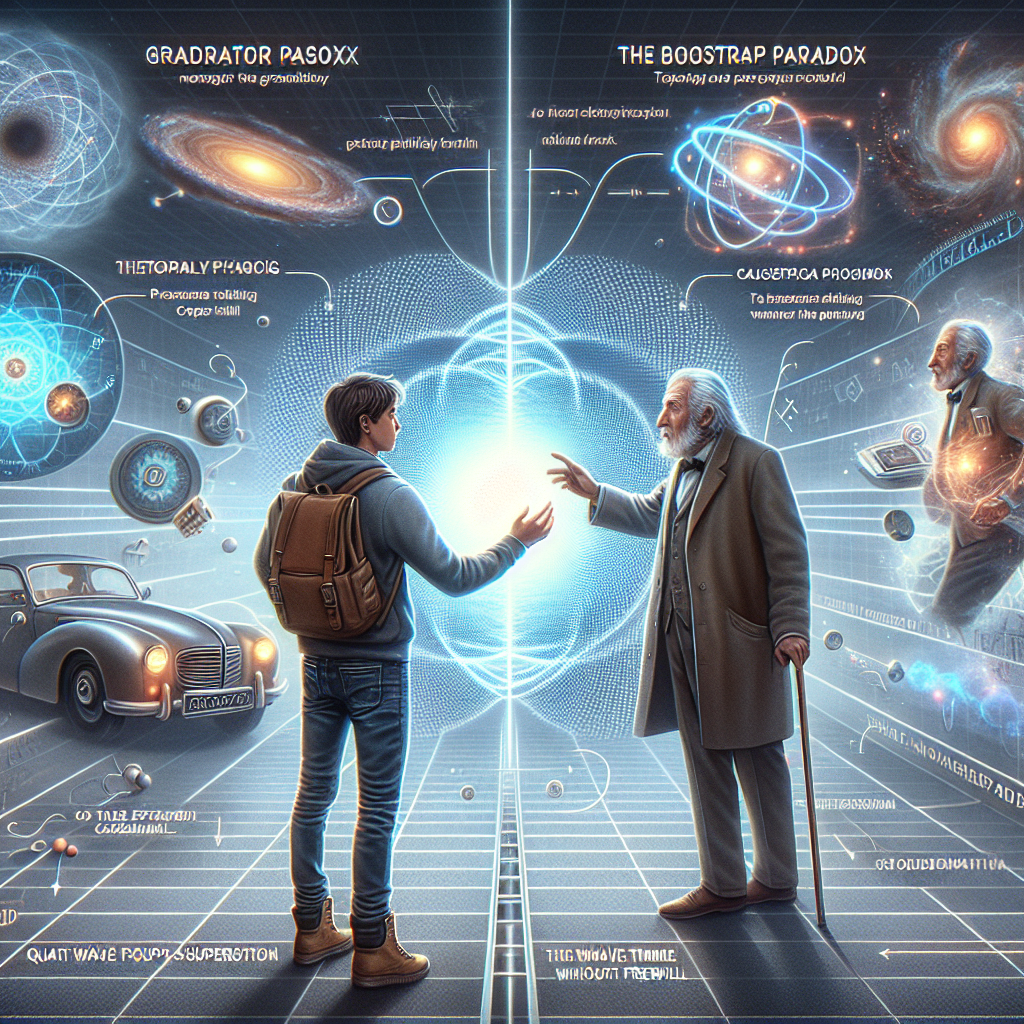
This conversation explores the intrigue of time travel, its cultural significance, and the associated paradoxes: the Grandfather Paradox, Bootstrap Paradox, and Predestination Paradox. It discusses the theoretical physics concepts that underpin these paradoxes and their implications for understanding causality, free will, and the nature of reality.
-
Algorithms to Awareness: AI Evolution and Its Ethical Frontiers
3–5 minutes·
·
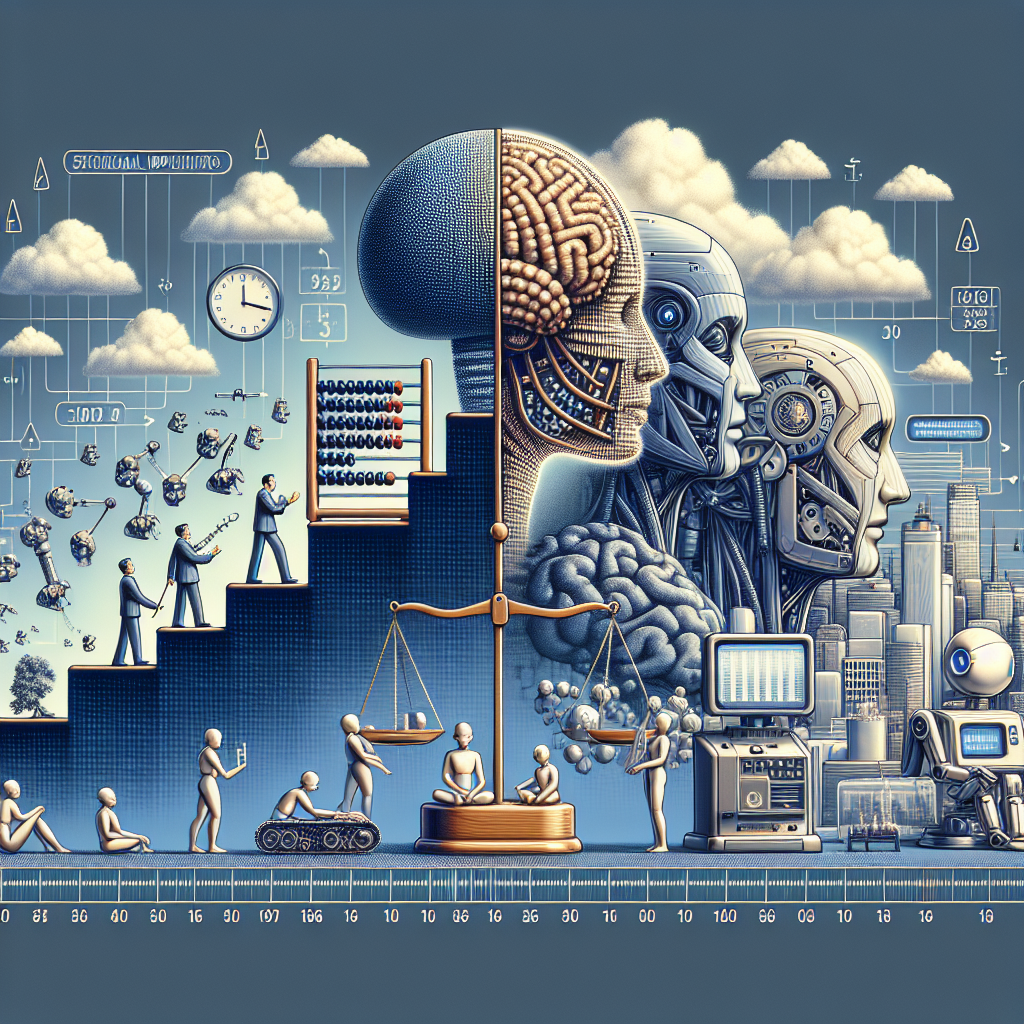
The discussion explores the evolution of Artificial Intelligence (AI) since its term was coined in 1956, addressing questions of consciousness and self-awareness in machines. It contrasts ‘Strong AI’ and ‘Weak AI,’ highlights societal implications, and raises ethical concerns surrounding potential AI consciousness, emphasizing the need for comprehensive understanding.
-
The conversation highlights the intertwined relationship between philosophy and science, emphasizing their historical dialogue and mutual influence. It discusses key areas like epistemology, methodology, and ethics in scientific progress, pointing out philosophy’s role in guiding scientific inquiry. The article stresses the importance of collaboration for truth-seeking across both fields.

-
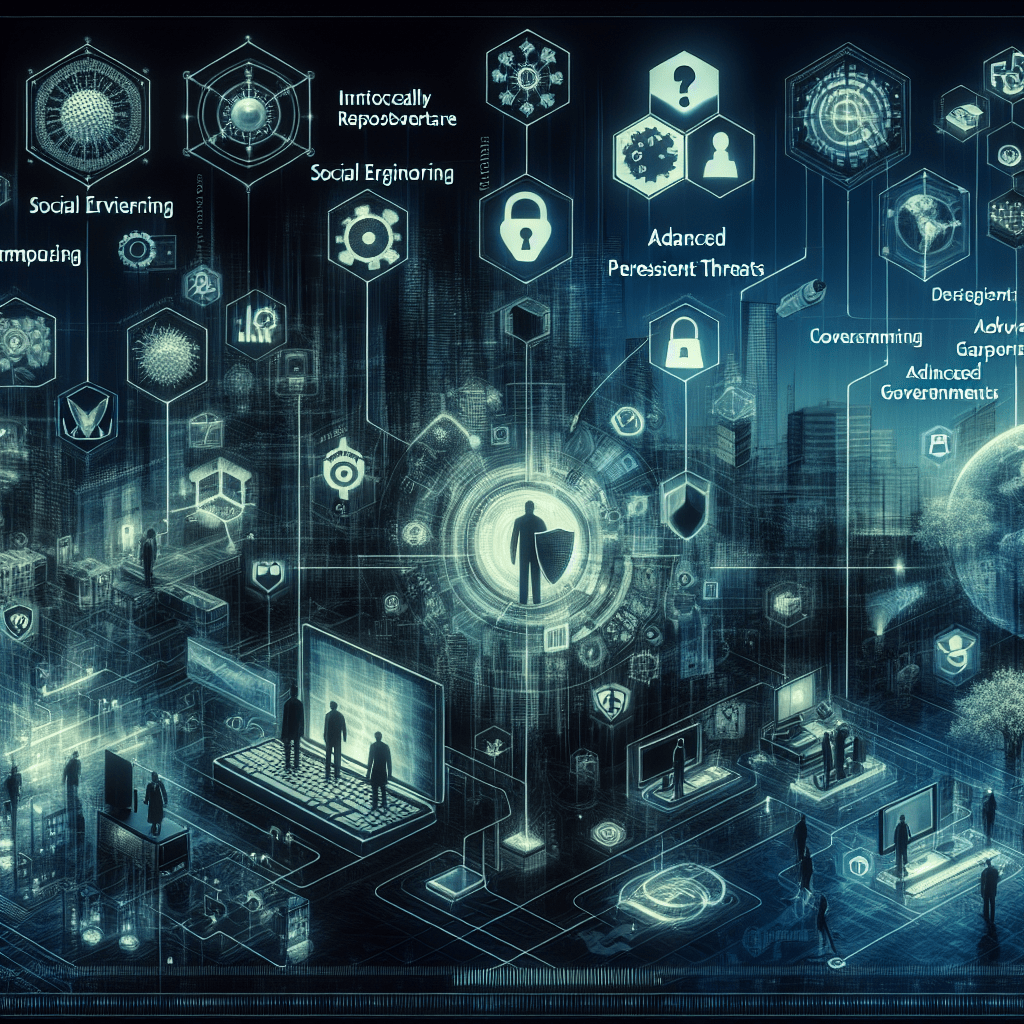
This article explores the complex landscape of cybersecurity threats in the 21st century, highlighting categories like malware, social engineering, and advanced persistent threats. It discusses the evolution of these threats since the 1970s, emphasizing the need for proactive measures by individuals, corporations, and governments to ensure digital safety and privacy.
-
The conversation explores the intertwined relationship between art and science, tracing their historical connections from ancient Greece through the Renaissance to modern developments. Both disciplines share a curiosity-driven pursuit of understanding existence, often utilizing each other’s methods. The article contemplates their future convergence and challenges the dichotomy between subjectivity and objectivity.

-
This article discusses the growing concern of data privacy in today’s information-sharing society. It explores the ethical dilemmas surrounding transparency, ownership, and governance amidst increasing technology reliance. Highlighting issues like the Cambridge Analytica scandal, it calls for ongoing public awareness and research on data privacy’s implications for society.

-
The dialogue explores astrobiology, the scientific search for extraterrestrial life. It discusses historical perspectives, methodologies, and future prospects, emphasizing key technological advancements like the Mars Rover and Kepler Telescope. The field blends multiple sciences, raising fundamental questions about our origin, existence in the universe, and the possibility of alien life.

-
This conversation delves into the complex philosophy of time, contrasting ancient views with modern interpretations, particularly through Einstein’s theory of relativity and quantum mechanics. It addresses debates between presentists and eternalists, the implications of time travel, and the intricacies of time as both a scientific and philosophical construct.

-
Merging Minds and Machines
3–4 minutes·
·
The conversation discusses Brain-Computer Interfaces (BCIs), merging mind and machine, highlighting their historical development since the 1970s, current applications, and future potential. It addresses the types (invasive vs. non-invasive), challenges, and ethical considerations. BCIs promise revolutionary changes but raise important societal issues regarding privacy and identity.

-
The article explores the history of astronomy, highlighting ancient civilizations’ theories, such as the Egyptians’ solar calendar and Aristotle’s geocentric model. It discusses the heliocentric theory by Aristarchus, which gained recognition much later. These early ideas influenced humanity’s understanding of the cosmos, blending science, culture, and philosophy.

-
This conversation discusses the evolution and impact of virtual reality (VR) from its inception in the 1960s to its diverse applications today, including gaming, training, and healthcare. While VR enhances experiences, concerns about addiction and health implications remain. The future of VR is promising yet requires cautious exploration.

-
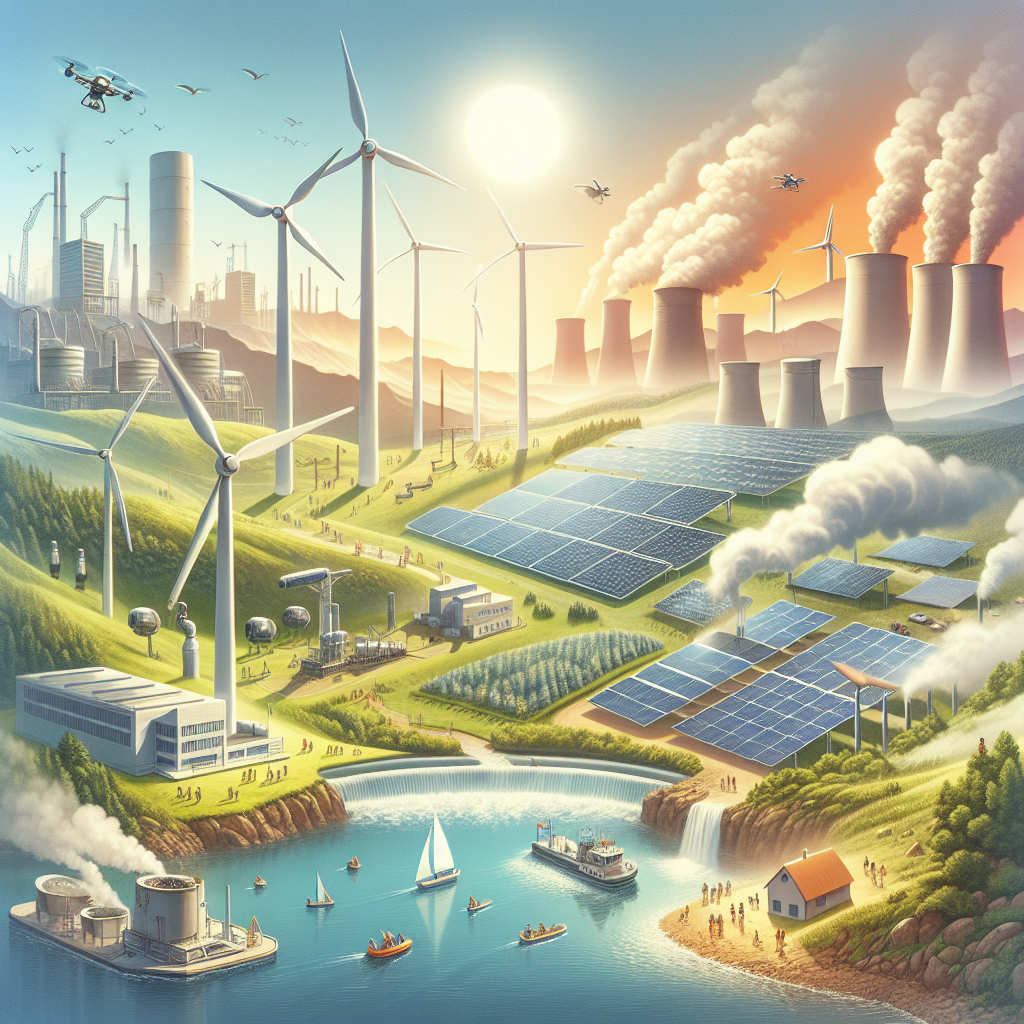
This conversation explores the transformation towards renewable energy, focusing on solar, wind, geothermal, and hydropower. It highlights the environmental urgency of reducing fossil fuel dependence, technological advancements, and socio-economic benefits. The discussion emphasizes the need for policy alignment and innovation to realize a sustainable energy future for generations to come.
-
The conversation discusses predictive coding, a theory suggesting the brain functions as a prediction machine, decoding sensory information. Originating in the late 1980s, it has implications in neuroscience and artificial intelligence. While controversial, predictive coding may transform understanding and treatment of mental disorders, as it intertwines with advancements in AI.

-
The Internet has transformed global communication and innovation over the past 50 years, originating from military research in the 1960s. Key developments, like ARPANET and the World Wide Web, spurred widespread networking and knowledge sharing. Future challenges include privacy concerns and adapting to decentralized models, raising questions about its ultimate trajectory.
-
The article explores climate change’s controversial nature, highlighting overwhelming scientific evidence of global warming. It emphasizes the human role in accelerating this phenomenon and discusses significant risks, including health crises and social unrest. Despite skepticism, the scientific community urges action to mitigate climate change and foster environmental sustainability.


 Conversations with AI