Category: Spirituality
-
For centuries, we wondered if we were alone. Then, an alien ship visited, had a good look at our little planet, and simply left without a word. This is the story of what happened next: how humanity dealt with the cosmic sting of being ghosted, and how the ultimate grudge became our greatest motivation.

-
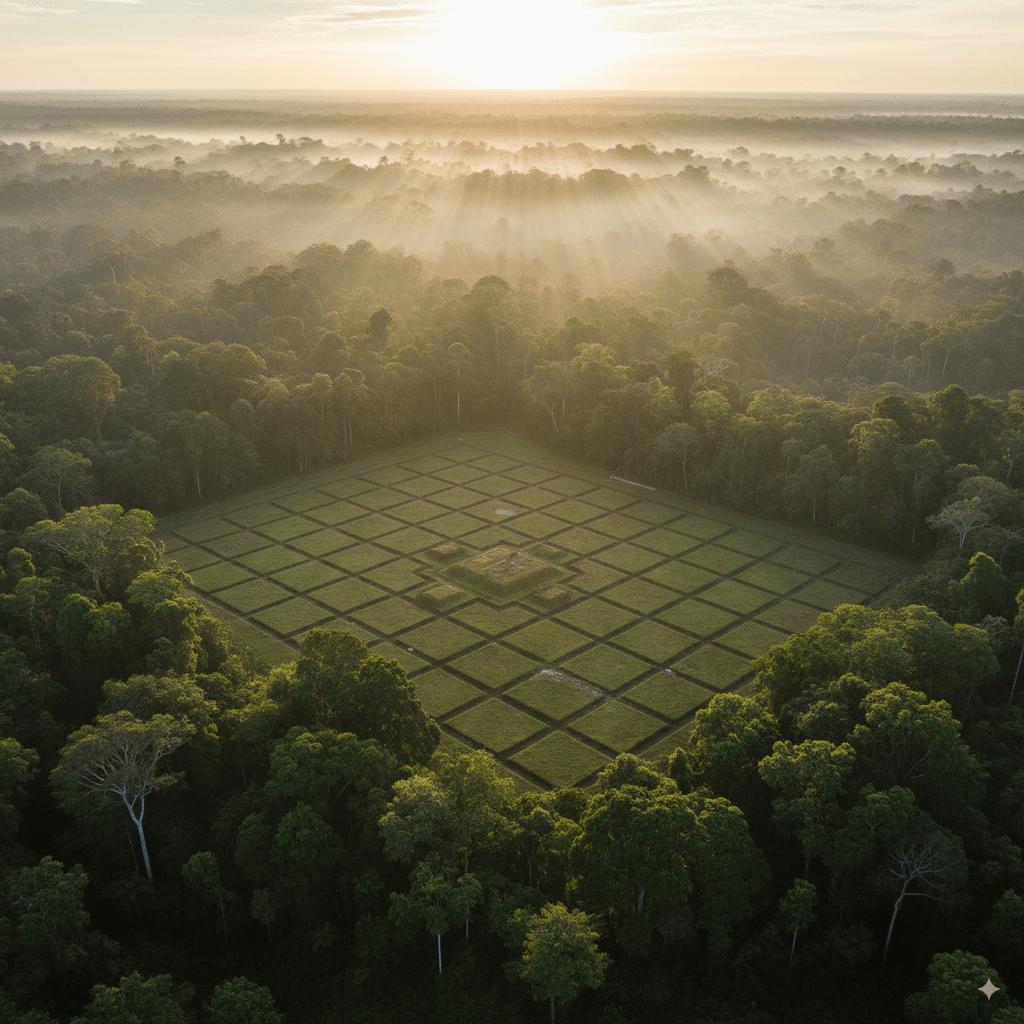
Exploring theories of civilisational collapse, this article questions if entire societies existed and vanished before recorded history. From the well-documented falls of Rome and the Maya to the staggering mystery of Göbekli Tepe, it examines the lessons these lost worlds might hold about the fragility of our own time.
-
The Hollow Earth theory, a captivating idea of inner worlds, persisted from myth to early “scientific” proposals by figures like Halley and Symmes. Despite overwhelming geophysical evidence (gravity, seismology, planetary formation) proving Earth solid, the notion endures in popular imagination, fuelled by a desire for mystery and mistrust of authority.

-
Science provides powerful tools for understanding how things work, but philosophy tackles deeper questions about what we are, the nature of reality, and knowledge itself. It critically examines assumptions, complements scientific inquiry, and helps us understand the implications of our discoveries, proving essential in our quest for understanding.

-
Ancient civilisations, like those at Stonehenge and Chichen Itza, possessed remarkable astronomical ingenuity without modern technology. These sites, aligned with celestial events such as solstices and equinoxes, served as calendars and ritual centres, revealing early human efforts to comprehend the cosmos and its profound influence on their lives.

-
Glitch, Meaning, or Mind?
10–14 minutes·
·
Synchronicity describes meaningful coincidences that feel uncanny, suggesting deeper connections. Carl Jung defined it as an acausal principle, distinct from chance. While psychological biases offer explanations, these events evoke wonder, with some speculating they could be “glitches in the Matrix,” prompting questions about reality’s fabric.

-
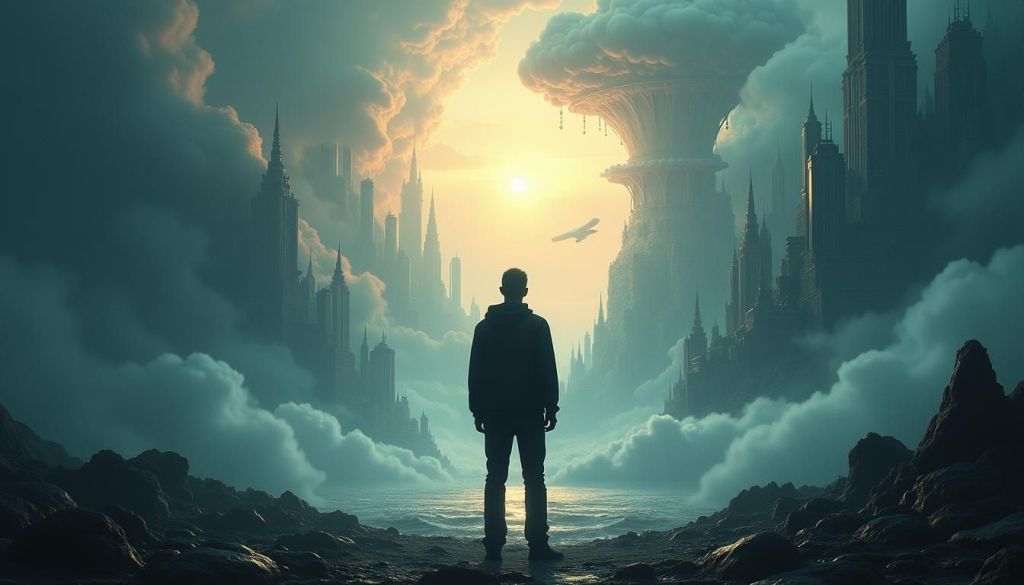
Solipsism, the theory that only one’s own mind is certain to exist, has ancient roots and was notably explored via Descartes’ “Cogito”. While the egocentric predicament makes it hard to refute, arguments from language and practicality counter it. Though not widely believed, solipsism endures as a thought experiment questioning reality.
-
The text explores cyclical theories of civilisational rise and fall, citing historical perspectives. It details Spengler’s deterministic model of cultures having organic life cycles and Toynbee’s focus on “Challenge and Response” and creative minorities. Despite criticisms, these grand theories encourage thinking about long-term historical patterns and contemporary global challenges.

-
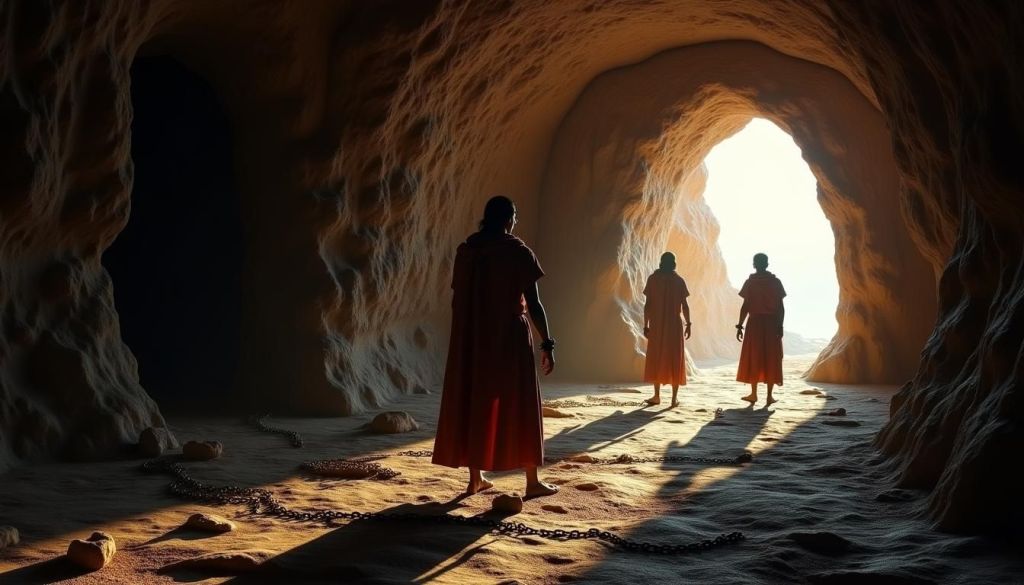
Plato’s Allegory of the Cave illustrates prisoners mistaking shadows for reality. This timeless tale explores the challenging path to true knowledge. It remains relevant, echoing in modern neuroscience, virtual reality, psychology, and science fiction, highlighting the ongoing human struggle to distinguish illusion from genuine reality and question perceived truths.
-
Ancient China’s philosophical legacy, born from Zhou Dynasty turmoil (1046–256 BCE), shaped ethics, governance and culture. Confucianism (ren, reciprocity), Daoism (harmony with Dao), Legalism (strict laws) and Mohism (universal love) offered competing visions. Suppressed or revived, these ideas endured, influencing East Asian education, science and policy. Their balance of humanism, naturalism and pragmatism remains globally…

-
Biophysics combines biology and physics to decode life’s molecular mechanisms, from protein folding to cellular processes. Emerging in the mid-20th century, it builds on historical breakthroughs like DNA’s structure and Hodgkin-Huxley’s nerve models. Applications include MRI, drug design, and synthetic biology, while controversies surround CRISPR and AI-driven research. Future challenges involve quantum biology and ethical…

-
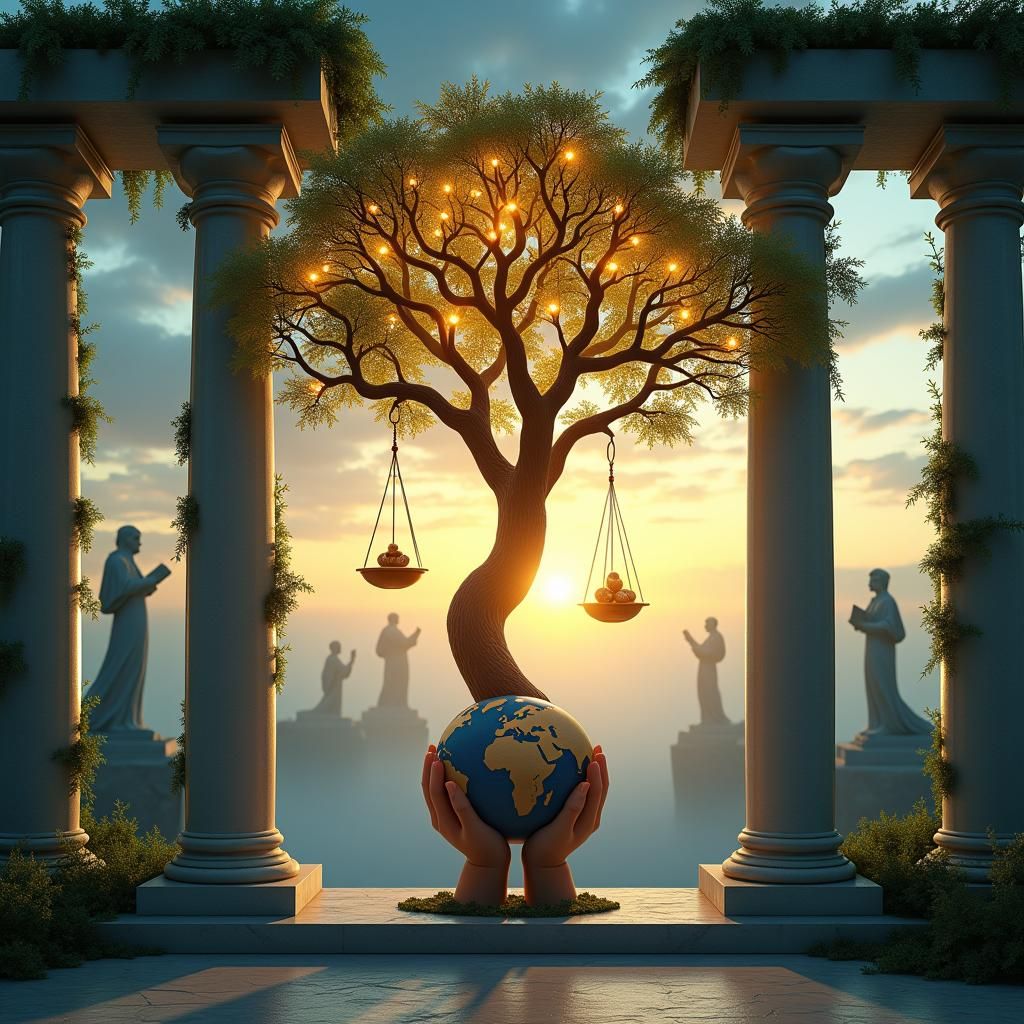
Philosophy underpins humanity’s understanding of ethics, from ancient Greek debates on virtue to Enlightenment theories of rights and modern dilemmas like AI. Thinkers like Socrates, Kant and Mill established frameworks for moral reasoning, emphasising critical inquiry over rigid rules. As evolving dialogue, philosophy addresses contemporary issues—climate change, human rights, technology—guiding ethical progress through reasoned debate.
-
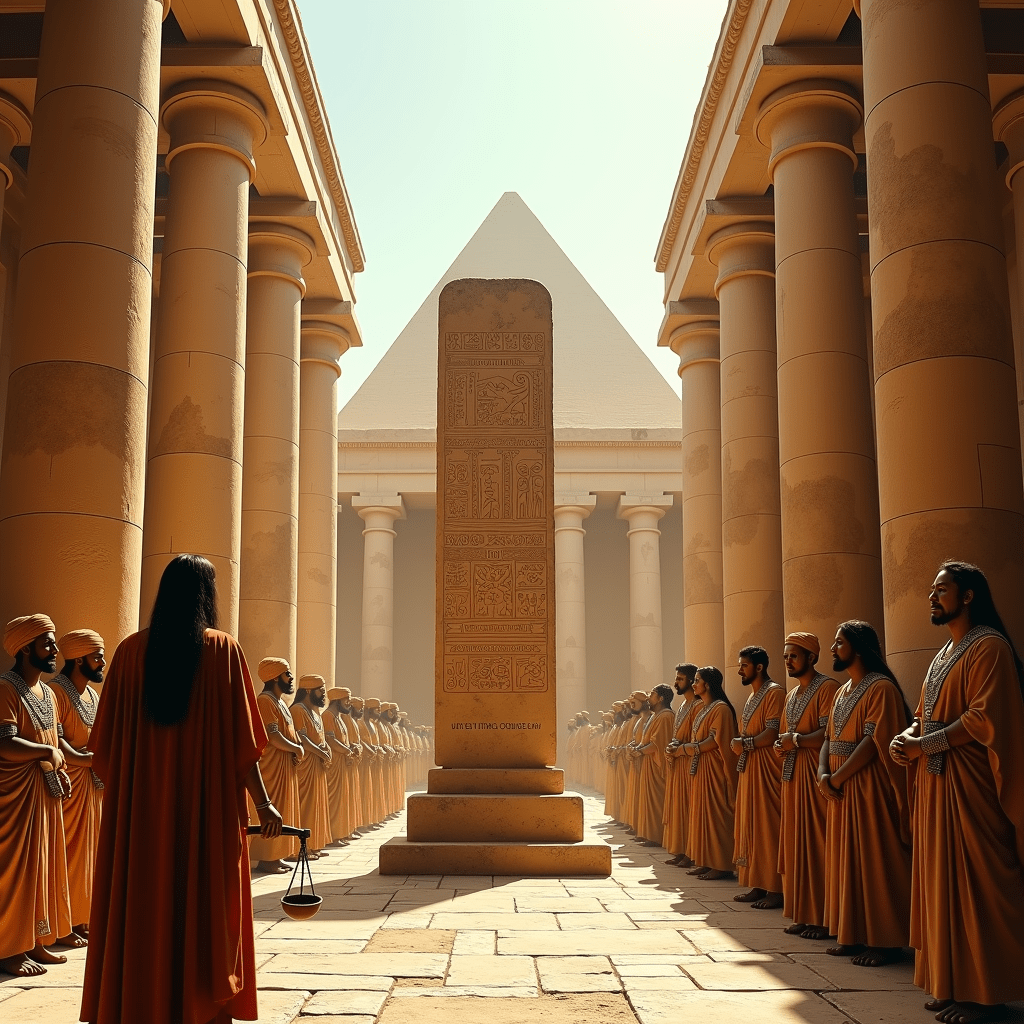
Mesopotamia, birthplace of codified law over 3,800 years ago, established written legal systems via codes like Ur-Nammu’s (fines) and Hammurabi’s (*lex talionis*). These laws standardised justice, reflected social hierarchies, yet granted women rights. Courts used evidence and testimony. Their legacy—transparency, proportionality, accountability—shaped Hebrew, Roman, and modern legal frameworks, embedding principles still foundational today.
-
Ancient Chinese mythology, rooted in Shang Dynasty oracle bones, blends diverse regional tales and philosophies like Confucianism and Daoism. Myths of Pangu’s cosmic creation, Nüwa’s sky-mending, and Sun Wukong’s rebellion embody moral and natural lessons. Evolving through oral traditions, they shaped cultural identity, imperial legitimacy, and persist in festivals and modern media, reflecting collective harmony.

-
Lucid dreaming, a centuries-old concept, involves conscious recognition and control of dreams, with potential benefits including improved problem-solving skills and emotional regulation, but also drawbacks such as addiction and increased stress.



 Conversations with AI