Category: Philosophy
-
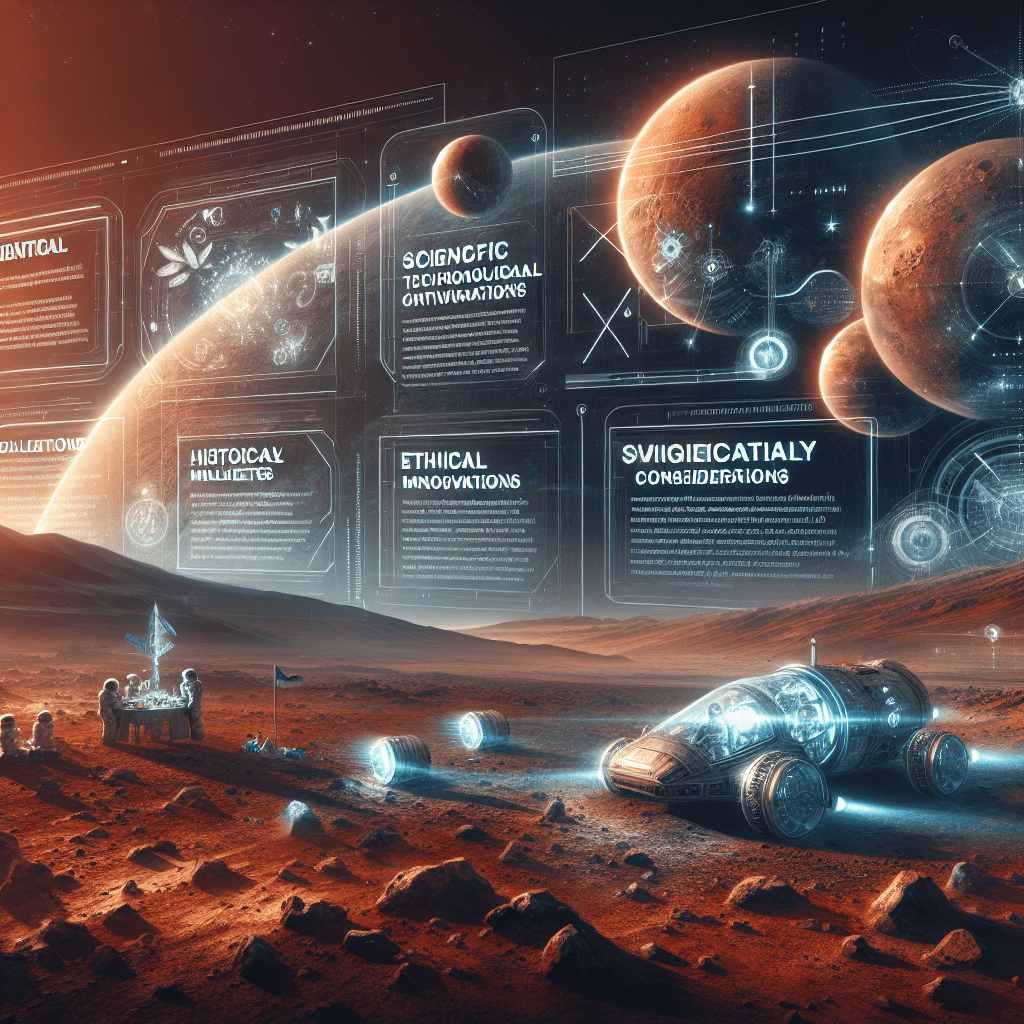
This article discusses the evolving prospects of human colonization on Mars, highlighting scientific, technological, and societal challenges. It explores historical milestones, significant innovations, and ethical considerations while emphasizing the complexity of establishing a new society on the red planet, ultimately questioning humanity’s ability to become a multi-planetary species.
-
The conversation explores the concept of hidden dimensions in physics, focusing on theories like string theory and their implications. It discusses theoretical underpinnings, experimental advancements at the Large Hadron Collider, philosophical impacts, and insights from physicists. The pursuit of hidden dimensions challenges current understanding, offering potential breakthroughs in unifying quantum mechanics and general relativity.

-
Mindful journaling merges mindfulness and journaling, enhancing self-awareness and emotional insight. It aids emotional regulation, reduces stress, and supports personal growth. Through regular reflection, individuals articulate anxieties and set goals, improving mental health. The practice is accessible, requiring minimal time for significant benefits, fostering tranquility and personal insight.

-
Acts of random kindness strengthen community bonds, offering hope and highlighting inherent human goodness. Such gestures initiate positive feedback loops, inspiring wider emulation. These actions enhance well-being and foster empathy, creating ripples of compassion. Community initiatives harness this spirit, promoting collective movements for positive change, countering negativity and transforming lives.

-
The conversation discusses the dual impact of social media on mental health, with concerns about anxiety and depression, especially among youth. It highlights issues like the “highlight reel” effect, addictive platform designs, and unrealistic comparisons. However, it acknowledges social media’s role in fostering community support, emphasizing balanced and healthy use.

-
Unveiling the Path to Lasting Happiness
2–4 minutes·
·
The psychology of happiness explores what contributes to people’s contentment and fulfillment. Key factors include the ‘set point’ theory, social connections, resilience, gratitude, and mindfulness. Genetics, social bonds, and mindset significantly impact well-being. By adopting positive behaviors and attitudes, individuals can enhance their happiness and lead a fulfilling life.

-
The conversation emphasizes the importance of promoting mental health awareness in schools by integrating it into the curriculum and training educators. It highlights the role of teachers, student-led initiatives, and accessible resources in fostering a supportive environment. Quotes from public figures stress prioritizing mental health education and reducing stigma to empower students.

-
Cultural diversity enriches humanity through unique customs and perspectives, enhancing global arts, innovation, and social cohesion. By embracing differences, we foster empathy and harmony. Influential voices like Ola Joseph, Maya Angelou, and Kofi Annan highlight diversity’s beauty and strength, urging us to celebrate shared experiences for a more inclusive world.

-
Resilience: The Art of Thriving Amidst Life’s Storms
2–3 minutes·
·
Resilience, a skill developed through effort, enables individuals to manage stress and overcome challenges. Key elements include fostering a positive mindset, building strong support networks, enhancing problem-solving abilities, and practicing self-care. These tools empower people to face adversity with courage, as highlighted by experts like Dr. Amit Sood and Carol Dweck.

-
Mindful listening is a valuable skill that enhances relationships by promoting understanding and empathy. It involves being fully present and attentive, setting aside distractions to truly connect with the speaker. Practicing this can lead to personal growth, improved communication, and better team dynamics, underscoring its importance in both personal and professional settings.

-
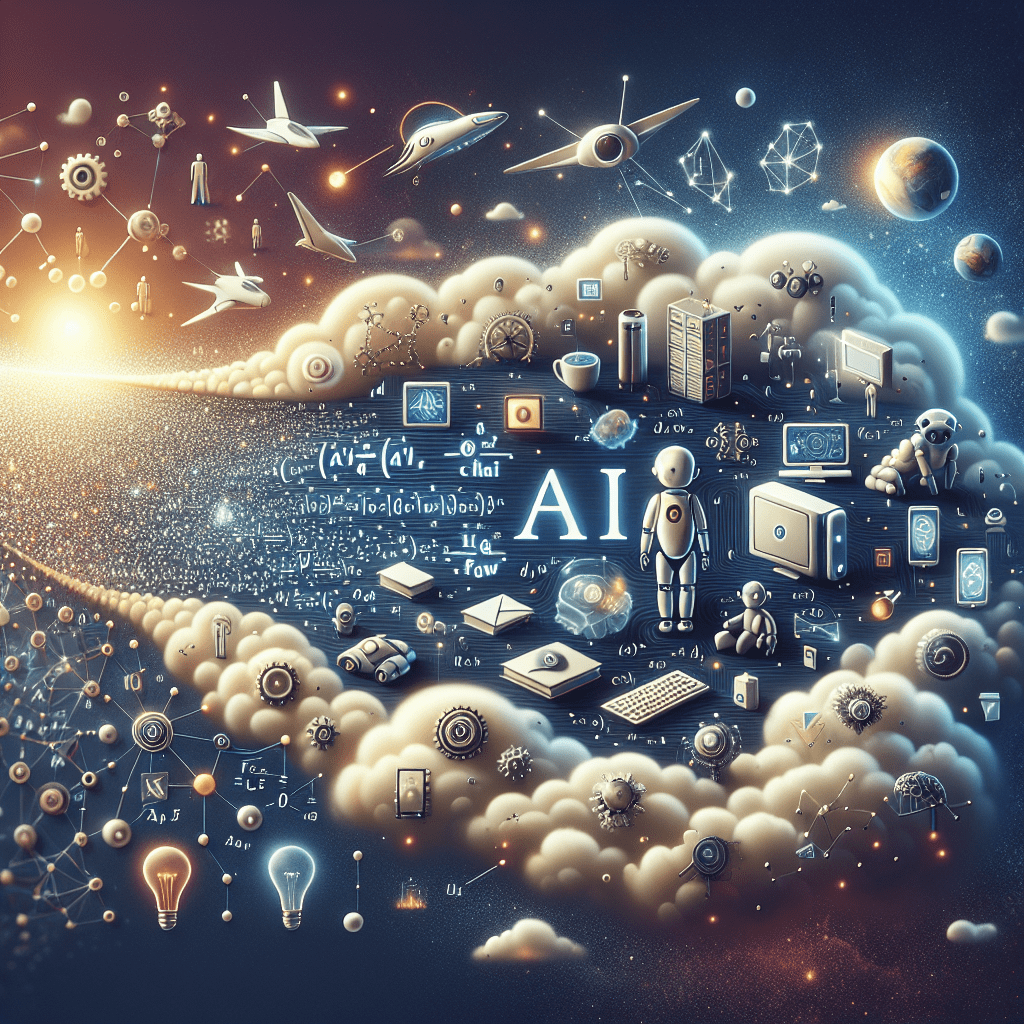
AI has evolved from science fiction to a transformative force in various industries, revolutionizing healthcare, finance, and transportation. Key milestones include Deep Blue’s chess victory and AlphaGo’s Go triumph. Ethical considerations, such as privacy and job displacement, are crucial. Future advancements promise potential but require careful ethical oversight.
-
Spinoza’s philosophy, focusing on his concepts of adequate ideas, reason, and intuition. We discuss how understanding reality through reason leads to intellectual freedom and how intuition allows for direct, holistic knowledge of God or Nature, ultimately fostering happiness and virtue.

-
exploring humanity’s potential contact with extraterrestrial civilizations, addressing key questions about trust, preparation, and the implications for our future. It examines scientific, ethical, and societal readiness, from technological advancements to global unity, and asks whether alien contact is a matter of “when” rather than “if.”

-
The importance of critical thinking and how to avoid cognitive biases, including strategies for identifying pseudoscience. It covers common cognitive biases like confirmation bias and overconfidence, emphasizes evidence-based decision-making, and provides practical steps for improving rational thinking in personal, professional, and academic contexts.

-
This conversation explores the difference between common sense and wisdom, highlighting how education, culture, and experience shape practical judgment. While common sense offers quick, everyday solutions, wisdom involves deeper reflection, ethical considerations, and long-term thinking. It delves into how wisdom complements and refines our natural instincts.


 Conversations with AI