Category: Space Exploration and Astronomy
-
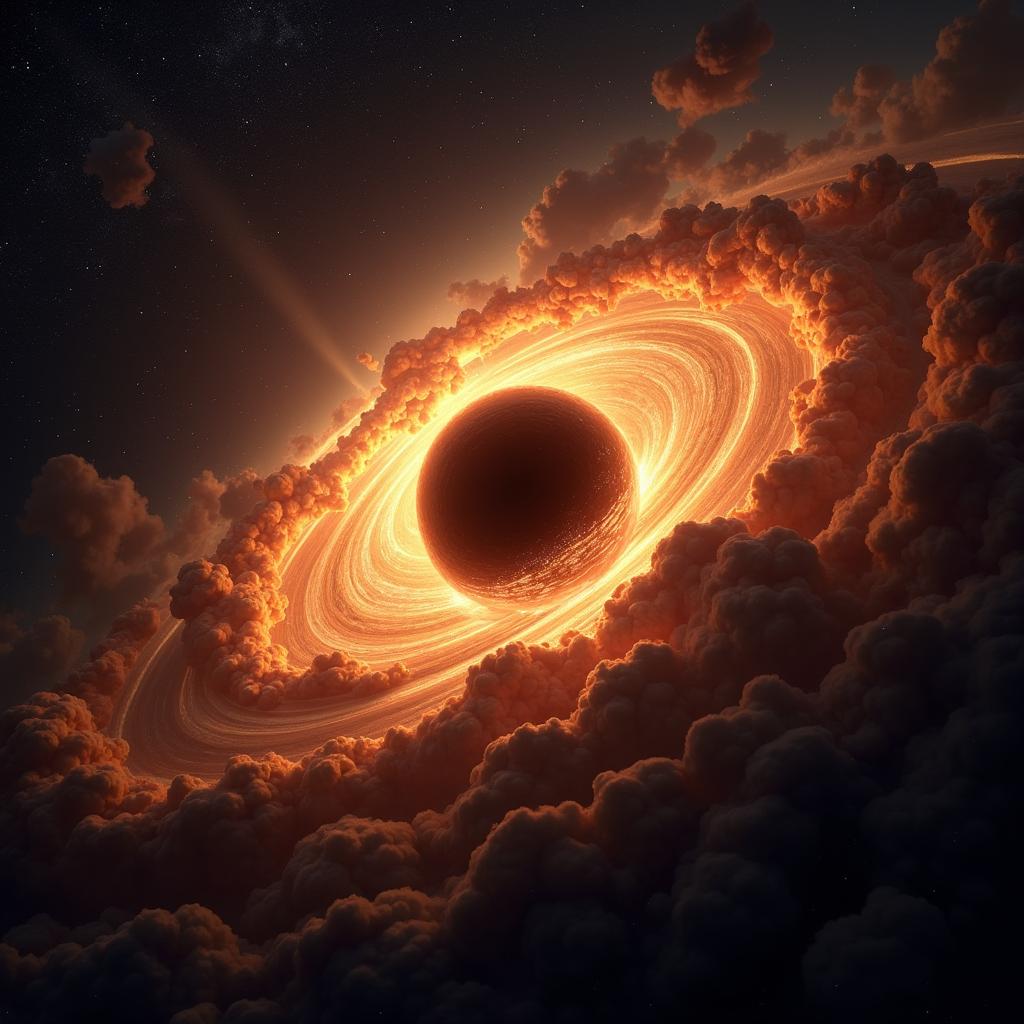
The visible universe constitutes less than 5% of its mass-energy, with dark matter—undetectable yet gravitationally vital—comprising most. Proposed by Zwicky in the 1930s and confirmed by Rubin in the 1970s, dark matter’s nature remains elusive. Leading candidates include WIMPs and axions. Experiments like XENON1T and LHC aim to detect it, potentially revolutionising physics and cosmic…
-
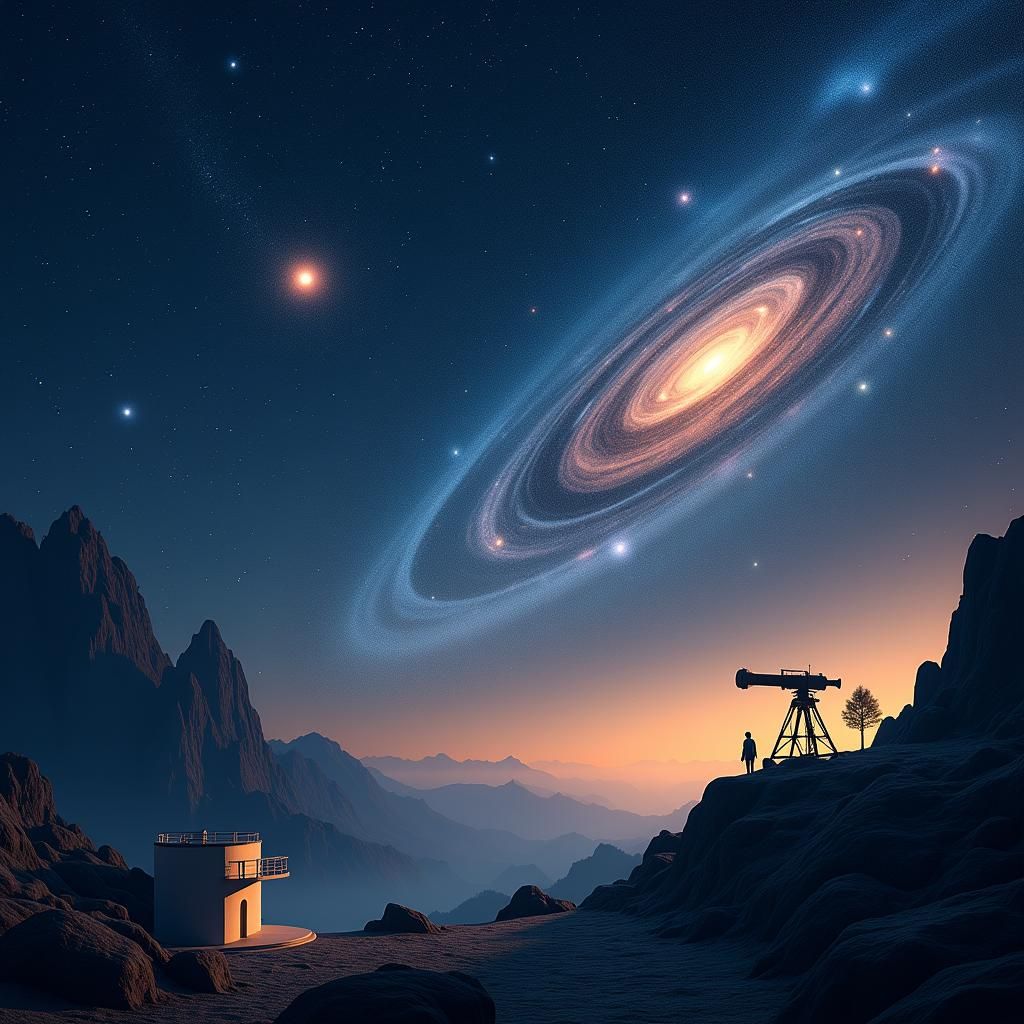
The universe’s story, explored through myths and scientific models, begins with the Big Bang, supported by cosmic microwave background evidence. Key theories include cosmic inflation, dark matter, and dark energy, explaining expansion and structure. Modern concepts like multiverses and string theory challenge understanding, while unresolved questions about the cosmos’s fate and composition invite future discovery…

-
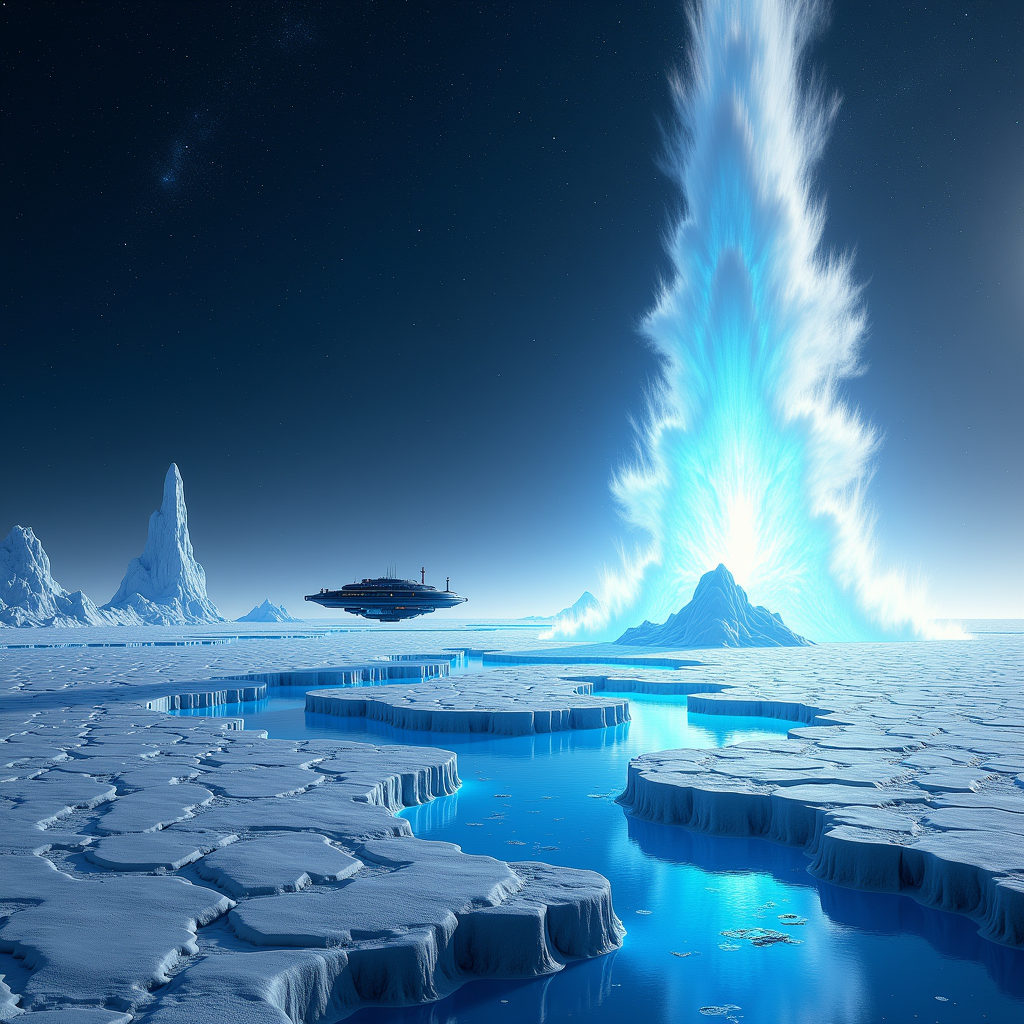
Cryovolcanism, the eruption of water, methane, or ammonia instead of molten rock, occurs on icy celestial bodies like Saturn’s Enceladus and Pluto. Driven by tidal forces, these eruptions suggest subsurface oceans and geological activity, offering clues about life’s potential beyond Earth. Missions like Europa Clipper aim to explore these environments, reshaping planetary science and astrobiology.
-
Alien Quest: Bridging Ancient Curiosity and Cosmic Silence
6–8 minutes·
·
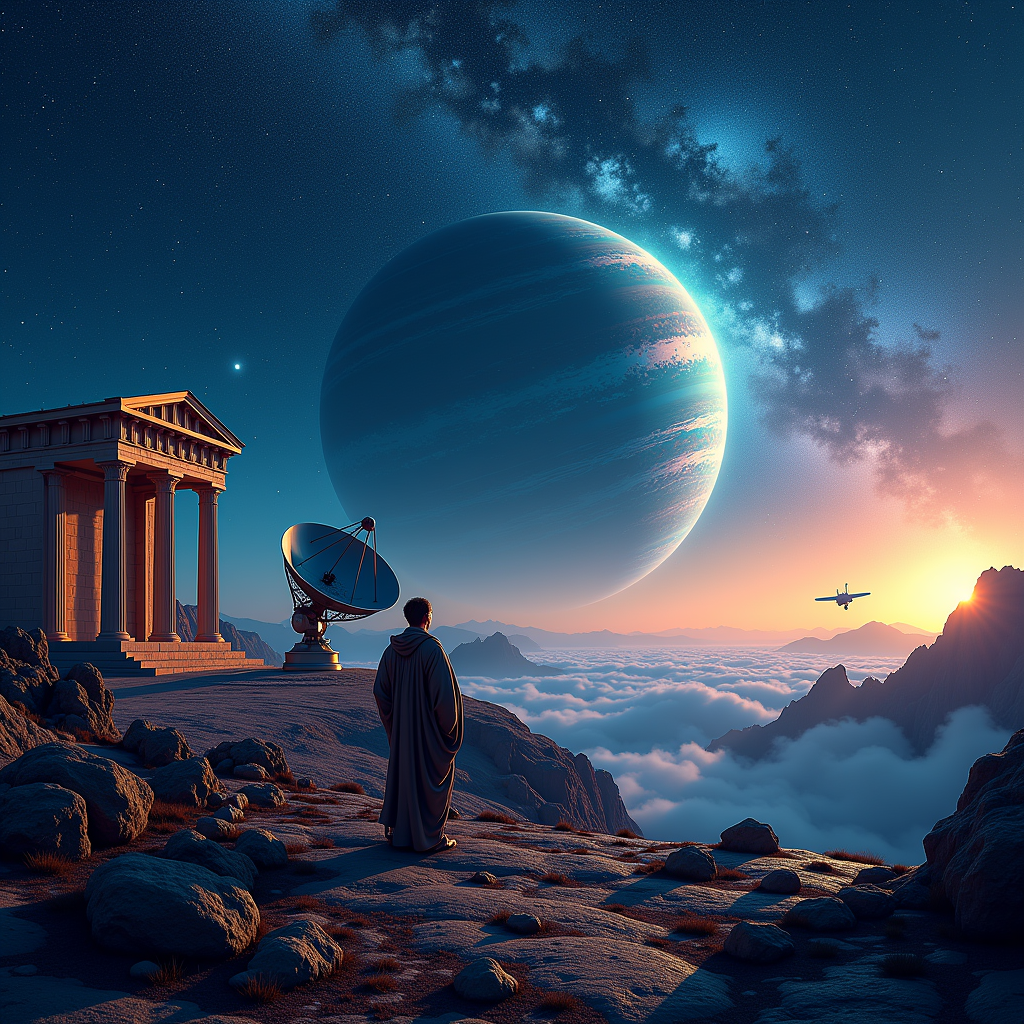
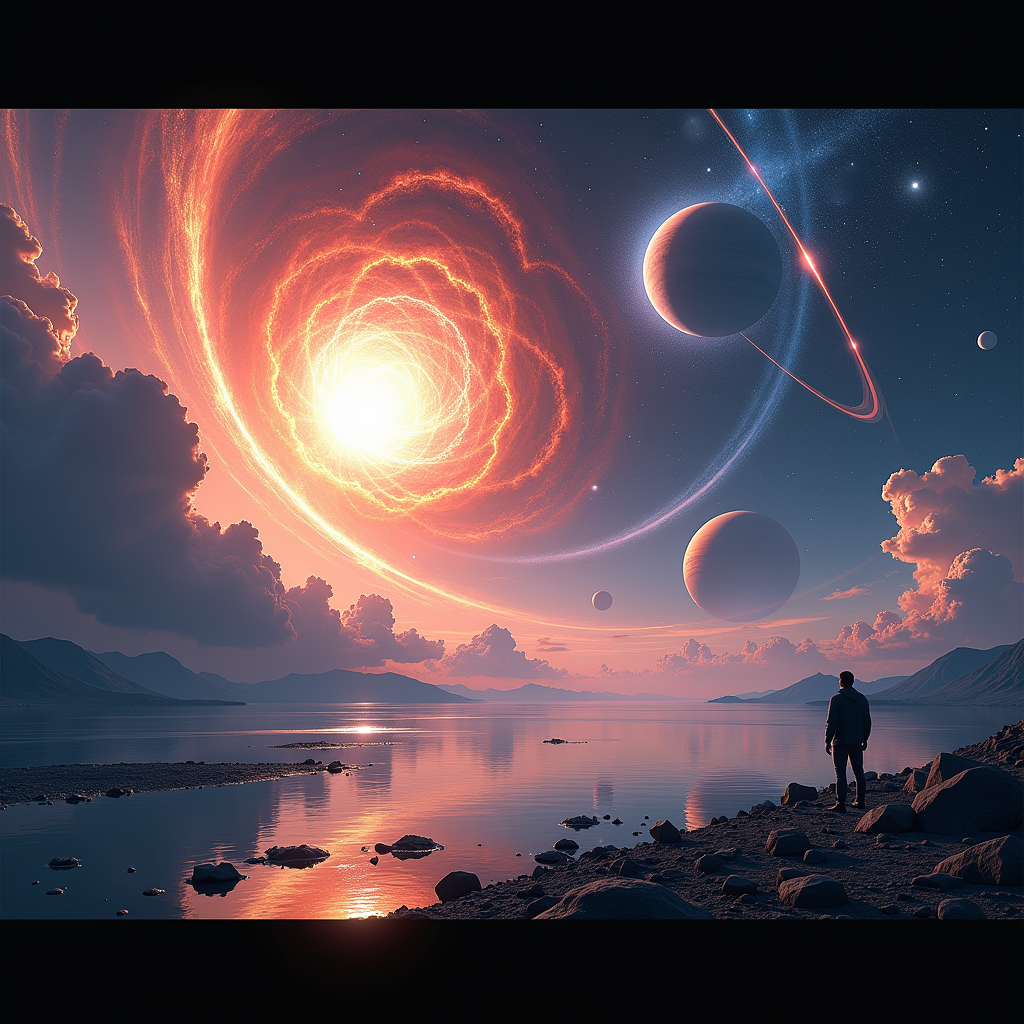
For millennia, humanity has pondered extraterrestrial life. From ancient philosophers to modern science, the search evolved into rigorous endeavours using radio telescopes, exoplanet analysis and biosignature detection. Discoveries of extremophiles and habitable exoplanets fuel optimism, yet the Fermi paradox questions cosmic silence. Ethical debates and technological advances continue this quest, reshaping our cosmic perspective and…
-
In the next millennium, celestial events like explosive stellar deaths, rare planetary alignments, and potential supernovae will transform our skies. Predictions rely on historical astronomy and modern models, from eclipses shifting with Earth’s rotation to interstellar comets offering cosmic insights. Risks include asteroid impacts and galactic collisions, challenging humanity to adapt and explore, blending science…
-
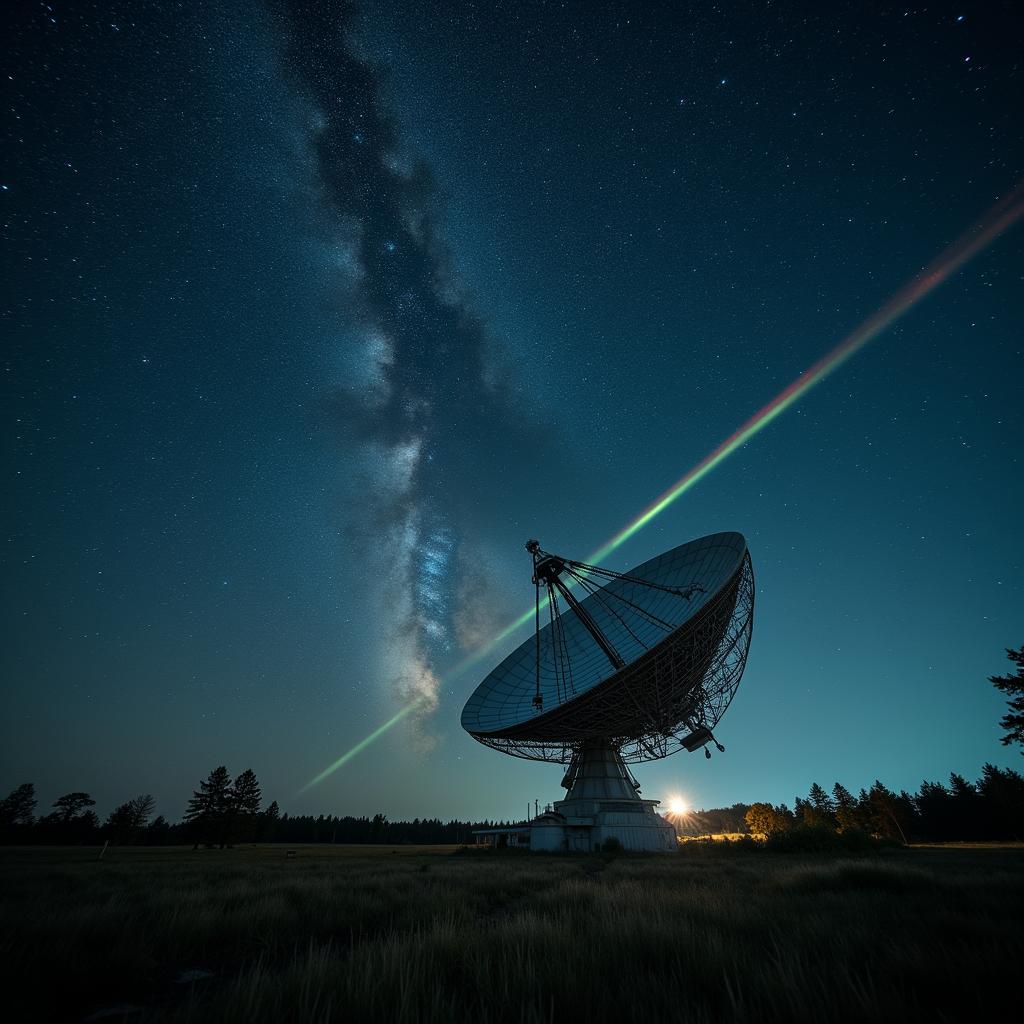
In 1977, astronomer Jerry Ehman detected a 72-second radio burst via Ohio’s Big Ear telescope. Dubbed the “Wow! Signal” for his annotated reaction, its intensity, narrow frequency (1420 MHz), and lack of re-detection sparked debate over extraterrestrial, natural, or human origins. Despite theories, its unresolved mystery fuels scientific and cultural fascination with cosmic life searches.
-
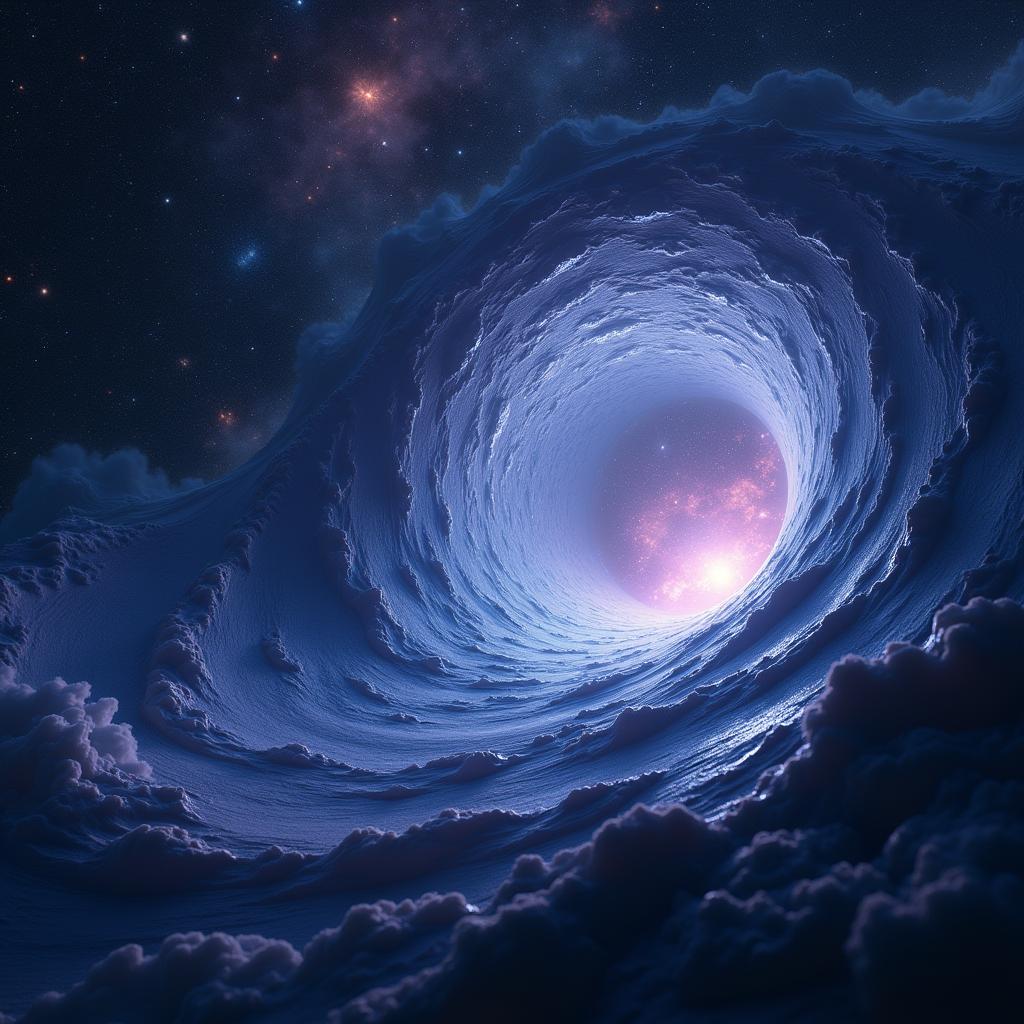
Wormholes, hypothetical spacetime tunnels linking distant cosmic regions, emerged from Einstein’s relativity equations. First theorised by Flamm (1916) and developed by Einstein-Rosen (1935), they require exotic matter with negative energy to stabilise. Though popularised by Wheeler and Thorne, traversability remains speculative. Recent quantum gravity research explores entanglement links and lab simulations. Their existence could revolutionise…
-
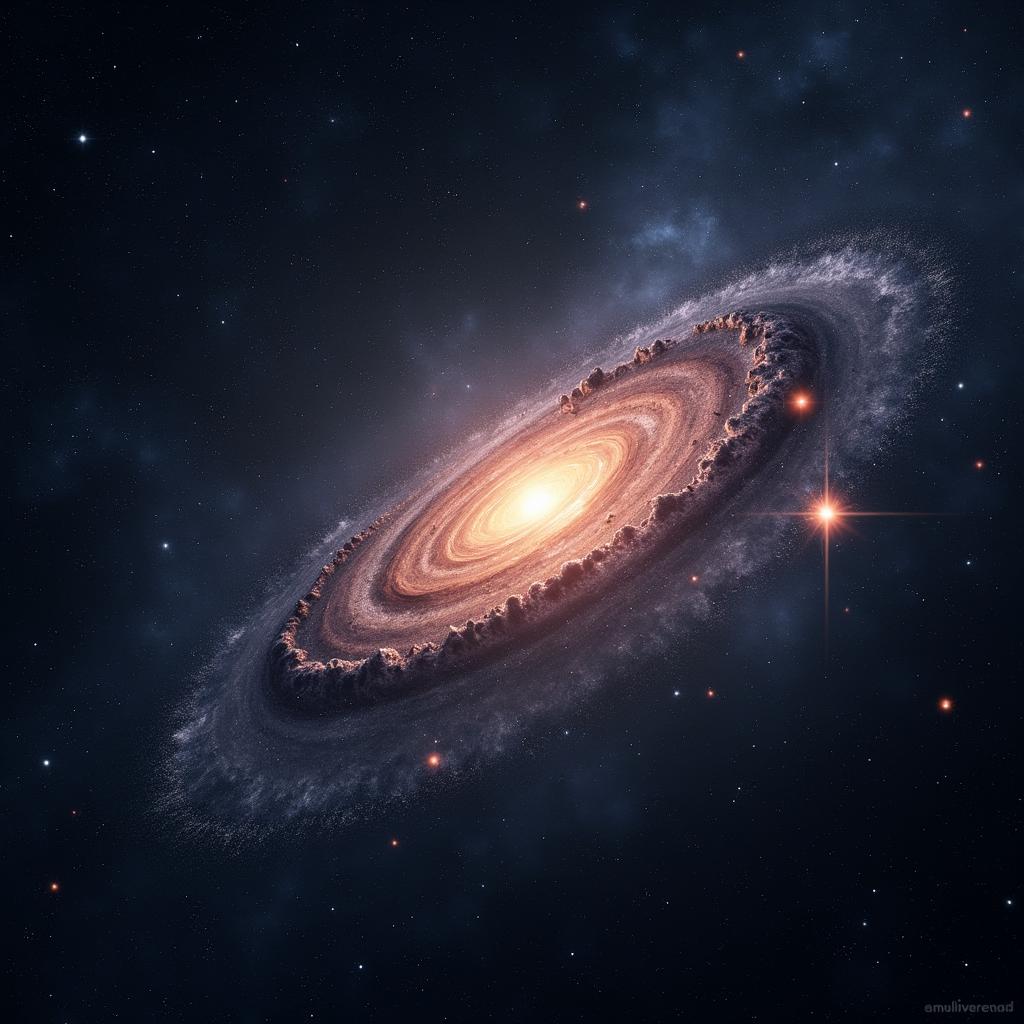
The universe’s structure is a complex, fascinating field that has undergone significant transformations, from ancient models to modern theories on dark matter, dark energy, and the multiverse hypothesis, continually refining our understanding of the cosmos.
-
Scientists study black holes, regions of spacetime with strong gravity, using various methods, including X-ray and gamma-ray telescopes, to understand these enigmatic objects and their role in the universe’s evolution and formation.

-
The discovery of the Higgs boson is a significant scientific breakthrough, confirming the existence of the Higgs field and providing insights into the origins of mass, with far-reaching implications for our understanding of the universe.

-
The Earth’s magnetic field reverses, causing significant effects on geology, climate, and life, with potential disruptions to modern society’s technology and ecosystems, highlighting the need for continued research and preparation.

-
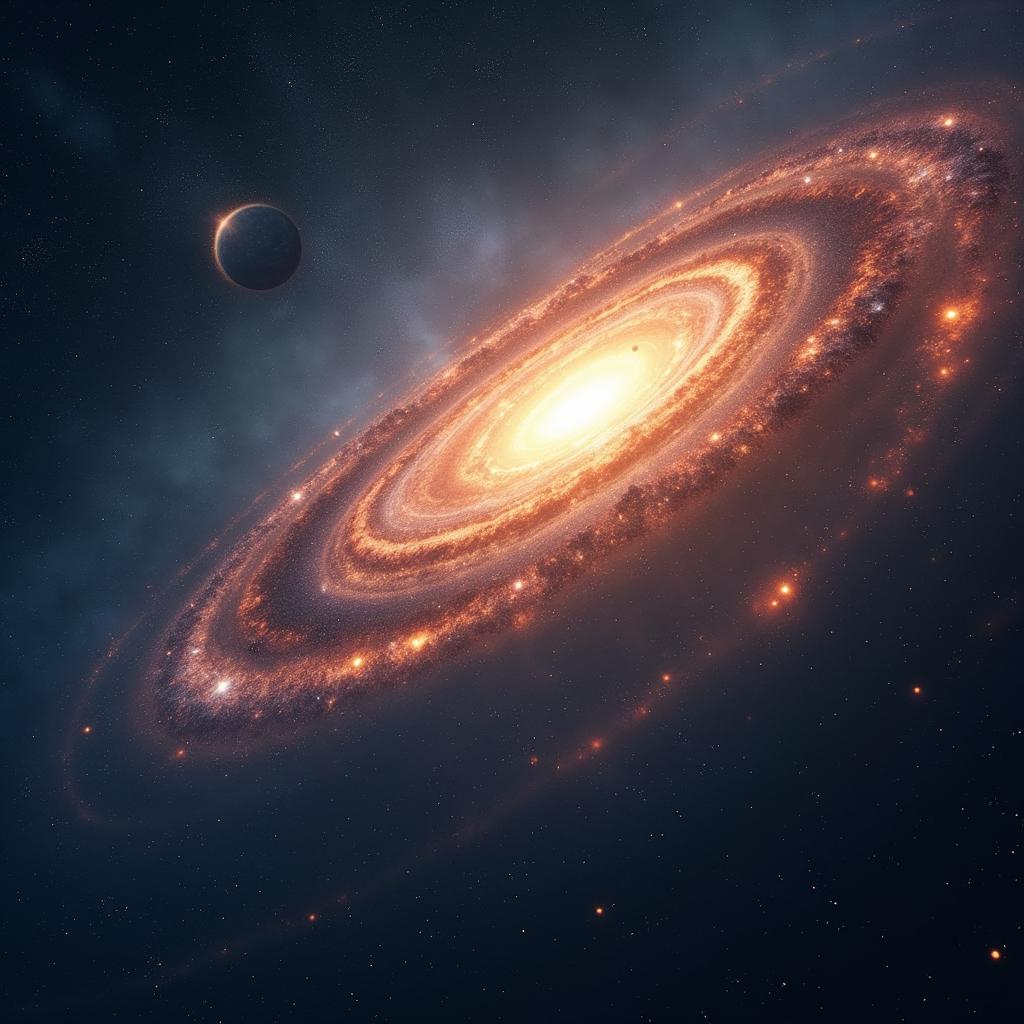
The universe’s fate is a complex topic, with theories such as the Big Crunch, Heat Death, and Multiverse proposing different endings, each with significant implications for our understanding of the cosmos and its ultimate destiny.
-
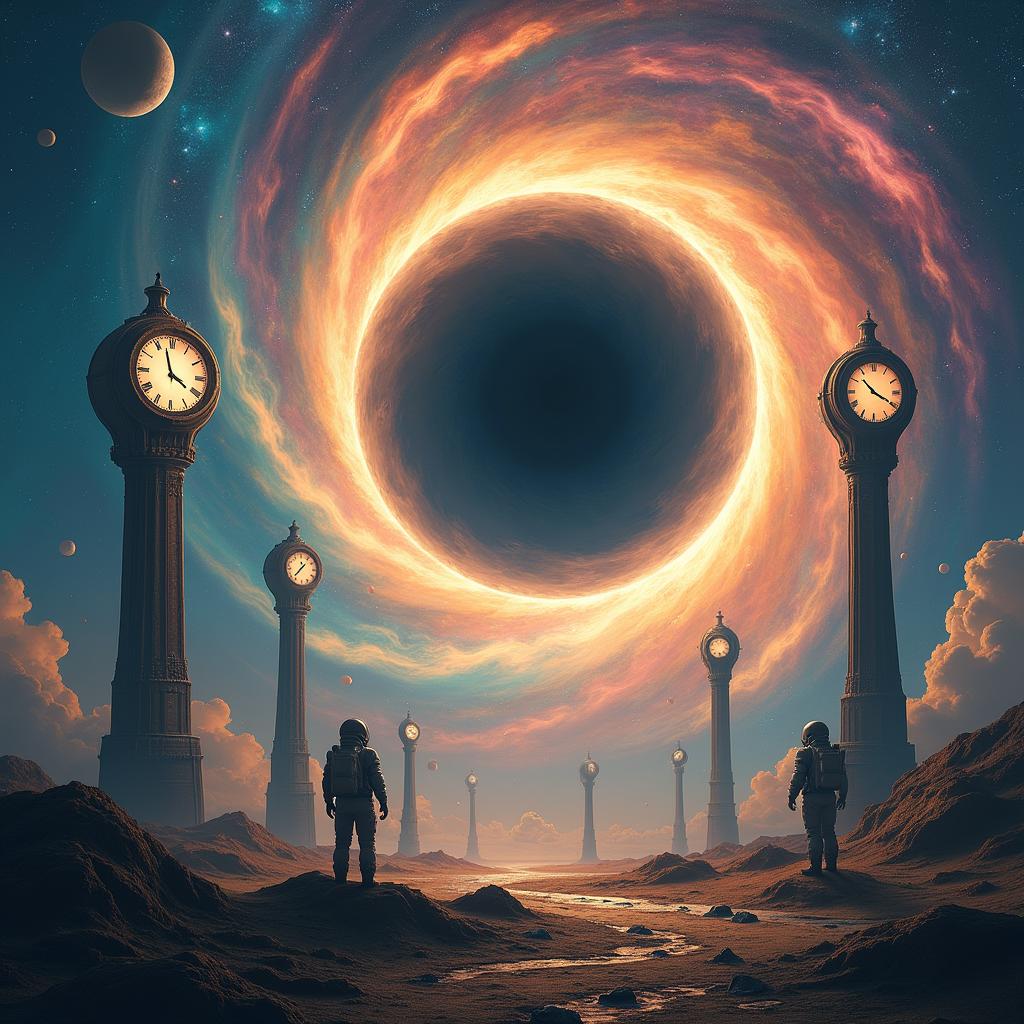
Time dilation is a phenomenon where time appears to pass slower or faster depending on the observer’s frame of reference, challenging classical understanding of time and space, with significant implications for physics and cosmology research.
-
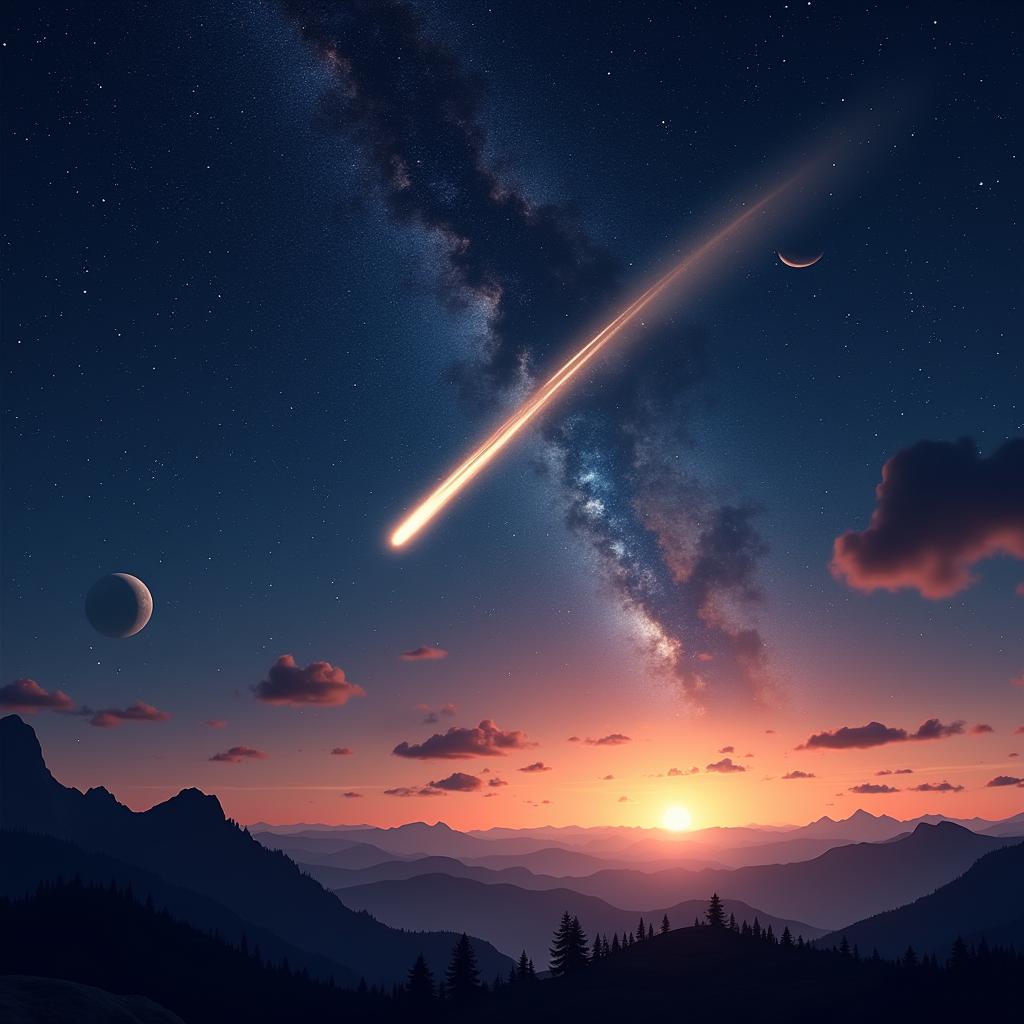
The next century promises to be an exciting time for astronomy, with numerous celestial events, including the transit of Venus and appearances of bright comets, set to captivate stargazers and scientists, advancing our understanding of the universe and its mysteries.
-
The search for life on Mars and beyond has captivated human imagination, with ongoing and future missions exploring the possibility of extraterrestrial life, driven by innate curiosity about the universe and our place within it, using advanced technologies.

-
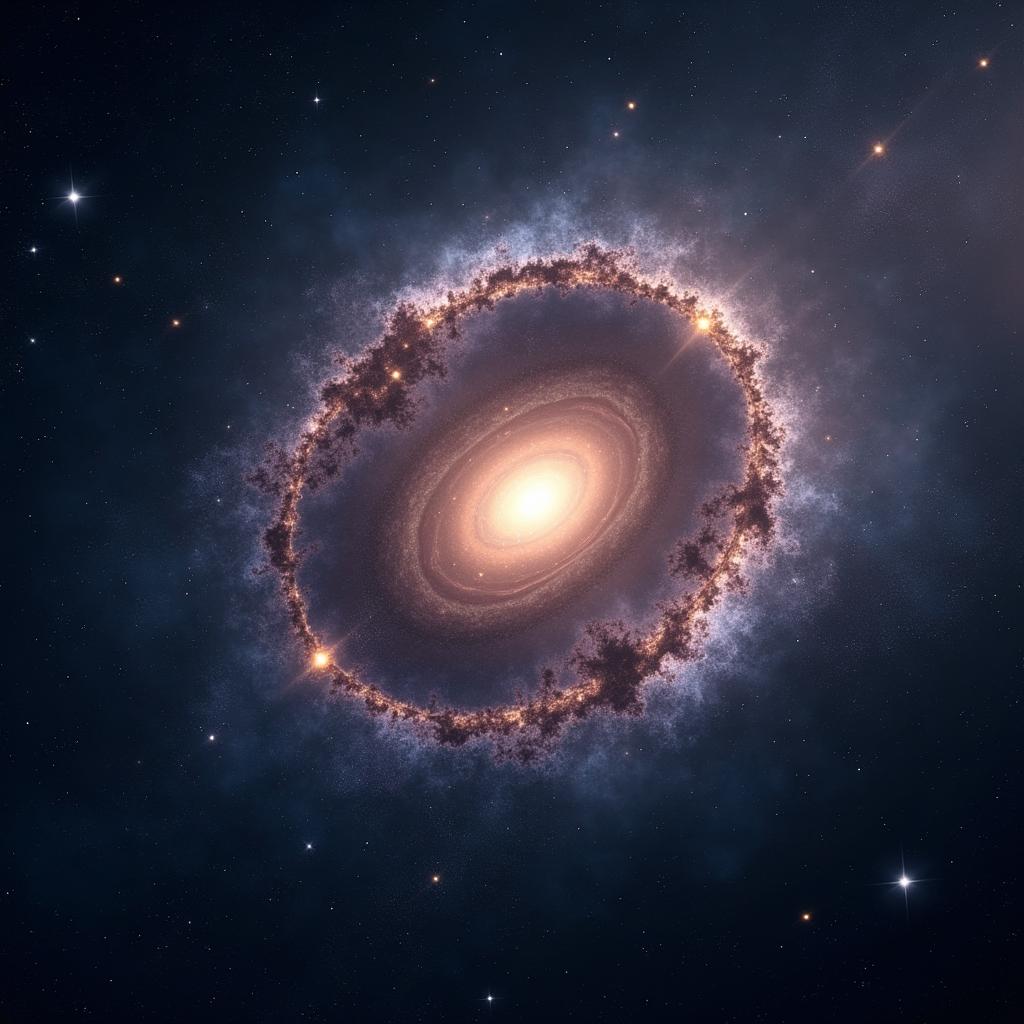
The Great Attractor, a region of space, is pulling our galaxy towards it, sparking fascination and raising questions about the universe’s nature and evolution, with implications for dark matter and large-scale structure.
-
Ancient Chinese civilisation made significant contributions to astronomy, including a lunisolar calendar and astronomical instruments, which have had a lasting impact on our understanding of the universe and its complexities.

-
The origins of the universe are a complex and intriguing topic, with various theoretical models, including the Big Bang theory and multiverse hypothesis, attempting to explain its beginnings and evolution over 13.8 billion years.

-
The universe’s early stages fascinate humans, with scientists studying cosmic evolution through astronomical observations, theories, and methodologies, making significant progress in understanding the universe’s origins and evolution.

-
Scientists explore dark matter and dark energy, mysterious entities comprising 95% of the universe, through experiments and observations, seeking to understand their properties and behaviour.
-
The ethics of space exploration and colonisation are complex, involving scientific, cultural, and societal considerations, and require a nuanced understanding of potential consequences and responsible actions to ensure humanity’s thrival.

-
The Aurora Borealis, or Northern Lights, is a fascinating phenomenon caused by solar wind interacting with Earth’s magnetic field, resulting in breathtaking displays of colored lights dancing across the sky, with a rich history, cultural significance, and ongoing scientific study.

-
The search for extraterrestrial intelligence (SETI) has evolved significantly, from ancient civilizations to modern scientific research, with advancements in radio telescopes and exoplanet detection, despite challenges and controversies, driving human curiosity and exploration.

-
Debunking the Myth: the Truth Behind the 1969 Moon Landing
5–7 minutes·
·
The moon landing, achieved by NASA’s Apollo 11 mission in 1969, has sparked fascination and controversy, with conspiracy theories claiming it was staged or faked, but overwhelming evidence supports its occurrence.

-
The formation of black holes is a complex phenomenon studied through theoretical models and observations, with research spanning centuries and involving key concepts like stellar collapse and gravitational waves.