Category: Space Exploration and Astronomy
-
Cosmic Imprint: How Astronomical Events Shaped Human History and Our Understanding of the Universe
4–6 minutes·
·
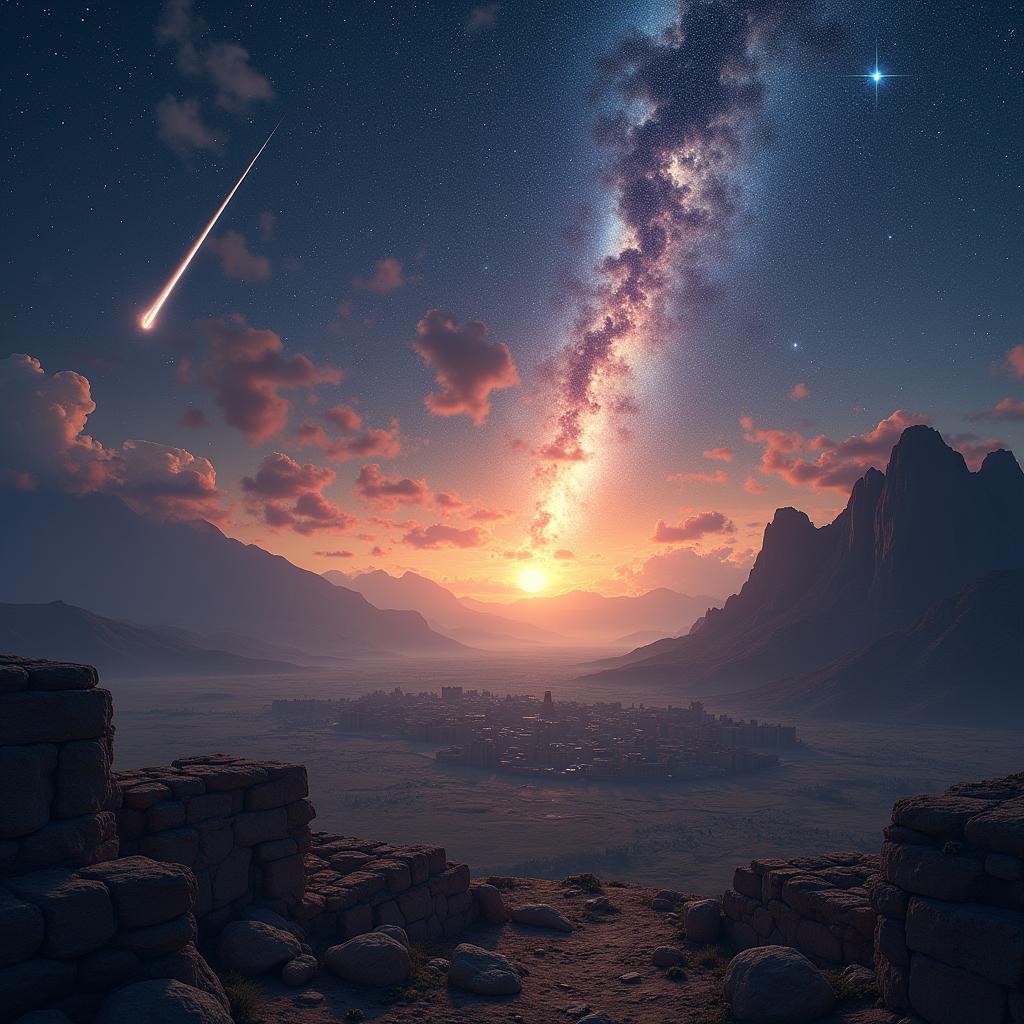
The universe has profoundly impacted human history, shaping civilizations, scientific thought, and cultural norms through astronomical events like eclipses, comets, and supernovae, influencing our worldview and existential understanding.
-
The conversation discusses the groundbreaking discoveries of gravitational waves, predicted by Einstein in 1916 but detected in 2015. These waves provide insights into cosmic events, validating General Relativity. Key findings include observing black hole and neutron star mergers, leading to advancements in multi-messenger astronomy and future research possibilities.

-
This conversation explores the intriguing moons of Jupiter and Saturn, emphasizing their potential for life and insights into solar system evolution. It highlights historical discoveries, current missions like Europa Clipper and Dragonfly, and raises concerns about bio-contamination. Overall, it underscores humanity’s quest for knowledge in the cosmos.

-
This conversation explores the mysteries of dark matter and dark energy, which together make up about 95% of the universe’s mass-energy content. The concepts, discovered in the 20th century, remain elusive, prompting ongoing research and debate among scientists. Understanding these phenomena is essential for grasping the complexities of cosmology.
-
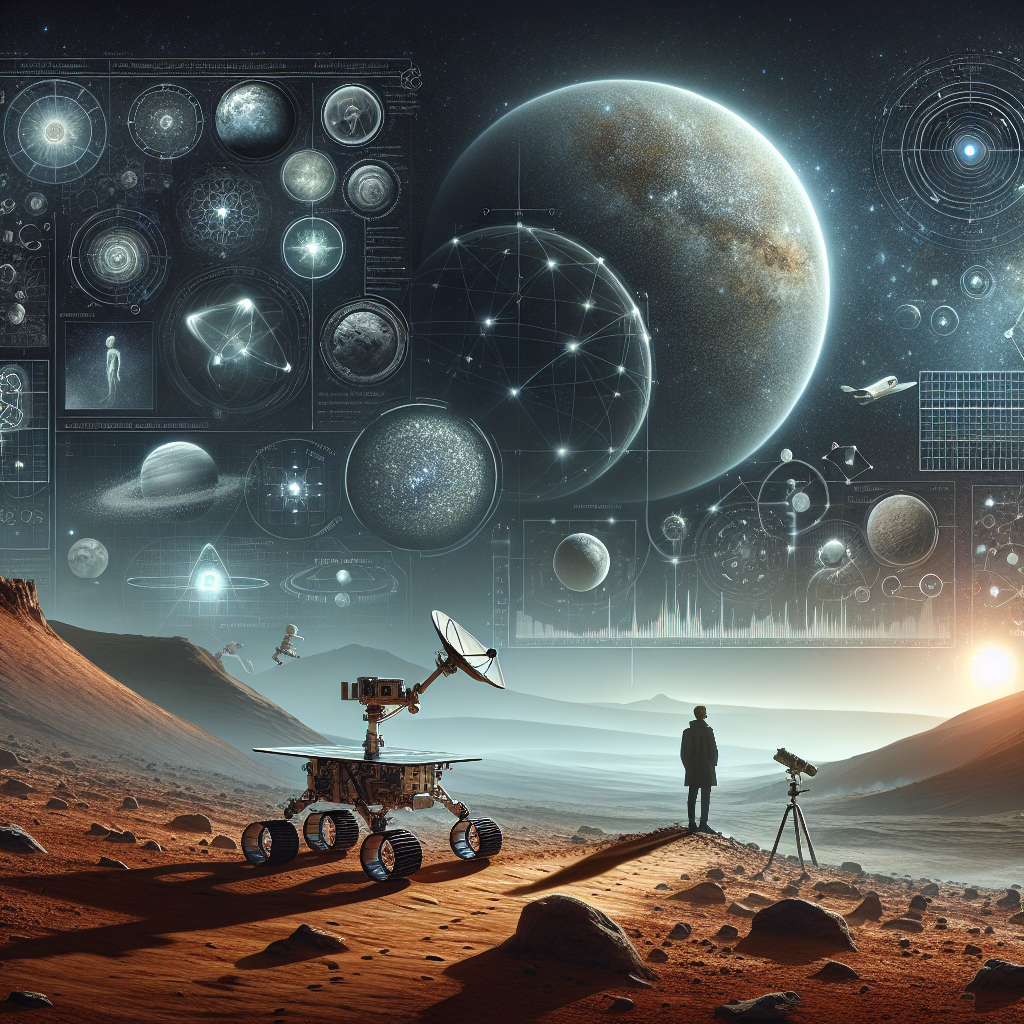
The dialogue explores astrobiology, the scientific search for extraterrestrial life. It discusses historical perspectives, methodologies, and future prospects, emphasizing key technological advancements like the Mars Rover and Kepler Telescope. The field blends multiple sciences, raising fundamental questions about our origin, existence in the universe, and the possibility of alien life.
-
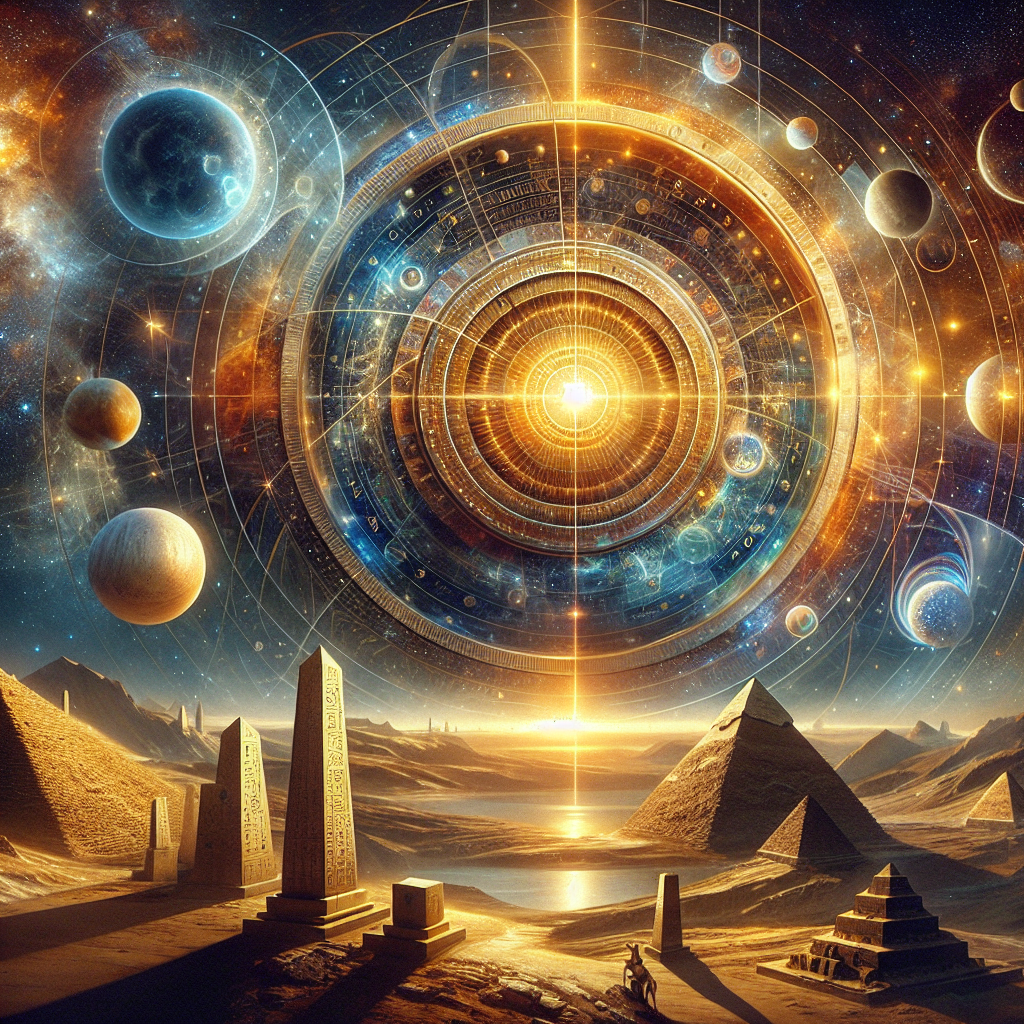
The article explores the history of astronomy, highlighting ancient civilizations’ theories, such as the Egyptians’ solar calendar and Aristotle’s geocentric model. It discusses the heliocentric theory by Aristarchus, which gained recognition much later. These early ideas influenced humanity’s understanding of the cosmos, blending science, culture, and philosophy.
-
The conversation explores the Black Hole Information Paradox, which questions the loss of information in black holes. It discusses groundbreaking theories by Einstein and Hawking, and the implications of reconciling quantum mechanics with general relativity. The paradox challenges existing principles of physics and indicates the need for a new understanding.

-
The article explores the fascination with exoplanets and the search for extraterrestrial life. It highlights historical perspectives, from Giordano Bruno’s theories to modern discoveries with telescopes like Kepler and TESS. It discusses detection methods, criteria for habitability, and the implications of finding life, emphasizing humanity’s quest for knowledge in the cosmos.

-
The conversation discusses the history and future of space telescopes, highlighting their role in our understanding of the universe. Starting from early telescopes, it explores the evolution and significance of instruments like the Hubble Space Telescope and the James Webb Space Telescope, emphasizing technological advancements and future prospects.

-
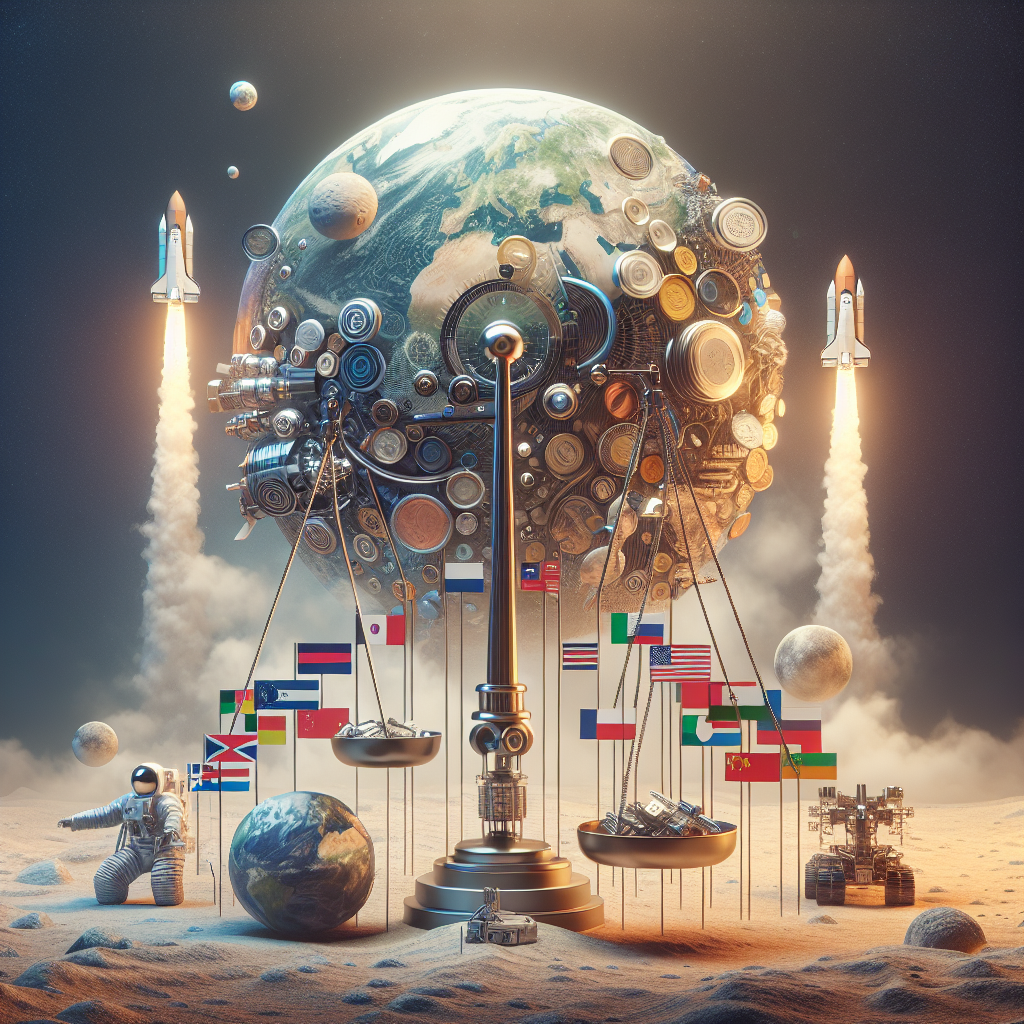
The conversation discusses NASA’s Artemis Program, a significant initiative aimed at returning humans to the Moon and preparing for Mars exploration. It highlights technological advancements, international cooperation through the Artemis Accords, and the challenges posed by budget and geopolitical dynamics, framing Artemis as a pivotal chapter in space exploration.
-
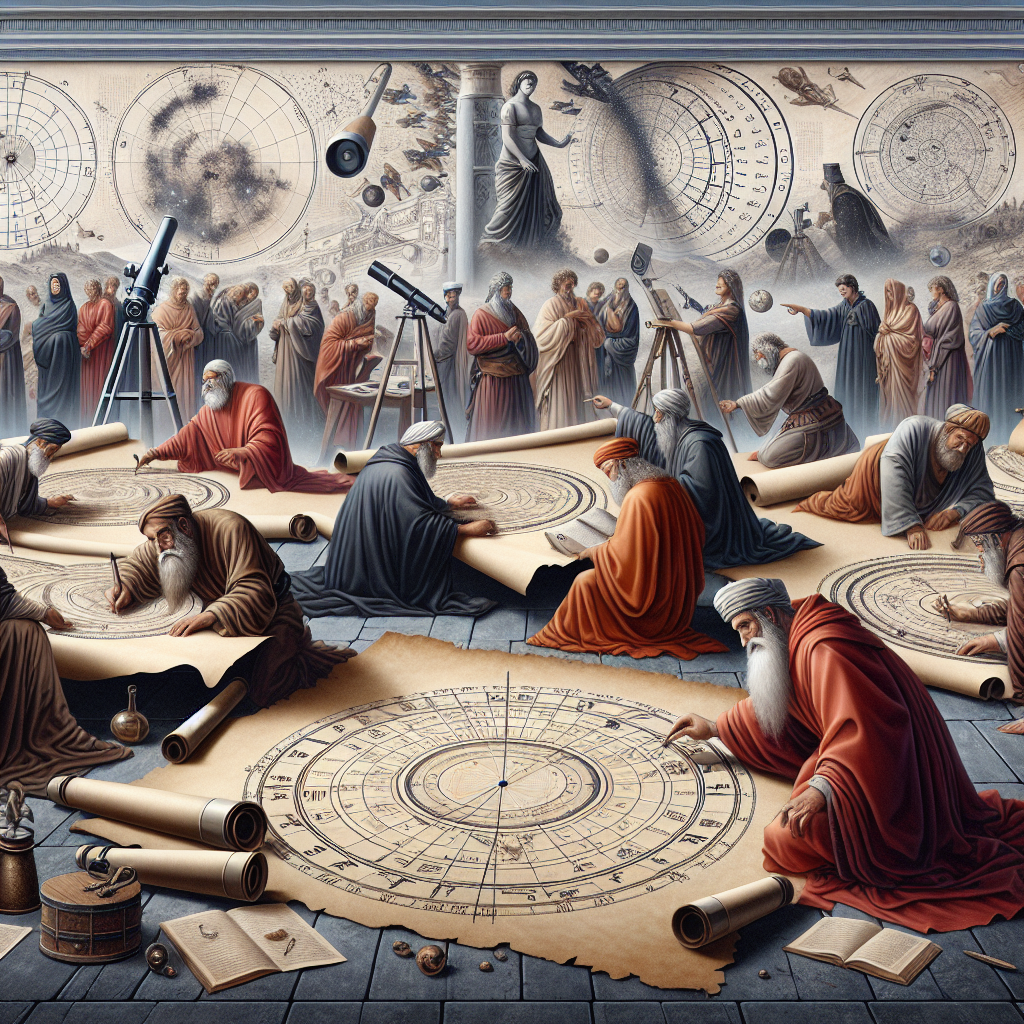
The article examines the historical relationship and distinctions between astrology and astronomy, originating from the same ancient study of celestial bodies. It discusses their developments, the scientific merit debates, and societal implications, ultimately questioning astrology’s perceived pseudoscience status while recognizing its cultural significance alongside scientific astronomy.
-
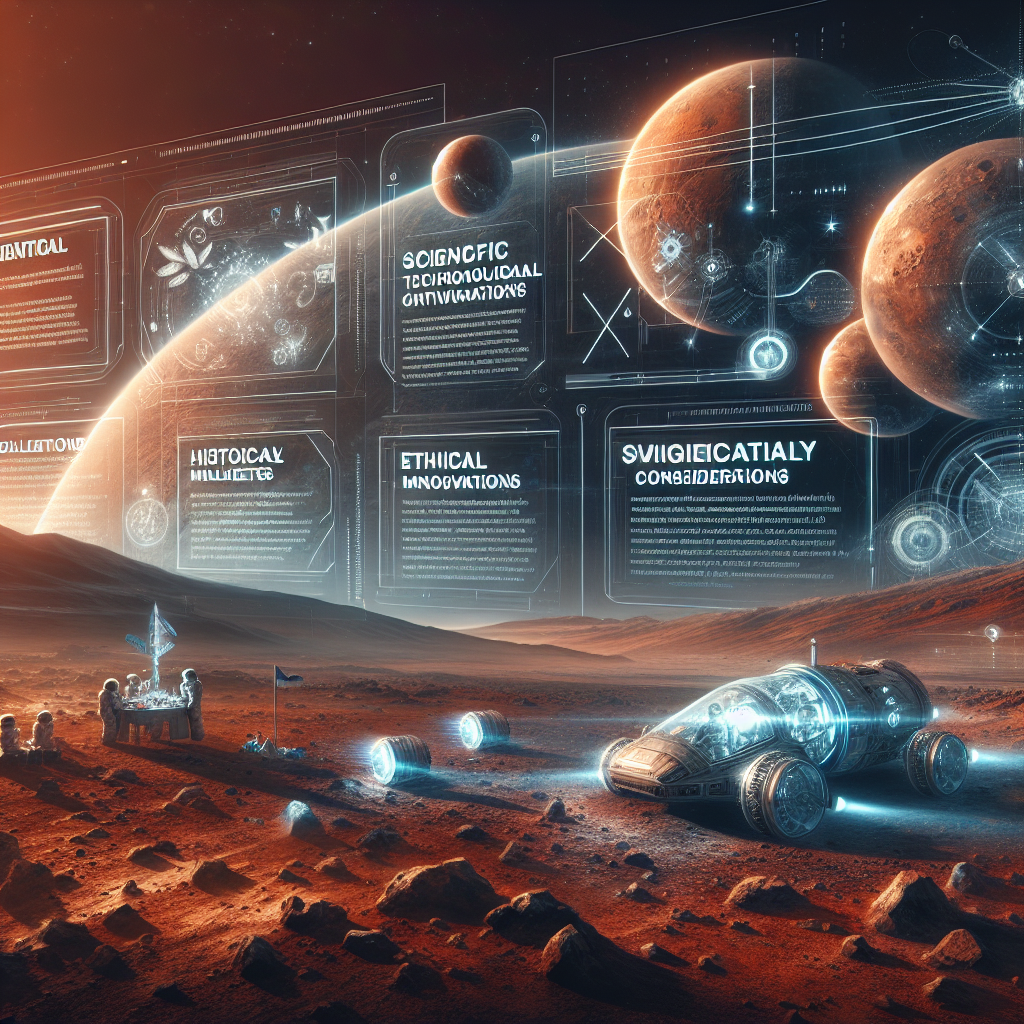
This article discusses the evolving prospects of human colonization on Mars, highlighting scientific, technological, and societal challenges. It explores historical milestones, significant innovations, and ethical considerations while emphasizing the complexity of establishing a new society on the red planet, ultimately questioning humanity’s ability to become a multi-planetary species.
-
Unlocking the Final Frontier: Humanity’s Path to the Stars
2–4 minutes·
·
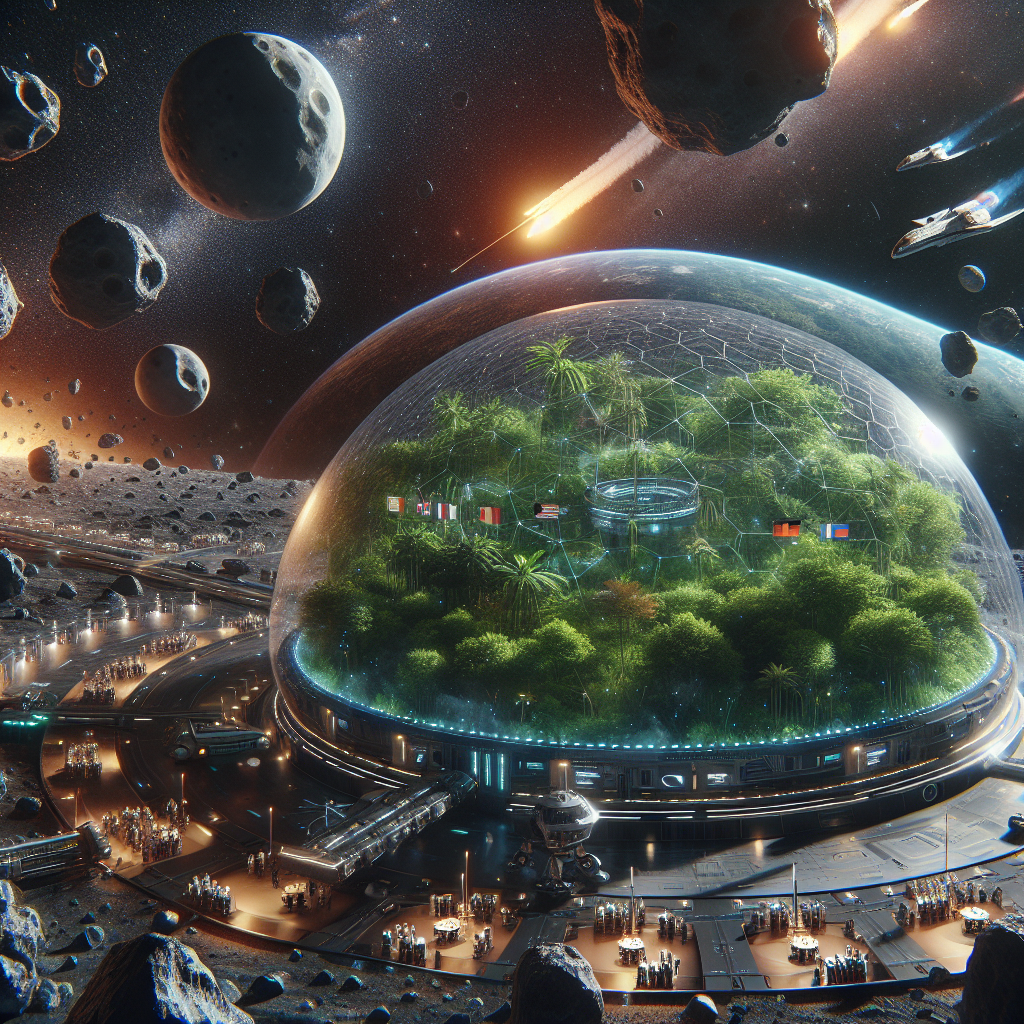
Space colonisation fascinates humanity, driven by resource acquisition, environmental preservation, and survival. Asteroids and planets offer valuable resources, while space colonies could reduce Earth’s ecological strain. Ensuring human survival against catastrophic events like asteroid impacts is crucial. However, technical and ethical challenges persist, necessitating innovation, ethics, and international cooperation as humanity becomes a spacefaring civilization.
-
*was sat in the car with the kids, I’d like to blame them for this – 100% me 😳 The sun itself doesn’t have a smell since it is a massive ball of hot plasma emitting light and energy, with no physical substance for scent molecules to travel through space. However, astronauts returning from space…
-
ʻOumuamua is the name given to the first known interstellar object that passed through our solar system. It was discovered on October 19, 2017, by astronomers using the Pan-STARRS1 telescope in Hawaii, and its name means “scout” or “messenger” in Hawaiian. Key characteristics of ʻOumuamua: While ʻOumuamua has left our solar system, it remains a…


