Category: Science and Technology
-
The conversation emphasizes the importance of AI ethics in an era increasingly dominated by artificial intelligence. Key ethical concerns include bias in AI systems, data privacy, job displacement, and the need for accountability. Navigating these issues is essential for the responsible development of AI technologies aligned with human rights.

-
The Double-Edged Sword of Social Media Algorithms
4–6 minutes·
·
The conversation explores the societal impact of social media algorithms, detailing their development, personalisation of content, and effects on user engagement and privacy. It highlights the transformative power of these algorithms, which create ‘filter bubbles’ and can lead to societal polarisation, while also recognizing their potential for targeted marketing and connectivity.

-
This conversation explores the impact of genetic engineering and CRISPR technology on various fields such as healthcare and agriculture. It highlights their potential benefits and risks, ethical considerations, and the necessity for careful regulation. The discussion emphasizes the need for reflection on the moral implications of these scientific advancements.

-
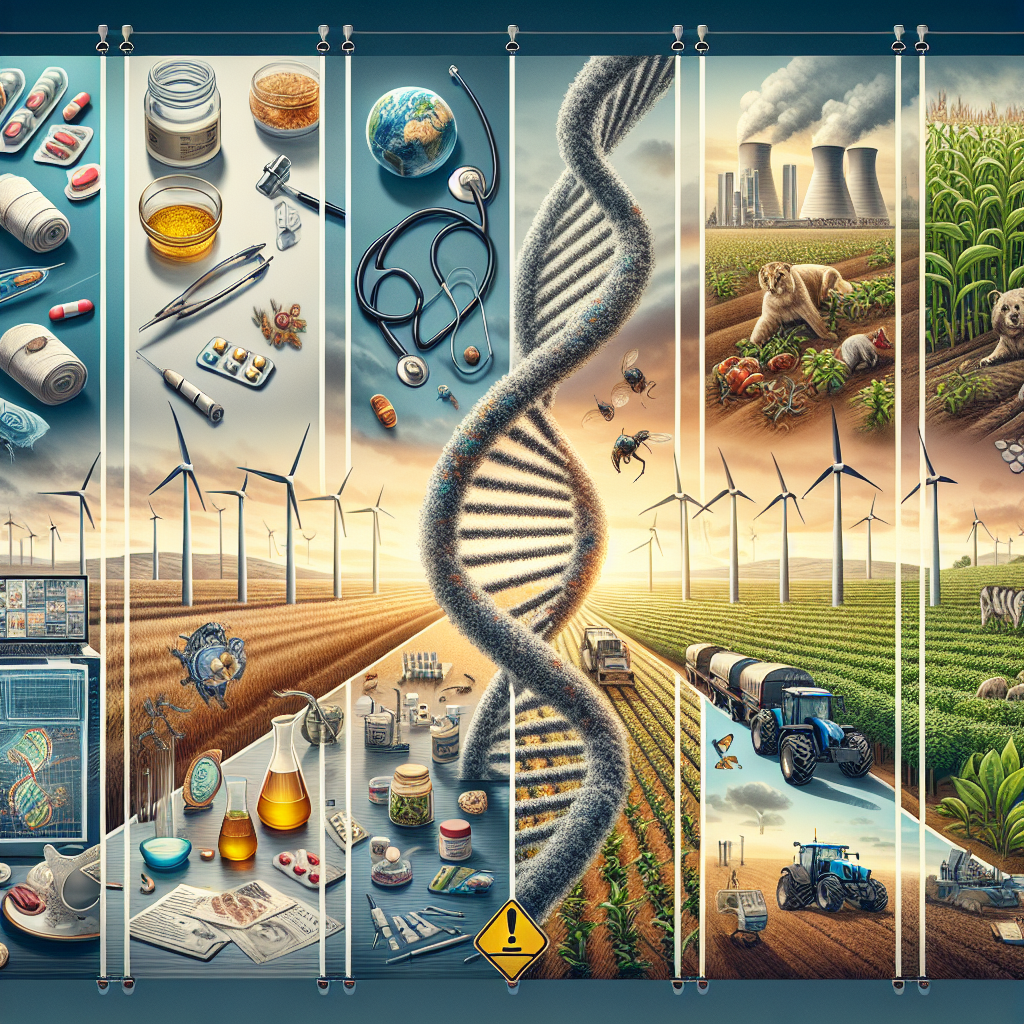
The conversation emphasizes biotechnology’s transformative impact across healthcare, food production, environmental conservation, and energy. It traces its history and innovations, particularly in genetic engineering, cloning, and genome sequencing. Ethical concerns arise from its advancements, urging the necessity of a vigilant approach as society navigates this rapidly evolving landscape.
-
The article examines the societal impact of cryptocurrencies, highlighting their potential to disrupt traditional finance, create wealth disparities, and pose environmental challenges. It discusses the evolution of cryptocurrencies, their acceptance, regulation, and the ongoing debate on their future as a viable payment method versus a speculative bubble.

-
The conversation explores the Black Hole Information Paradox, which questions the loss of information in black holes. It discusses groundbreaking theories by Einstein and Hawking, and the implications of reconciling quantum mechanics with general relativity. The paradox challenges existing principles of physics and indicates the need for a new understanding.

-
This conversation explores the Multiverse Theory, questioning the nature of reality and our existence within it. It reviews contributions from physicists like Einstein and Guth, detailing types of multiverses. Despite its fascinating implications, the theory faces criticism for its lack of falsifiability, blending scientific inquiry with philosophical exploration.

-
The conversation explores the interplay between historical mysteries and forensic science, highlighting its role in uncovering truths about past events. Forensic techniques, including DNA analysis and isotope studies, enhance historical narratives, though some critics argue it may overshadow traditional methods. Collaboration between disciplines is essential for deeper understanding.
-
This conversation explores paradoxical philosophy, highlighting its historical context, significant paradoxes like the Liar and Zeno’s paradoxes, and their implications for logic and human understanding. Paradoxes challenge traditional thinking, revealing deeper truths and urging a reconsideration of assumptions in various fields, thus prompting ongoing philosophical inquiry.

-
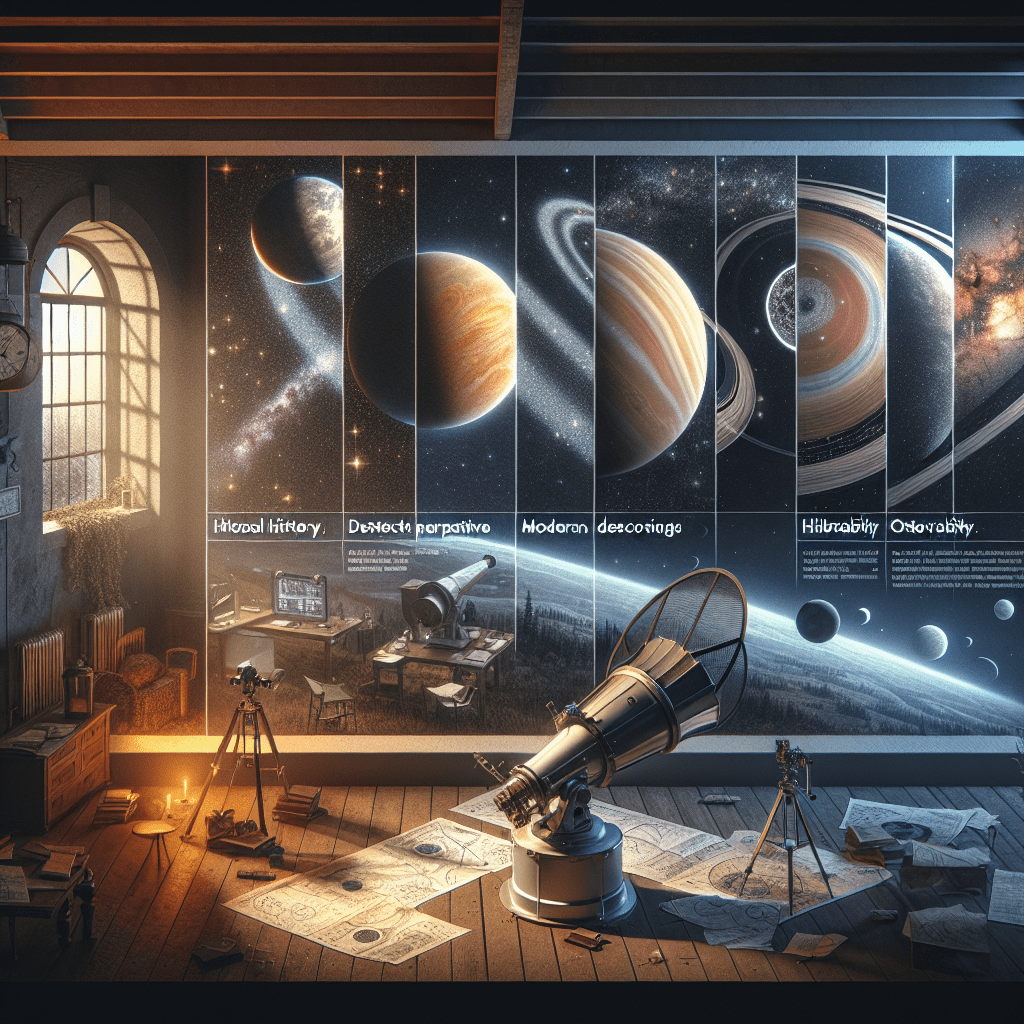
The article explores the fascination with exoplanets and the search for extraterrestrial life. It highlights historical perspectives, from Giordano Bruno’s theories to modern discoveries with telescopes like Kepler and TESS. It discusses detection methods, criteria for habitability, and the implications of finding life, emphasizing humanity’s quest for knowledge in the cosmos.
-
The article explores the contrasting philosophies of ancient pastoral wisdom and modern linear thinking. It highlights the cyclical worldview of ancient societies rooted in nature, compared to the rational, mechanistic approach of modernity. By bridging these philosophies, the discussion emphasizes their coexistence and relevance in addressing spiritual disconnection in the 21st century.

-
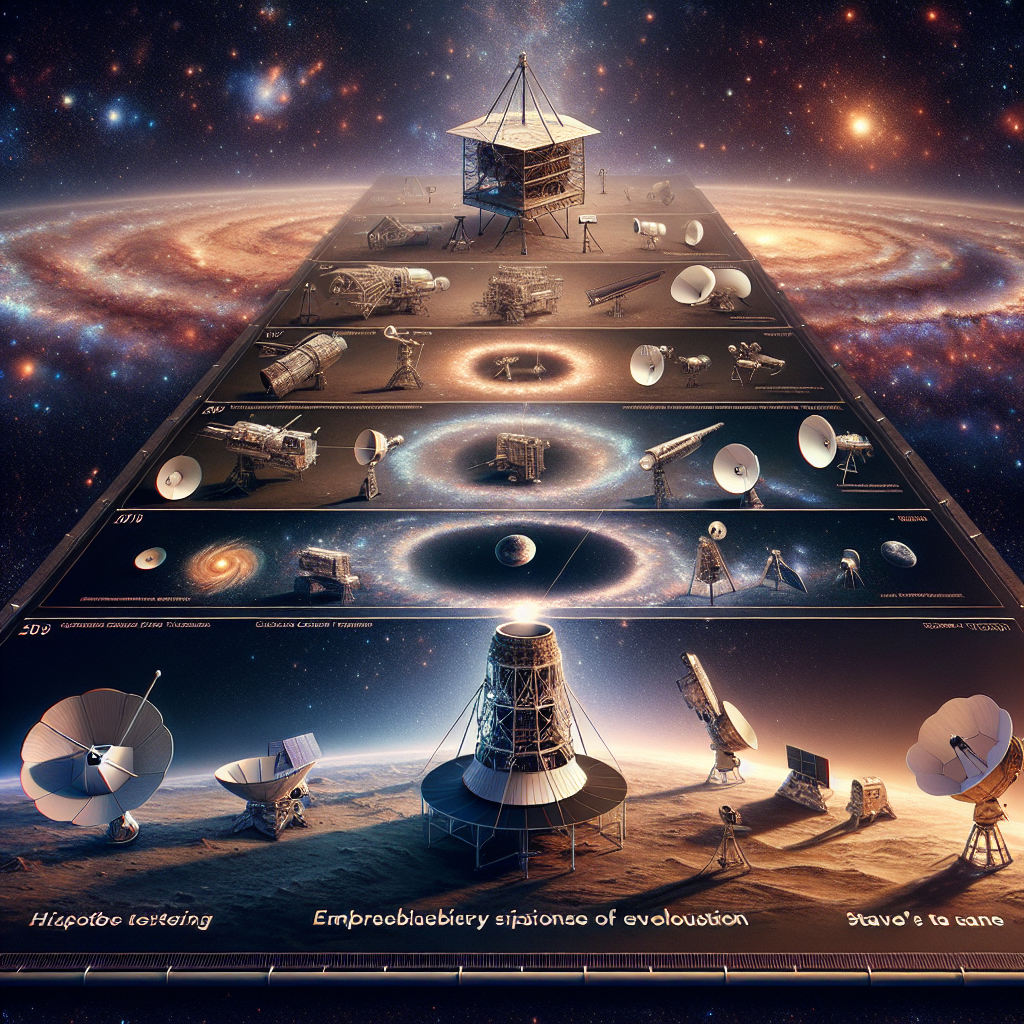
The conversation discusses the history and future of space telescopes, highlighting their role in our understanding of the universe. Starting from early telescopes, it explores the evolution and significance of instruments like the Hubble Space Telescope and the James Webb Space Telescope, emphasizing technological advancements and future prospects.
-
This conversation explores the complex relationship between quantum mechanics and reality. It discusses key concepts such as wave-particle duality, superposition, and entanglement, highlighting their implications for technology and philosophy. The dialogue emphasizes the evolving understanding of existence shaped by quantum theories and suggests future areas of investigation.

-
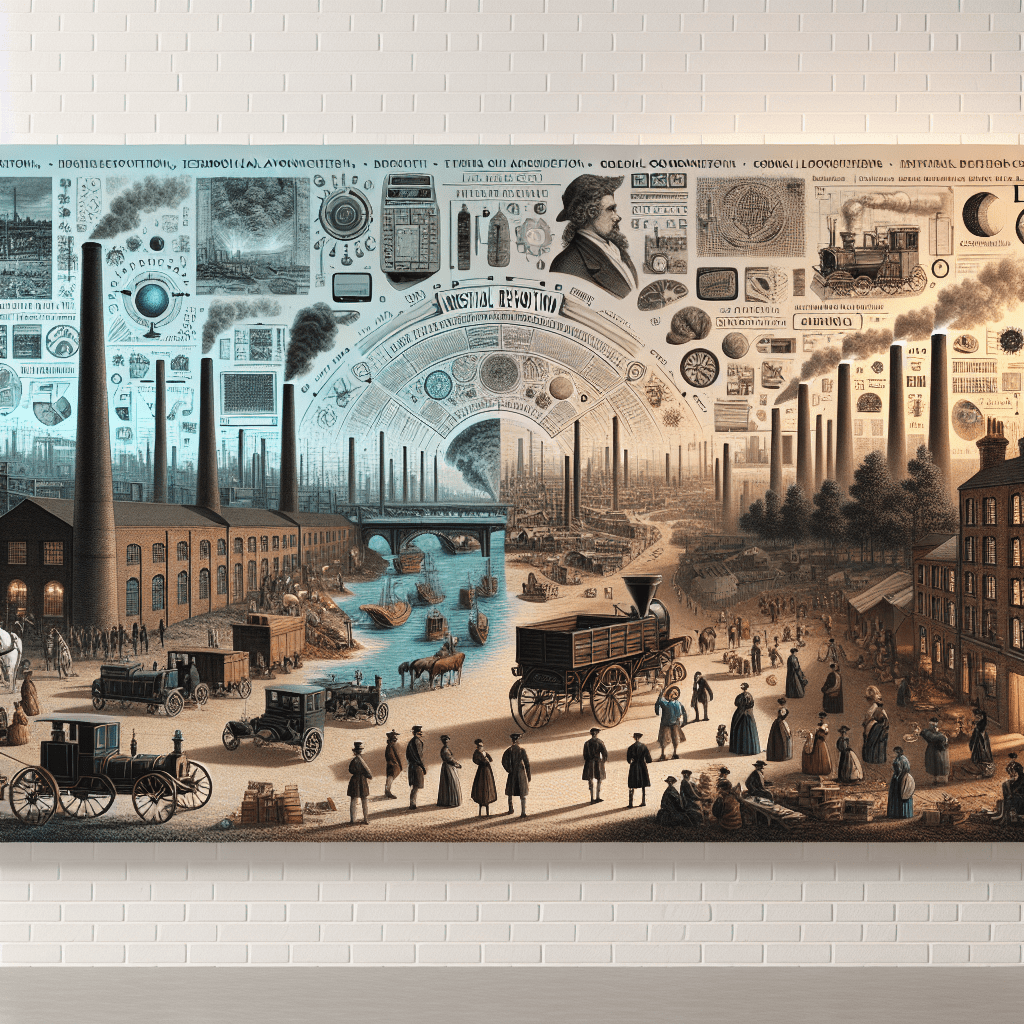
The Industrial Revolution marked significant socio-economic transformation from the late 1700s to the early 19th century, originating in Britain. It brought technological breakthroughs, urbanization, and the rise of factories, impacting labor, global trade, attitudes toward wealth, and social classes, with effects still relevant today in the digital age.
-
The conversation discusses NASA’s Artemis Program, a significant initiative aimed at returning humans to the Moon and preparing for Mars exploration. It highlights technological advancements, international cooperation through the Artemis Accords, and the challenges posed by budget and geopolitical dynamics, framing Artemis as a pivotal chapter in space exploration.



 Conversations with AI