Category: Religion and Beliefs
-
Glitch, Meaning, or Mind?
10–14 minutes·
·
Synchronicity describes meaningful coincidences that feel uncanny, suggesting deeper connections. Carl Jung defined it as an acausal principle, distinct from chance. While psychological biases offer explanations, these events evoke wonder, with some speculating they could be “glitches in the Matrix,” prompting questions about reality’s fabric.

-
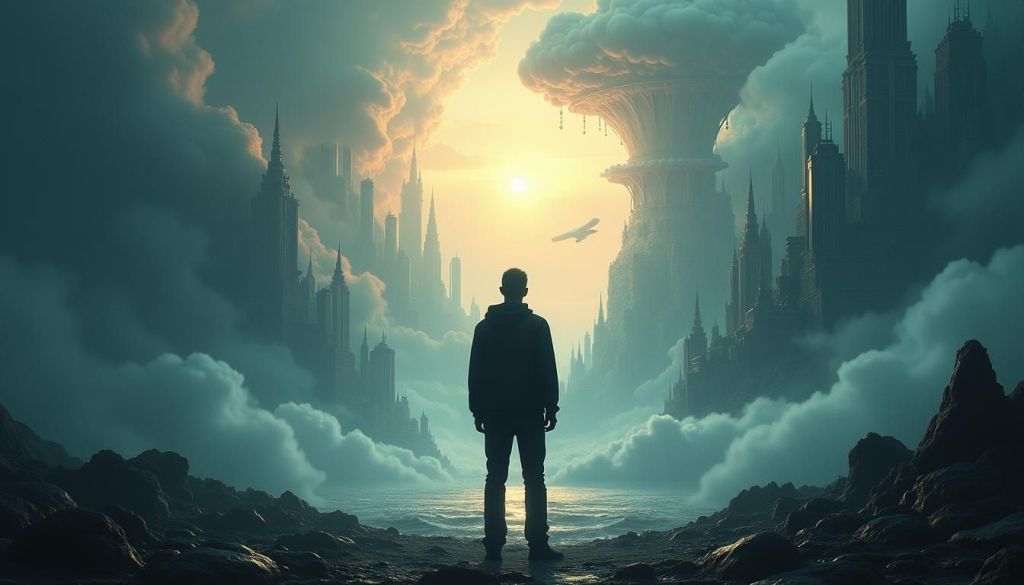
Solipsism, the theory that only one’s own mind is certain to exist, has ancient roots and was notably explored via Descartes’ “Cogito”. While the egocentric predicament makes it hard to refute, arguments from language and practicality counter it. Though not widely believed, solipsism endures as a thought experiment questioning reality.
-
Scientists are intensely searching for biosignatures, signs of life, on distant exoplanets. Using advanced telescopes like JWST, they analyse exoplanet atmospheres. While challenging due to false positives and vast distances, this rapidly advancing field, with future missions planned, seeks to answer if we are alone in the cosmos.

-
Philosophy, originating over 2,500 years ago with Socrates, Confucius, and others, examines ethics, reality, and human existence. From Plato’s Forms to Kant’s deontology and existentialism, it challenges perceptions and shapes moral frameworks. Today, it addresses AI, climate change, and digital ethics, offering critical tools for navigating complex global dilemmas while bridging individual and collective responsibility.

-
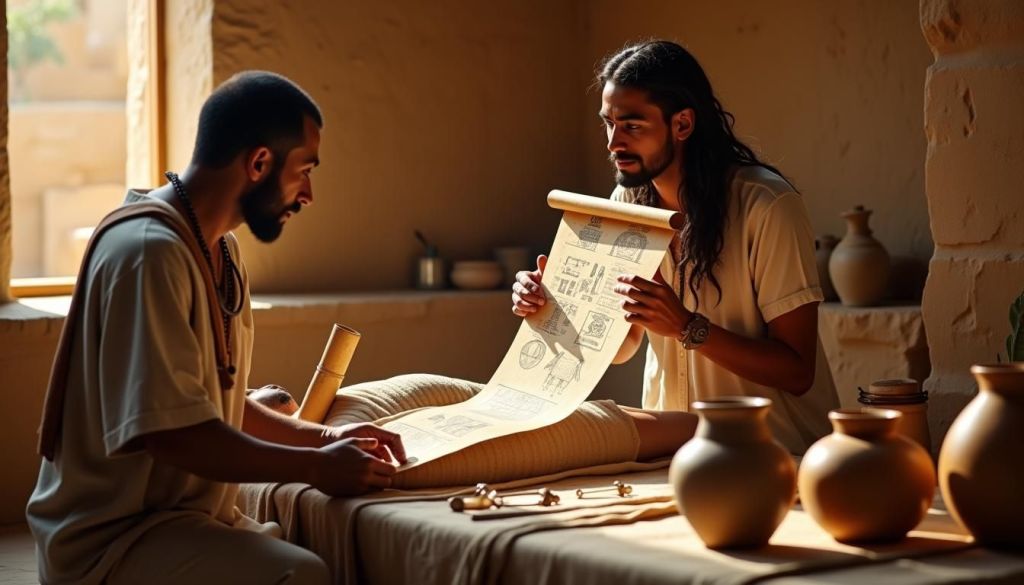
Ancient Egyptians pioneered medicine blending empirical observation with magic. They developed sophisticated diagnosis, surgery, and extensive remedies documented in papyri. With early doctor specialisation, their practical knowledge and systematic approach laid vital foundations for later medical traditions, showcasing a deep concern for health.
-
The text explores cyclical theories of civilisational rise and fall, citing historical perspectives. It details Spengler’s deterministic model of cultures having organic life cycles and Toynbee’s focus on “Challenge and Response” and creative minorities. Despite criticisms, these grand theories encourage thinking about long-term historical patterns and contemporary global challenges.

-
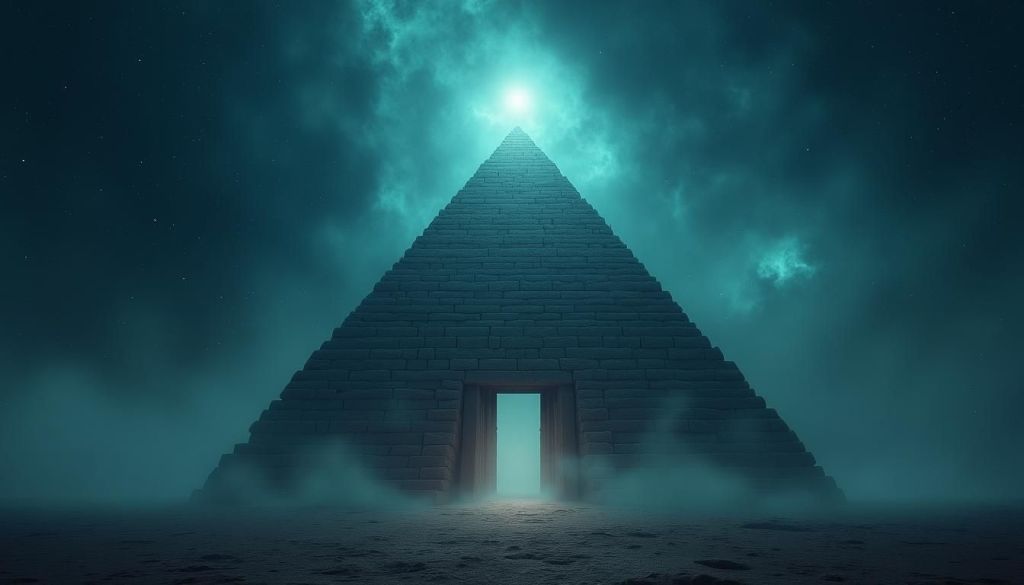
This text explores conspiracy theories about ancient advanced technologies and civilisations, including aliens, lost societies like Atlantis, and pyramid power plants. It examines the appeal of these ideas and the “evidence” cited, contrasting them with mainstream archaeological explanations. The article encourages critical thinking while acknowledging the human desire for mystery about the past.
-
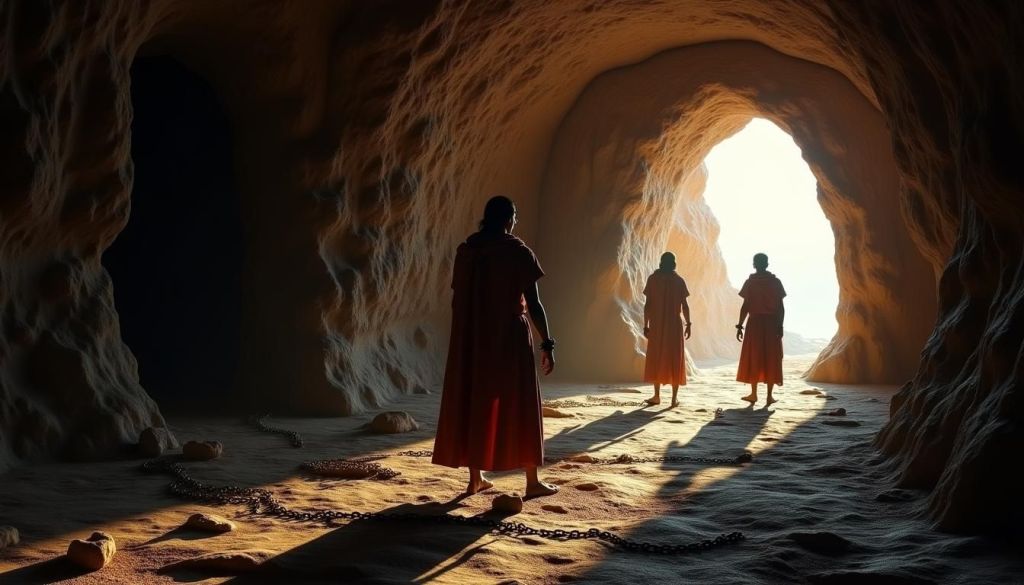
Plato’s Allegory of the Cave illustrates prisoners mistaking shadows for reality. This timeless tale explores the challenging path to true knowledge. It remains relevant, echoing in modern neuroscience, virtual reality, psychology, and science fiction, highlighting the ongoing human struggle to distinguish illusion from genuine reality and question perceived truths.
-
Atlantis, a captivating lost city, originates from Plato’s philosophical dialogues. Archaeology finds no evidence for a real Atlantis matching Plato’s description in the Atlantic around 9600 BCE. While the Minoan civilisation’s demise on Thera offers a possible inspiration, Atlantis remains a myth, its allure stemming from humanity’s fascination with lost paradises and ancient mysteries, continually…

-
Secret Space Programme (SSP) conspiracy theories propose hidden, advanced space programmes beyond official agencies, potentially involving alien technology and off-world bases. Originating from Cold War secrecy and UFO lore, proponents cite figures like Corso and Lazar, and events like Roswell. Despite lacking verifiable evidence, SSP theories persist due to distrust, fascination with the unknown, and…

-
Humanity has long questioned our cosmic solitude, prompting the search for extraterrestrial intelligence (SETI) and life (astrobiology). Using radio telescopes and exoplanet atmosphere analysis, scientists explore for alien signals or biosignatures. The Drake Equation and Fermi Paradox frame this quest, highlighting the implications of both discovery and continued silence for our understanding of life in…

-
not Aliens…
5–8 minutes·
·
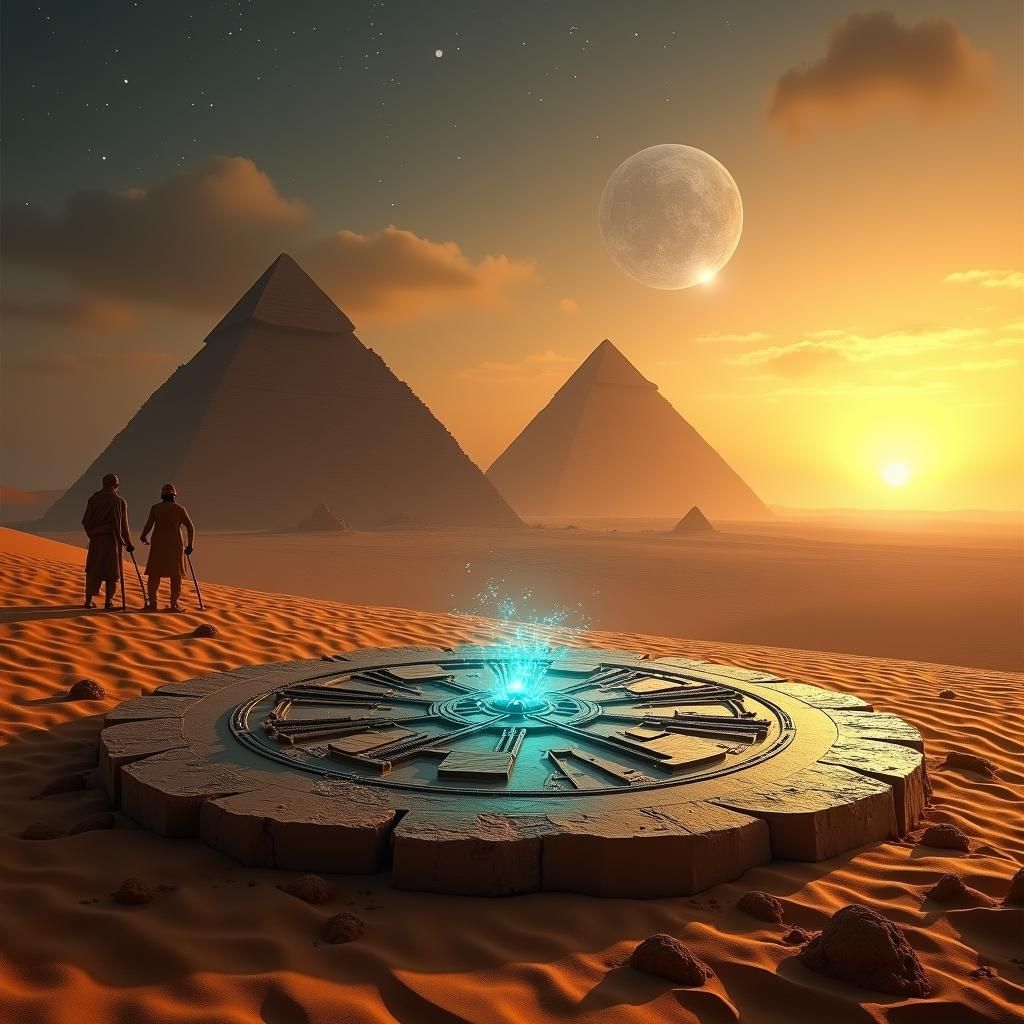
The conversation explores ancient marvels like Egypt’s pyramids and the Antikythera Mechanism, which inspire theories of lost technologies or extraterrestrial influence. While mainstream scholarship attributes these feats to human ingenuity and labour, conspiracy narratives thrive on mystery and fragmented historical records. These theories reflect modern fascination with the unknown, blending scepticism, storytelling, and societal anxieties,…
-
Mesopotamia (3500–539 BCE), between the Tigris and Euphrates, pioneered governance systems still shaping modern states. Facing resource management challenges, its civilisations developed bureaucracy, legal codes (e.g., Hammurabi’s), tax systems, and cuneiform writing for administration. City-states, treaties, and early parliaments emerged, alongside hierarchical laws and organised labour. Their innovations in justice, record-keeping, and urban management influenced…

-
Ancient China’s philosophical legacy, born from Zhou Dynasty turmoil (1046–256 BCE), shaped ethics, governance and culture. Confucianism (ren, reciprocity), Daoism (harmony with Dao), Legalism (strict laws) and Mohism (universal love) offered competing visions. Suppressed or revived, these ideas endured, influencing East Asian education, science and policy. Their balance of humanism, naturalism and pragmatism remains globally…

-
In the digital age, pervasive tracking fuels government surveillance concerns, blending security and intrusion. Historical programmes like COINTELPRO and Snowden’s NSA leaks reveal mass monitoring, while facial recognition and tech partnerships amplify distrust. Conspiracy theories, driven by secrecy and pop culture, merge documented realities with myths. Experts debate privacy erosion versus safety, questioning transparency’s role…



 Conversations with AI