Category: History
-
Ancient China’s philosophical legacy, born from Zhou Dynasty turmoil (1046–256 BCE), shaped ethics, governance and culture. Confucianism (ren, reciprocity), Daoism (harmony with Dao), Legalism (strict laws) and Mohism (universal love) offered competing visions. Suppressed or revived, these ideas endured, influencing East Asian education, science and policy. Their balance of humanism, naturalism and pragmatism remains globally…

-
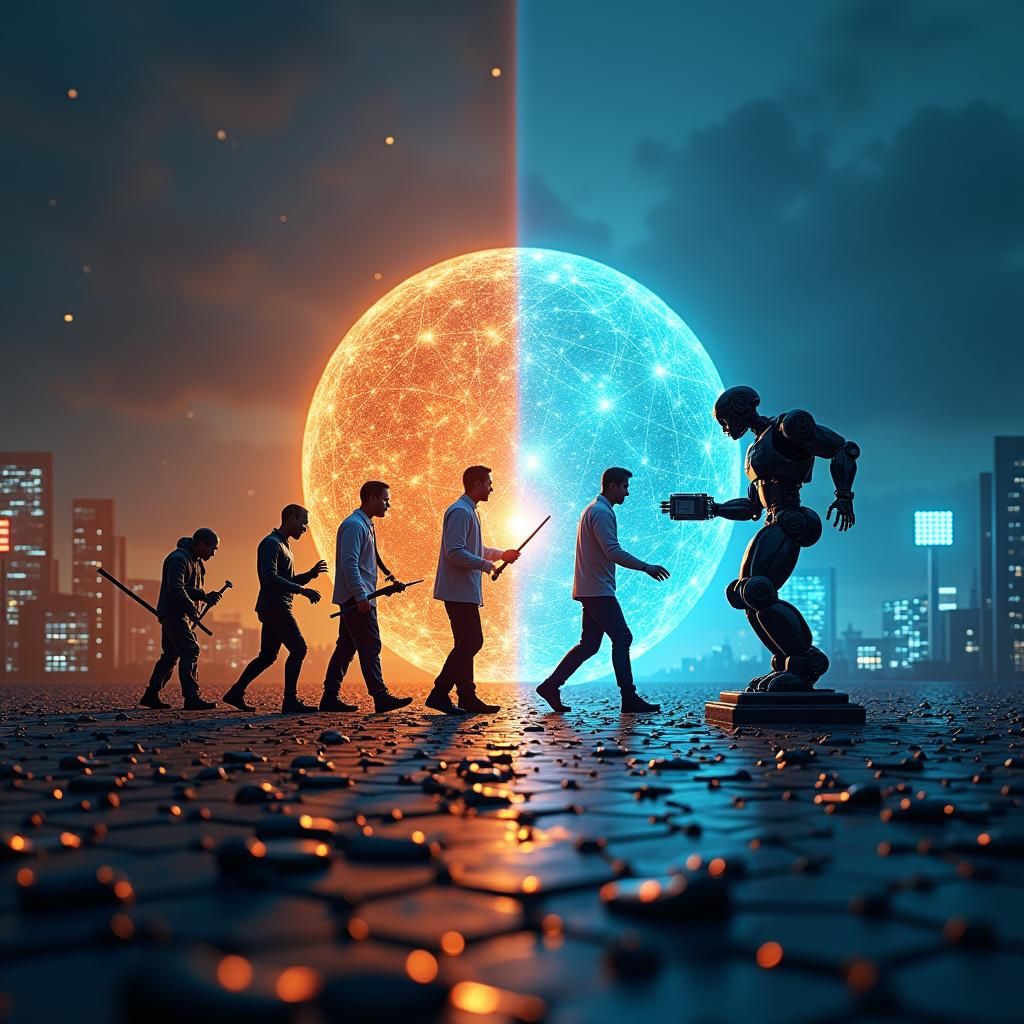
Materials science underpins modern innovations, from smartphones to biodegradable plastics, by studying atomic structures and properties. Historic breakthroughs like bronze and steel paved the way for today’s composites, nanomaterials, and biomaterials. Addressing sustainability and global challenges, researchers develop eco-friendly alternatives and smart materials. Future advancements aim for atomic-level precision, revolutionising energy, medicine, and technology.
-
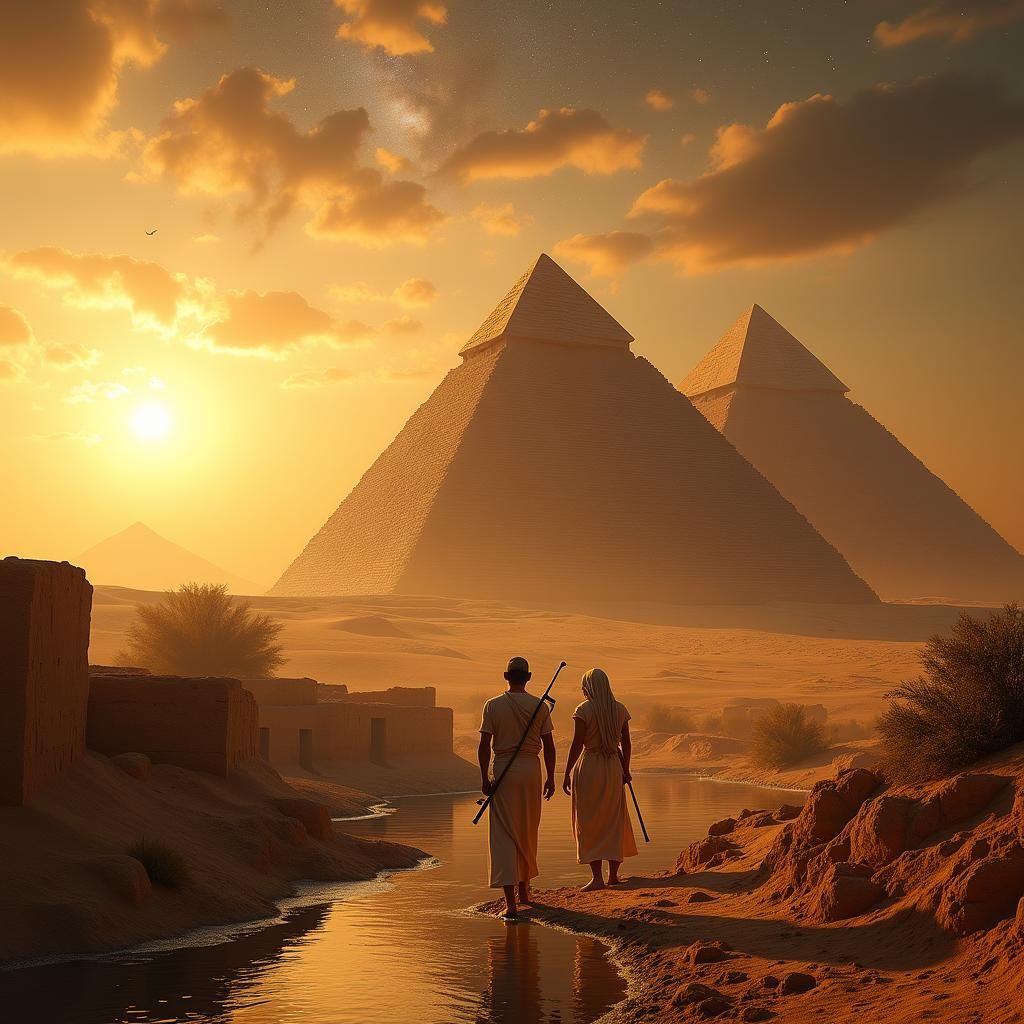
The Pyramids of Giza, built circa 2580–2560 BCE as tombs, remain enigmatic. Modern technologies like muon radiography uncover hidden chambers, ramps and a lost Nile branch, revealing advanced logistics. Evidence of skilled, well-treated workers replaces slave theories. Celestial alignments and non-invasive research underscore ancient Egyptian engineering and societal sophistication, reshaping historical perceptions.
-
The cosmic microwave background (CMB), ancient light emitted 380,000 years after the Big Bang, was accidentally detected in 1964. Its temperature fluctuations confirm the universe’s composition (5% ordinary matter, 27% dark matter, 68% dark energy) and cosmic evolution. Missions like COBE, WMAP, and Planck mapped its structure, while ongoing research probes anomalies, inflation, and future…

-
Ancient Greek theatre, rooted in 6th-century BCE Dionysian rituals, became a civic-religious pillar in Athens. Playwrights like Aeschylus and Aristophanes wove tragedies and comedies exploring human flaws, justice, and politics, performed in hillside amphitheatres. Innovations in structure, masks, and chorus shaped Western drama. Despite societal contradictions, its legacy endures in modern narratives and civic discourse.

-
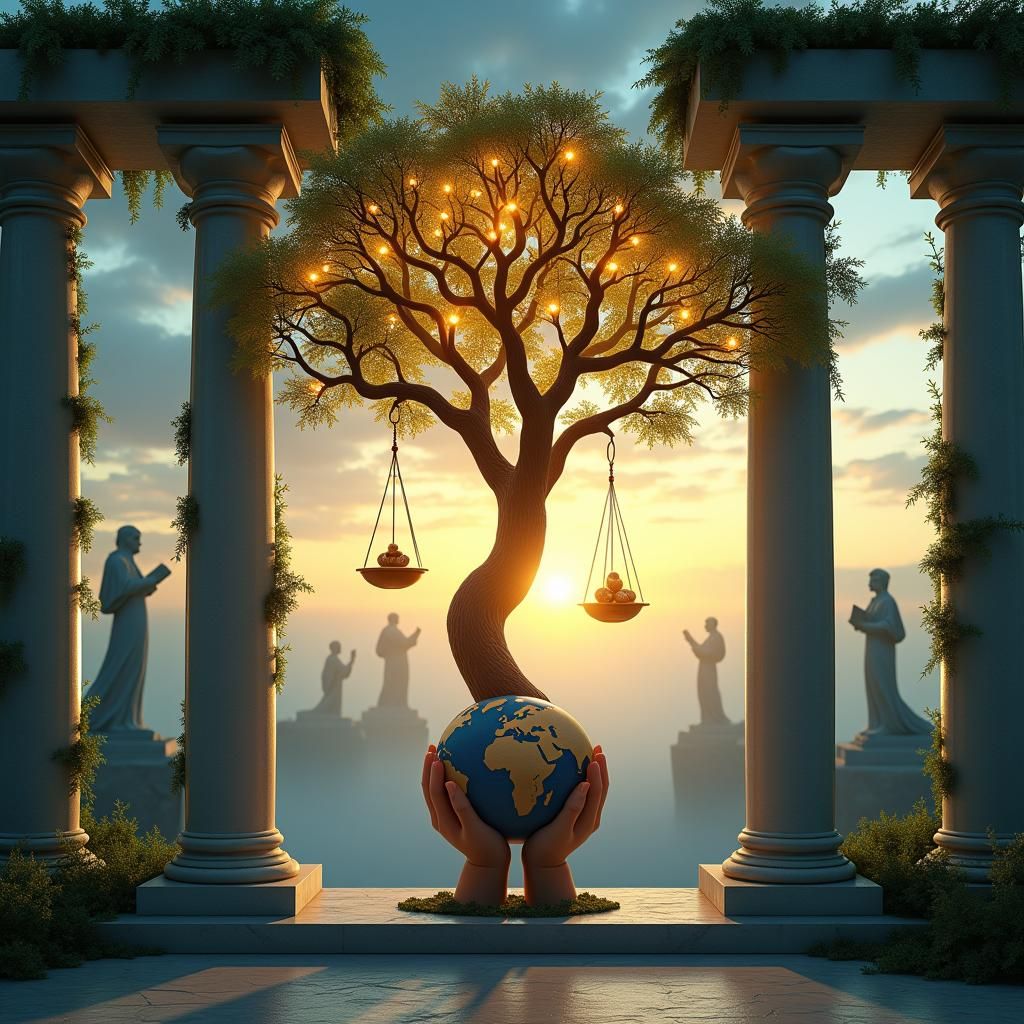
Philosophy underpins humanity’s understanding of ethics, from ancient Greek debates on virtue to Enlightenment theories of rights and modern dilemmas like AI. Thinkers like Socrates, Kant and Mill established frameworks for moral reasoning, emphasising critical inquiry over rigid rules. As evolving dialogue, philosophy addresses contemporary issues—climate change, human rights, technology—guiding ethical progress through reasoned debate.
-
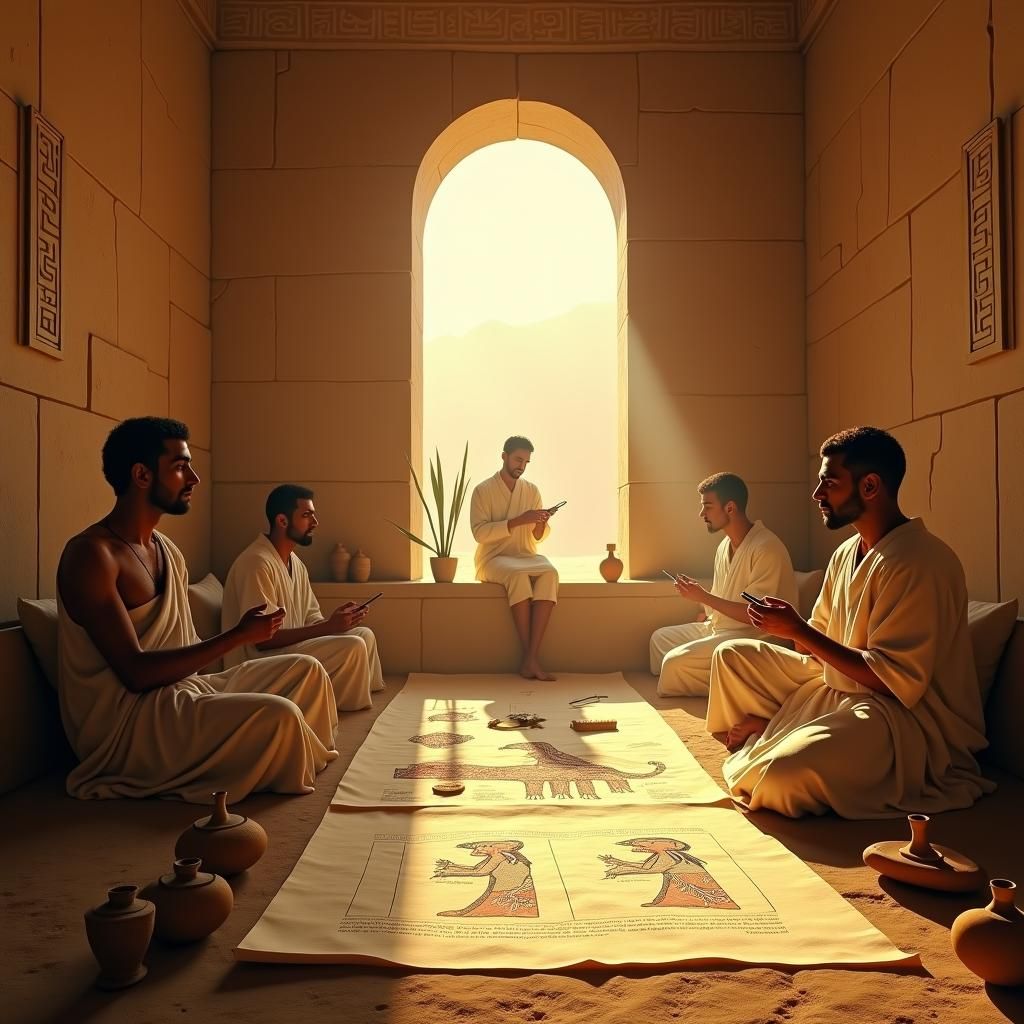
Ancient Egyptian medicine blended science, spirituality, and practicality, pioneering surgical techniques, herbal remedies, and medical documentation (Ebers and Edwin Smith Papyri). Mummification advanced anatomical knowledge, while treatments merged empirical methods with incantations. Influencing Greek and Roman practices, their holistic approach—balancing physical and spiritual care—laid foundations for modern medicine, highlighting innovation and cross-cultural legacy in medical…
-
Paleoclimatology studies Earth’s ancient climates using natural archives like ice cores, tree rings, and ocean sediments. Antarctic ice reveals 800,000-year-old air bubbles, showing past CO₂ fluctuations. Proxies and technology trace historical climate shifts, highlighting humanity’s unprecedented impact on modern warming. This field informs future climate predictions, stressing urgent action against human-driven change while learning from…

-
Thawing Arctic permafrost is revealing ancient human and ecological histories, challenging past assumptions of the region as uninhabitable. Discoveries like 30,000-year-old hunting sites and preserved Indigenous villages illustrate early human adaptability. However, climate change threatens these artefacts’ survival. Collaborations between archaeologists and Indigenous communities highlight ethical imperatives to preserve heritage while confronting environmental crises’ intertwined…

-
Ancient marvels like the pyramids and Stonehenge spark debate between mainstream archaeology, which credits human ingenuity and labour, and conspiracy theories proposing lost civilisations or extraterrestrial intervention. While such narratives reflect fascination with mystery and hidden truths, they risk overshadowing ancient societies’ achievements, highlighting tensions between sceptical inquiry and cultural appreciation of historical innovation.

-
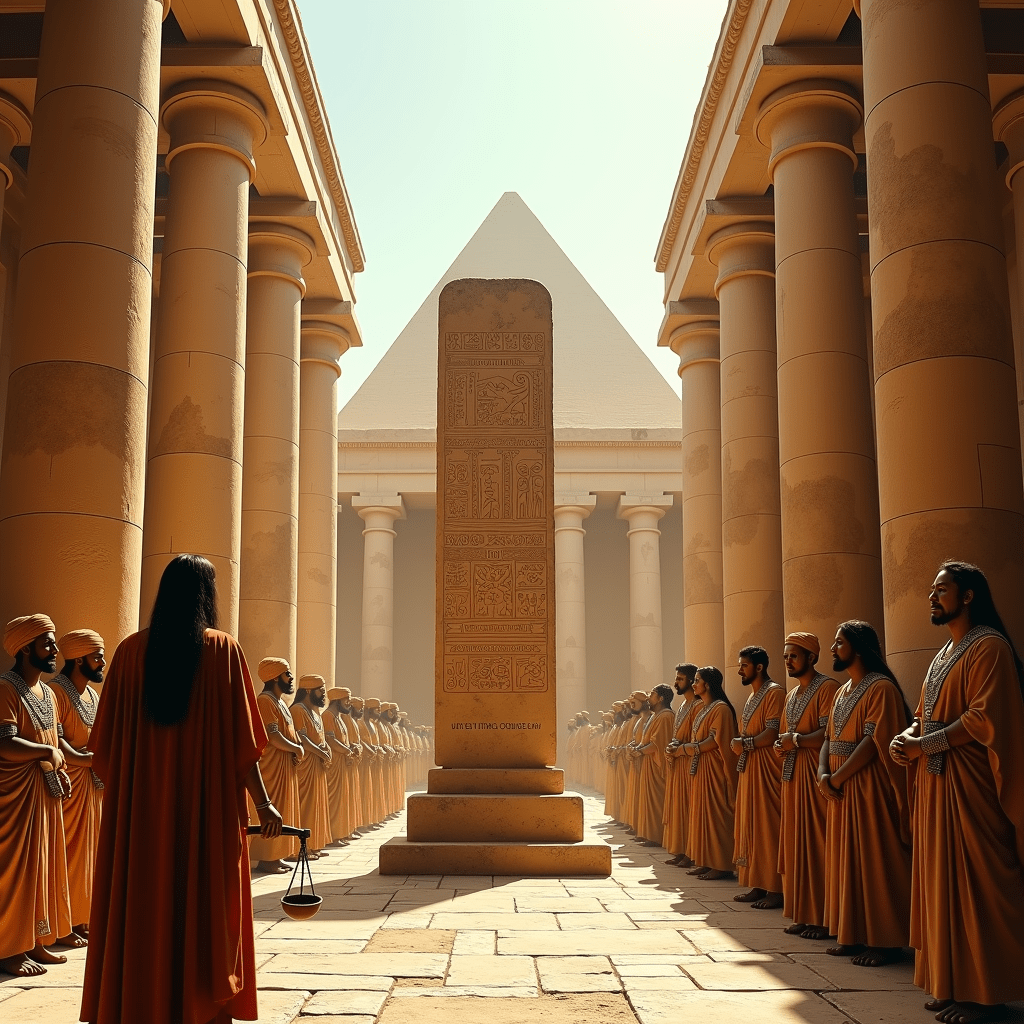
Mesopotamia, birthplace of codified law over 3,800 years ago, established written legal systems via codes like Ur-Nammu’s (fines) and Hammurabi’s (*lex talionis*). These laws standardised justice, reflected social hierarchies, yet granted women rights. Courts used evidence and testimony. Their legacy—transparency, proportionality, accountability—shaped Hebrew, Roman, and modern legal frameworks, embedding principles still foundational today.
-
Philosophy explores human nature through history, from Socrates’ rational inquiry to Sartre’s existentialism. Debates span essentialism (Plato, Aristotle) versus existential freedom, reason versus experience (Descartes, Locke), and societal roles (Stoics, Hobbes). Modern issues like AI, genetics, and ethics highlight philosophy’s ongoing relevance in understanding identity, morality, and humanity’s evolving challenges.

-
Seismology, the science of earthquakes, helps understand the earth’s internal structure and composition, with applications in earthquake hazard assessment, tsunami warning systems, and natural resource exploration, ultimately mitigating earthquake effects on society and the environment.

-
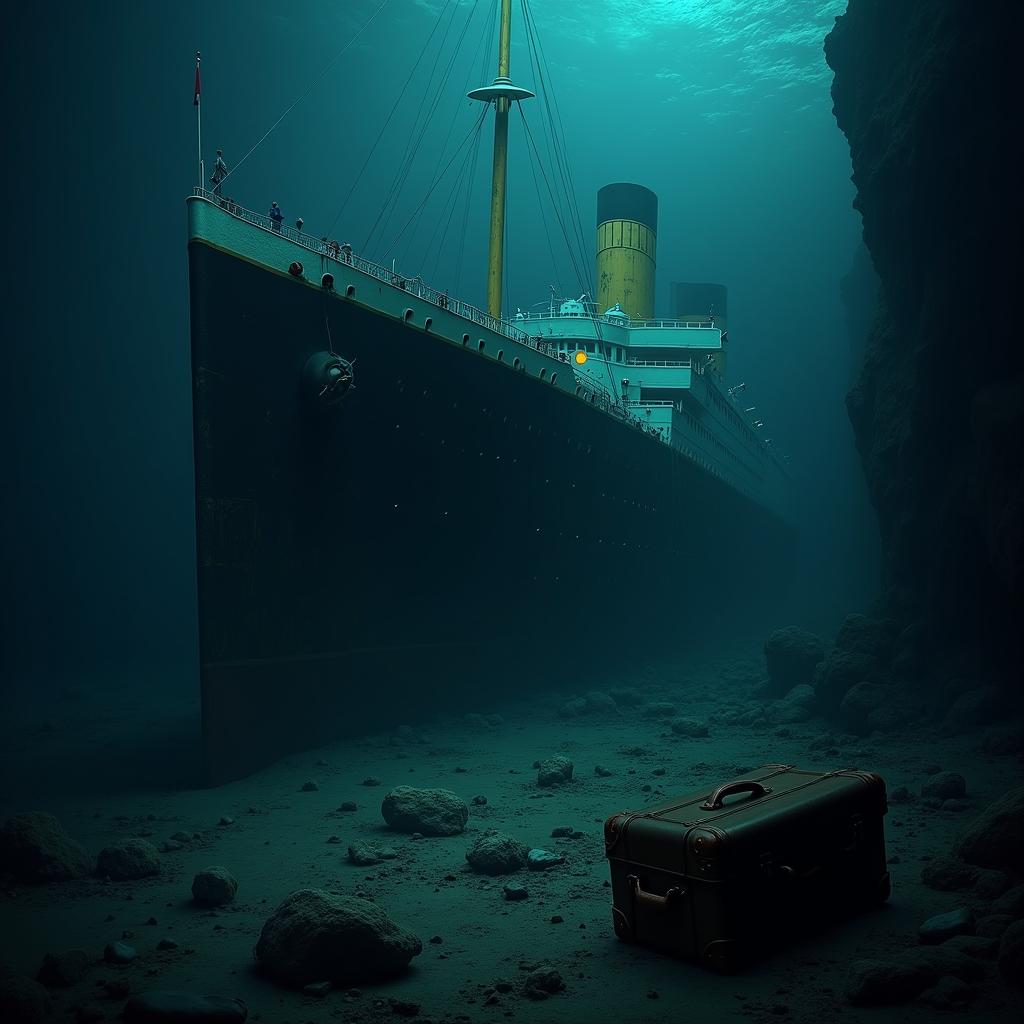
The Titanic’s wreck, discovered in 1985 by Robert Ballard, has yielded artifacts and structural insights, revealing personal stories and design flaws. These findings highlight maritime safety improvements, cultural impact, and ethical preservation debates, offering historical lessons and insights into human resilience.
-
The exploration examines conspiracy theories about secret societies, tracing their historical roots from ancient groups like the Pythagorean Brotherhood and Knights Templar to modern theories involving the Illuminati, Freemasonry, the New World Order, and QAnon. These theories, often lacking evidence, influence societal beliefs and trust, highlighting the balance between critical thinking and evidence-based analysis.


 Conversations with AI