Category: Civilisation
-
The conversation explores Karl Popper’s paradox of tolerance, which warns against unlimited tolerance that may allow intolerance to flourish. It discusses its historical context, relevance in modern society, and implications for policy-making amid rising hate speech and radical ideologies, emphasizing the need for a balanced, nuanced approach to tolerance.

-
The conversation discusses the significant impact of globalization on local cultures, highlighting the dynamics of homogenization, hybridization, and cultural resilience. It examines the exchange of ideas and practices, alongside the risks to cultural diversity, emphasizing the reciprocal relationship between globalization and local cultural adaptation and transformation.

-
This article examines the rise and fall of the Roman Empire, detailing its founding in 753 BC, transformation into a Republic, and eventual shift to an Empire under Augustus Caesar. It highlights key political figures, cultural impacts, and factors contributing to its decline, while emphasizing lessons on adaptability and historical interpretation.

-
Preserving Indigenous knowledge is vital for cultural diversity and environmental solutions. Dr. Gregory Cajete highlights the importance of Indigenous wisdom in sustainable living. Language and arts hold cultural expressions, as Dr. J. Richard Steffensen and Dr. Sam Gill note. Collaboration with Indigenous communities promotes cultural preservation and innovative ecological solutions.

-
Unlocking the Final Frontier: Humanity’s Path to the Stars
2–4 minutes·
·
Space colonisation fascinates humanity, driven by resource acquisition, environmental preservation, and survival. Asteroids and planets offer valuable resources, while space colonies could reduce Earth’s ecological strain. Ensuring human survival against catastrophic events like asteroid impacts is crucial. However, technical and ethical challenges persist, necessitating innovation, ethics, and international cooperation as humanity becomes a spacefaring civilization.

-
Rediscovering ancient herbal remedies highlights their importance in historical and modern medicine. As interest grows in alternative therapies, there’s a return to nature, exploring historical texts and traditions for health insights. Modern studies validate many ancient remedies like turmeric and garlic, emphasizing a holistic approach and cultural connections in healing practices.

-
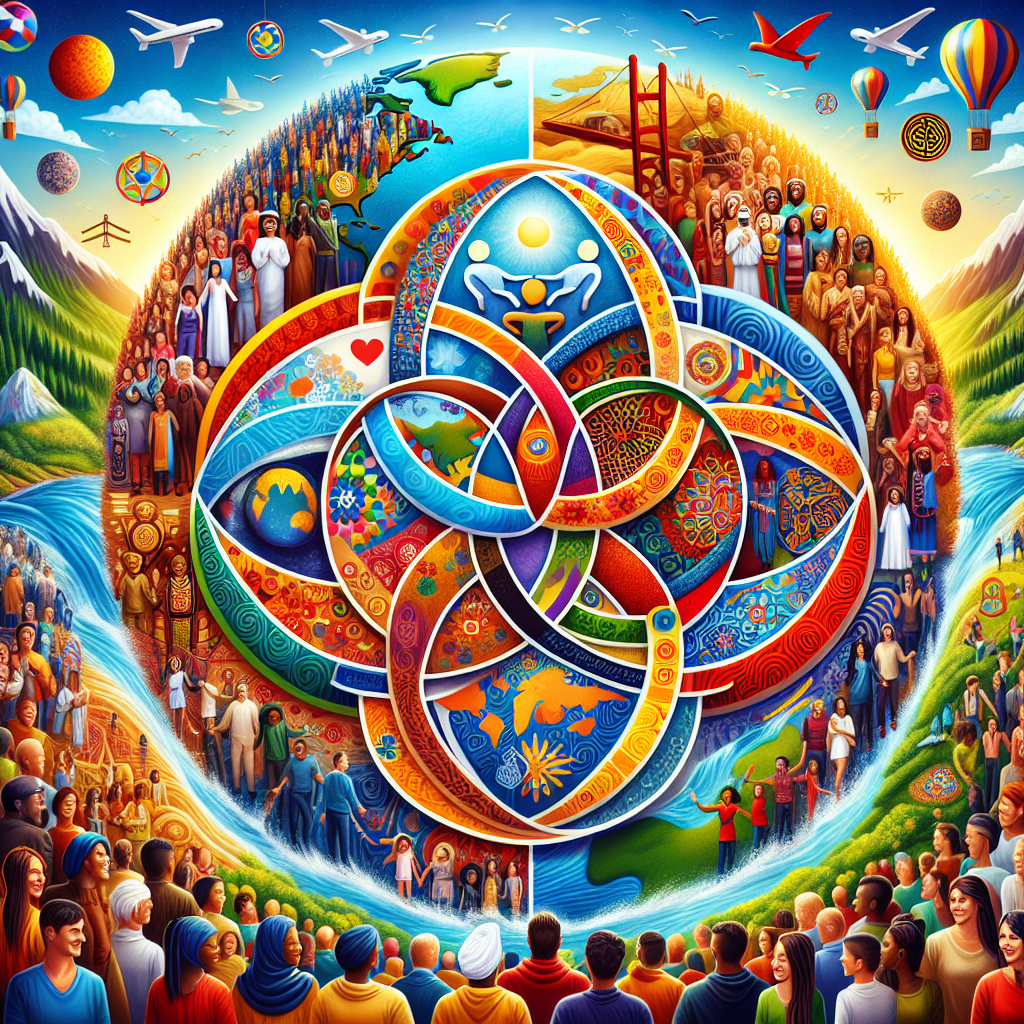
Cultural diversity enriches humanity through unique customs and perspectives, enhancing global arts, innovation, and social cohesion. By embracing differences, we foster empathy and harmony. Influential voices like Ola Joseph, Maya Angelou, and Kofi Annan highlight diversity’s beauty and strength, urging us to celebrate shared experiences for a more inclusive world.
-
the unique journey of Homo sapiens, from their origins in Africa to their global spread. Topics include the extinction of other human species like Neanderthals and Denisovans, human adaptability, advanced cognitive abilities, technological innovation, and the factors that enabled humans to dominate the planet.

-
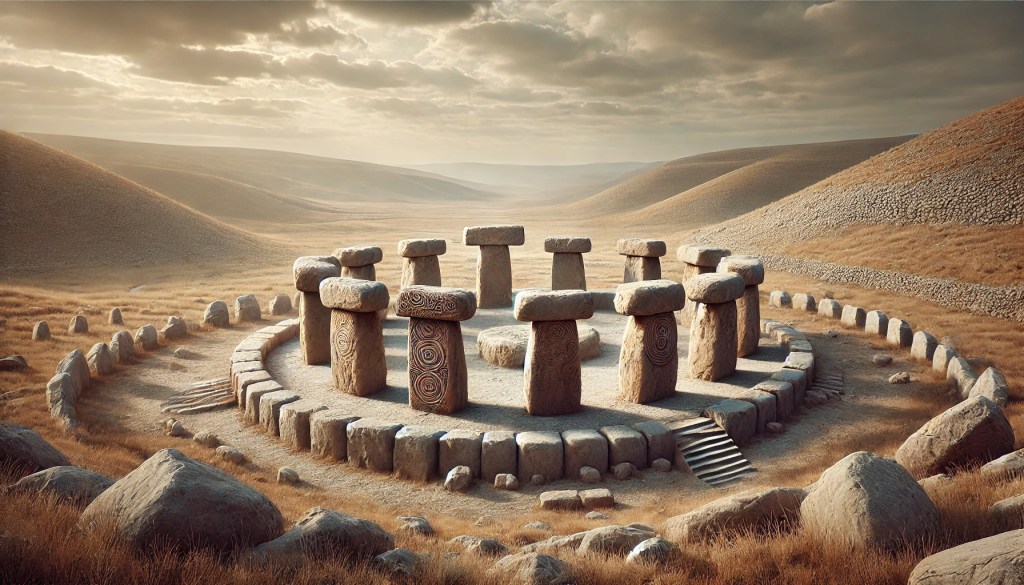
Göbekli Tepe, an ancient ceremonial site in Turkey, was built by Pre-Pottery Neolithic hunter-gatherers. Its T-shaped pillars, possibly symbolic or ritualistic, were carved with animals and may represent human figures. The site was intentionally buried, and its religious practices remain speculative. Other similar Neolithic sites exist regionally.
-
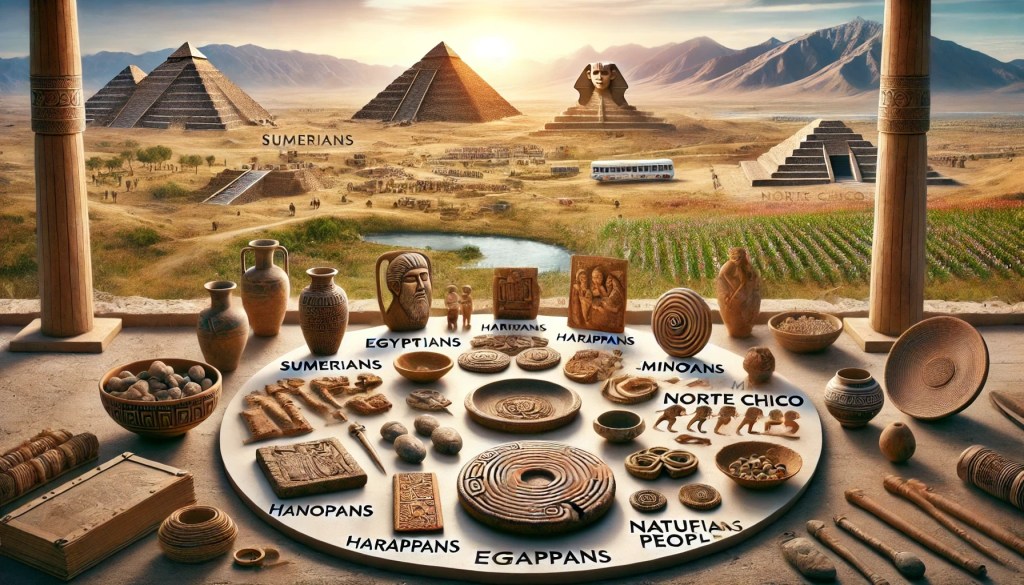
Question: list the earliest people, then as individual chapters elaborate on each culture listing their key accomplishments and expand each point. finally conclude with a chapter on whether there could have been any shared knowledge between the cultures. Earliest Peoples Chapter 1: Sumerians Key Accomplishments: Chapter 2: Ancient Egyptians Key Accomplishments: Chapter 3: Harappans (Indus…
-
Without the influence of religion or gods, ancient texts still offer profound insights into human nature, society, ethics, and the understanding of the world. These texts often reflect the experiences, struggles, and wisdom of ancient civilizations, providing lessons that remain relevant today. Here are some key insights that can be drawn from ancient texts when…

-
There are some intriguing parallels between ancient flood myths and modern weather patterns, especially when considering the increasing frequency of severe weather events and rising sea levels due to climate change. These parallels might not be literal, but they highlight similar human concerns and fears related to the natural world. Here are a few connections:…

-
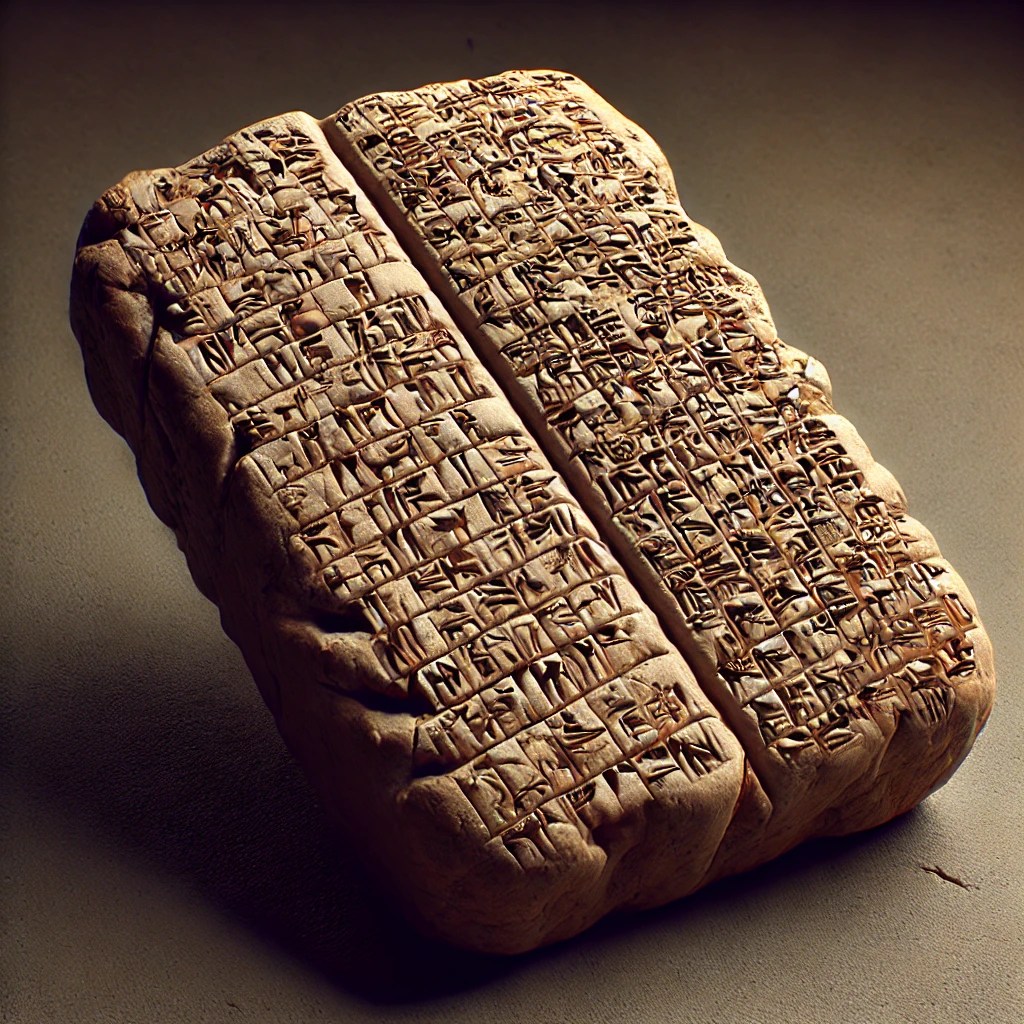
The original flood myth likely dates back to ancient Mesopotamian civilizations and is best known through the Epic of Gilgamesh, which predates the biblical narrative of Noah’s Ark. In this version, the gods decide to flood the earth to punish humanity for its sins. One god, Ea (also known as Enki), warns a man named Utnapishtim and instructs…


 Conversations with AI