Category: Health and Medicine
-
The conversation explores the allure and science of meditation, tracing its roots from Buddhism to modern cognitive science. It discusses neuroimaging findings, mindfulness benefits, and emotional regulation. The potential for neuroplasticity and future research in cognitive science and meditation highlights the complexity and significance of understanding mental tranquility.

-
The conversation discusses predictive coding, a theory suggesting the brain functions as a prediction machine, decoding sensory information. Originating in the late 1980s, it has implications in neuroscience and artificial intelligence. While controversial, predictive coding may transform understanding and treatment of mental disorders, as it intertwines with advancements in AI.

-
The conversation emphasizes biotechnology’s transformative impact across healthcare, food production, environmental conservation, and energy. It traces its history and innovations, particularly in genetic engineering, cloning, and genome sequencing. Ethical concerns arise from its advancements, urging the necessity of a vigilant approach as society navigates this rapidly evolving landscape.
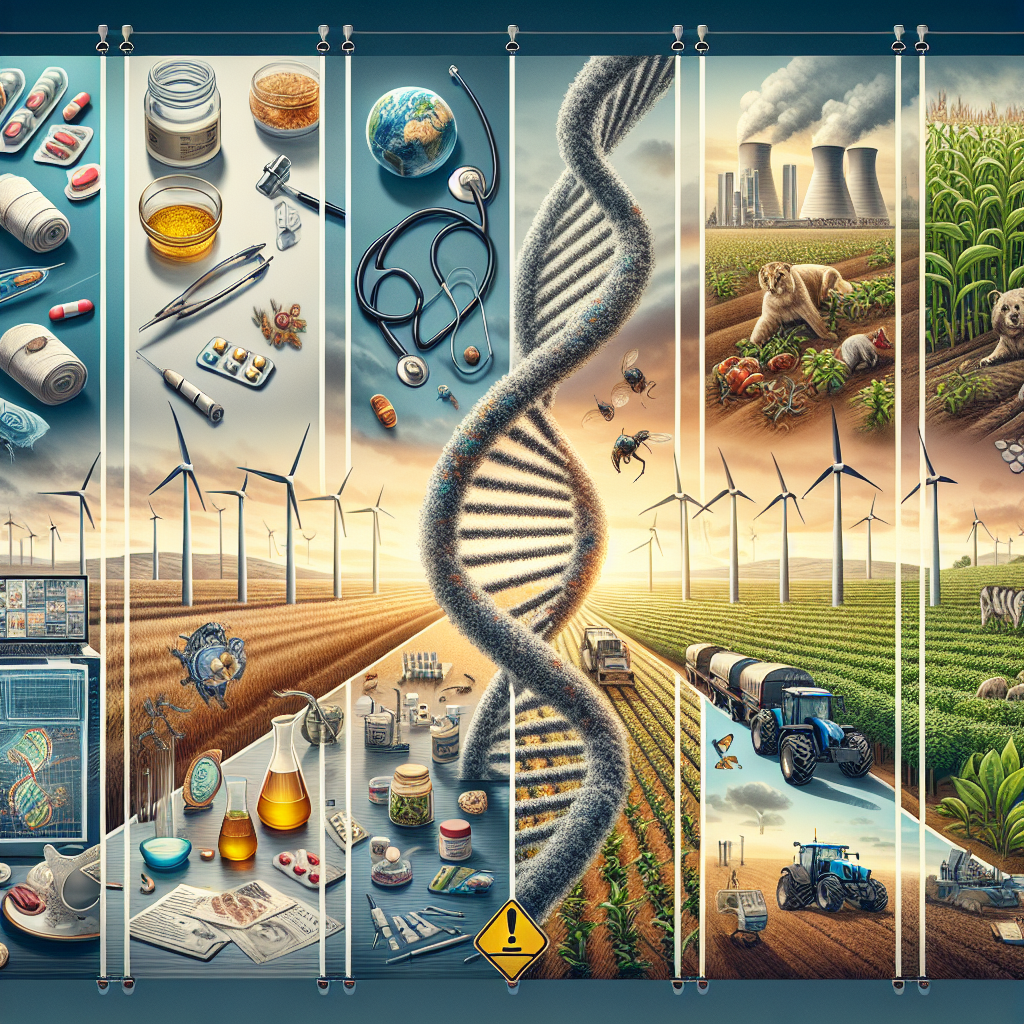
-
This conversation explores hoarding disorder, a complex mental health condition characterized by excessive clutter and emotional attachment to possessions. It discusses its psychological roots, symptoms, historical context, and evolving treatment options. The conversation also emphasizes the importance of societal understanding and support for affected individuals, aiming to reduce stigma.

-
The human microbiome comprises trillions of microorganisms essential for health, impacting digestion, immunity, and mental health. Research has advanced significantly since the late 20th century, revealing complex interactions. Key topics include microbiome composition, immune modulation, gut-brain connections, and metabolism, highlighting its crucial role in disease and potential therapeutic implications.

-
Mindful journaling merges mindfulness and journaling, enhancing self-awareness and emotional insight. It aids emotional regulation, reduces stress, and supports personal growth. Through regular reflection, individuals articulate anxieties and set goals, improving mental health. The practice is accessible, requiring minimal time for significant benefits, fostering tranquility and personal insight.

-
Resilience training equips individuals with skills to handle stress and adversity. It promotes a growth mindset, emotional regulation, social support, and effective communication. By setting achievable goals, individuals can overcome challenges. This training fosters personal and professional development, enhancing resilience in individuals and organizations, and contributes to creating more resilient communities.

-
Slow living is a lifestyle embracing mindfulness and balance amidst modern society’s fast pace. It encourages presence, simplicity, sustainability, and nurturing relationships by prioritizing intrinsic fulfillment over societal expectations. Advocates like Juliet B. Schor, Jon Kabat-Zinn, Vandana Shiva, Brené Brown, and Carl Honoré highlight its benefits on well-being, sustainability, and meaningful connections.

-
The conversation discusses the global issue of water scarcity, emphasizing its impact on economic development, public health, and sustainability. Solutions include advanced water management technologies, conservation practices, and international cooperation. Key strategies involve optimizing water usage, promoting efficient agriculture, raising public awareness, and fostering cross-border governance to ensure sustainable and equitable water access.

-
Gene editing revolutionizes healthcare by correcting genetic disorders and personalizing treatments. Spearheaded by pioneers like Dr. Doudna and Professor Charpentier, it offers potential cures for diseases like cystic fibrosis. Despite ethical concerns and economic barriers, gene editing promises significant global health improvements, as highlighted by experts like Dr. Fauci and Dr. Piot.

-
Acts of random kindness strengthen community bonds, offering hope and highlighting inherent human goodness. Such gestures initiate positive feedback loops, inspiring wider emulation. These actions enhance well-being and foster empathy, creating ripples of compassion. Community initiatives harness this spirit, promoting collective movements for positive change, countering negativity and transforming lives.

-
Preserving Indigenous knowledge is vital for cultural diversity and environmental solutions. Dr. Gregory Cajete highlights the importance of Indigenous wisdom in sustainable living. Language and arts hold cultural expressions, as Dr. J. Richard Steffensen and Dr. Sam Gill note. Collaboration with Indigenous communities promotes cultural preservation and innovative ecological solutions.

-
The conversation discusses the dual impact of social media on mental health, with concerns about anxiety and depression, especially among youth. It highlights issues like the “highlight reel” effect, addictive platform designs, and unrealistic comparisons. However, it acknowledges social media’s role in fostering community support, emphasizing balanced and healthy use.

-
Rediscovering ancient herbal remedies highlights their importance in historical and modern medicine. As interest grows in alternative therapies, there’s a return to nature, exploring historical texts and traditions for health insights. Modern studies validate many ancient remedies like turmeric and garlic, emphasizing a holistic approach and cultural connections in healing practices.

-
Urban gardening revitalizes city spaces and strengthens community ties by fostering social interaction and education. These gardens connect diverse people, teach sustainable practices, and enhance aesthetics and environmental health. They improve food security, offer economic opportunities, and support mental well-being, serving as peaceful refuges that improve residents’ quality of life.


 Conversations with AI