Category: Space Exploration and Astronomy
-
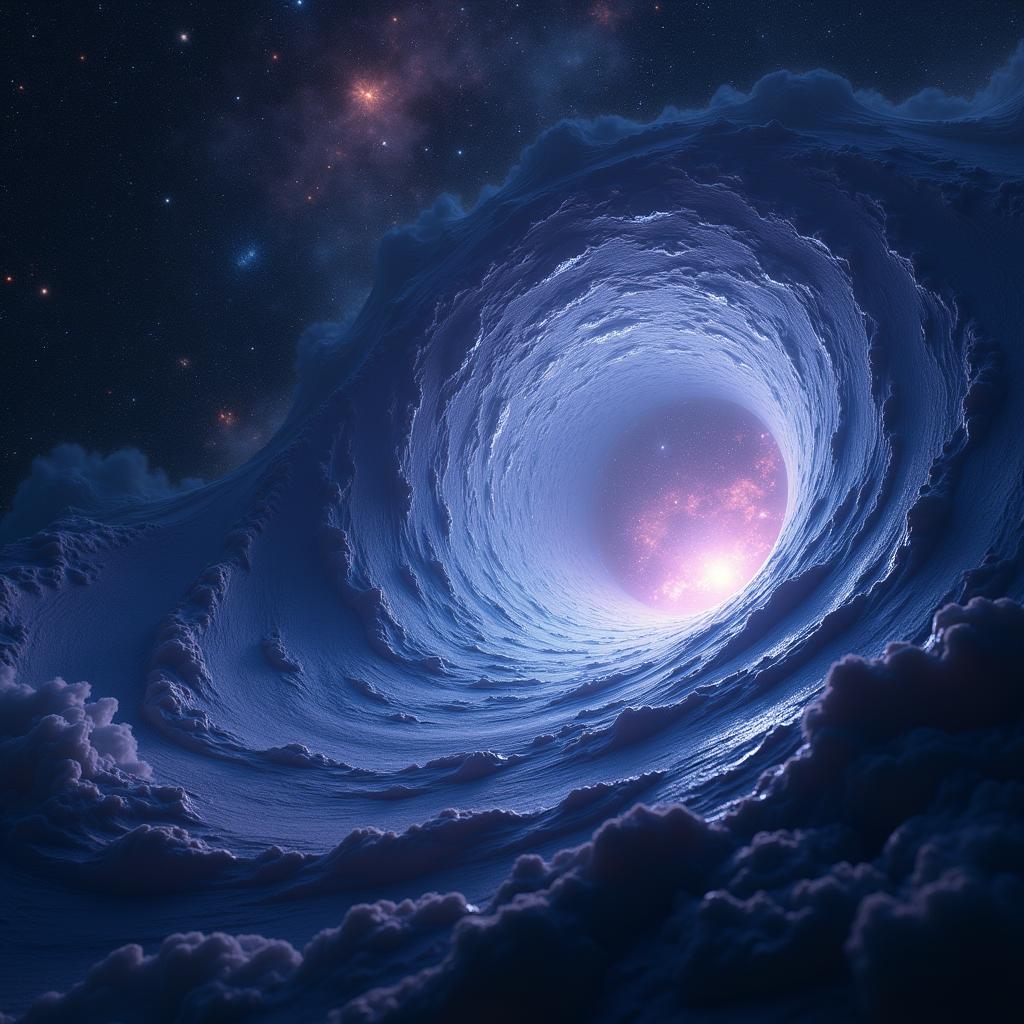
Wormholes, hypothetical spacetime tunnels linking distant cosmic regions, emerged from Einstein’s relativity equations. First theorised by Flamm (1916) and developed by Einstein-Rosen (1935), they require exotic matter with negative energy to stabilise. Though popularised by Wheeler and Thorne, traversability remains speculative. Recent quantum gravity research explores entanglement links and lab simulations. Their existence could revolutionise…
-
The universe’s structure is a complex, fascinating field that has undergone significant transformations, from ancient models to modern theories on dark matter, dark energy, and the multiverse hypothesis, continually refining our understanding of the cosmos.

-
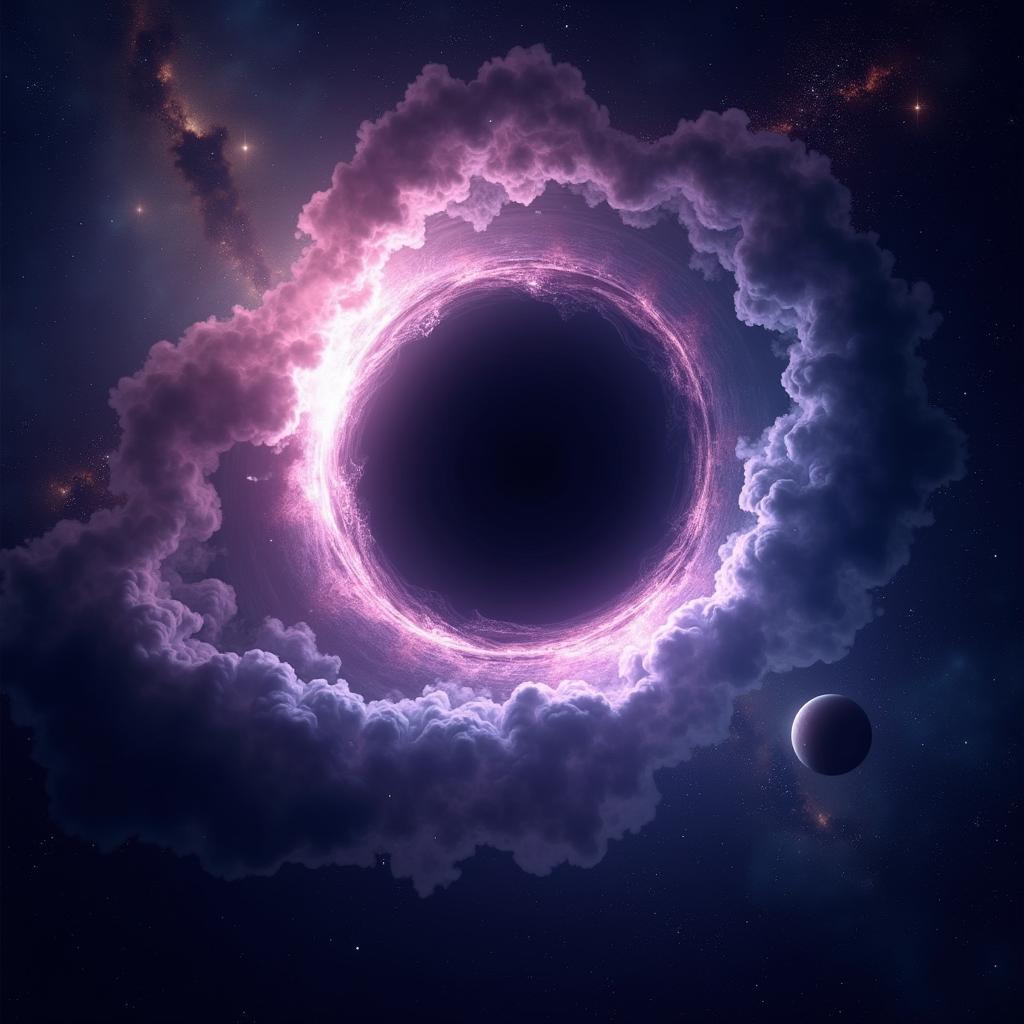
Scientists study black holes, regions of spacetime with strong gravity, using various methods, including X-ray and gamma-ray telescopes, to understand these enigmatic objects and their role in the universe’s evolution and formation.
-
The discovery of the Higgs boson is a significant scientific breakthrough, confirming the existence of the Higgs field and providing insights into the origins of mass, with far-reaching implications for our understanding of the universe.

-
The Earth’s magnetic field reverses, causing significant effects on geology, climate, and life, with potential disruptions to modern society’s technology and ecosystems, highlighting the need for continued research and preparation.

-
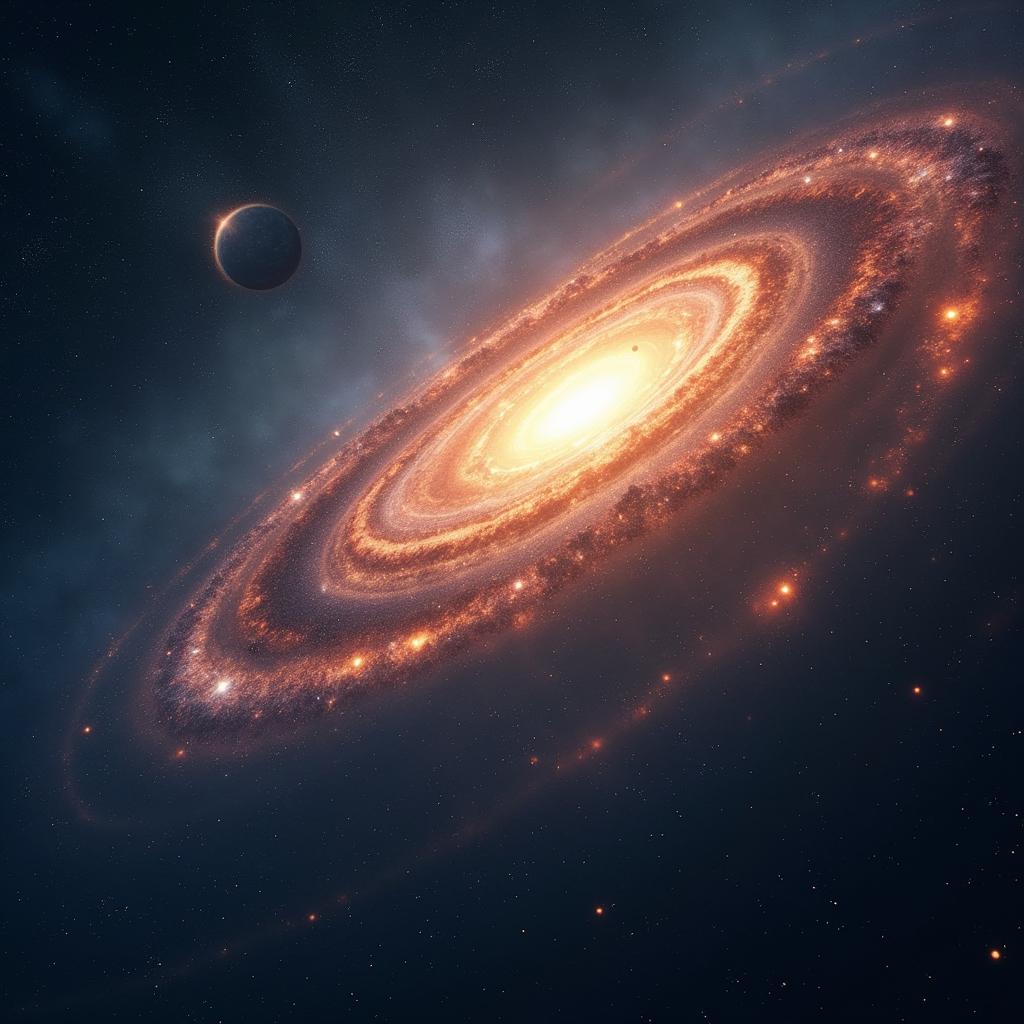
The universe’s fate is a complex topic, with theories such as the Big Crunch, Heat Death, and Multiverse proposing different endings, each with significant implications for our understanding of the cosmos and its ultimate destiny.
-
Time dilation is a phenomenon where time appears to pass slower or faster depending on the observer’s frame of reference, challenging classical understanding of time and space, with significant implications for physics and cosmology research.

-
The next century promises to be an exciting time for astronomy, with numerous celestial events, including the transit of Venus and appearances of bright comets, set to captivate stargazers and scientists, advancing our understanding of the universe and its mysteries.

-
The search for life on Mars and beyond has captivated human imagination, with ongoing and future missions exploring the possibility of extraterrestrial life, driven by innate curiosity about the universe and our place within it, using advanced technologies.

-
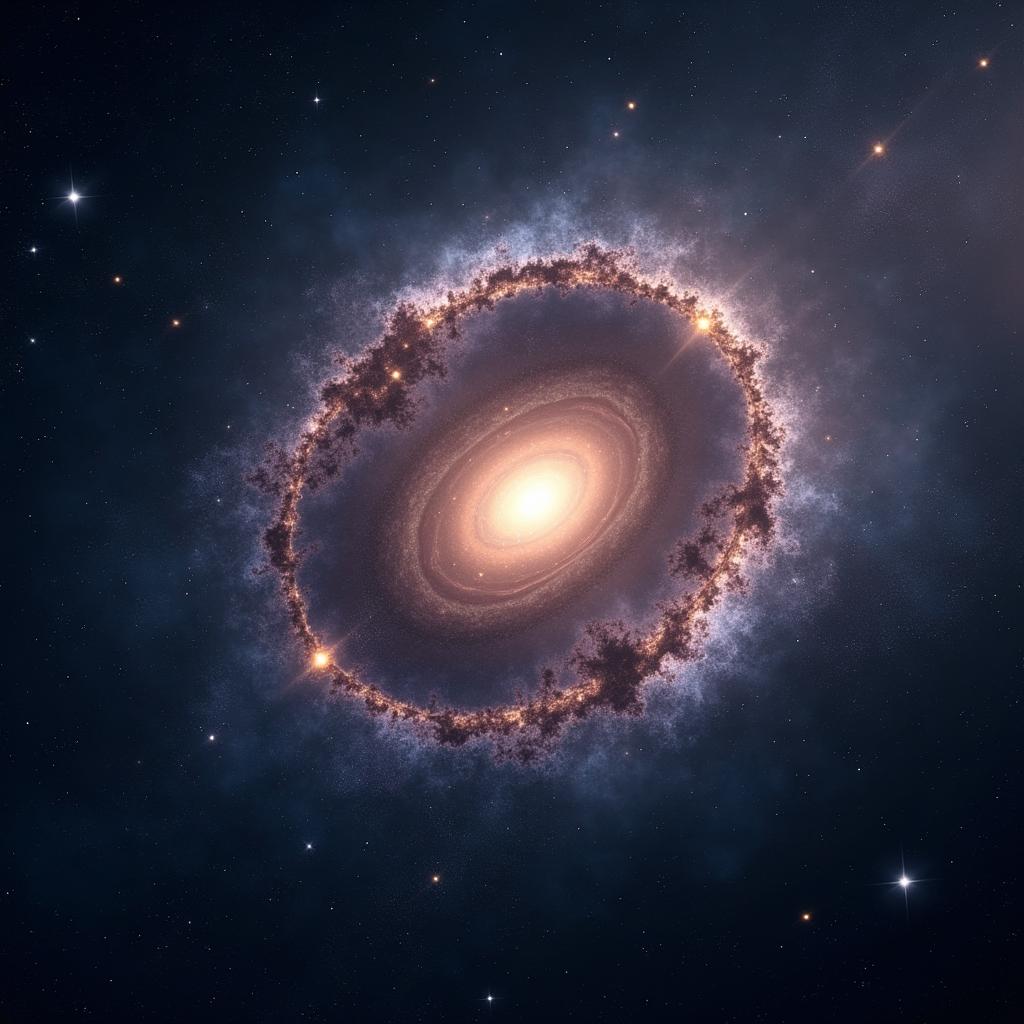
The Great Attractor, a region of space, is pulling our galaxy towards it, sparking fascination and raising questions about the universe’s nature and evolution, with implications for dark matter and large-scale structure.
-
Ancient Chinese civilisation made significant contributions to astronomy, including a lunisolar calendar and astronomical instruments, which have had a lasting impact on our understanding of the universe and its complexities.

-
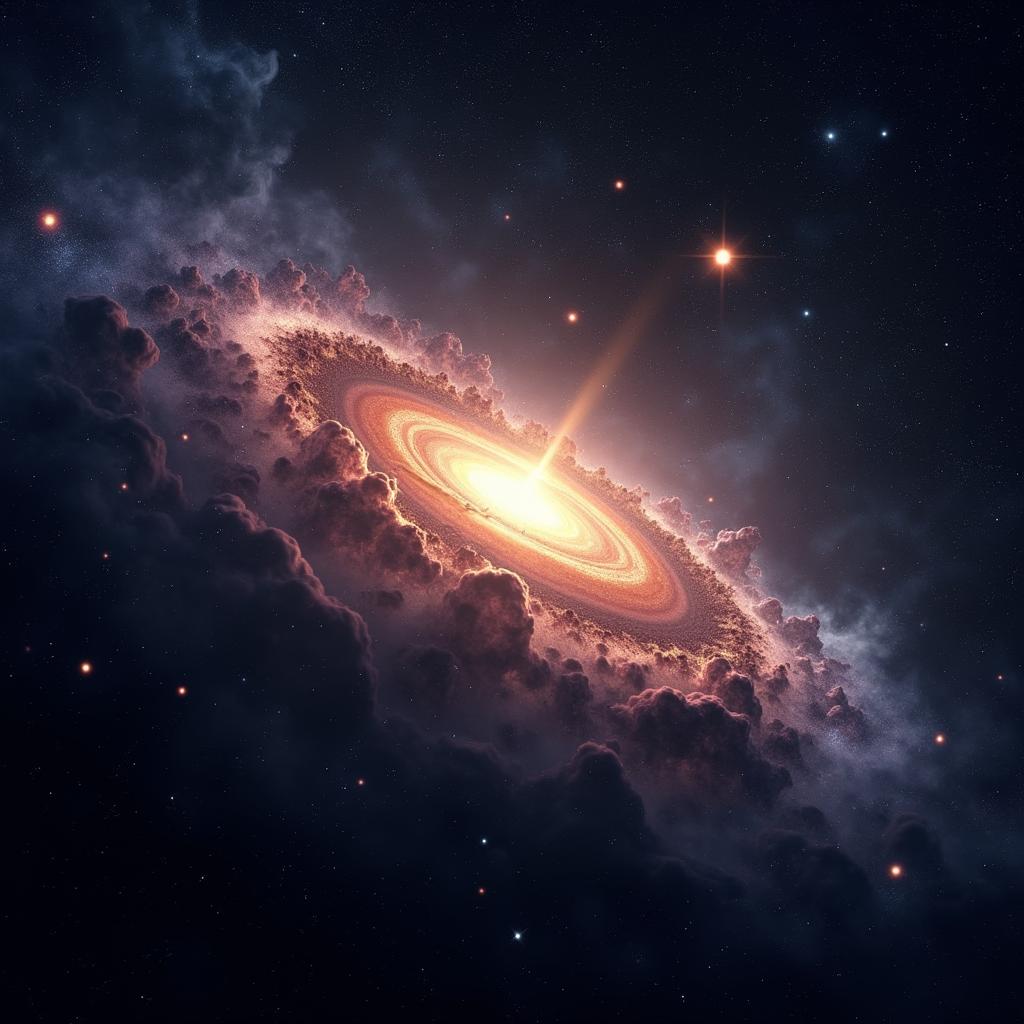
The origins of the universe are a complex and intriguing topic, with various theoretical models, including the Big Bang theory and multiverse hypothesis, attempting to explain its beginnings and evolution over 13.8 billion years.
-
The universe’s early stages fascinate humans, with scientists studying cosmic evolution through astronomical observations, theories, and methodologies, making significant progress in understanding the universe’s origins and evolution.

-
Scientists explore dark matter and dark energy, mysterious entities comprising 95% of the universe, through experiments and observations, seeking to understand their properties and behaviour.

-
The ethics of space exploration and colonisation are complex, involving scientific, cultural, and societal considerations, and require a nuanced understanding of potential consequences and responsible actions to ensure humanity’s thrival.


 Conversations with AI