Category: Nature
-
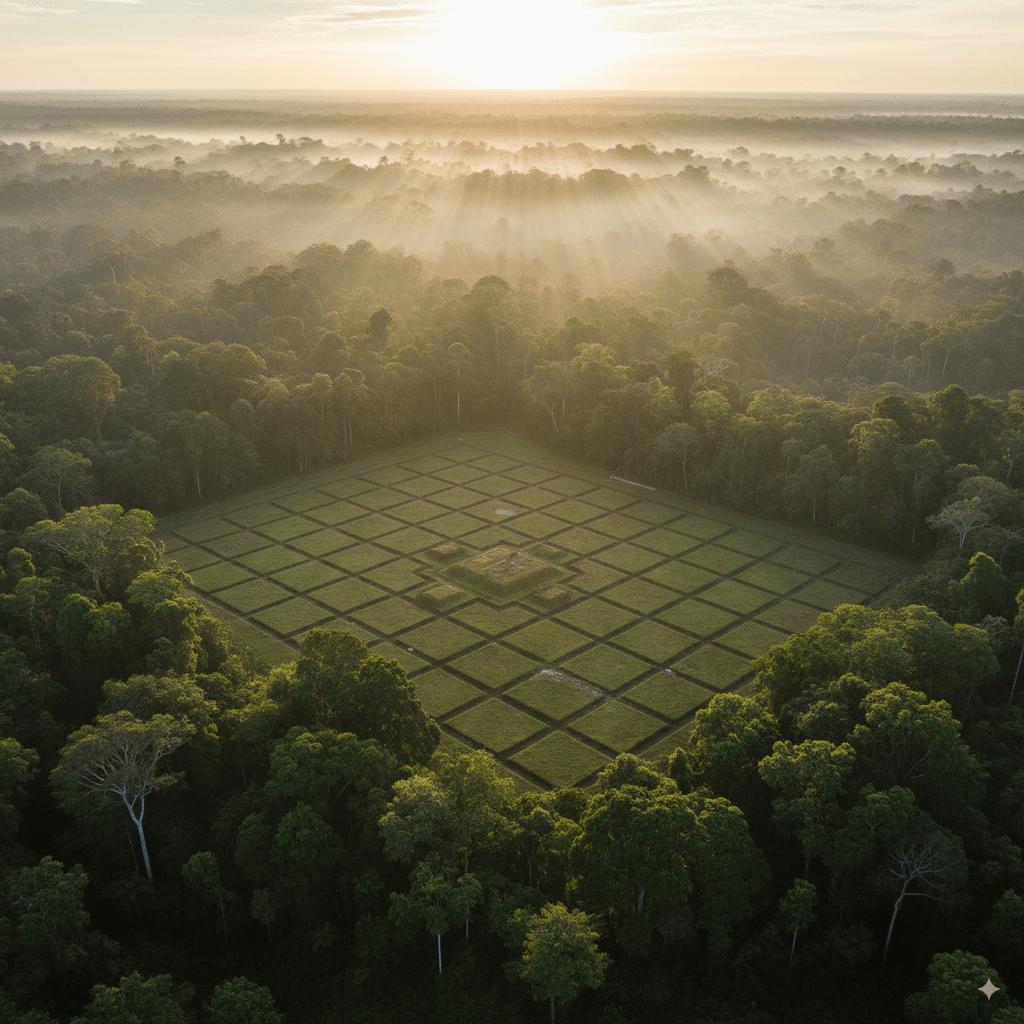
Exploring theories of civilisational collapse, this article questions if entire societies existed and vanished before recorded history. From the well-documented falls of Rome and the Maya to the staggering mystery of Göbekli Tepe, it examines the lessons these lost worlds might hold about the fragility of our own time.
-
Seismology studies earthquakes, immense forces caused by tectonic plate movement and energy release at faults (elastic rebound). From early attempts to modern global networks, scientists analyse seismic waves to understand hazards and improve monitoring, including early warning systems. Precise prediction remains elusive, making mitigation and preparedness crucial for safety.

-
Climate change is driving unprecedented migration as rising temperatures, extreme weather, and environmental degradation force millions to flee homes—from Bangladeshi families escaping floods to African farmers abandoning droughts. Vulnerable, low-emission regions face disproportionate impacts. Legal gaps deny climate migrants protections, sparking ethical debates on wealthy nations’ responsibilities. Youth-led advocacy and urgent global cooperation are critical…

-
The cosmic microwave background (CMB), ancient light emitted 380,000 years after the Big Bang, was accidentally detected in 1964. Its temperature fluctuations confirm the universe’s composition (5% ordinary matter, 27% dark matter, 68% dark energy) and cosmic evolution. Missions like COBE, WMAP, and Planck mapped its structure, while ongoing research probes anomalies, inflation, and future…

-
Paleoclimatology studies Earth’s ancient climates using natural archives like ice cores, tree rings, and ocean sediments. Antarctic ice reveals 800,000-year-old air bubbles, showing past CO₂ fluctuations. Proxies and technology trace historical climate shifts, highlighting humanity’s unprecedented impact on modern warming. This field informs future climate predictions, stressing urgent action against human-driven change while learning from…

-
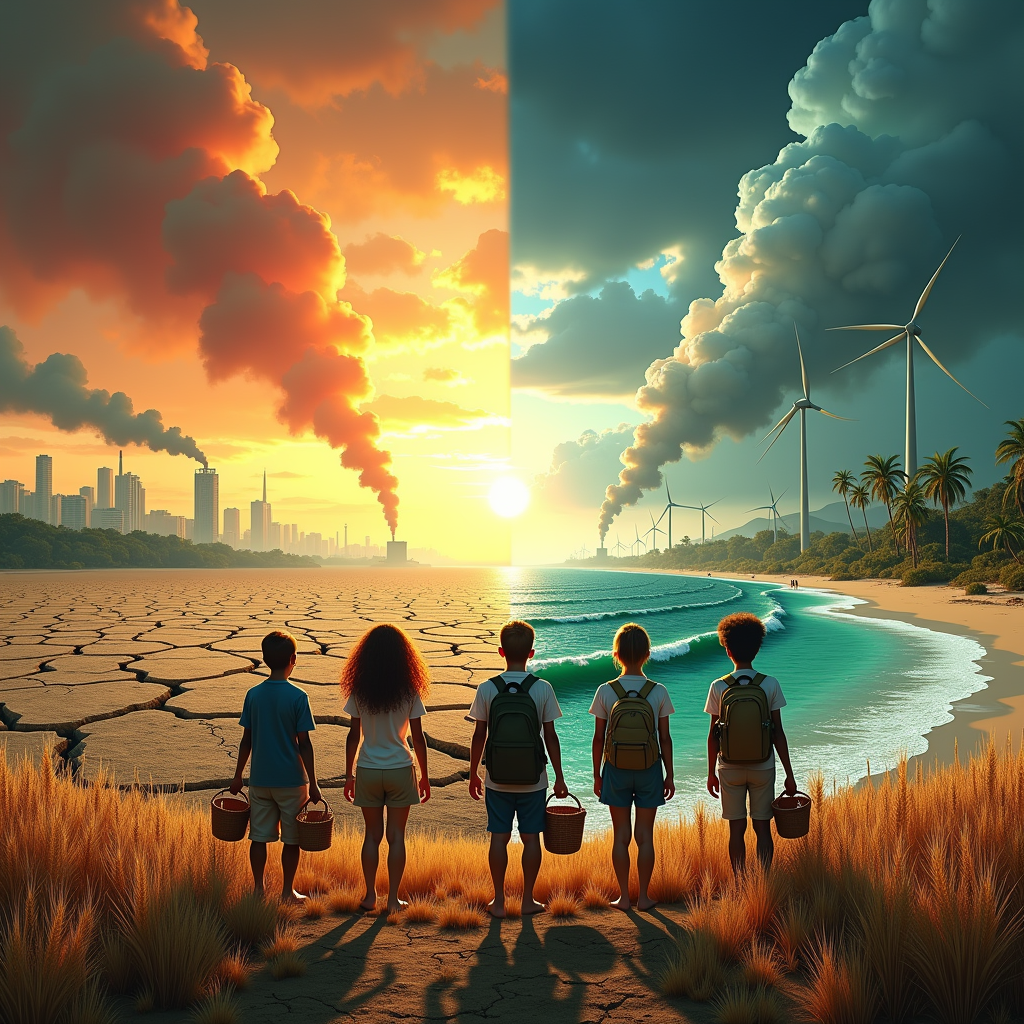
Climate change destabilises global food systems through extreme weather, rising temperatures, and ecological collapse. Crop yields for staples like wheat and rice decline with each degree of warming, while fisheries dwindle as oceans acidify. Vulnerable regions face heightened food insecurity, worsening inequality. Today’s teenagers must confront unprecedented food challenges, demanding systemic shifts in production, diets,…
-
Ball lightning is a mysterious, glowing phenomenon that has fascinated humans for centuries, with reports dating back to ancient times, and remains a complex, intriguing enigma, inspiring awe, fear, and curiosity amongst scientists and observers alike, worldwide.

-
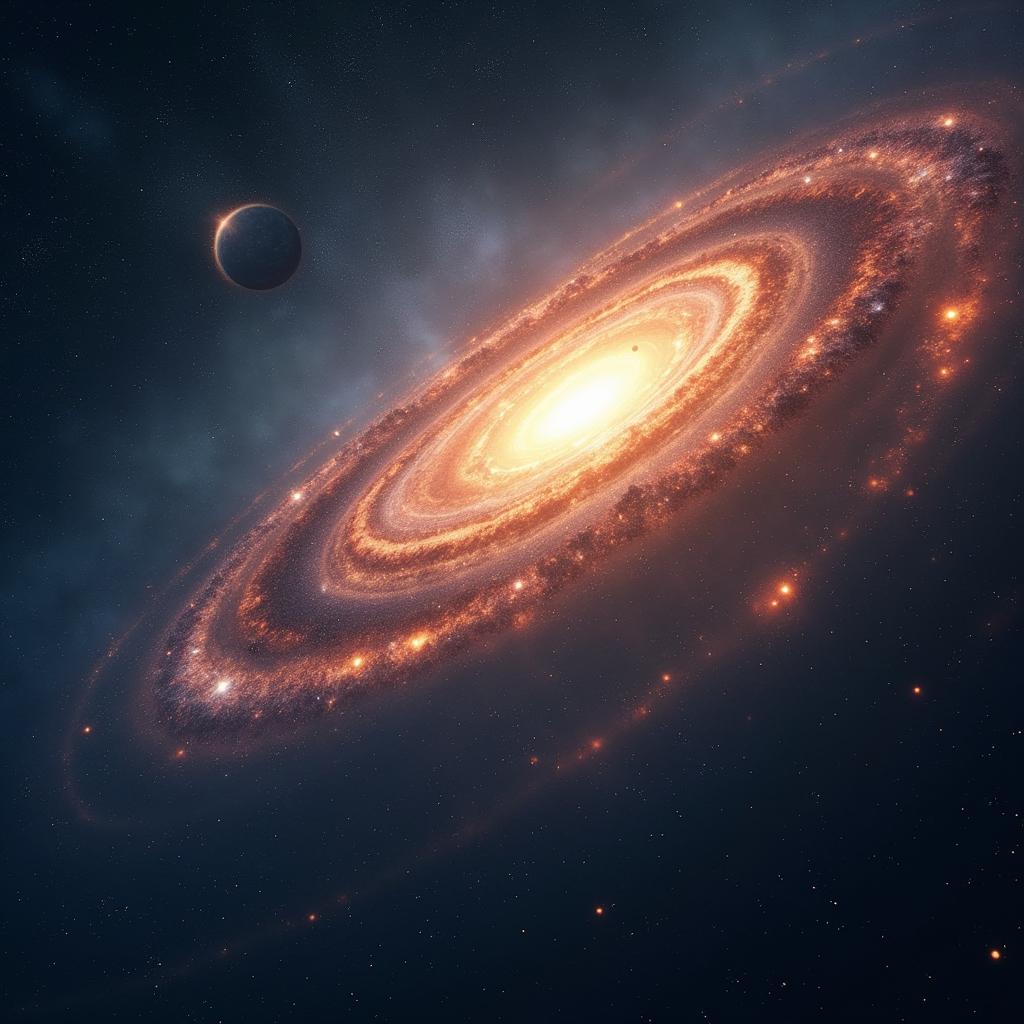
The universe’s fate is a complex topic, with theories such as the Big Crunch, Heat Death, and Multiverse proposing different endings, each with significant implications for our understanding of the cosmos and its ultimate destiny.
-
Climate change is causing unprecedented coastal erosion, threatening ecosystems, communities, and economies with rising sea levels, increased storms, and altered ocean currents, requiring urgent adaptive measures to mitigate its devastating effects.

-
Cosmic Imprint: How Astronomical Events Shaped Human History and Our Understanding of the Universe
4–6 minutes·
·
The universe has profoundly impacted human history, shaping civilizations, scientific thought, and cultural norms through astronomical events like eclipses, comets, and supernovae, influencing our worldview and existential understanding.

-
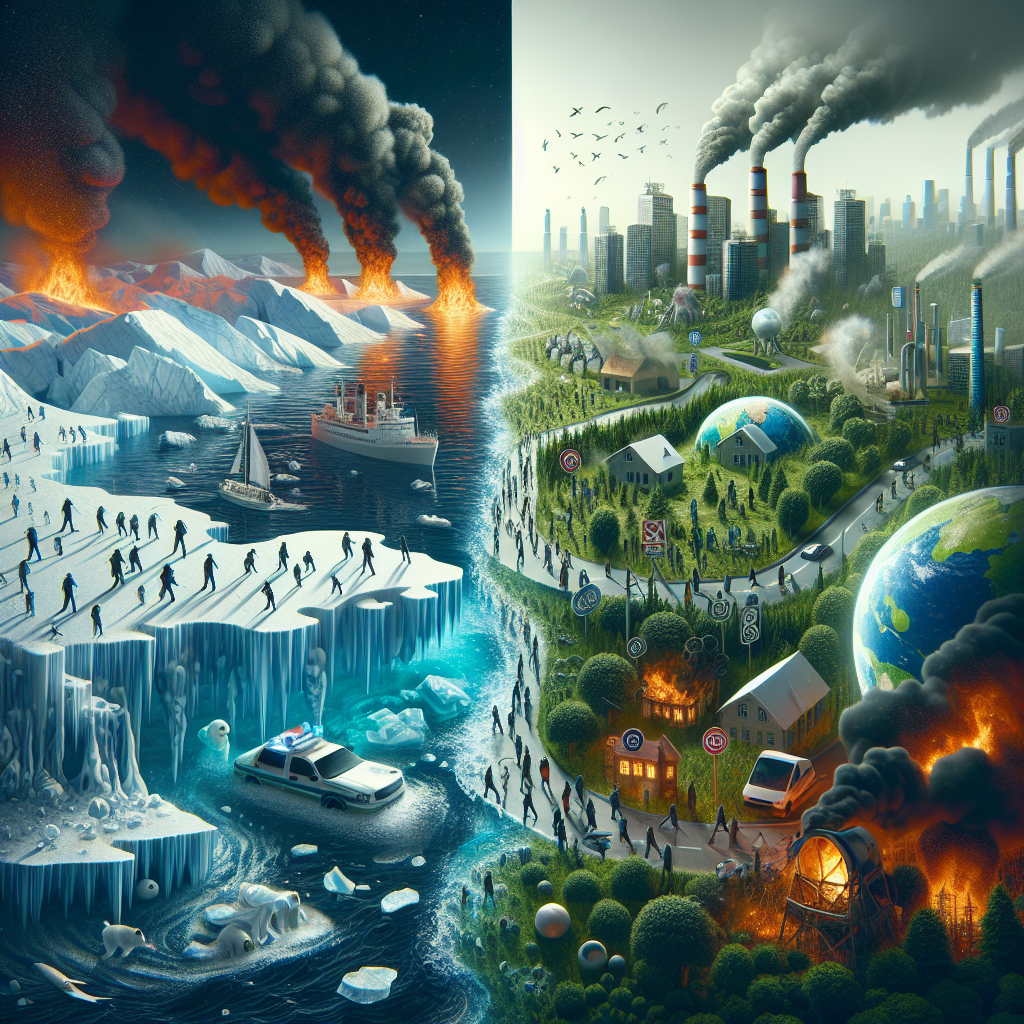
The article explores climate change’s controversial nature, highlighting overwhelming scientific evidence of global warming. It emphasizes the human role in accelerating this phenomenon and discusses significant risks, including health crises and social unrest. Despite skepticism, the scientific community urges action to mitigate climate change and foster environmental sustainability.
-
The conversation explores the concept of hidden dimensions in physics, focusing on theories like string theory and their implications. It discusses theoretical underpinnings, experimental advancements at the Large Hadron Collider, philosophical impacts, and insights from physicists. The pursuit of hidden dimensions challenges current understanding, offering potential breakthroughs in unifying quantum mechanics and general relativity.

-
The deep sea, often called Earth’s final frontier, is largely unexplored and rich in biodiversity and geological features. Despite harsh conditions, unique ecosystems thrive, offering insights into biotechnology and Earth’s processes. Advancements in technology enable deeper exploration, crucial for understanding climate regulation and addressing environmental challenges.

-
Mathematics is a discipline rich in patterns with profound applications in nature and technology. Fractals, the Golden Ratio, and algorithms illustrate its beauty and functionality. Mathematics underlies music’s structure and technology’s complexity. Its patterns reveal order in apparent chaos, inspiring figures from Bertrand Russell to Albert Einstein with their integration in reality.

-
The fusion of technology with wildlife conservation is revolutionizing biodiversity preservation. Drones, AI, and data analytics are enhancing monitoring, protection, and management of ecosystems. These tools, combined with community involvement, enable proactive conservation strategies. Experts highlight the transformative impact of technology, emphasizing its role in understanding ecosystems and involving local communities in conservation efforts.


 Conversations with AI