Category: History
-
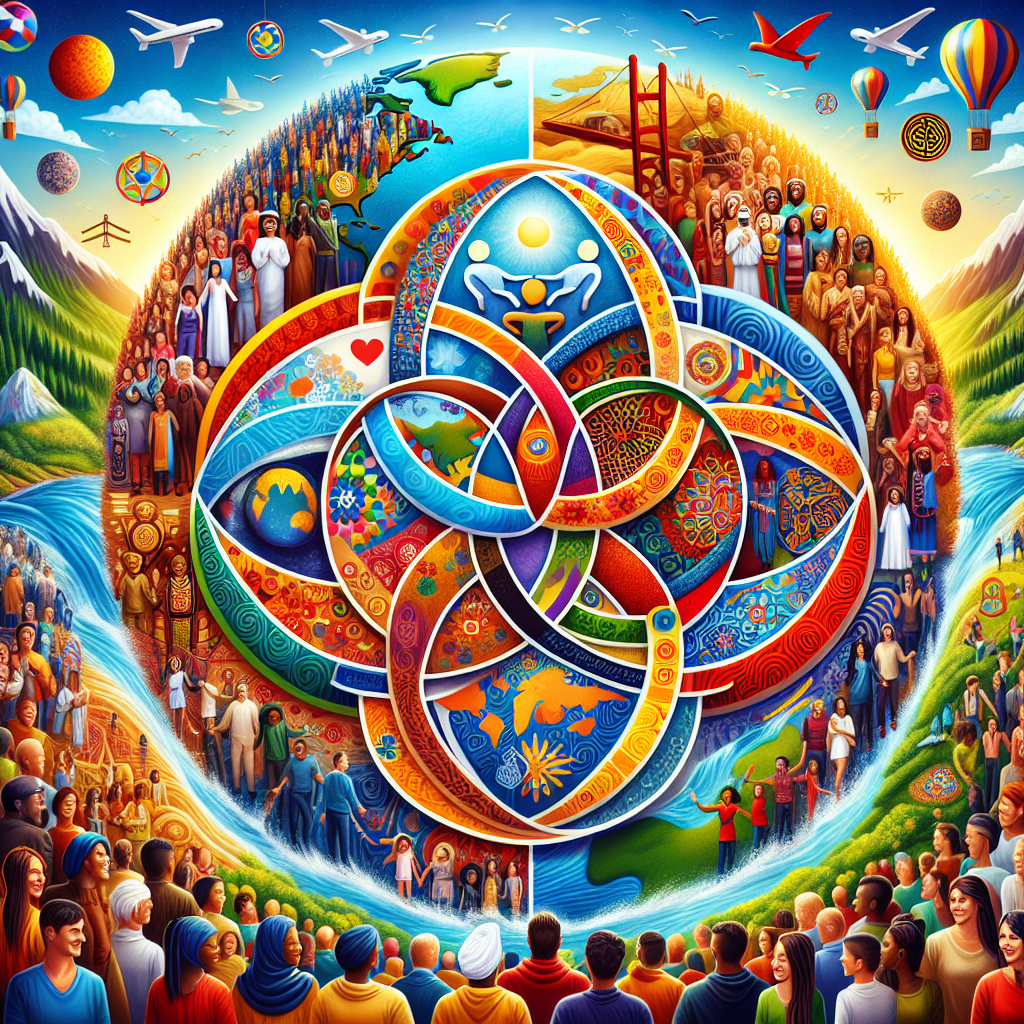
Cultural diversity enriches humanity through unique customs and perspectives, enhancing global arts, innovation, and social cohesion. By embracing differences, we foster empathy and harmony. Influential voices like Ola Joseph, Maya Angelou, and Kofi Annan highlight diversity’s beauty and strength, urging us to celebrate shared experiences for a more inclusive world.
-
the unique journey of Homo sapiens, from their origins in Africa to their global spread. Topics include the extinction of other human species like Neanderthals and Denisovans, human adaptability, advanced cognitive abilities, technological innovation, and the factors that enabled humans to dominate the planet.

-
Throughout history, ancient civilizations moved massive stones weighing up to 1,000 tons, using ingenious techniques like sledges, ramps, and levers. From Baalbek’s temple stones to the Thunder Stone in Russia, modern comparisons show how both ancient and contemporary engineers have tackled the challenge of lifting and transporting gigantic stones.

-
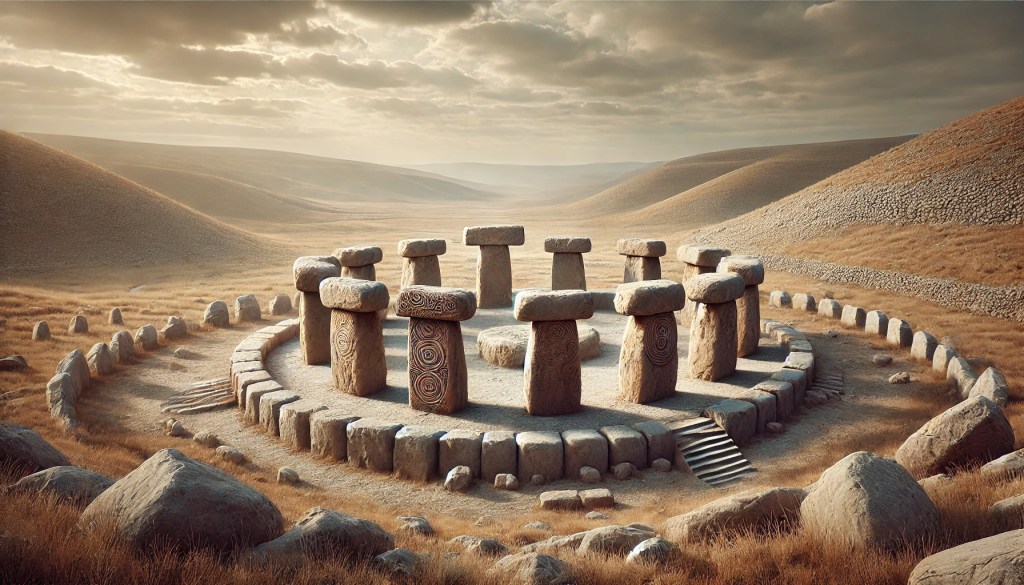
Göbekli Tepe, an ancient ceremonial site in Turkey, was built by Pre-Pottery Neolithic hunter-gatherers. Its T-shaped pillars, possibly symbolic or ritualistic, were carved with animals and may represent human figures. The site was intentionally buried, and its religious practices remain speculative. Other similar Neolithic sites exist regionally.
-
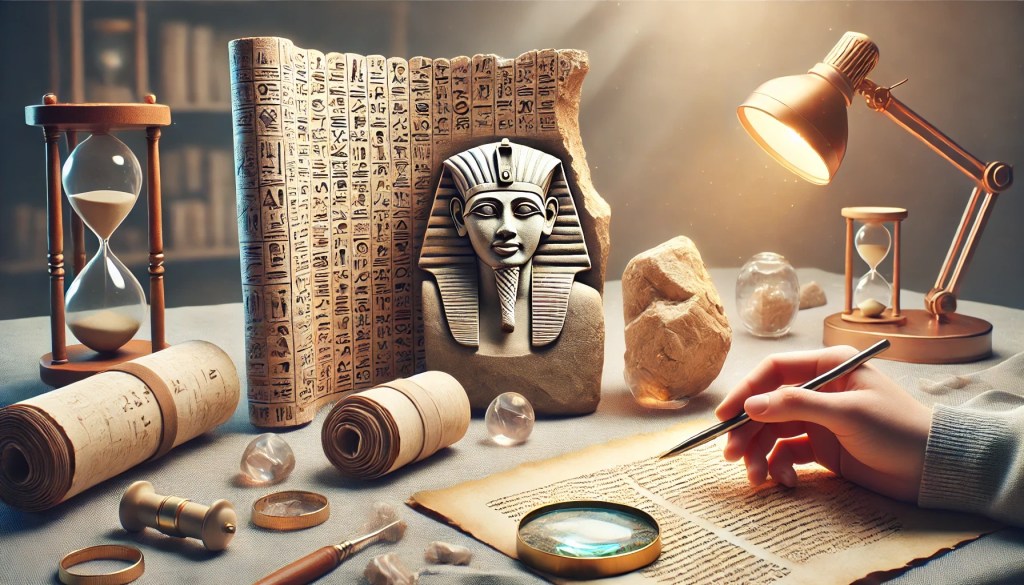
The loss of knowledge throughout history has occurred due to various reasons such as wars, natural disasters, cultural shifts, and the decline or destruction of civilizations. Here are some significant examples of lost knowledge: 1. Library of Alexandria 2. Mayan Codices 3. Ancient Greek and Roman Texts 4. Alchemical and Scientific Manuscripts 5. Indigenous Knowledge Systems 6. The Baghdad House of…
-
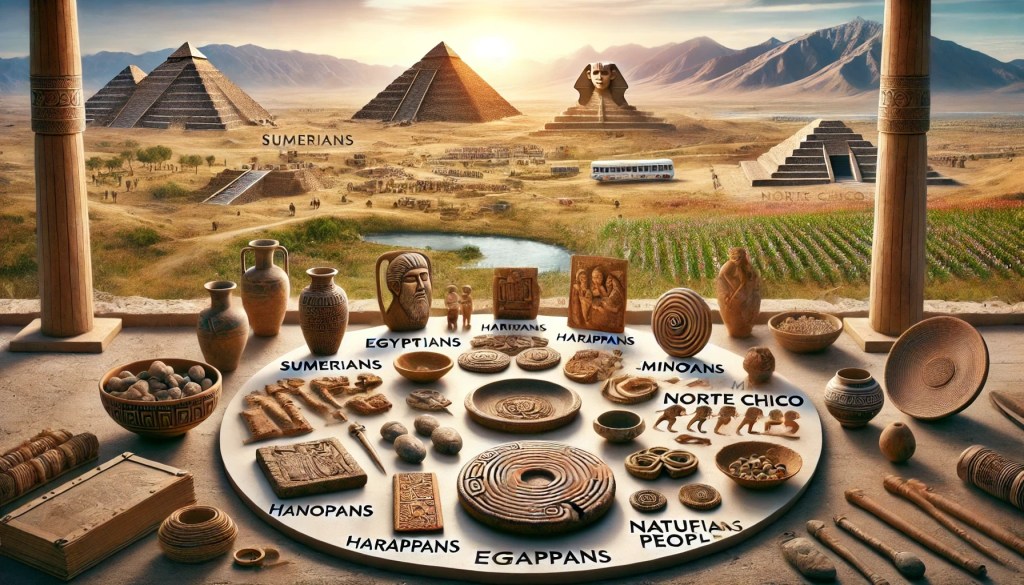
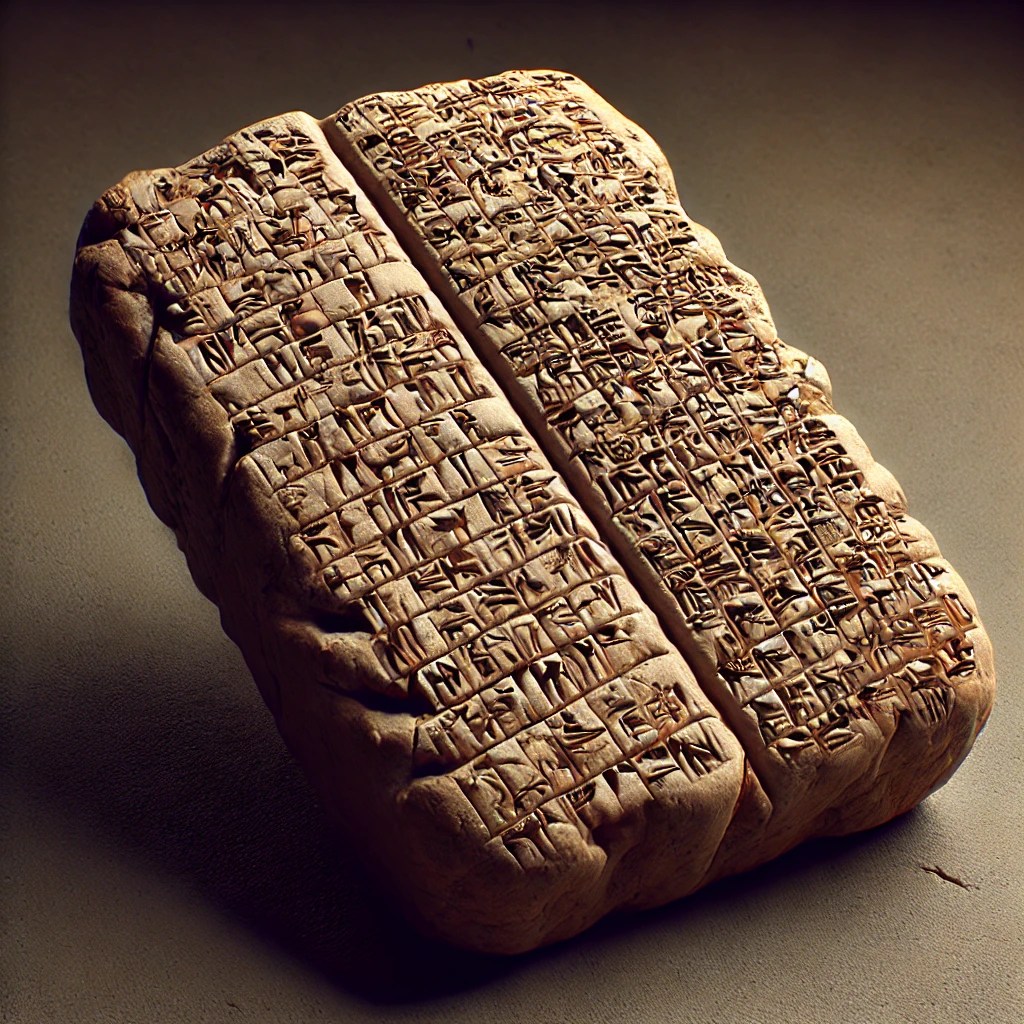
Question: list the earliest people, then as individual chapters elaborate on each culture listing their key accomplishments and expand each point. finally conclude with a chapter on whether there could have been any shared knowledge between the cultures. Earliest Peoples Chapter 1: Sumerians Key Accomplishments: Chapter 2: Ancient Egyptians Key Accomplishments: Chapter 3: Harappans (Indus…
-
The original flood myth likely dates back to ancient Mesopotamian civilizations and is best known through the Epic of Gilgamesh, which predates the biblical narrative of Noah’s Ark. In this version, the gods decide to flood the earth to punish humanity for its sins. One god, Ea (also known as Enki), warns a man named Utnapishtim and instructs…

-
Without the influence of religion or gods, ancient texts still offer profound insights into human nature, society, ethics, and the understanding of the world. These texts often reflect the experiences, struggles, and wisdom of ancient civilizations, providing lessons that remain relevant today. Here are some key insights that can be drawn from ancient texts when…

-
The time it would take for our civilization to be almost completely lost to history depends on several factors, including how long our artifacts last, the conditions of preservation, and whether future civilizations or species uncover and study what remains. Here’s a breakdown of how various elements of our civilization would degrade over time: 1.…

-
There are some intriguing parallels between ancient flood myths and modern weather patterns, especially when considering the increasing frequency of severe weather events and rising sea levels due to climate change. These parallels might not be literal, but they highlight similar human concerns and fears related to the natural world. Here are a few connections:…

-
The original flood myth likely dates back to ancient Mesopotamian civilizations and is best known through the Epic of Gilgamesh, which predates the biblical narrative of Noah’s Ark. In this version, the gods decide to flood the earth to punish humanity for its sins. One god, Ea (also known as Enki), warns a man named Utnapishtim and instructs…


 Conversations with AI