Category: History
-
The Aurora Borealis, or Northern Lights, is a fascinating phenomenon caused by solar wind interacting with Earth’s magnetic field, resulting in breathtaking displays of colored lights dancing across the sky, with a rich history, cultural significance, and ongoing scientific study.

-
Debunking the Myth: the Truth Behind the 1969 Moon Landing
5–7 minutes·
·
The moon landing, achieved by NASA’s Apollo 11 mission in 1969, has sparked fascination and controversy, with conspiracy theories claiming it was staged or faked, but overwhelming evidence supports its occurrence.

-
The collapse of civilizations is a complex phenomenon influenced by environmental degradation, social and economic instability, and technological advancements, requiring sustainable development and global cooperation to prevent collapse.

-
Cosmic Imprint: How Astronomical Events Shaped Human History and Our Understanding of the Universe
4–6 minutes·
·
The universe has profoundly impacted human history, shaping civilizations, scientific thought, and cultural norms through astronomical events like eclipses, comets, and supernovae, influencing our worldview and existential understanding.

-
Eastern philosophies such as Buddhism, Taoism, and Confucianism have significantly influenced Western thought and culture, transforming our understanding of life and reality. From Enlightenment thinkers to modern psychology, these teachings promote holistic well-being and interconnectedness, suggesting a potential future of greater integration between Eastern and Western ideas.

-
The Osireion and South American megalithic sites share similarities in massive stone blockwork, precision fitting, and engineering skills, despite differences in materials, sizes, and designs, showcasing ancient civilizations’ ingenuity and stoneworking abilities, with unique cultural and historical contexts.

-
The article explores the construction of pyramids, particularly in Egypt, discussing historical and modern theories, including internal ramps and sledges for transporting stone. It notes the socio-cultural significance of pyramids beyond tombs and highlights the challenge historians face in fully understanding their construction, which remains a captivating enigma.

-
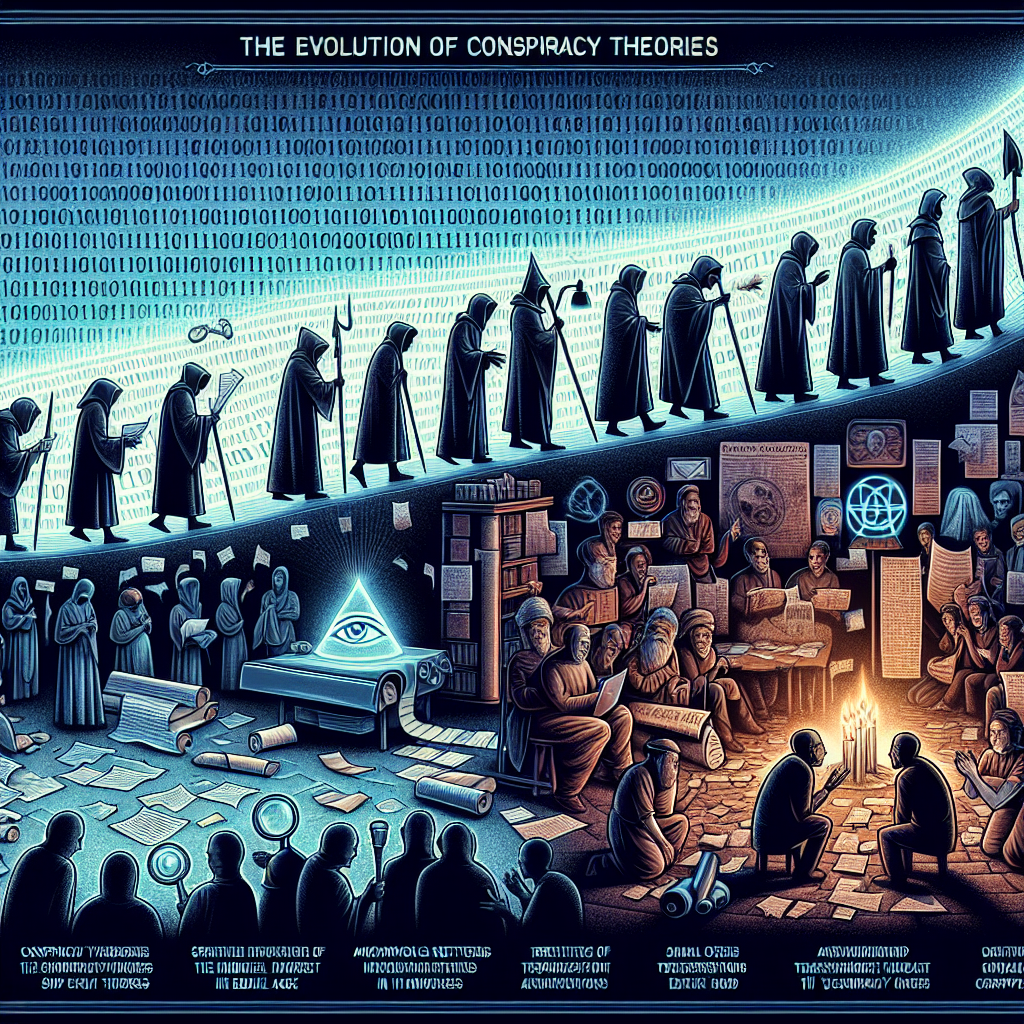
This conversation explores the evolution of conspiracy theories from ancient times to the digital age, highlighting their psychological and social motivations. It examines the impact of technology on their spread and the divide in academic perspectives. Ultimately, it questions whether these theories represent societal unease or harmful misinformation.
-
Algorithms to Awareness: AI Evolution and Its Ethical Frontiers
3–5 minutes·
·
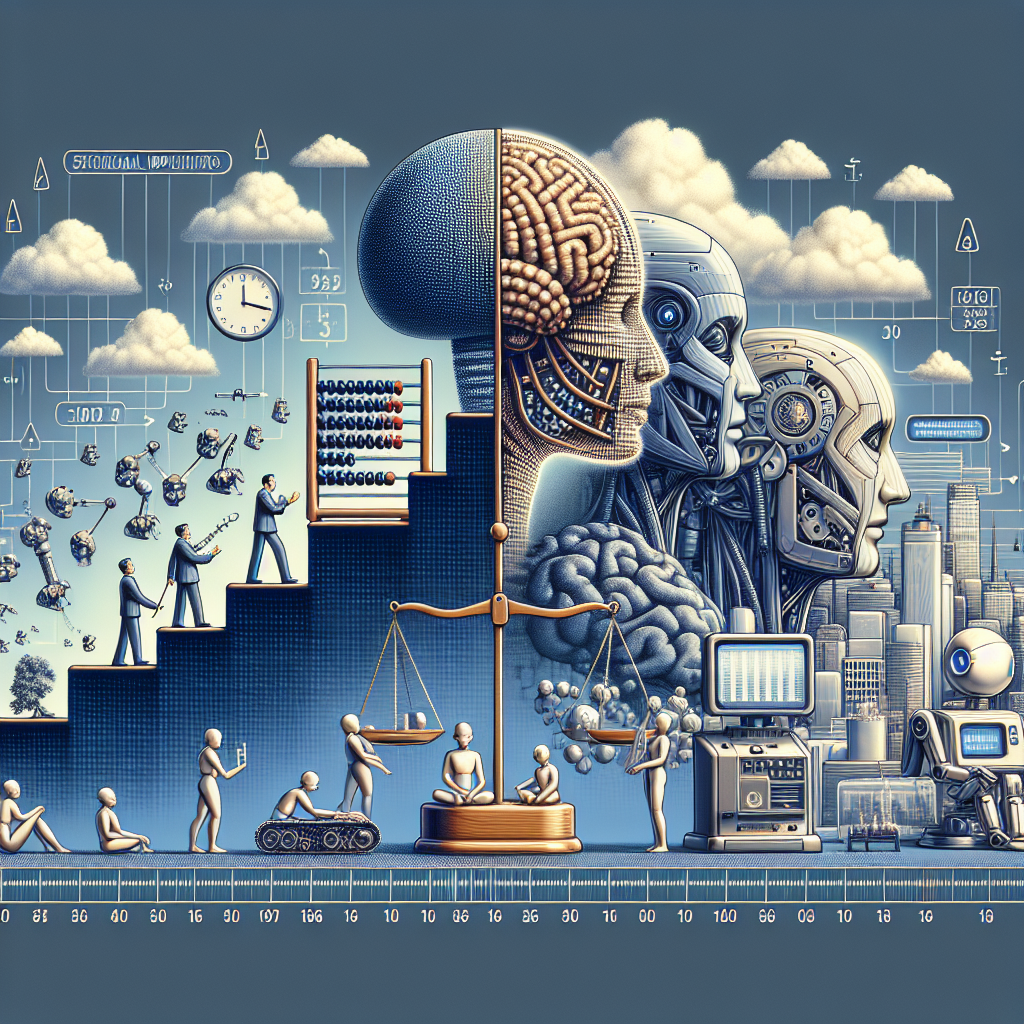
The discussion explores the evolution of Artificial Intelligence (AI) since its term was coined in 1956, addressing questions of consciousness and self-awareness in machines. It contrasts ‘Strong AI’ and ‘Weak AI,’ highlights societal implications, and raises ethical concerns surrounding potential AI consciousness, emphasizing the need for comprehensive understanding.
-
The conversation highlights the intertwined relationship between philosophy and science, emphasizing their historical dialogue and mutual influence. It discusses key areas like epistemology, methodology, and ethics in scientific progress, pointing out philosophy’s role in guiding scientific inquiry. The article stresses the importance of collaboration for truth-seeking across both fields.

-
The Paris Catacombs, an extensive underground ossuary, house the remains of over six million people. Originating in the 18th century to address overflowing cemeteries, they reflect urbanization’s impact on mortality perceptions. The catacombs inspire cultural exploration and debates on exploitation, remaining a key element of Parisian history and identity.

-
This conversation explores the evolution of language and written communication, highlighting its historical origins, complexity, and societal impact. It discusses significant milestones, including the Human Revolution, the advent of writing, and the printing press, while addressing language inequality and the effects of digital communication on language’s future.

-
The discussion highlights the significant yet understated roles of women in ancient civilizations, contrasting traditional male-centric historical narratives. It explores women’s diverse contributions across societies like Egypt, Greece, Rome, Mesopotamia, and China, emphasizing their legal protections, economic power, and influential positions, while questioning the historical omissions of female stories.

-
This conversation delves into the complex philosophy of time, contrasting ancient views with modern interpretations, particularly through Einstein’s theory of relativity and quantum mechanics. It addresses debates between presentists and eternalists, the implications of time travel, and the intricacies of time as both a scientific and philosophical construct.

-
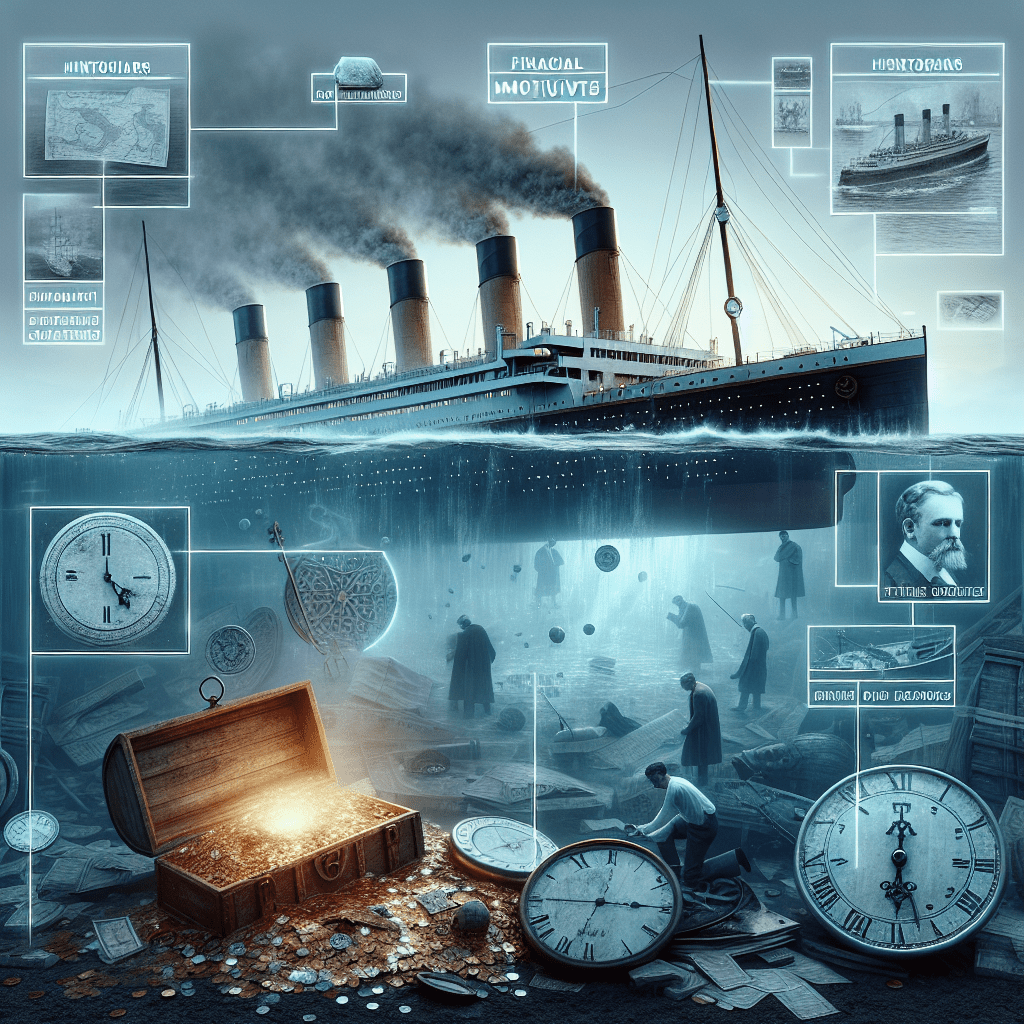
This conversation explores theories surrounding the Titanic’s sinking in 1912, suggesting it may have been intentional rather than accidental. It examines the ‘switch theory’ positing financial motives, despite criticism from historians. Ultimately, the discussion highlights the enduring intrigue and debate about historical narratives and alternative interpretations of events.


 Conversations with AI