Category: History
-
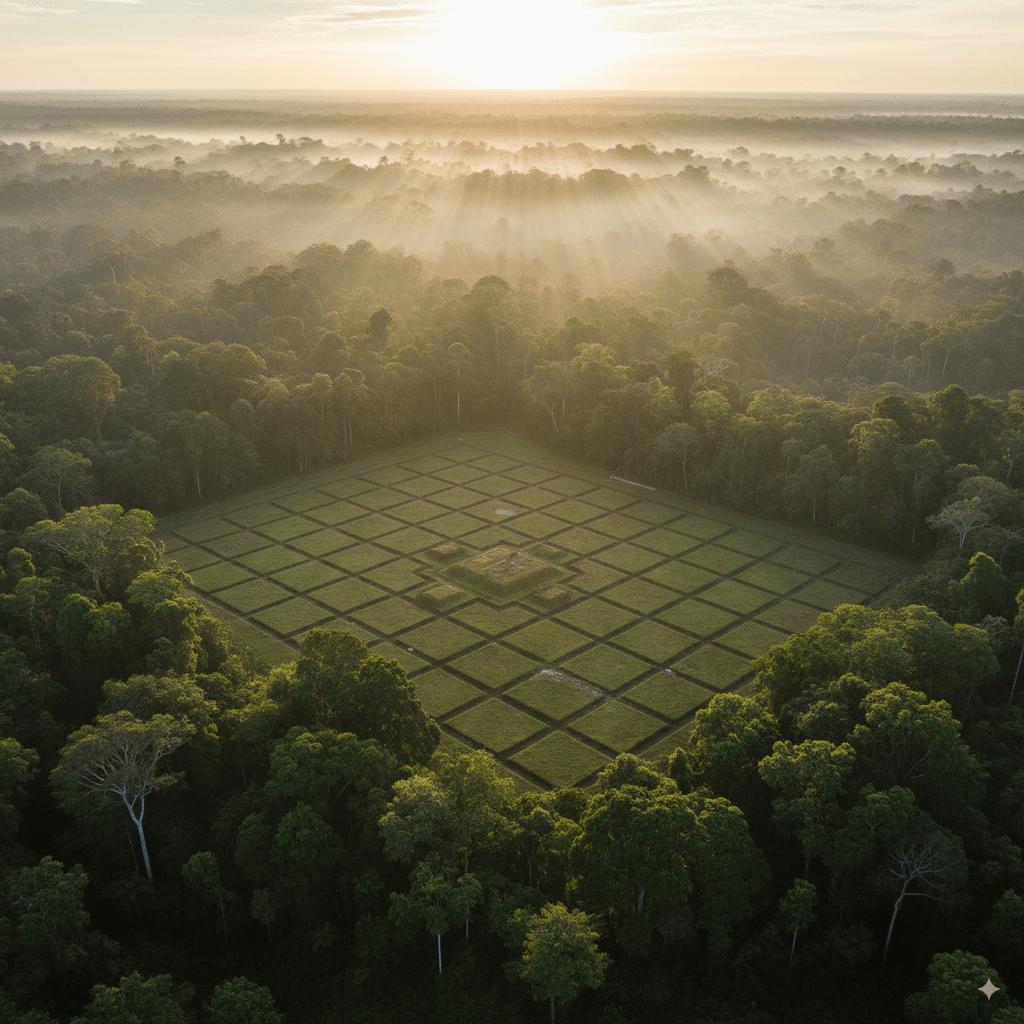
Exploring theories of civilisational collapse, this article questions if entire societies existed and vanished before recorded history. From the well-documented falls of Rome and the Maya to the staggering mystery of Göbekli Tepe, it examines the lessons these lost worlds might hold about the fragility of our own time.
-
What will future archaeologists find of us in 10,000 years? This post explores our legacy, from the plastic seams in the rock to the strange survival of the pyramids. It’s a journey into deep time that asks a simple question: what truly matters, the things that last or the things that don’t?

-
Silence Is Golden
5–7 minutes·
·
The universe is unnervingly quiet. We call this the Fermi Paradox, but what if the silence isn’t a sign of absence, but of fear? This article explores a chilling theory: that advanced civilisations lay cosmic tripwires for species like us, and our astronomical achievements are simply a dinner bell.

-
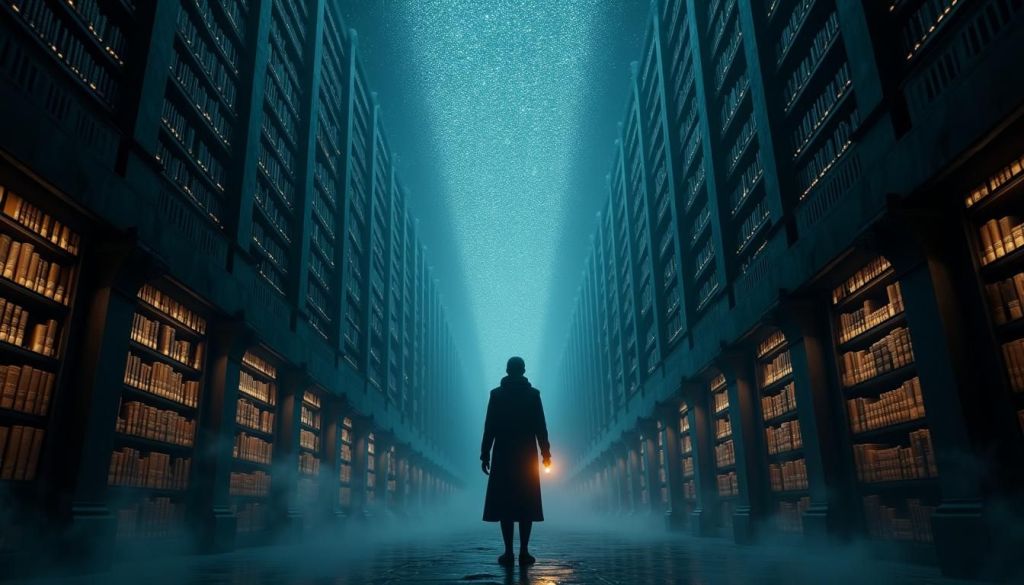
In an age of information overload, overconfidence is a paradox. The text argues for epistemic humility: the vital practice of recognising our knowledge is limited and fallible. This awareness of cognitive biases and the nature of science fosters intellectual honesty, better dialogue, and wiser navigation of our complex world.
-
Puma Punku’s intricate stone ruins spark debate. While fringe theories suggest lost technology or alien aid, mainstream archaeology argues for immense human ingenuity. Using simple tools, immense labour, and generational skill, the Tiwanaku people achieved a feat of engineering, showcasing a remarkable societal organisation rather than forgotten high-tech hardware.

-
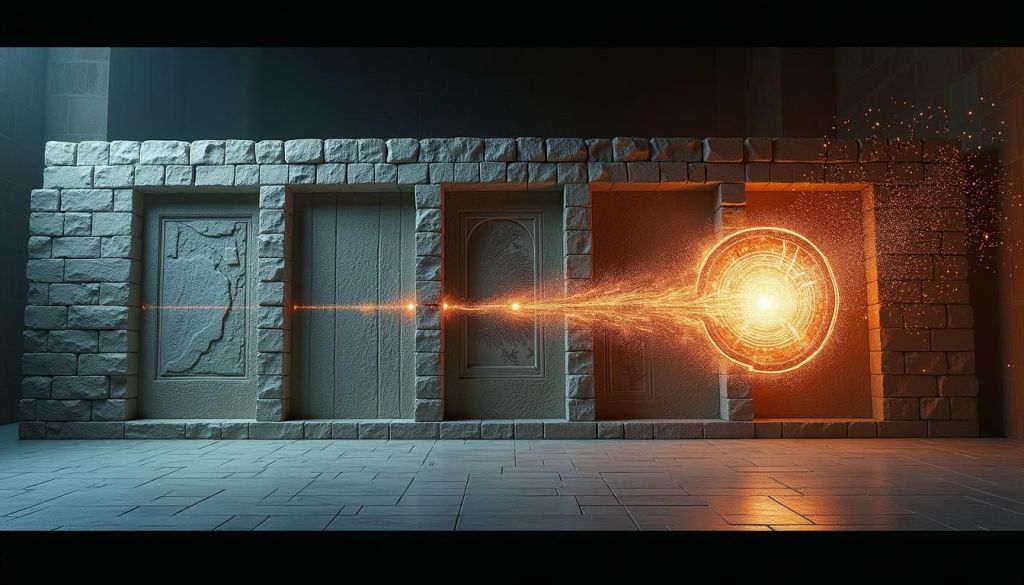
The Phantom Time Hypothesis claims the years AD 614–911 were fabricated. Based on a flawed calendar calculation, this fringe theory is disproven by overwhelming evidence. Unbroken tree-ring chronologies and independent, verifiable historical records from the Islamic world and Tang China confirm the period’s existence and legitimacy.
-
The Hollow Earth theory, a captivating idea of inner worlds, persisted from myth to early “scientific” proposals by figures like Halley and Symmes. Despite overwhelming geophysical evidence (gravity, seismology, planetary formation) proving Earth solid, the notion endures in popular imagination, fuelled by a desire for mystery and mistrust of authority.

-
Lost languages and scripts hold silent histories. Decipherment, a human endeavour to reconnect with ancestors, involves detective-like analysis using clues like bilingual texts. Breakthroughs with Egyptian hieroglyphs, Linear B, and Mayan glyphs reveal past civilisations, with computational tools now aiding this quest to make ancient voices speak again.

-
Ancient civilisations, like those at Stonehenge and Chichen Itza, possessed remarkable astronomical ingenuity without modern technology. These sites, aligned with celestial events such as solstices and equinoxes, served as calendars and ritual centres, revealing early human efforts to comprehend the cosmos and its profound influence on their lives.

-
The Great Divergence describes Western Europe’s economic surge from the late 18th century due to industrialisation, creating vast global inequality compared to other advanced regions like Asia which previously had comparable development. Causes debated include Britain’s coal access, colonialism, institutions, and economic incentives. This complex historical process fundamentally reshaped the modern world.

-
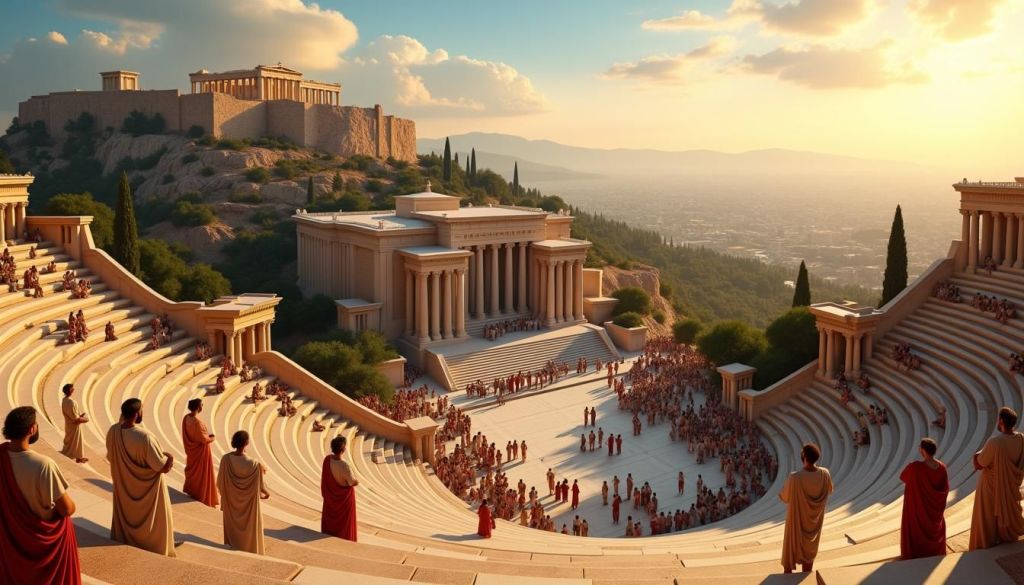
Ancient Greece (8th–2nd century BCE) laid Western civilisation’s foundations through philosophy and theatre. Athens’ Classical era fostered Socrates’ dialectic inquiry, Plato’s idealism, and Aristotle’s empiricism, shifting from myth to reason. Greek theatre blended civic ritual with tragic and comic storytelling, influencing modern drama. Their legacy persists in democratic discourse, ethical debate, and narrative structures, despite…
-
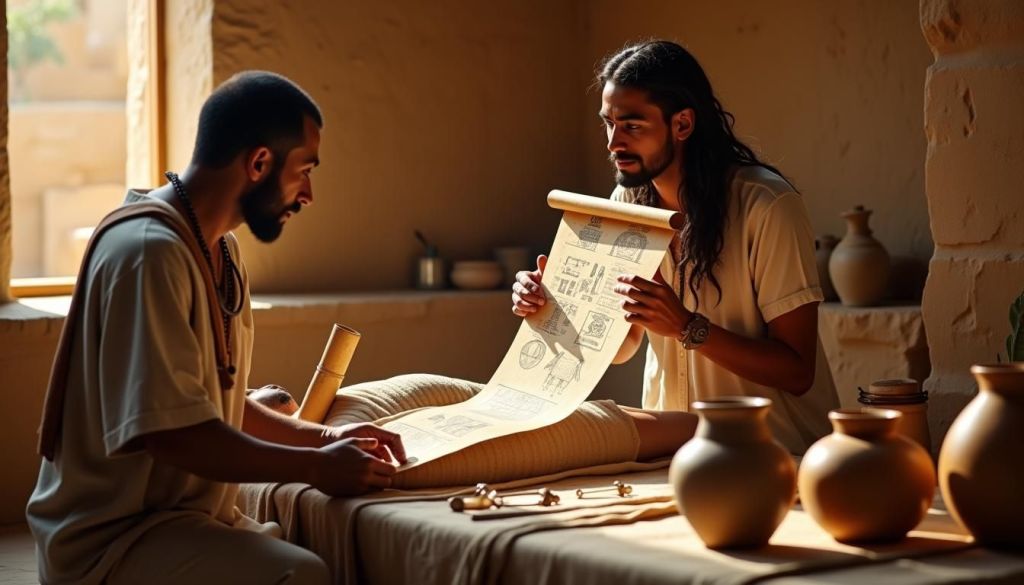
Ancient Egyptians pioneered medicine blending empirical observation with magic. They developed sophisticated diagnosis, surgery, and extensive remedies documented in papyri. With early doctor specialisation, their practical knowledge and systematic approach laid vital foundations for later medical traditions, showcasing a deep concern for health.
-
The text explores cyclical theories of civilisational rise and fall, citing historical perspectives. It details Spengler’s deterministic model of cultures having organic life cycles and Toynbee’s focus on “Challenge and Response” and creative minorities. Despite criticisms, these grand theories encourage thinking about long-term historical patterns and contemporary global challenges.

-
This text explores conspiracy theories about ancient advanced technologies and civilisations, including aliens, lost societies like Atlantis, and pyramid power plants. It examines the appeal of these ideas and the “evidence” cited, contrasting them with mainstream archaeological explanations. The article encourages critical thinking while acknowledging the human desire for mystery about the past.

-
Deserts, often perceived as empty, are incredible archives preserving ancient human history due to aridity. Discoveries globally, like Egyptian tombs, Dead Sea Scrolls, and rock art, reveal past civilisations’ resilience, climate impacts, and daily life, aided by modern archaeology despite looting threats.



 Conversations with AI