Category: Mental Health
-
Modern work overloads our minds, similar to IT systems. Micro-mindfulness, brief moments of focused attention integrated into daily routines, offers a pragmatic way to improve cognitive stability and efficiency. These “code optimisations” help manage stress and enhance focus, acting as mental system maintenance for better well-being.

-
Neuroplasticity is the brain’s remarkable lifelong capacity to reorganise its structure and function. This ability, disproving older theories of a fixed brain, allows us to learn new skills, adapt, and recover from injury. Lifestyle factors like learning, exercise, and mindset can enhance it, offering transformative potential for personal growth.

-
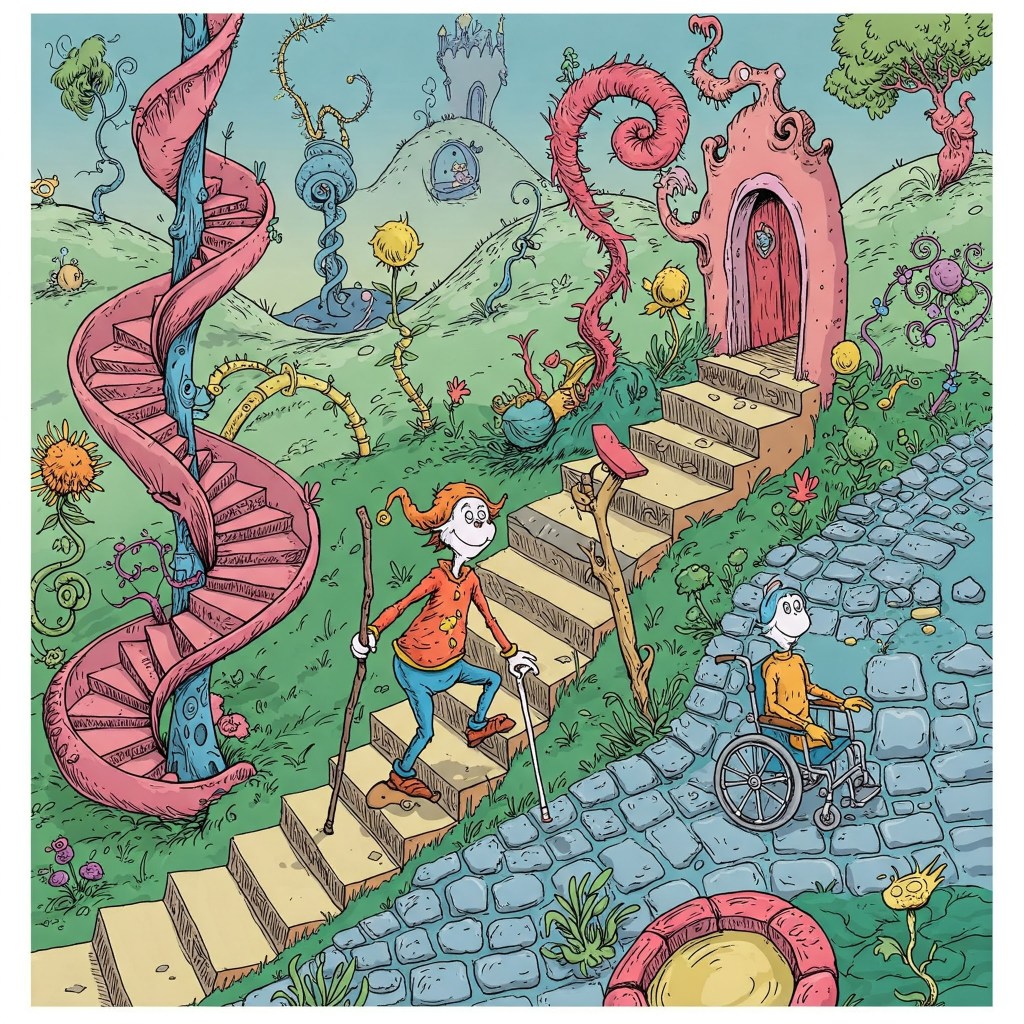
A lighthearted alternative to Dr Seuss’, “Oh, the places you’ll go” with respect to someone like me who is really struggling with MS symptoms at the moment.
-
Mindfulness, rooted in ancient Buddhist traditions, offers teenagers a science-backed tool to manage stress and enhance mental clarity. Popularised by Jon Kabat-Zinn’s MBSR programme, it improves focus, emotional regulation, and brain structure. Despite benefits, critics warn against oversimplification and inequitable access. Mindfulness is a practice requiring dedication, not a quick fix, aiding resilience amid life’s…

-
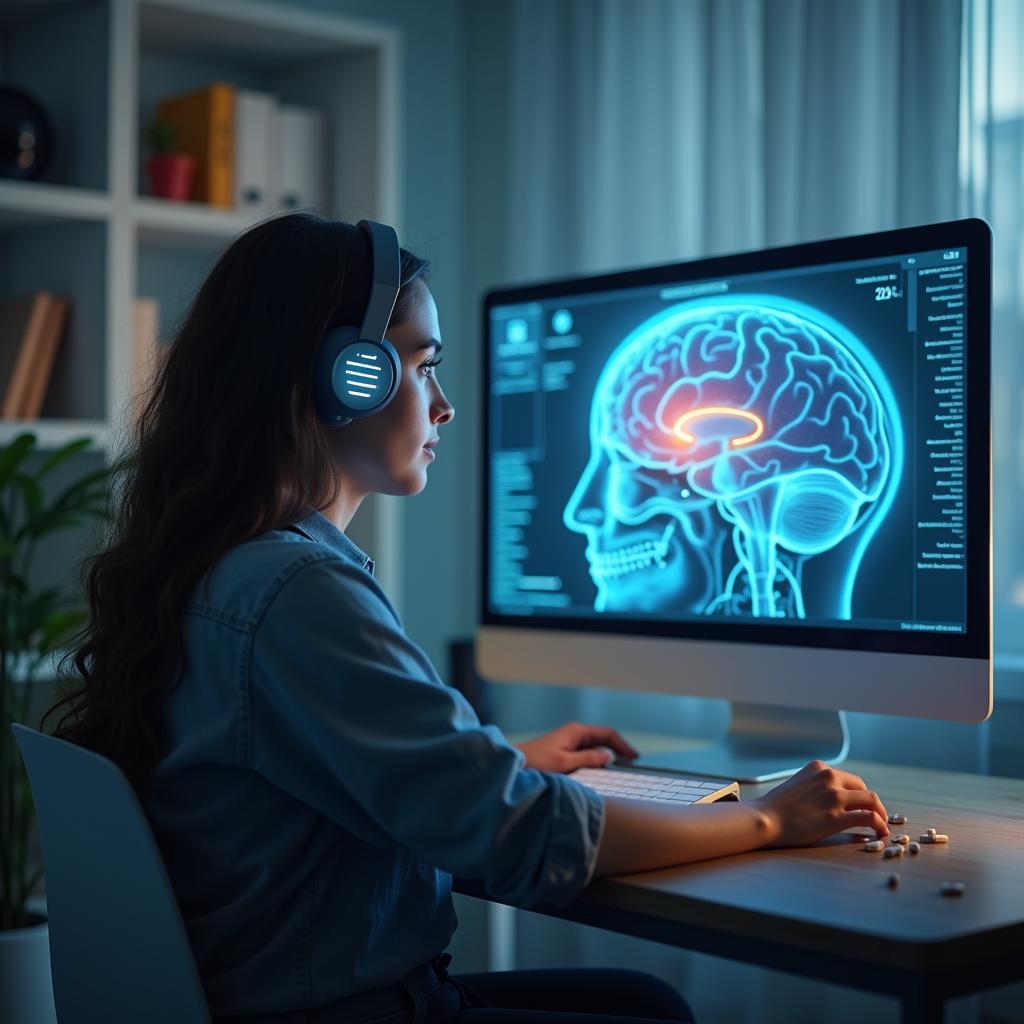
Neurofeedback is a technique allowing individuals to control brain activity, with applications in psychology, education, and healthcare, showing promise in treating ADHD, anxiety, and depression, despite some limitations and controversies surrounding its use.
-
Mindfulness, an ancient concept, has gained significant attention for its profound effects on emotional wellbeing, with scientific evidence supporting its benefits in reducing anxiety and depression, and improving mood and emotional regulation, through increased awareness and non-judgemental attitude.

-
Social Media Alters Lives
6–8 minutes·
·
Social media profoundly impacts relationships, altering communication, romantic relationships, and mental health, with both positive and negative effects, necessitating a balance between online and offline interactions.



 Conversations with AI