Category: Mythology
-
Collective beliefs, like money or borders, are fictions that become reality only when they dictate physical action. Whether societal or personal, these narratives harden over time, making them difficult to rewrite. We must carefully choose the stories we tell ourselves, as they ultimately construct the world we are forced to inhabit.
-
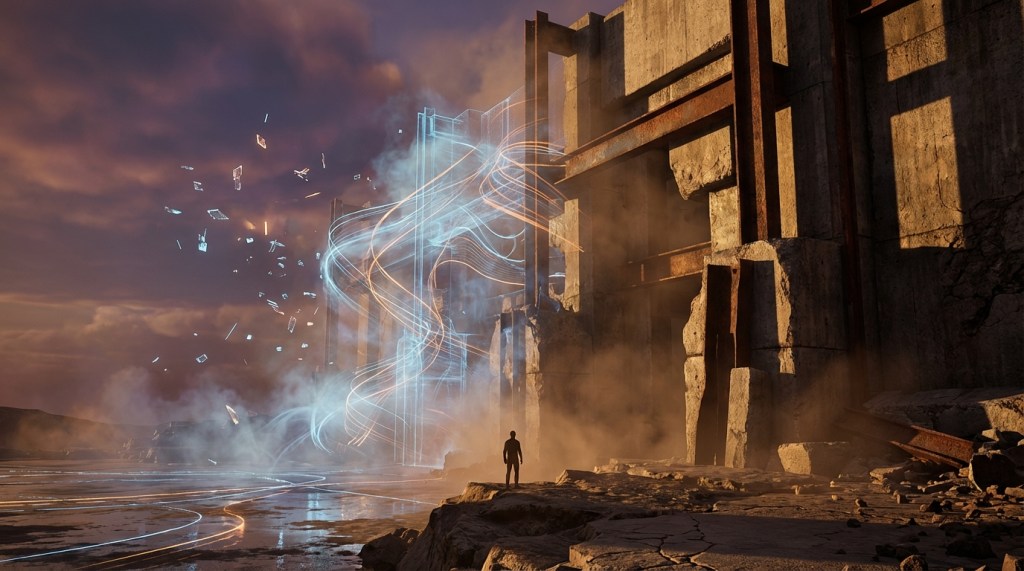
Atlantis, a captivating lost city, originates from Plato’s philosophical dialogues. Archaeology finds no evidence for a real Atlantis matching Plato’s description in the Atlantic around 9600 BCE. While the Minoan civilisation’s demise on Thera offers a possible inspiration, Atlantis remains a myth, its allure stemming from humanity’s fascination with lost paradises and ancient mysteries, continually…

-
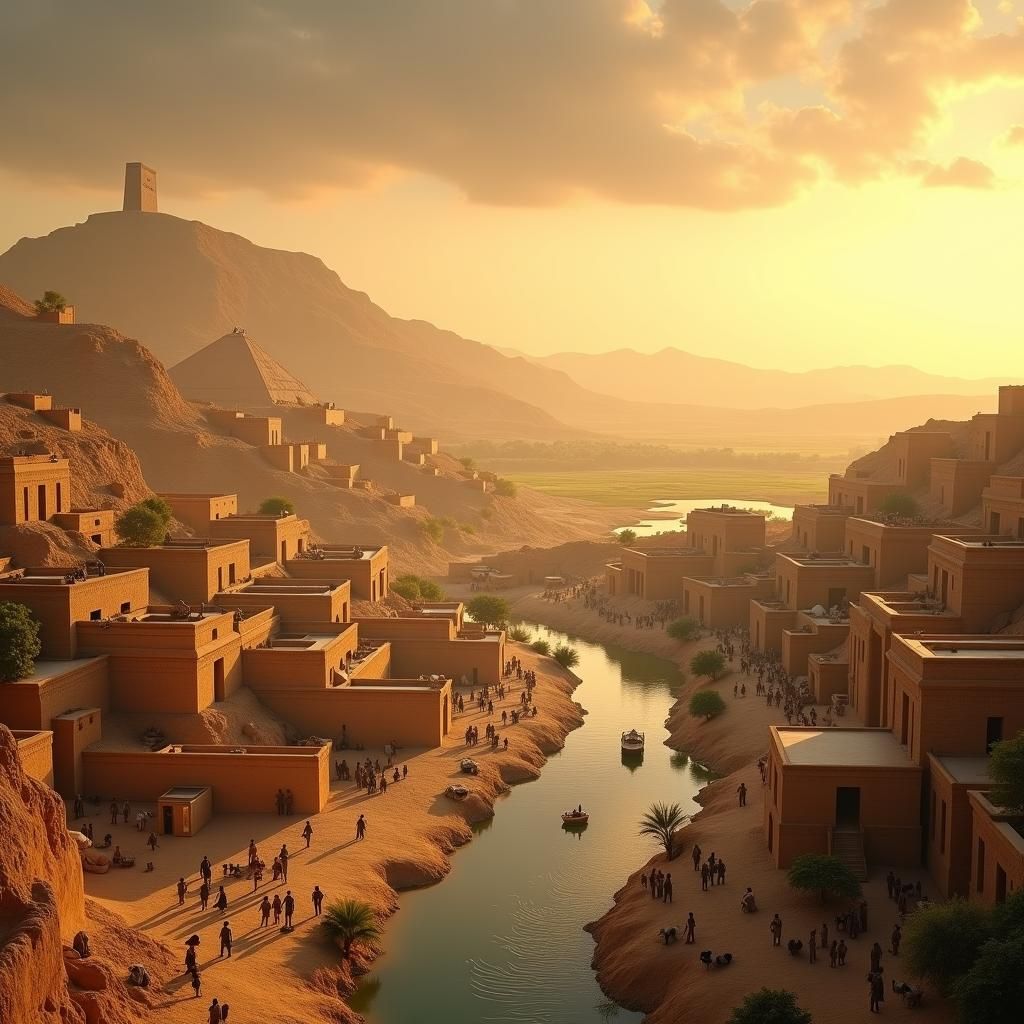
Mesopotamia (3500–539 BCE), between the Tigris and Euphrates, pioneered governance systems still shaping modern states. Facing resource management challenges, its civilisations developed bureaucracy, legal codes (e.g., Hammurabi’s), tax systems, and cuneiform writing for administration. City-states, treaties, and early parliaments emerged, alongside hierarchical laws and organised labour. Their innovations in justice, record-keeping, and urban management influenced…
-
Ancient Greek theatre, rooted in 6th-century BCE Dionysian rituals, became a civic-religious pillar in Athens. Playwrights like Aeschylus and Aristophanes wove tragedies and comedies exploring human flaws, justice, and politics, performed in hillside amphitheatres. Innovations in structure, masks, and chorus shaped Western drama. Despite societal contradictions, its legacy endures in modern narratives and civic discourse.

-
Ancient marvels like the pyramids and Stonehenge spark debate between mainstream archaeology, which credits human ingenuity and labour, and conspiracy theories proposing lost civilisations or extraterrestrial intervention. While such narratives reflect fascination with mystery and hidden truths, they risk overshadowing ancient societies’ achievements, highlighting tensions between sceptical inquiry and cultural appreciation of historical innovation.

-
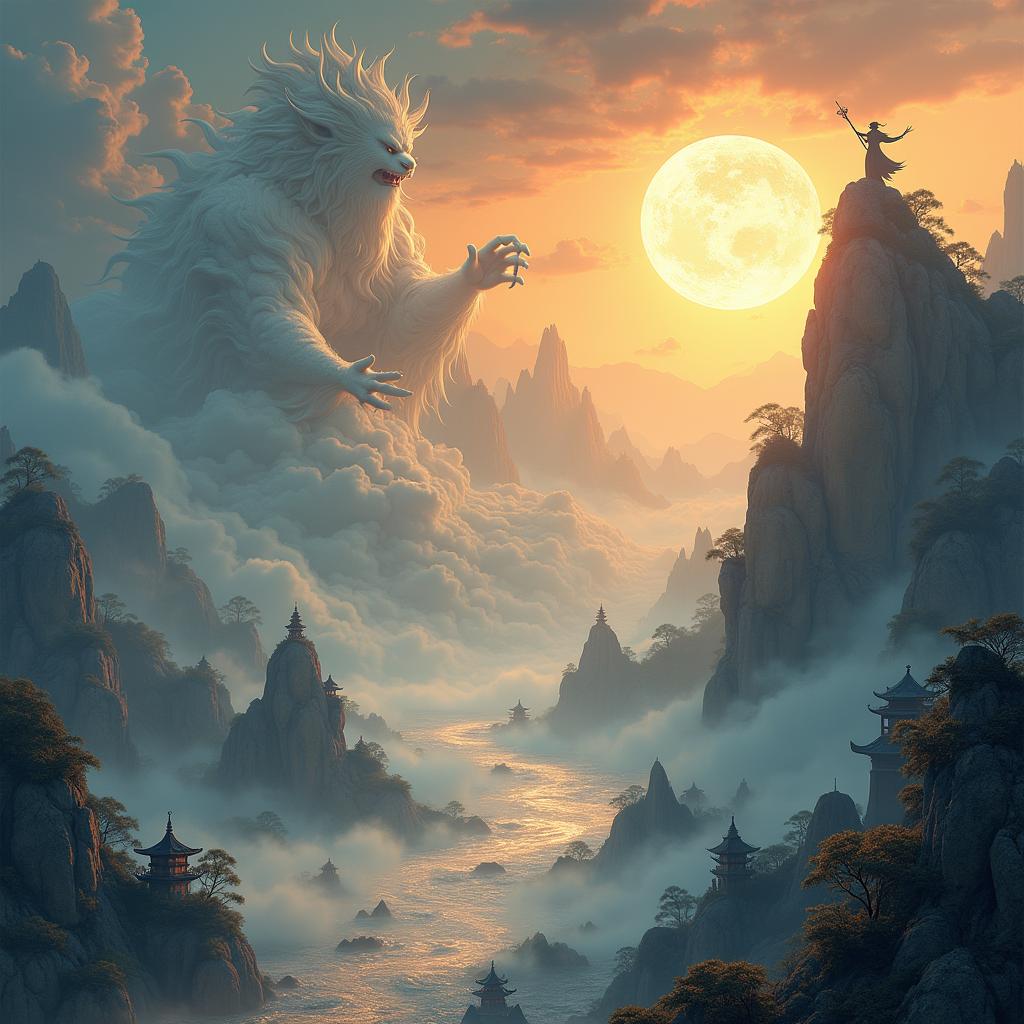
Ancient Chinese mythology, rooted in Shang Dynasty oracle bones, blends diverse regional tales and philosophies like Confucianism and Daoism. Myths of Pangu’s cosmic creation, Nüwa’s sky-mending, and Sun Wukong’s rebellion embody moral and natural lessons. Evolving through oral traditions, they shaped cultural identity, imperial legitimacy, and persist in festivals and modern media, reflecting collective harmony.
-
Ancient Greek Mythology is a complex world of gods, goddesses, heroes, and monsters, influencing Western culture and continuing to inspire audiences with its rich stories and eternal struggle between fate and free will, shaping art, literature, and film for centuries, with profound significance.


 Conversations with AI