Category: Civilisation
-
Ancient marvels like the pyramids and Stonehenge spark debate between mainstream archaeology, which credits human ingenuity and labour, and conspiracy theories proposing lost civilisations or extraterrestrial intervention. While such narratives reflect fascination with mystery and hidden truths, they risk overshadowing ancient societies’ achievements, highlighting tensions between sceptical inquiry and cultural appreciation of historical innovation.

-
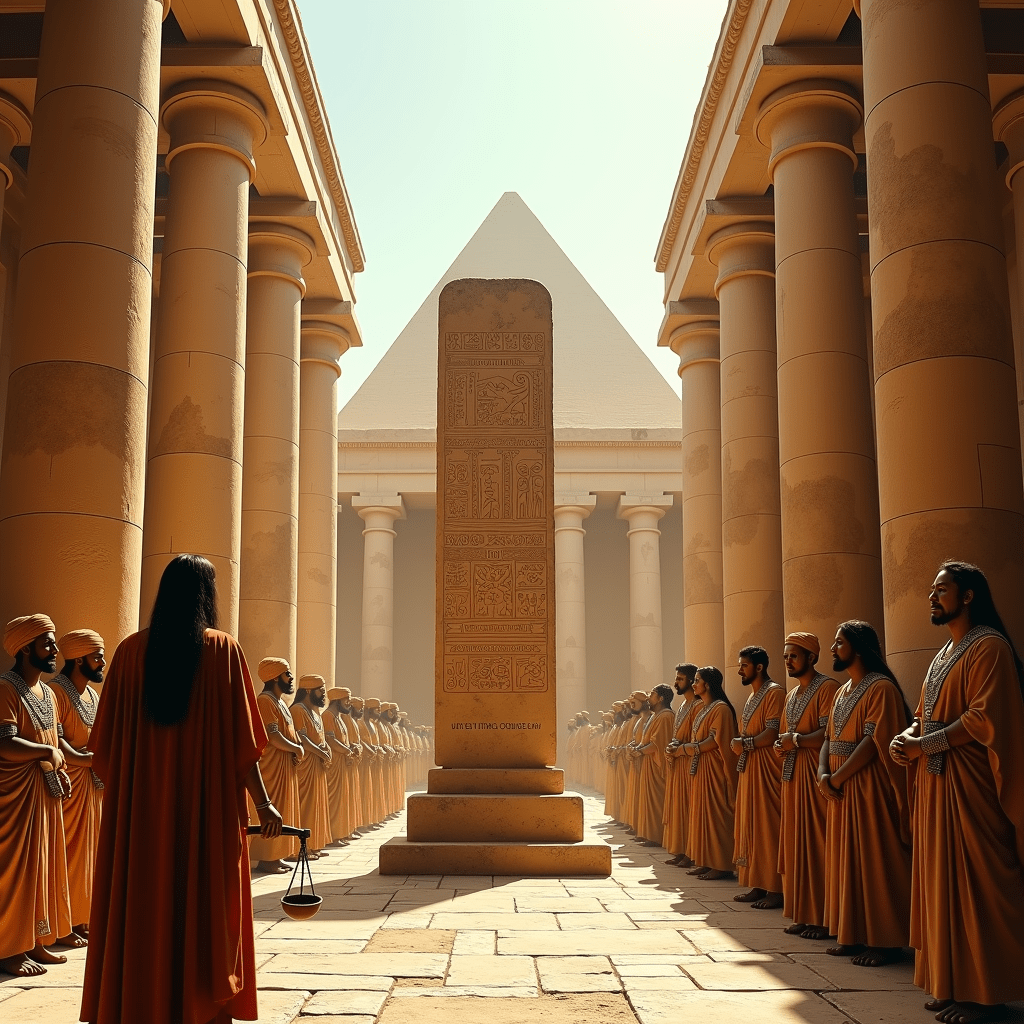
Mesopotamia, birthplace of codified law over 3,800 years ago, established written legal systems via codes like Ur-Nammu’s (fines) and Hammurabi’s (*lex talionis*). These laws standardised justice, reflected social hierarchies, yet granted women rights. Courts used evidence and testimony. Their legacy—transparency, proportionality, accountability—shaped Hebrew, Roman, and modern legal frameworks, embedding principles still foundational today.
-
Seismology, the science of earthquakes, helps understand the earth’s internal structure and composition, with applications in earthquake hazard assessment, tsunami warning systems, and natural resource exploration, ultimately mitigating earthquake effects on society and the environment.

-
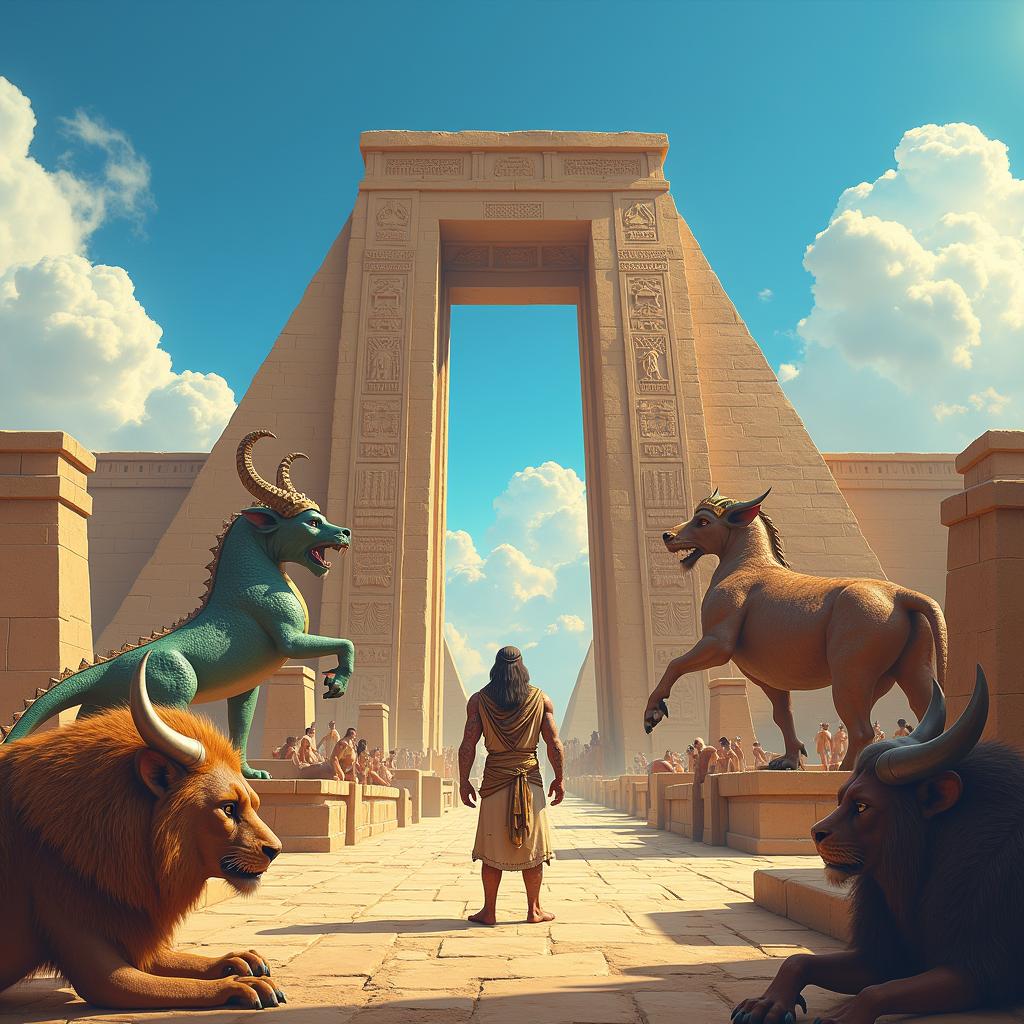
Ancient Egyptian mythology is a complex subject, filled with gods, goddesses, and supernatural creatures, providing insight into the Egyptian worldview and highlighting the importance of ma’at, the balance and order of the universe, in shaping human understanding.

-
Desert archaeology has uncovered numerous ancient civilisations, including Egypt and the Indus Valley, revealing sophisticated cultures and highlighting human adaptability and resilience in harsh environments, with significant implications for understanding human history.

-
Mesopotamian mythology is a rich system, reflecting ancient Mesopotamia’s cultural institutions, with epic tales like Gilgamesh and mythological creatures, influencing Western culture and remaining significant today.
-
Ancient Chinese civilisation made significant contributions to astronomy, including a lunisolar calendar and astronomical instruments, which have had a lasting impact on our understanding of the universe and its complexities.

-
The Silk Road, an ancient network of trade routes, connected East and West, facilitating cultural exchange and shaping human history, with archaeological findings uncovering secrets of this fascinating topic, highlighting its importance and relevance to our understanding of the past.

-
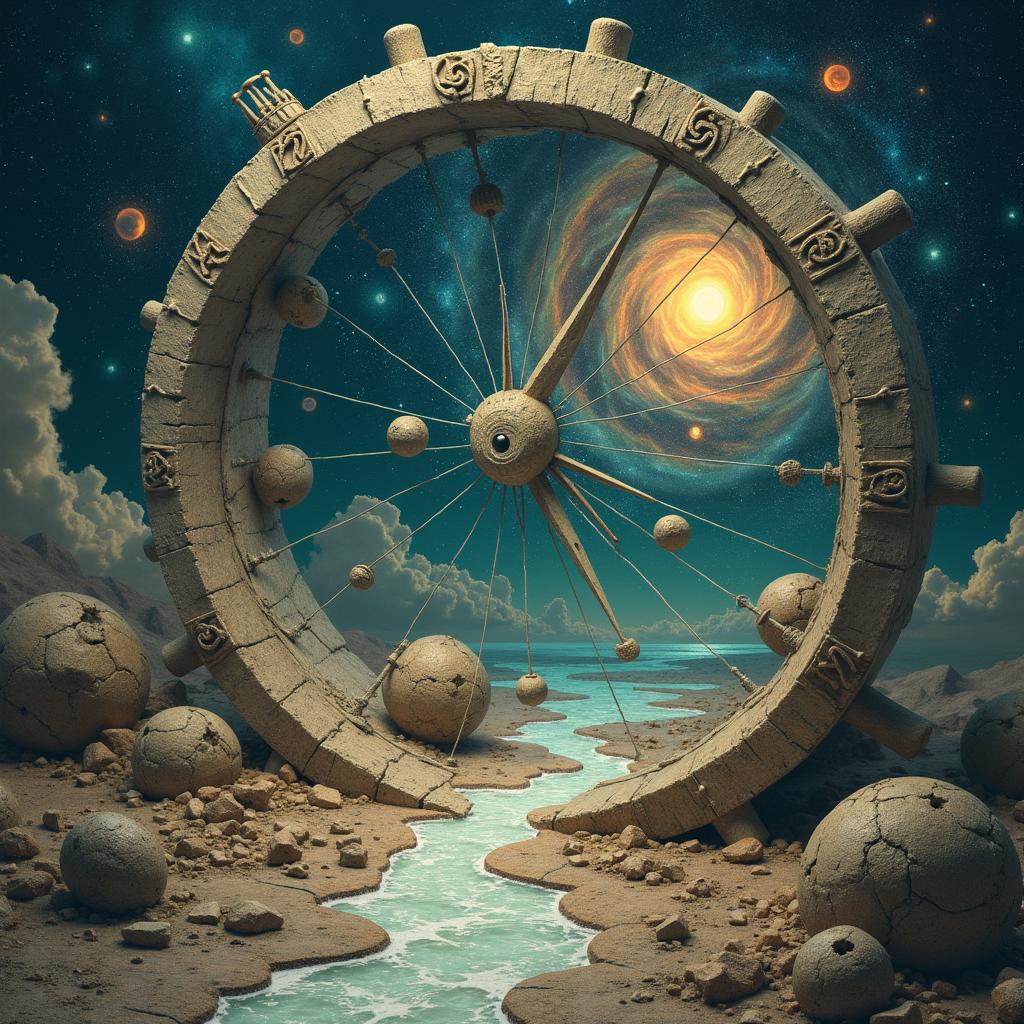
The concept of time has fascinated humans, with ancient civilizations and theoretical physics shaping our understanding, from absolute time to relative time, and ongoing research continues to refine our knowledge of this complex aspect of the universe.
-
The Amazon Rainforest holds many archaeological secrets, including the Lost City of Z and geoglyphs, revealing a complex history of human presence and sophisticated civilizations dating back 11,000 years.

-
The collapse of civilizations is a complex phenomenon influenced by environmental degradation, social and economic instability, and technological advancements, requiring sustainable development and global cooperation to prevent collapse.

-
Cosmic Imprint: How Astronomical Events Shaped Human History and Our Understanding of the Universe
4–6 minutes·
·
The universe has profoundly impacted human history, shaping civilizations, scientific thought, and cultural norms through astronomical events like eclipses, comets, and supernovae, influencing our worldview and existential understanding.

-
The Osireion and South American megalithic sites share similarities in massive stone blockwork, precision fitting, and engineering skills, despite differences in materials, sizes, and designs, showcasing ancient civilizations’ ingenuity and stoneworking abilities, with unique cultural and historical contexts.

-
This conversation explores the evolution of language and written communication, highlighting its historical origins, complexity, and societal impact. It discusses significant milestones, including the Human Revolution, the advent of writing, and the printing press, while addressing language inequality and the effects of digital communication on language’s future.

-
The discussion highlights the significant yet understated roles of women in ancient civilizations, contrasting traditional male-centric historical narratives. It explores women’s diverse contributions across societies like Egypt, Greece, Rome, Mesopotamia, and China, emphasizing their legal protections, economic power, and influential positions, while questioning the historical omissions of female stories.


 Conversations with AI