Category: Space Exploration and Astronomy
-
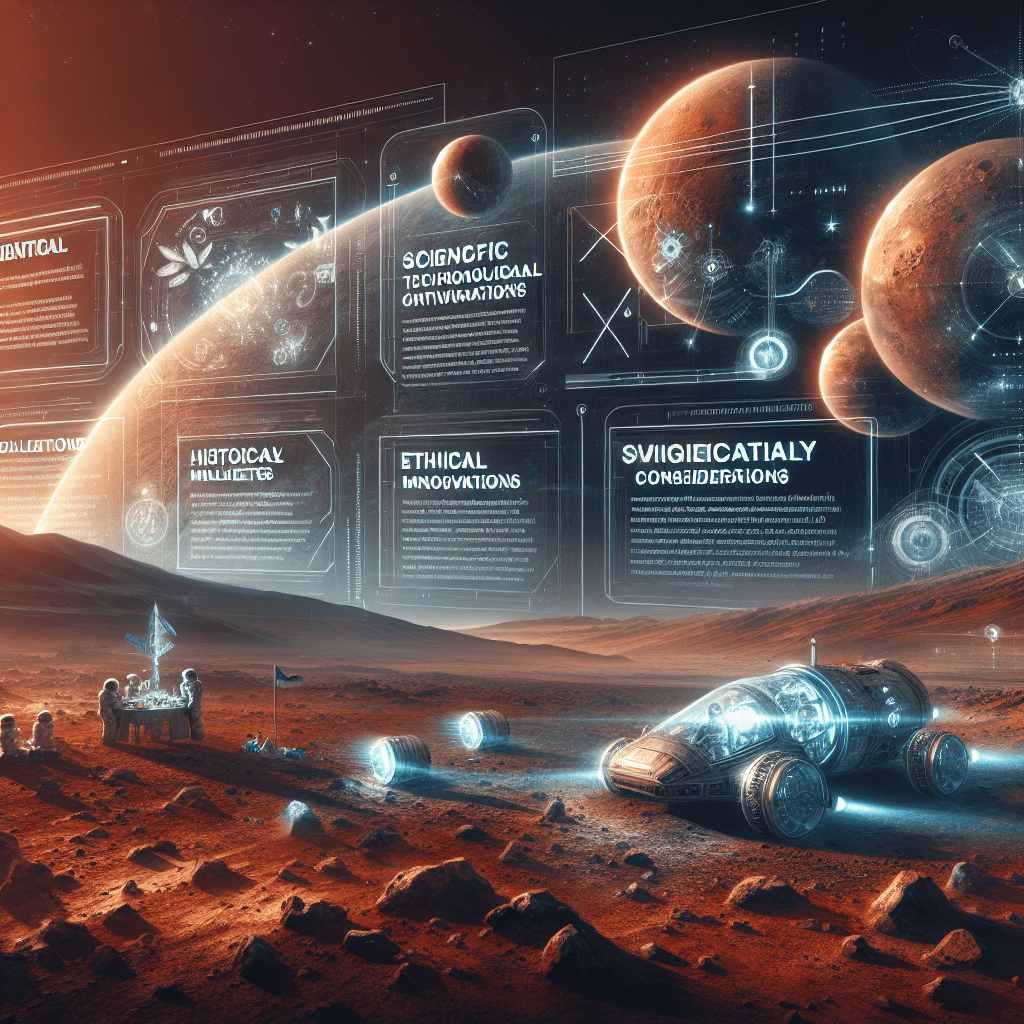
This article discusses the evolving prospects of human colonization on Mars, highlighting scientific, technological, and societal challenges. It explores historical milestones, significant innovations, and ethical considerations while emphasizing the complexity of establishing a new society on the red planet, ultimately questioning humanity’s ability to become a multi-planetary species.
-
Unlocking the Final Frontier: Humanity’s Path to the Stars
2–4 minutes·
·
Space colonisation fascinates humanity, driven by resource acquisition, environmental preservation, and survival. Asteroids and planets offer valuable resources, while space colonies could reduce Earth’s ecological strain. Ensuring human survival against catastrophic events like asteroid impacts is crucial. However, technical and ethical challenges persist, necessitating innovation, ethics, and international cooperation as humanity becomes a spacefaring civilization.

-
*was sat in the car with the kids, I’d like to blame them for this – 100% me 😳 The sun itself doesn’t have a smell since it is a massive ball of hot plasma emitting light and energy, with no physical substance for scent molecules to travel through space. However, astronauts returning from space…
-
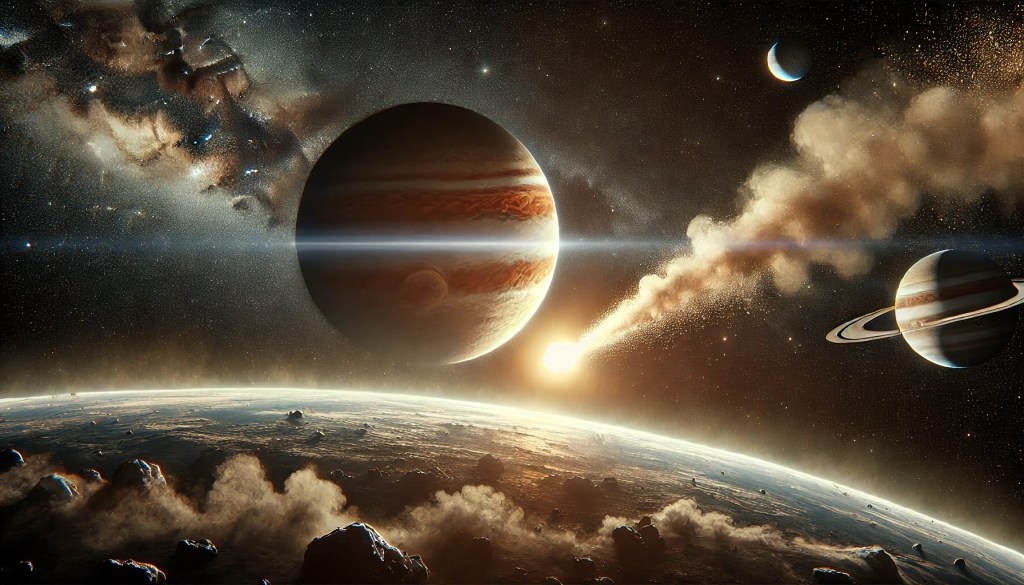
ʻOumuamua is the name given to the first known interstellar object that passed through our solar system. It was discovered on October 19, 2017, by astronomers using the Pan-STARRS1 telescope in Hawaii, and its name means “scout” or “messenger” in Hawaiian. Key characteristics of ʻOumuamua: While ʻOumuamua has left our solar system, it remains a…


 Conversations with AI