Category: Conspiracy Theories
-
Puma Punku’s intricate stone ruins spark debate. While fringe theories suggest lost technology or alien aid, mainstream archaeology argues for immense human ingenuity. Using simple tools, immense labour, and generational skill, the Tiwanaku people achieved a feat of engineering, showcasing a remarkable societal organisation rather than forgotten high-tech hardware.

-
The Hollow Earth theory, a captivating idea of inner worlds, persisted from myth to early “scientific” proposals by figures like Halley and Symmes. Despite overwhelming geophysical evidence (gravity, seismology, planetary formation) proving Earth solid, the notion endures in popular imagination, fuelled by a desire for mystery and mistrust of authority.

-
This text explores conspiracy theories about ancient advanced technologies and civilisations, including aliens, lost societies like Atlantis, and pyramid power plants. It examines the appeal of these ideas and the “evidence” cited, contrasting them with mainstream archaeological explanations. The article encourages critical thinking while acknowledging the human desire for mystery about the past.
-
Secret Space Programme (SSP) conspiracy theories propose hidden, advanced space programmes beyond official agencies, potentially involving alien technology and off-world bases. Originating from Cold War secrecy and UFO lore, proponents cite figures like Corso and Lazar, and events like Roswell. Despite lacking verifiable evidence, SSP theories persist due to distrust, fascination with the unknown, and…

-
not Aliens…
5–8 minutes·
·
The conversation explores ancient marvels like Egypt’s pyramids and the Antikythera Mechanism, which inspire theories of lost technologies or extraterrestrial influence. While mainstream scholarship attributes these feats to human ingenuity and labour, conspiracy narratives thrive on mystery and fragmented historical records. These theories reflect modern fascination with the unknown, blending scepticism, storytelling, and societal anxieties,…
-
In the digital age, pervasive tracking fuels government surveillance concerns, blending security and intrusion. Historical programmes like COINTELPRO and Snowden’s NSA leaks reveal mass monitoring, while facial recognition and tech partnerships amplify distrust. Conspiracy theories, driven by secrecy and pop culture, merge documented realities with myths. Experts debate privacy erosion versus safety, questioning transparency’s role…
-
Ancient marvels like the pyramids and Stonehenge spark debate between mainstream archaeology, which credits human ingenuity and labour, and conspiracy theories proposing lost civilisations or extraterrestrial intervention. While such narratives reflect fascination with mystery and hidden truths, they risk overshadowing ancient societies’ achievements, highlighting tensions between sceptical inquiry and cultural appreciation of historical innovation.

-
The exploration examines conspiracy theories about secret societies, tracing their historical roots from ancient groups like the Pythagorean Brotherhood and Knights Templar to modern theories involving the Illuminati, Freemasonry, the New World Order, and QAnon. These theories, often lacking evidence, influence societal beliefs and trust, highlighting the balance between critical thinking and evidence-based analysis.
-
Conspiracy theories are complex, multifaceted, and often based on misinformation, with significant cultural implications and potential dangers to society, requiring a critical perspective to verify evidence and combat speculation.

-
Ancient civilisations spark fascination and conspiracy theories, including claims of extraterrestrial intervention and secret societies, despite lacking evidence and being damaging to historical understanding and appreciation.

-
Debunking the Myth: the Truth Behind the 1969 Moon Landing
5–7 minutes·
·
The moon landing, achieved by NASA’s Apollo 11 mission in 1969, has sparked fascination and controversy, with conspiracy theories claiming it was staged or faked, but overwhelming evidence supports its occurrence.

-
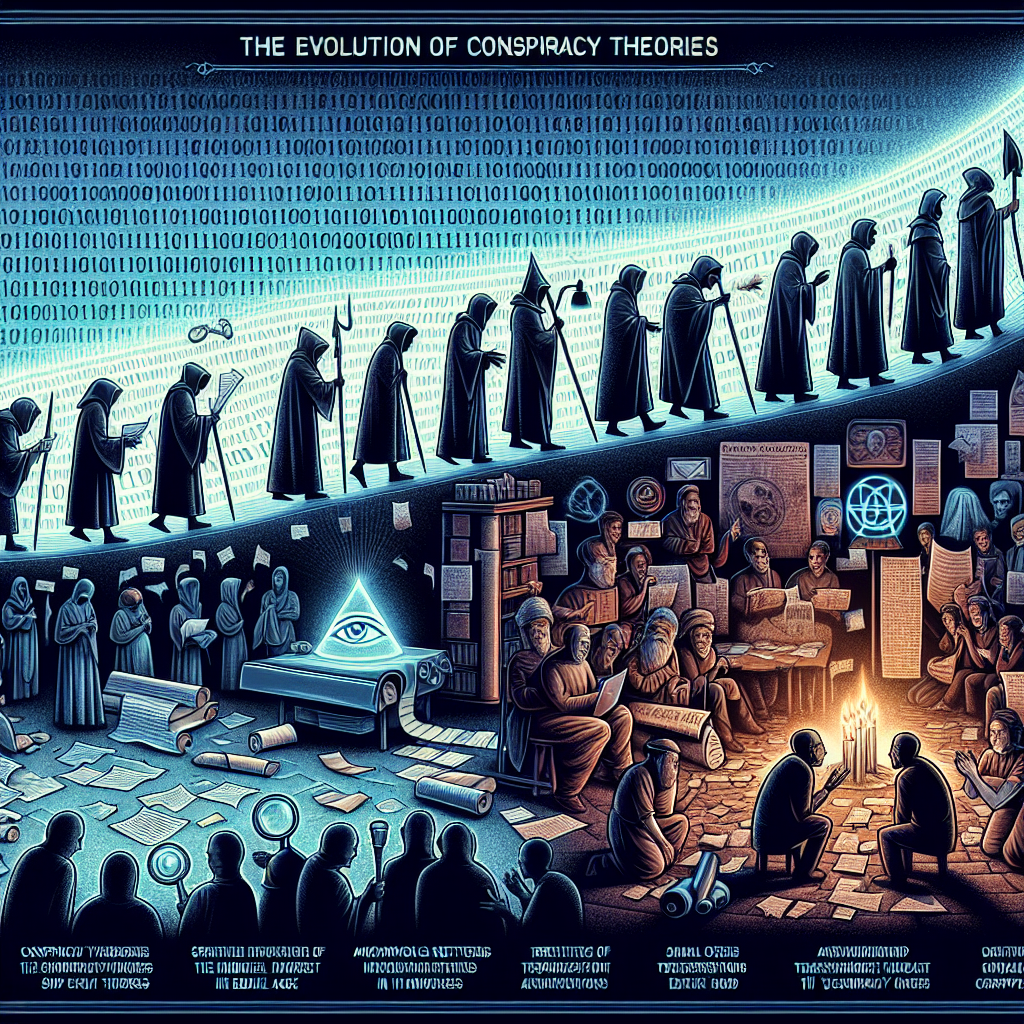
This conversation explores the evolution of conspiracy theories from ancient times to the digital age, highlighting their psychological and social motivations. It examines the impact of technology on their spread and the divide in academic perspectives. Ultimately, it questions whether these theories represent societal unease or harmful misinformation.
-
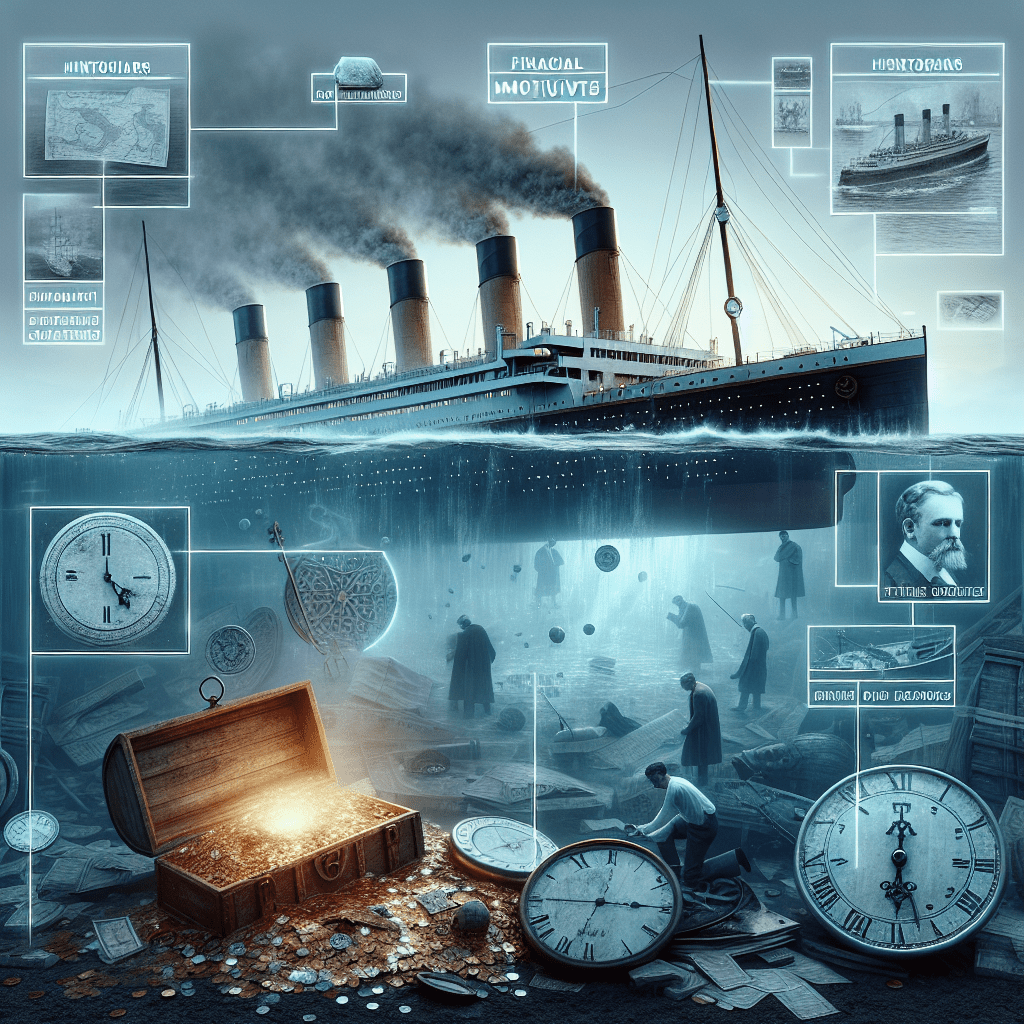
This conversation explores theories surrounding the Titanic’s sinking in 1912, suggesting it may have been intentional rather than accidental. It examines the ‘switch theory’ positing financial motives, despite criticism from historians. Ultimately, the discussion highlights the enduring intrigue and debate about historical narratives and alternative interpretations of events.
-
The conversation explores the mystery of crop circles, pondering their origins as either human creations, natural phenomena, or extraterrestrial messages. It discusses historical accounts, scientific theories, and cultural impacts, highlighting debates between skeptics and believers while emphasizing the allure of these intricate formations and their potential connections to broader cosmic questions.

-
The conversation explores the mystery of Area 51 and its connection to UFO sightings, highlighting its origins as a secret testing site. It discusses the historical context of UFO phenomena, notable claims like those from Bob Lazar, and the impact of these subjects on popular culture and scientific inquiry.



 Conversations with AI