Category: History
-
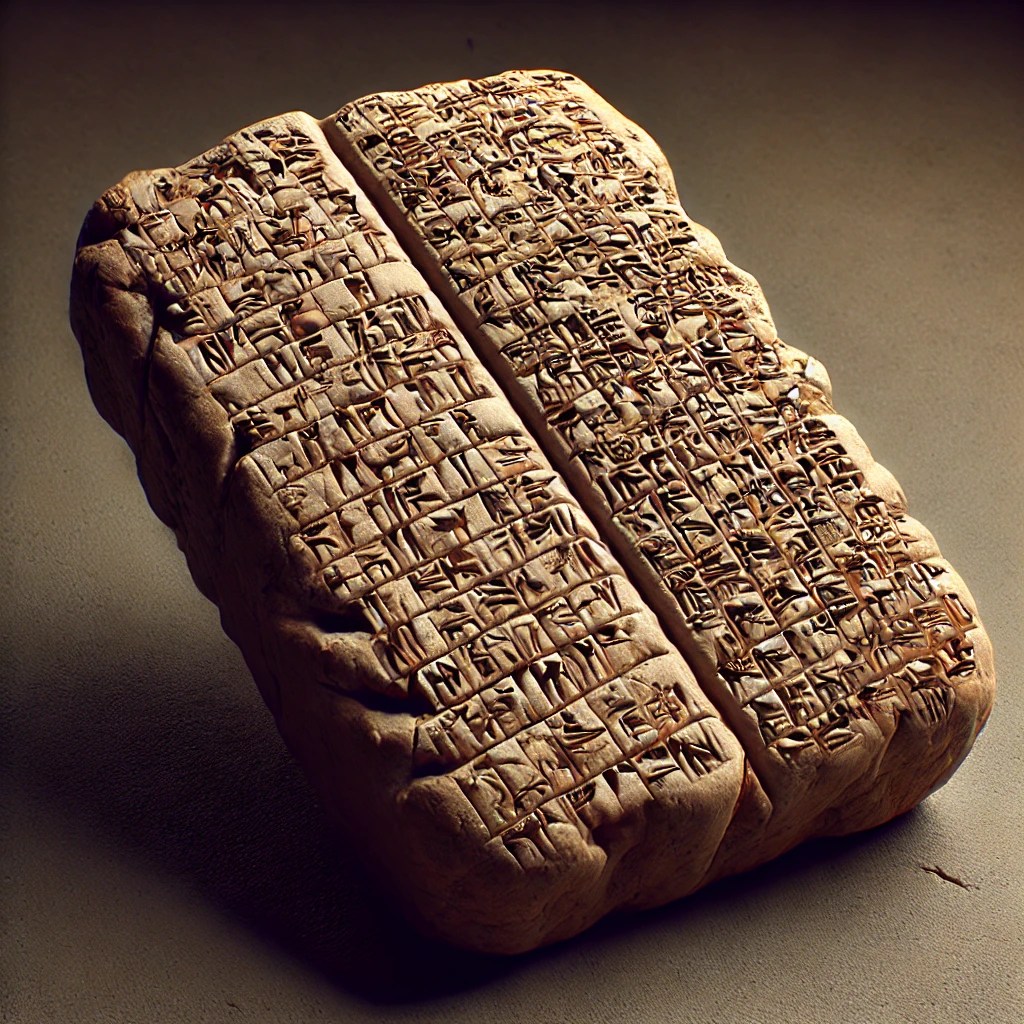
Around 5,000 years ago in Mesopotamia, writing emerged from the need to manage resources in early cities. Evolving from clay tokens to pictograms and then cuneiform (wedge-shaped marks on clay), it enabled complex administration, law, and knowledge preservation. This revolutionary invention reshaped society and influenced future writing systems.
-
Philosophy explores fundamental questions about existence, reality, and human nature, originating in Ancient Greece and evolving through history. It provides tools to critically examine puzzles like consciousness, freedom, and ethics. Complementing science, it helps us understand ourselves and the universe, stressing the value of critical inquiry.

-
Ancient China was a major mathematical innovator, developing sophisticated methods often centuries before the West. Driven by practical needs, they used counting rods with a decimal place-value system and negative numbers, understood Pythagoras’ theorem, calculated pi accurately, and created algorithms for solving complex equations and systems.

-
Atlantis, a captivating lost city, originates from Plato’s philosophical dialogues. Archaeology finds no evidence for a real Atlantis matching Plato’s description in the Atlantic around 9600 BCE. While the Minoan civilisation’s demise on Thera offers a possible inspiration, Atlantis remains a myth, its allure stemming from humanity’s fascination with lost paradises and ancient mysteries, continually…

-
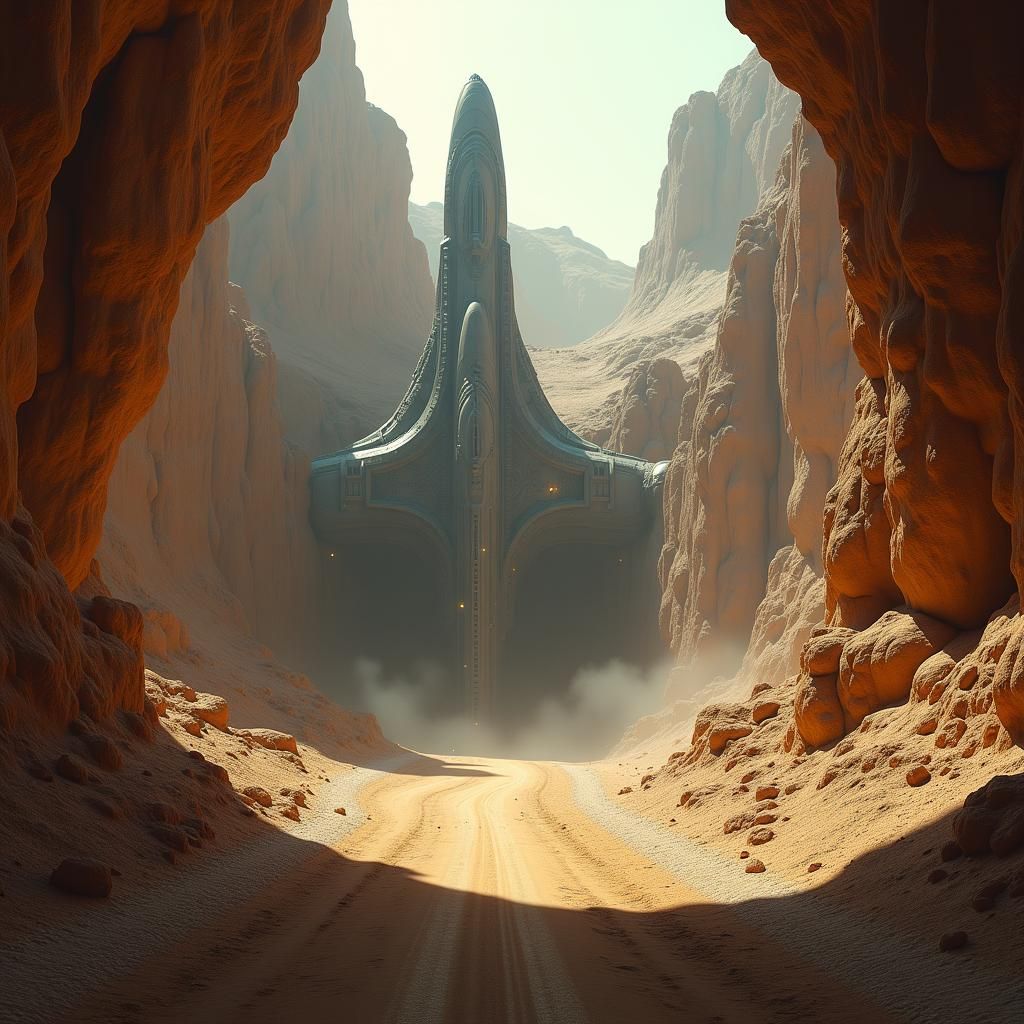
Secret Space Programme (SSP) conspiracy theories propose hidden, advanced space programmes beyond official agencies, potentially involving alien technology and off-world bases. Originating from Cold War secrecy and UFO lore, proponents cite figures like Corso and Lazar, and events like Roswell. Despite lacking verifiable evidence, SSP theories persist due to distrust, fascination with the unknown, and…
-
Ancient Athenian democracy, born in ancient Greece, was a radical system of direct citizen rule. Key institutions included the Assembly, Council, and citizen juries, chosen by lot. While groundbreaking in citizen participation, it excluded women, foreigners, and slaves. Despite limitations, Athenian democracy’s ideals of equality and free speech profoundly influenced modern democratic thought and practice.

-
Philosophy explores values and ethics, offering frameworks from virtue ethics to existentialism. It provides critical thinking tools to navigate moral dilemmas, question assumptions, and shape personal and societal values. Understanding philosophy is vital for ethical decision-making and building a more ethical world.

-
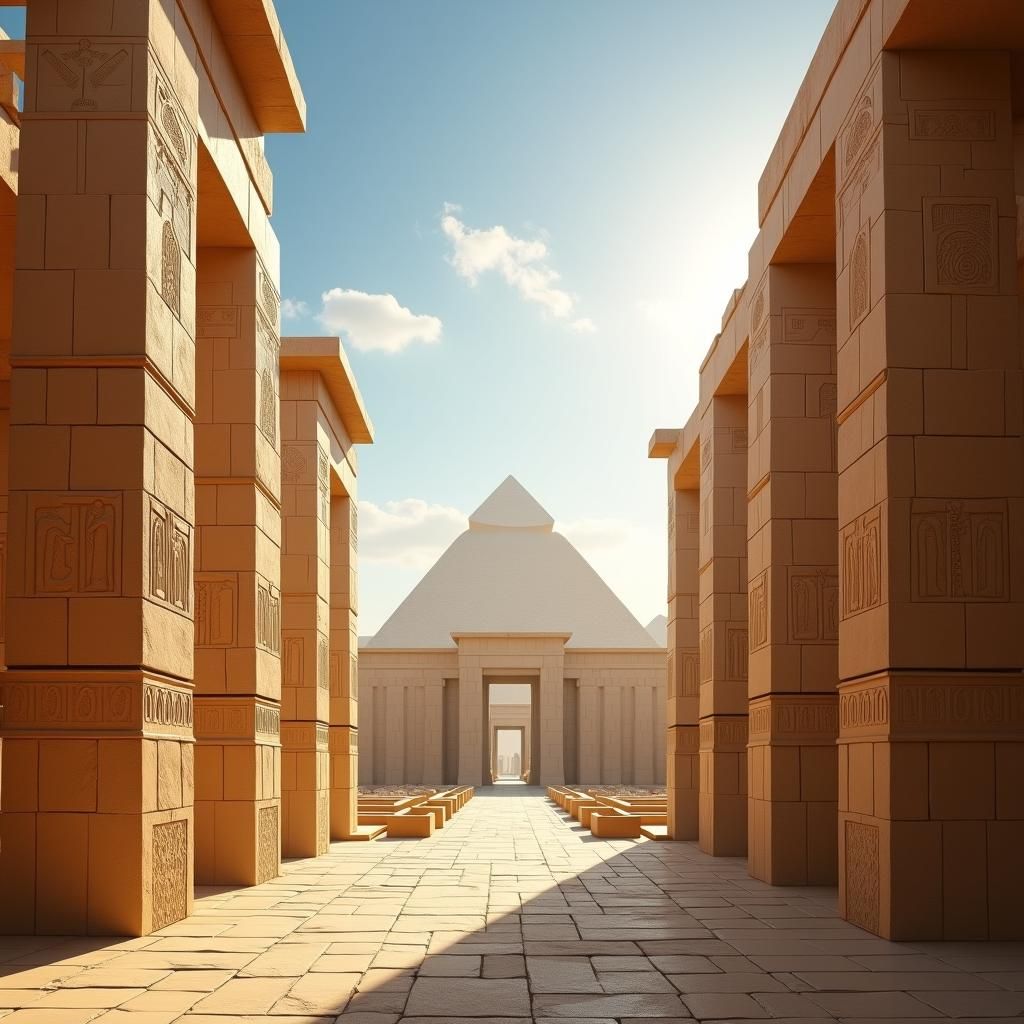
Ancient Egyptian architecture, exemplified by pyramids and Karnak Temple, showcases remarkable ingenuity and scale. Driven by religious beliefs and pharaonic power, they mastered stone construction with sophisticated techniques and organisation. Their enduring monuments, built using post-and-lintel systems, obelisks, and symbolic columns, reflect advanced engineering and continue to inspire awe and influence architecture today.
-
Underwater archaeology explores submerged shipwrecks and lost cities, offering unique insights into past lives and civilisations. Technological advancements drive discoveries like the *Mary Rose* and Doggerland. Despite preservation and legal challenges, this field is crucial for understanding history and sea-level rise impacts, unlocking the ocean’s vast historical archive.

-
not Aliens…
5–8 minutes·
·
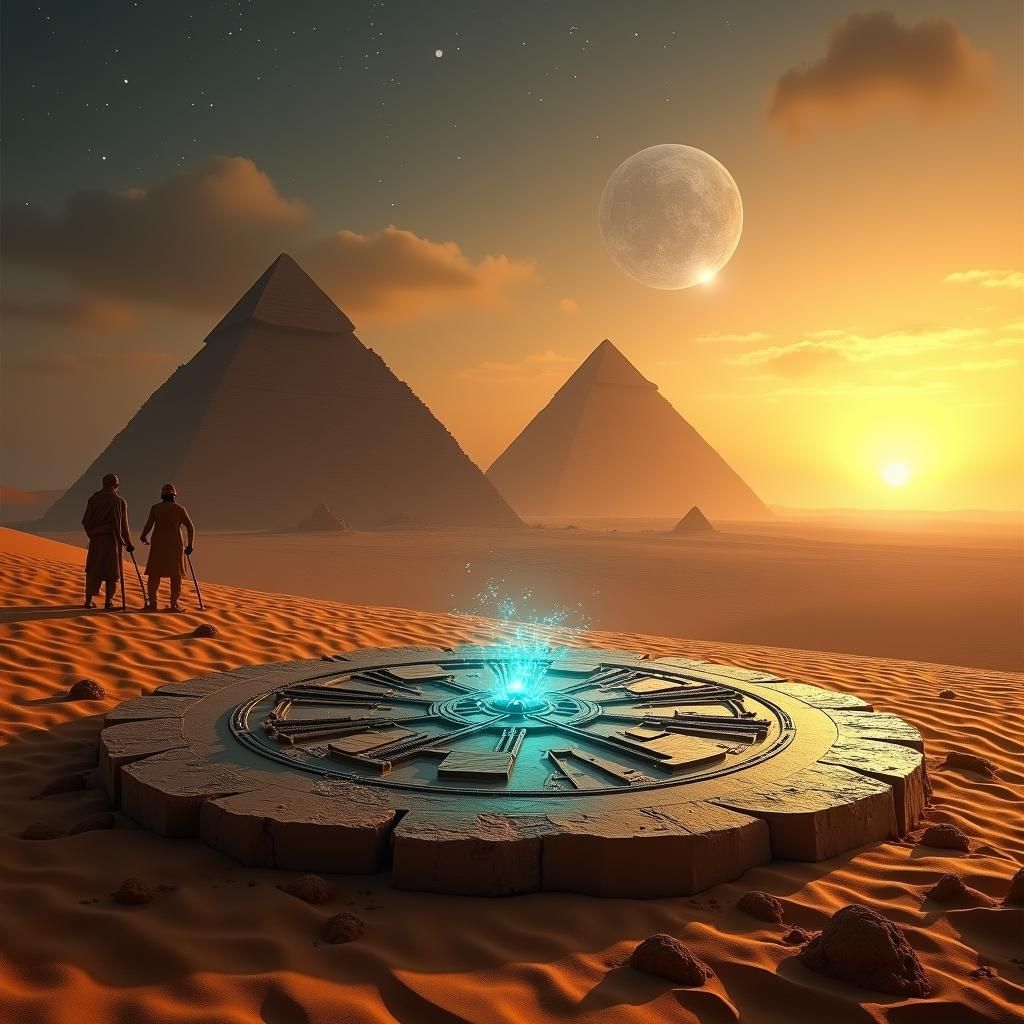
The conversation explores ancient marvels like Egypt’s pyramids and the Antikythera Mechanism, which inspire theories of lost technologies or extraterrestrial influence. While mainstream scholarship attributes these feats to human ingenuity and labour, conspiracy narratives thrive on mystery and fragmented historical records. These theories reflect modern fascination with the unknown, blending scepticism, storytelling, and societal anxieties,…
-
Empty Skies to Dark Energy
4–6 minutes·
·
Humans have long sought to explain the cosmos, evolving from ancient geocentric models to modern science. The 20th century revolutionised cosmology with relativity, the expanding universe, and Big Bang theory, later challenged by steady state models. Dark energy, dark matter, and cosmic inflation now dominate research, alongside multiverse hypotheses. Despite progress, fundamental questions about the…

-
Humanity’s enduring quest to discover extraterrestrial life blends philosophy, science, and technology. From Giordano Bruno’s heretical ideas to the Drake Equation and modern missions to Mars, Europa, and exoplanets, the search explores life’s potential in extreme environments and distant worlds. Despite the Fermi Paradox, this pursuit deepens our cosmic understanding and underscores Earth’s uniqueness.

-
Mesopotamia (3500–539 BCE), between the Tigris and Euphrates, pioneered governance systems still shaping modern states. Facing resource management challenges, its civilisations developed bureaucracy, legal codes (e.g., Hammurabi’s), tax systems, and cuneiform writing for administration. City-states, treaties, and early parliaments emerged, alongside hierarchical laws and organised labour. Their innovations in justice, record-keeping, and urban management influenced…

-
Philosophy examines reality and knowledge through critical inquiry, rooted in ancient Greek traditions. It addresses core questions of existence and perception, intersecting with science and ethics. From Descartes’ scepticism to modern debates on AI and quantum physics, it challenges assumptions, fosters critical thinking, and navigates evolving truths, remaining essential in understanding existence’s complexities.

-
Since the 1990s, a small group in Taos, New Mexico, has reported an unexplained low-frequency hum, described as a relentless drone. Despite scientific studies, its source—whether geological, technological, or psychological—remains unknown. Similar global phenomena exist, but Taos’s hum endures, blending cultural mystique with debates on perception, science, and humanity’s unresolved mysteries.



 Conversations with AI