Category: Archaeology
-
The Amazon Rainforest holds many archaeological secrets, including the Lost City of Z and geoglyphs, revealing a complex history of human presence and sophisticated civilizations dating back 11,000 years.

-
The collapse of civilizations is a complex phenomenon influenced by environmental degradation, social and economic instability, and technological advancements, requiring sustainable development and global cooperation to prevent collapse.

-
The Osireion and South American megalithic sites share similarities in massive stone blockwork, precision fitting, and engineering skills, despite differences in materials, sizes, and designs, showcasing ancient civilizations’ ingenuity and stoneworking abilities, with unique cultural and historical contexts.

-
The article explores the construction of pyramids, particularly in Egypt, discussing historical and modern theories, including internal ramps and sledges for transporting stone. It notes the socio-cultural significance of pyramids beyond tombs and highlights the challenge historians face in fully understanding their construction, which remains a captivating enigma.

-
Throughout history, ancient civilizations moved massive stones weighing up to 1,000 tons, using ingenious techniques like sledges, ramps, and levers. From Baalbek’s temple stones to the Thunder Stone in Russia, modern comparisons show how both ancient and contemporary engineers have tackled the challenge of lifting and transporting gigantic stones.

-
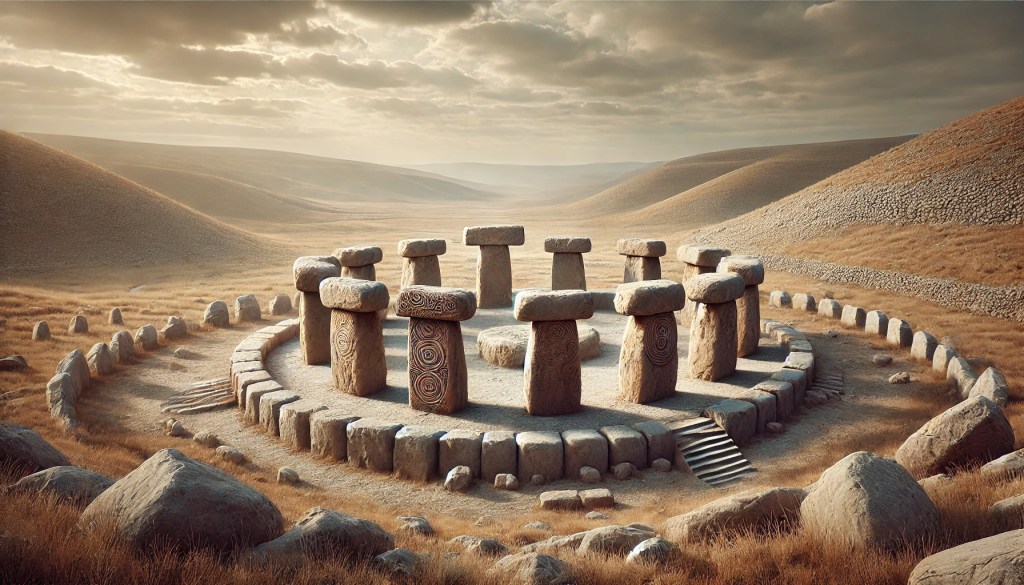
Göbekli Tepe, an ancient ceremonial site in Turkey, was built by Pre-Pottery Neolithic hunter-gatherers. Its T-shaped pillars, possibly symbolic or ritualistic, were carved with animals and may represent human figures. The site was intentionally buried, and its religious practices remain speculative. Other similar Neolithic sites exist regionally.
-
The loss of knowledge throughout history has occurred due to various reasons such as wars, natural disasters, cultural shifts, and the decline or destruction of civilizations. Here are some significant examples of lost knowledge: 1. Library of Alexandria 2. Mayan Codices 3. Ancient Greek and Roman Texts 4. Alchemical and Scientific Manuscripts 5. Indigenous Knowledge Systems 6. The Baghdad House of…

-
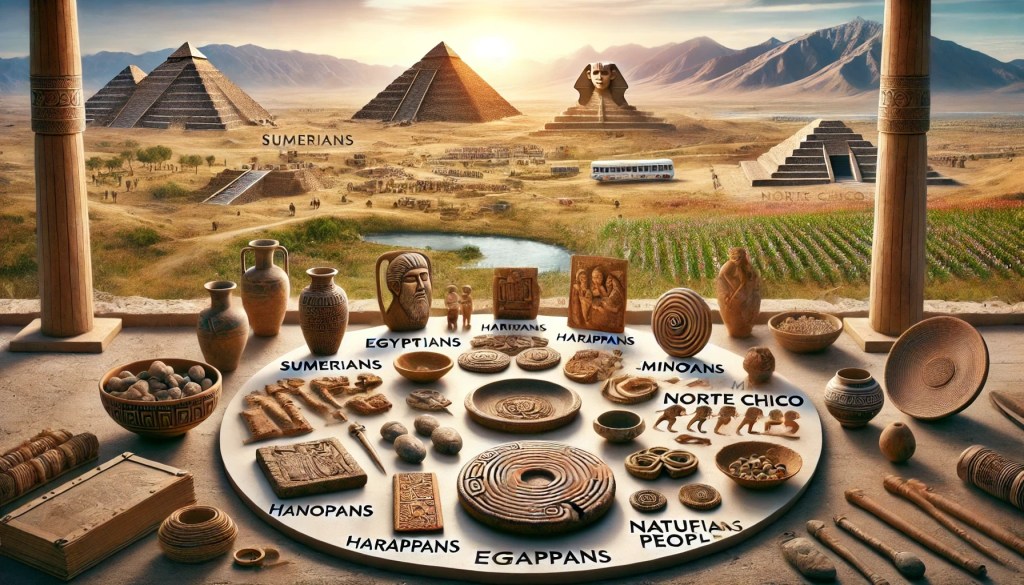
Question: list the earliest people, then as individual chapters elaborate on each culture listing their key accomplishments and expand each point. finally conclude with a chapter on whether there could have been any shared knowledge between the cultures. Earliest Peoples Chapter 1: Sumerians Key Accomplishments: Chapter 2: Ancient Egyptians Key Accomplishments: Chapter 3: Harappans (Indus…
-
The original flood myth likely dates back to ancient Mesopotamian civilizations and is best known through the Epic of Gilgamesh, which predates the biblical narrative of Noah’s Ark. In this version, the gods decide to flood the earth to punish humanity for its sins. One god, Ea (also known as Enki), warns a man named Utnapishtim and instructs…

-
The time it would take for our civilization to be almost completely lost to history depends on several factors, including how long our artifacts last, the conditions of preservation, and whether future civilizations or species uncover and study what remains. Here’s a breakdown of how various elements of our civilization would degrade over time: 1.…



 Conversations with AI