Category: Archaeology
-
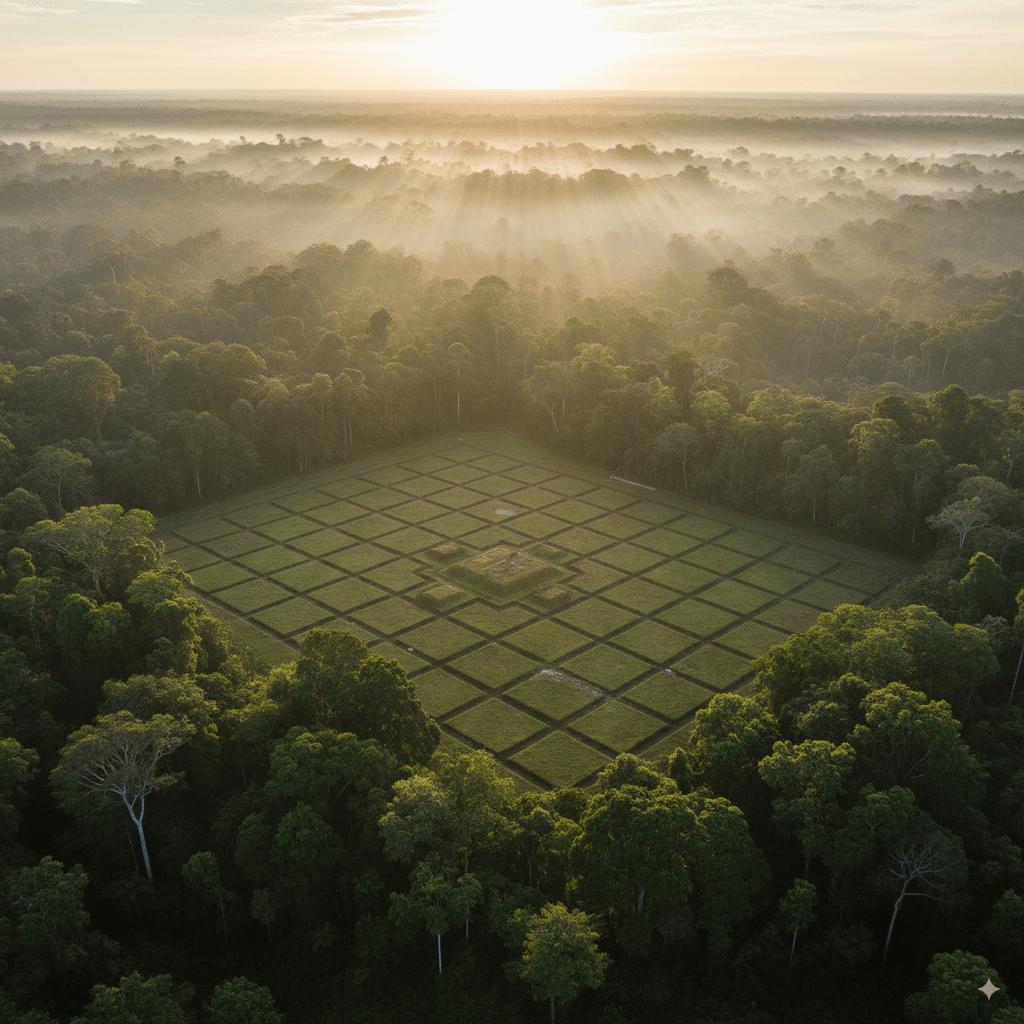
Exploring theories of civilisational collapse, this article questions if entire societies existed and vanished before recorded history. From the well-documented falls of Rome and the Maya to the staggering mystery of Göbekli Tepe, it examines the lessons these lost worlds might hold about the fragility of our own time.
-
What will future archaeologists find of us in 10,000 years? This post explores our legacy, from the plastic seams in the rock to the strange survival of the pyramids. It’s a journey into deep time that asks a simple question: what truly matters, the things that last or the things that don’t?

-
Lost languages and scripts hold silent histories. Decipherment, a human endeavour to reconnect with ancestors, involves detective-like analysis using clues like bilingual texts. Breakthroughs with Egyptian hieroglyphs, Linear B, and Mayan glyphs reveal past civilisations, with computational tools now aiding this quest to make ancient voices speak again.

-
This text explores conspiracy theories about ancient advanced technologies and civilisations, including aliens, lost societies like Atlantis, and pyramid power plants. It examines the appeal of these ideas and the “evidence” cited, contrasting them with mainstream archaeological explanations. The article encourages critical thinking while acknowledging the human desire for mystery about the past.

-
Deserts, often perceived as empty, are incredible archives preserving ancient human history due to aridity. Discoveries globally, like Egyptian tombs, Dead Sea Scrolls, and rock art, reveal past civilisations’ resilience, climate impacts, and daily life, aided by modern archaeology despite looting threats.

-
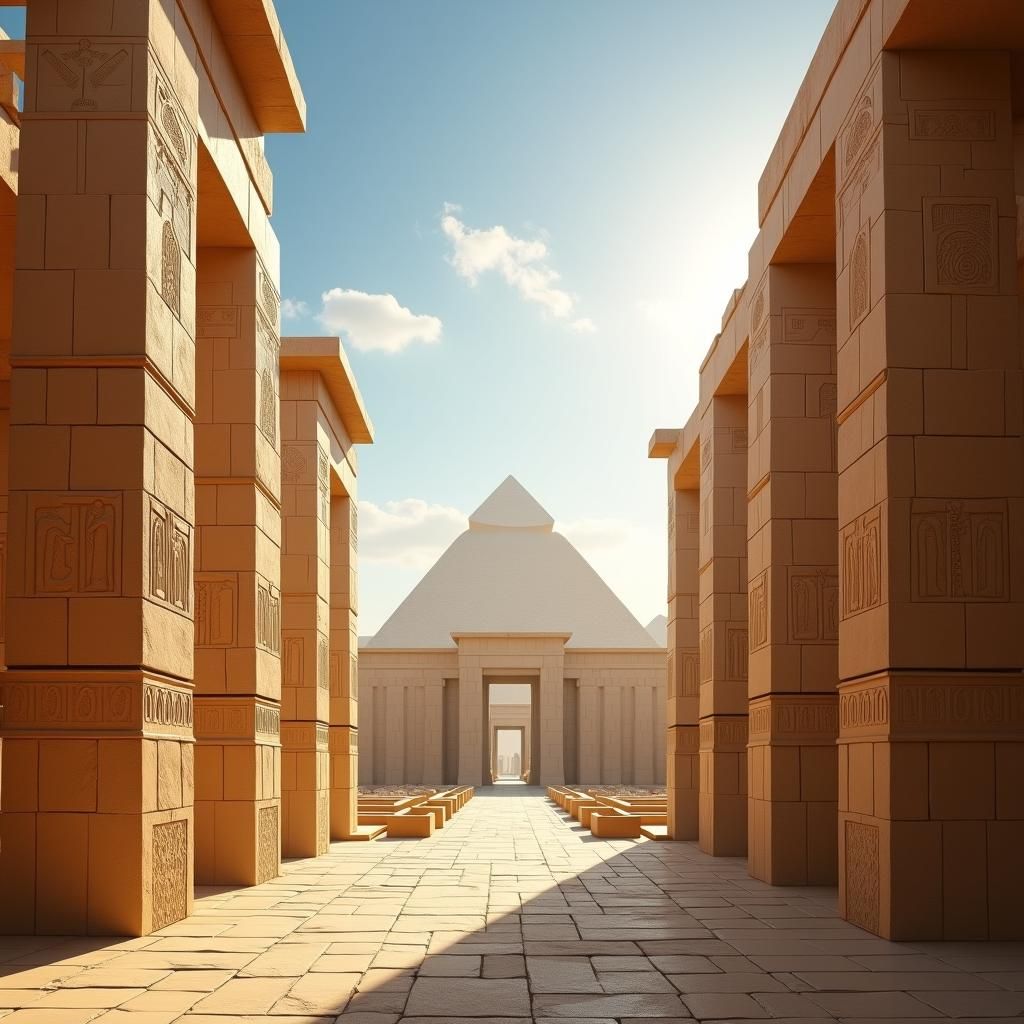
Ancient Egyptian architecture, exemplified by pyramids and Karnak Temple, showcases remarkable ingenuity and scale. Driven by religious beliefs and pharaonic power, they mastered stone construction with sophisticated techniques and organisation. Their enduring monuments, built using post-and-lintel systems, obelisks, and symbolic columns, reflect advanced engineering and continue to inspire awe and influence architecture today.
-
Underwater archaeology explores submerged shipwrecks and lost cities, offering unique insights into past lives and civilisations. Technological advancements drive discoveries like the *Mary Rose* and Doggerland. Despite preservation and legal challenges, this field is crucial for understanding history and sea-level rise impacts, unlocking the ocean’s vast historical archive.

-
not Aliens…
5–8 minutes·
·
The conversation explores ancient marvels like Egypt’s pyramids and the Antikythera Mechanism, which inspire theories of lost technologies or extraterrestrial influence. While mainstream scholarship attributes these feats to human ingenuity and labour, conspiracy narratives thrive on mystery and fragmented historical records. These theories reflect modern fascination with the unknown, blending scepticism, storytelling, and societal anxieties,…

-
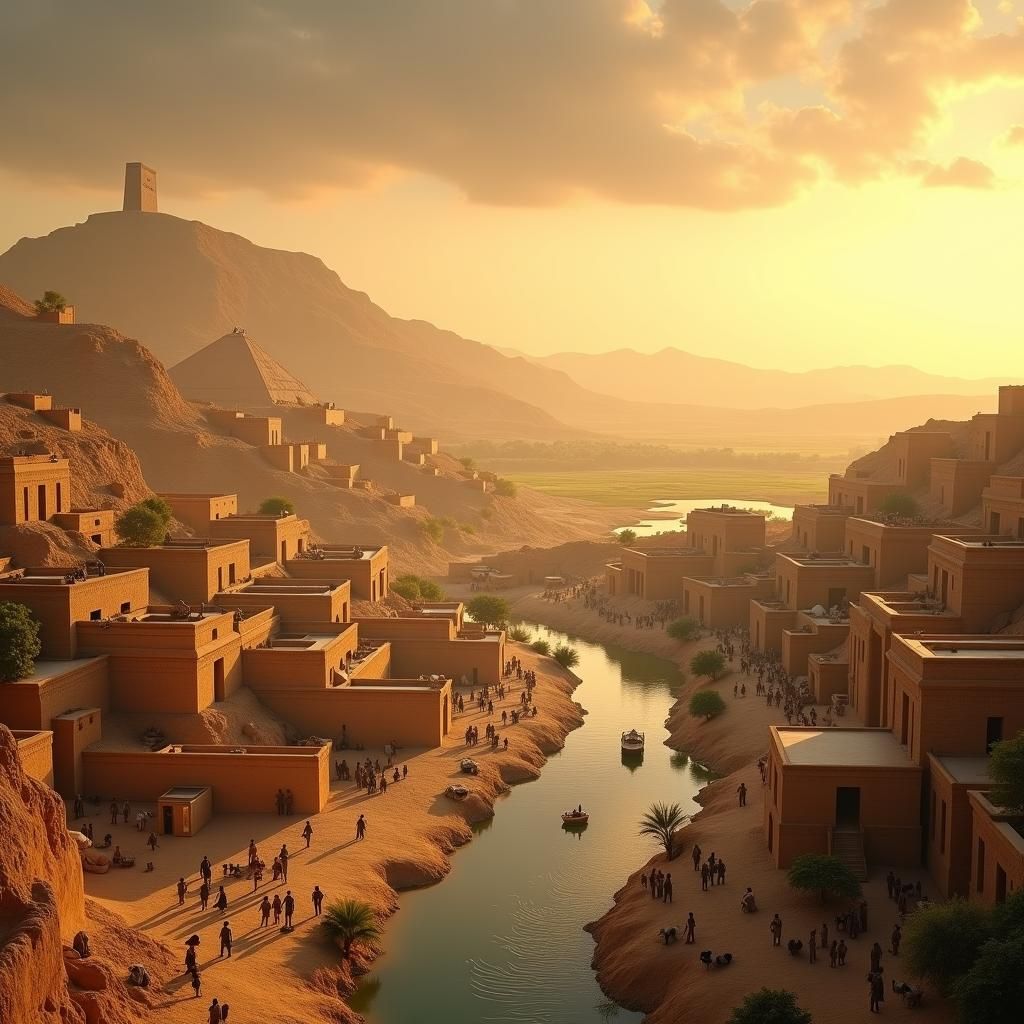
Mesopotamia (3500–539 BCE), between the Tigris and Euphrates, pioneered governance systems still shaping modern states. Facing resource management challenges, its civilisations developed bureaucracy, legal codes (e.g., Hammurabi’s), tax systems, and cuneiform writing for administration. City-states, treaties, and early parliaments emerged, alongside hierarchical laws and organised labour. Their innovations in justice, record-keeping, and urban management influenced…
-
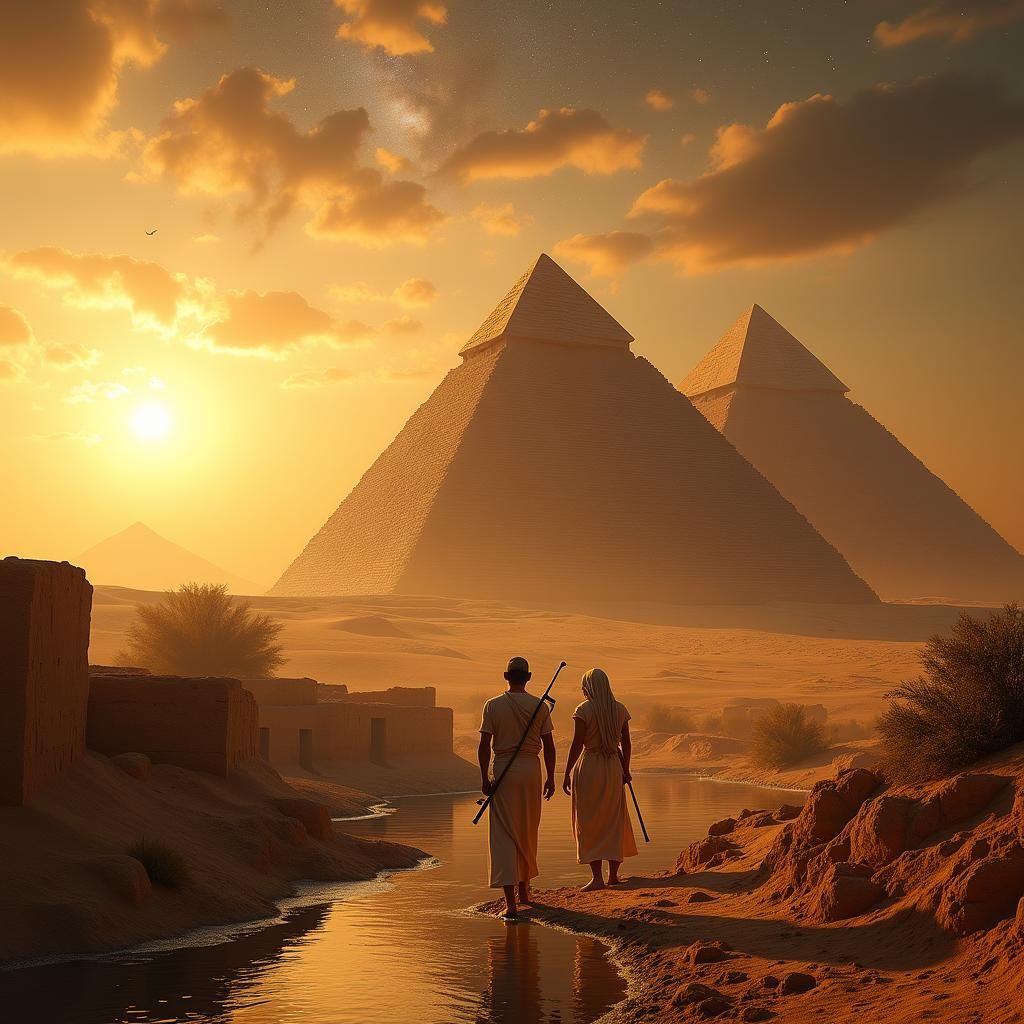
The Pyramids of Giza, built circa 2580–2560 BCE as tombs, remain enigmatic. Modern technologies like muon radiography uncover hidden chambers, ramps and a lost Nile branch, revealing advanced logistics. Evidence of skilled, well-treated workers replaces slave theories. Celestial alignments and non-invasive research underscore ancient Egyptian engineering and societal sophistication, reshaping historical perceptions.
-
Thawing Arctic permafrost is revealing ancient human and ecological histories, challenging past assumptions of the region as uninhabitable. Discoveries like 30,000-year-old hunting sites and preserved Indigenous villages illustrate early human adaptability. However, climate change threatens these artefacts’ survival. Collaborations between archaeologists and Indigenous communities highlight ethical imperatives to preserve heritage while confronting environmental crises’ intertwined…

-
Ancient marvels like the pyramids and Stonehenge spark debate between mainstream archaeology, which credits human ingenuity and labour, and conspiracy theories proposing lost civilisations or extraterrestrial intervention. While such narratives reflect fascination with mystery and hidden truths, they risk overshadowing ancient societies’ achievements, highlighting tensions between sceptical inquiry and cultural appreciation of historical innovation.

-
Ancient Egyptian mythology is a complex subject, filled with gods, goddesses, and supernatural creatures, providing insight into the Egyptian worldview and highlighting the importance of ma’at, the balance and order of the universe, in shaping human understanding.

-
Desert archaeology has uncovered numerous ancient civilisations, including Egypt and the Indus Valley, revealing sophisticated cultures and highlighting human adaptability and resilience in harsh environments, with significant implications for understanding human history.

-
Ancient Egyptian architecture is a testament to the civilisation’s ingenuity, with iconic structures like the Pyramids of Giza and the Temple Complex at Karnak showcasing their grandeur and beauty, inspiring wonder and awe in people today, with a unique blend of technology and culture.


 Conversations with AI