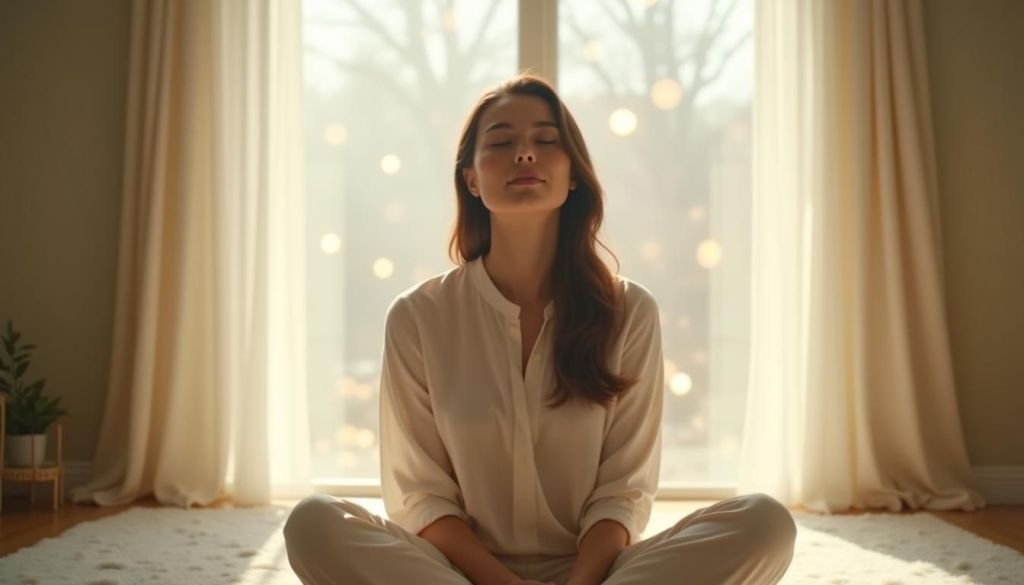
*More Mindfulness, not meaning to be judgemental, can you ever have too much mindfulness? Personally I don’t think you can, but you certainly can have too little!
Ever found yourself scrolling through social media, feeling a pang of something – maybe envy, maybe self-criticism – as you look at someone else’s seemingly perfect life? Or perhaps you’ve replayed an awkward conversation in your head a dozen times, cringing at what you said or didn’t say. We all do it. Our minds are brilliant at making snap judgments, labelling things as ‘good’ or ‘bad’, ‘right’ or ‘wrong’. But what if there was a way to just… notice? To observe what’s happening, both around you and inside your own head, without immediately slapping a label on it or getting swept away by a storm of emotions? This is where a powerful skill called non-judgmental observation comes in. It’s a cornerstone of mindfulness, a practice that’s becoming increasingly popular for a very good reason. This post is all about diving deep into what non-judgmental observation truly means, why it’s so incredibly important for our well-being – especially in today’s fast-paced and often overwhelming world – and how you can start to cultivate this skill to navigate life with a bit more calm, clarity, and understanding. It’s not about becoming an emotionless robot; it’s about becoming a wiser, more present version of yourself.
The idea of observing our minds without getting caught up in the drama isn’t brand new; in fact, it has ancient roots. Practices that emphasise mindful awareness, including non-judgmental observation, can be traced back thousands of years, particularly within Eastern contemplative traditions like Buddhism. Historical figures such as Siddhartha Gautama, the Buddha, spoke extensively about the nature of the mind and the importance of developing clear awareness to understand suffering and cultivate peace, around the 5th century BCE. These weren’t religious dogmas in the way we might think of them today, but rather profound psychological insights into the human condition. For centuries, these practices remained largely within monastic settings or specific cultural contexts in Asia. However, the 20th century saw a fascinating shift. Scholars, philosophers, and spiritual seekers from the West began to explore these Eastern traditions, translating ancient texts and bringing back practices that resonated with a growing desire for deeper self-understanding and alternative approaches to well-being. Think of it like a slow-burn discovery, with individuals like D.T. Suzuki playing a key role in introducing Zen Buddhist concepts to Western audiences in the mid-1900s. The real game-changer for bringing non-judgmental observation into the mainstream, especially in a secular, accessible way, came in the late 1970s. This is where Professor Jon Kabat-Zinn, a scientist at the University of Massachusetts Medical School, enters the picture. In 1979, he developed Mindfulness-Based Stress Reduction (MBSR), a structured eight-week programme initially designed to help patients dealing with chronic pain and stress-related conditions [1]. A core component of MBSR? You guessed it: cultivating non-judgmental observation of one’s thoughts, feelings, and bodily sensations. Kabat-Zinn famously defined mindfulness as “paying attention in a particular way: on purpose, in the present moment, and non-judgmentally” [1]. This secular approach, grounded in scientific research demonstrating its benefits, paved the way for mindfulness to enter hospitals, clinics, schools, and even businesses. The 21st century has seen an explosion of interest, research, and application, making mindfulness and its core skills more relevant than ever.
So, what exactly are we talking about when we use the term “non-judgmental observation”? Let’s break it down. The “observation” part is about paying deliberate attention to whatever is happening in your present experience. This isn’t just about looking at the world around you, like noticing the colour of the sky or the sound of traffic. It also, crucially, involves turning your attention inwards. What thoughts are drifting through your mind right now? What emotions are you feeling? What physical sensations are present in your body – a tightness in your shoulders, a flutter in your stomach, the feeling of your feet on the floor? It’s like becoming a curious scientist of your own inner world, simply noticing the data as it arises. The “non-judgmental” part is where things often get a bit tricky, but it’s also where the real magic lies. It means observing these thoughts, feelings, and sensations without immediately labelling them as ‘good’ or ‘bad’, ‘right’ or ‘wrong’, ‘pleasant’ or ‘unpleasant’. It’s about suspending that inner critic, that part of your mind that’s always evaluating, comparing, and, well, judging. For example, instead of thinking, “Ugh, I’m feeling so anxious, this is awful, I need to stop it,” a non-judgmental observation might be, “Okay, I notice a feeling of tightness in my chest and my heart is beating a bit faster. My mind is telling me this is anxiety.” See the difference? You’re acknowledging the experience without adding a layer of negative commentary or resistance. It’s about accepting that the thought or feeling *is* present, without necessarily agreeing with its content or believing it defines you. This practice helps us see our thoughts as just thoughts – mental events passing through – rather than undeniable truths or commands we must obey. Similarly, it allows us to experience emotions as transient states, like weather patterns moving through the sky, rather than becoming completely consumed by them. The aim isn’t to suppress thoughts or emotions, or to become indifferent, but rather to relate to them with a greater sense of clarity, calm, and wisdom.
Now, why would anyone want to cultivate this skill? It sounds simple, maybe even a bit passive, but the benefits of regularly practising non-judgmental observation are surprisingly profound and wide-ranging, especially for navigating the rollercoaster of teenage years and young adulthood. One of the most well-documented benefits is stress reduction. When something stressful happens, our minds often jump to worst-case scenarios or get stuck in a loop of worry. Non-judgmental observation helps create a tiny bit of space between the stressful event (the stimulus) and our reaction to it. By observing our anxious thoughts and physical stress responses without immediately getting carried away by them, we can often lessen their intensity. It’s like turning down the volume on the mental chatter. Research on programmes like MBSR, which heavily feature non-judgmental observation, consistently shows significant reductions in perceived stress [4]. Closely related is improved emotional regulation. We all experience a wide range of emotions, from joy and excitement to sadness, anger, and fear. Sometimes these emotions can feel overwhelming. Non-judgmental observation teaches us to acknowledge our emotions without being hijacked by them. Instead of reacting impulsively when you feel angry, you might notice, “Ah, there’s that feeling of anger rising – I feel heat in my face, my fists are clenching.” This moment of observation gives you a choice in how to respond, rather than just lashing out. It’s about understanding your emotions as important signals, but not letting them dictate your every action. This practice also leads to increased self-awareness. By consistently observing your thoughts, feelings, and bodily sensations without judgment, you start to notice patterns. What situations tend to trigger certain thoughts or emotions? What are your common go-to reactions? This kind of insight is invaluable for personal growth and understanding why you do the things you do. It’s like getting a user manual for your own mind. Many people find that it improves focus and concentration. Our minds are often described as “monkey minds,” jumping from one thought to another. The practice of bringing your attention back, again and again, to the present moment – whether it’s your breath, a sound, or a sensation – is like a workout for your attention muscle. This can be incredibly helpful for studying, listening in class, or engaging more fully in conversations. Interestingly, non-judgmental observation can also foster enhanced empathy and compassion, both for ourselves and for others. When we practise being less judgmental towards our own inner experiences, we often become more accepting and understanding of others. If you can observe your own “negative” thoughts without harsh self-criticism, you might find it easier to understand that others have their struggles too. As the Venerable Henepola Gunaratana, a Buddhist monk and author, explains, “Mindfulness is non-judgmental observation. It is that ability of the mind to observe without criticism. With this ability, you see things without condemnation or judgment. You see things as they are.” [5] This perspective can dramatically improve our relationships. Finally, it promotes cognitive flexibility. We all have habitual ways of thinking, some of which can be unhelpful or even harmful (like constant self-criticism or pessimistic thinking). Non-judgmental observation allows us to see these thought patterns more clearly, to recognise them as just patterns, and to begin to disengage from them. This creates space for new, more constructive ways of thinking and responding to life’s challenges.
Alright, so non-judgmental observation sounds pretty useful. But how do you actually *do* it? It’s not like flipping a switch; it’s a skill that, like any other, gets better with practice. The good news is there are many ways to cultivate it, ranging from formal meditation practices to simple techniques you can weave into your daily life. Formal mindfulness practices are structured exercises designed to train your attention and develop non-judgmental awareness. One classic technique is the body scan meditation. This involves lying down and systematically bringing your attention to different parts of your body, from your toes to the top of your head, simply noticing any sensations present – tingling, warmth, tightness, numbness, or perhaps no sensation at all – without judging them or trying to change them. If your mind wanders (and it will!), you gently guide it back to the part of the body you were focusing on. This practice is brilliant for connecting with your physical self and observing sensations as they are. Another cornerstone is sitting meditation, often focusing on the breath. You find a comfortable seated position, close your eyes or lower your gaze, and bring your attention to the physical sensations of breathing – the rise and fall of your chest or abdomen, the air moving in and out of your nostrils. When thoughts, emotions, or sounds arise, you acknowledge them non-judgmentally (“thinking,” “feeling,” “hearing”) and then gently return your focus to your breath. The breath acts as an anchor to the present moment. It’s not about *stopping* thoughts; it’s about changing your relationship to them, seeing them come and go without getting swept away. **Walking meditation** is another powerful formal practice. Instead of rushing from A to B, you slow down and pay close attention to the sensations of walking – your feet lifting, moving through the air, touching the ground. You observe the movement, the balance, the environment around you, again with that open, non-judgmental awareness. Beyond these formal practices, you can cultivate non-judgmental observation through **informal mindfulness** throughout your day. This means bringing mindful attention to everyday activities. For example, **mindful eating**: instead of wolfing down your food while scrolling on your phone, try paying attention to the colours, smells, textures, and tastes of your meal. Notice the sensations of chewing and swallowing. Observe any judgments that arise (“this isn’t as good as yesterday’s lunch”) and just let them pass. You can practise **mindful listening** during a conversation. Instead of planning what you’re going to say next or judging the other person’s words, try to really listen, to fully take in what they’re saying, both verbally and non-verbally, with an open and curious attitude. Similarly, everyday chores like washing dishes or brushing your teeth can become opportunities for non-judgmental observation. Feel the warm water on your hands, notice the scent of the soap, observe the movements, all without needing to rush or think about a million other things. A key attitude to bring to all these practices is what Zen master Shunryu Suzuki called “Beginner’s Mind.” In his influential book, *Zen Mind, Beginner’s Mind*, he wrote, “In the beginner’s mind there are many possibilities, but in the expert’s there are few.” [2] Approaching your experiences, even familiar ones, with this sense of fresh curiosity, as if you’re encountering them for the first time, helps to suspend ingrained judgments and assumptions. It allows you to truly see what *is*, rather than what you expect or think *should be*.
As beneficial as non-judgmental observation is, it’s not always easy, especially when you’re just starting out. It’s natural to encounter a few bumps in the road, and there are some common misconceptions that can get in the way. Perhaps the most frequent challenge people report is: “I can’t stop my thoughts, so I must be doing it wrong.” This is a huge misunderstanding! The goal of non-judgmental observation, particularly in mindfulness meditation, isn’t to silence your mind or get rid of all thoughts. That’s pretty much impossible for most of us – our brains are thinking machines. Instead, the aim is to become *aware* of your thoughts, to observe them as they arise and pass, without getting entangled in them or judging yourself for having them. It’s about shifting from being *in* the thought-storm to watching the storm from a calm, steady place. Another common misconception is that non-judgmental observation means being passive, indifferent, or condoning harmful behaviour. People sometimes worry that if they observe something negative without immediately judging it as “bad,” they’re somehow accepting it or saying it’s okay. This isn’t the case. Non-judgmental observation is about seeing things clearly *first*, so that any action you take afterwards is more considered, wise, and less reactive. It’s about understanding a situation fully before deciding on the most appropriate response. You can non-judgmentally observe your anger at an injustice, for example, which can then fuel compassionate and effective action, rather than a blind, impulsive rage. Some people also think it should be an instantly calming or blissful experience, and get discouraged when it isn’t. While calmness can be a byproduct, the practice itself can sometimes involve noticing uncomfortable feelings or restless thoughts. The skill lies in staying present with whatever arises, pleasant or unpleasant, without needing it to be different. It’s a training in acceptance, not an escape route from reality. And like any skill, it takes consistent effort; it’s a practice, not a perfect. Finally, there’s a misconception that non-judgmental observation is about suppressing or denying your emotions. It’s quite the opposite. It’s about allowing yourself to truly feel your emotions, to acknowledge their presence fully, but without the added layer of judgment that often intensifies them or makes them stick around longer. You’re giving them space to be, which, paradoxically, often allows them to shift and pass more easily. You learn that you are not your emotions; you are the awareness that observes them. Recognising these challenges and misconceptions can make the journey of cultivating non-judgmental observation a bit smoother and more realistic.
The increasing interest in non-judgmental observation and mindfulness more broadly isn’t just a fleeting trend; it reflects a deeper societal need. We live in an age of information overload, constant connectivity, and immense pressure to achieve, succeed, and present a perfect image, especially for young people navigating social media and academic demands. Non-judgmental observation offers a powerful antidote, a way to cultivate an inner refuge of calm and clarity amidst the external chaos. Its integration into educational settings is particularly promising. Schools are beginning to recognise that skills like emotional regulation, stress management, and focused attention – all nurtured by non-judgmental observation – are crucial for academic success and overall well-being [6]. Imagine classrooms where students are better equipped to handle exam stress or navigate social conflicts with greater awareness and less reactivity. The implications for mental health are significant. While not a replacement for therapy in cases of severe mental illness, practising non-judgmental observation can be a valuable tool for preventing the escalation of everyday stress into more serious conditions like anxiety or depression. By learning to observe their thoughts and feelings without automatically buying into negative narratives, individuals can develop greater psychological resilience. Dr. Kristin Neff, a leading researcher in self-compassion (which is closely linked to non-judgmental observation of oneself), highlights how being kind and understanding towards ourselves, especially when we make mistakes or feel inadequate, is crucial for emotional health [7]. However, it’s important to approach this with a balanced perspective. The popularity of mindfulness has led to what some critics call “McMindfulness” – a term explored by academics like Ronald Purser, suggesting a commodification and potential dilution of these profound practices, sometimes stripping them of their ethical foundations and deeper contemplative roots for quick-fix consumer appeal [8]. There’s a risk that it can be marketed as a panacea, a cure-all for every problem, which it is not. Non-judgmental observation is a skill, a tool, and its effectiveness can depend on the individual, the context, and the quality of instruction. It’s also crucial to acknowledge that for individuals with a history of significant trauma, some mindfulness practices, if not approached carefully and with professional guidance, could potentially be dysregulating. Therefore, seeking guidance from qualified and experienced teachers or therapists is often recommended, especially when dealing with more complex emotional challenges. The future likely lies in more nuanced applications, tailored to specific needs and populations, ensuring that the integrity of the practice is maintained while making its benefits accessible.
In essence, non-judgmental observation stands as a remarkably powerful yet deceptively simple skill at the heart of mindfulness. It’s about training our minds to pay attention to the present moment – to our thoughts, feelings, bodily sensations, and surroundings – with a spirit of curiosity and acceptance, rather than through the often-distorting lens of judgment. We’ve seen how this practice, with roots stretching back centuries, has found profound relevance in our modern world, offering tangible benefits for reducing stress, enhancing emotional regulation, boosting self-awareness, and improving focus. It’s not about achieving a blank mind or an emotionless state, but about fundamentally changing our relationship with our inner experiences, allowing us to navigate life’s inevitable ups and downs with greater wisdom and resilience. The journey of cultivating non-judgmental observation is indeed a practice – a continuous unfolding rather than a fixed destination. It requires patience, kindness towards oneself, and a willingness to meet each moment with a beginner’s mind. The insights gained can be transformative, helping us to break free from unhelpful mental habits and to connect more authentically with ourselves and the world around us. As you move through your days, surrounded by endless stimuli and internal chatter, consider this: what might shift in your experience if you chose to observe, just for a moment, without the immediate rush to judge? How could one small act of non-judgmental observation today open up a little more space for peace or understanding in your life?
References and Further Reading:
1. Kabat-Zinn, J. (2013). *Full catastrophe living (revised edition): How to cope with stress, pain and illness using mindfulness meditation*. Piatkus.
2. Suzuki, S. (1970). *Zen Mind, Beginner’s Mind*. Weatherhill.
3. Williams, M., & Penman, D. (2011). *Mindfulness: A Practical Guide to Finding Peace in a Frantic World*. Piatkus.
4. Grossman, P., Niemann, L., Schmidt, S., & Walach, H. (2004). Mindfulness-based stress reduction and health benefits: A meta-analysis. *Journal of Psychosomatic Research, 57*(1), 35–43.
5. Gunaratana, H. (2011). *Mindfulness in Plain English* (Anniversary ed.). Wisdom Publications.
6. Felver, J. C., Celis-de-Hoyos, C. E., Tezanos-Pinto, P., & Singh, N. N. (2016). A Systematic Review of Mindfulness-Based Interventions for Youth in School Settings. *Mindfulness, 7*(1), 34–45.
7. Neff, K. (2011). *Self-Compassion: Stop Beating Yourself Up and Leave Insecurity Behind*. Hodder & Stoughton.
8. Purser, R. (2019). *McMindfulness: How Mindfulness Became the New Capitalist Spirituality*. Repeater Books.
9. Mindful.org – A website with many articles, resources, and guided practices on mindfulness.
10. Headspace or Calm apps – Popular apps that offer guided meditations and mindfulness exercises (often subscription-based but may have free introductory content).
11. Thich Nhat Hanh. (1991). *Peace Is Every Step: The Path of Mindfulness in Everyday Life*. Bantam Books.





 Conversations with AI
Leave a comment