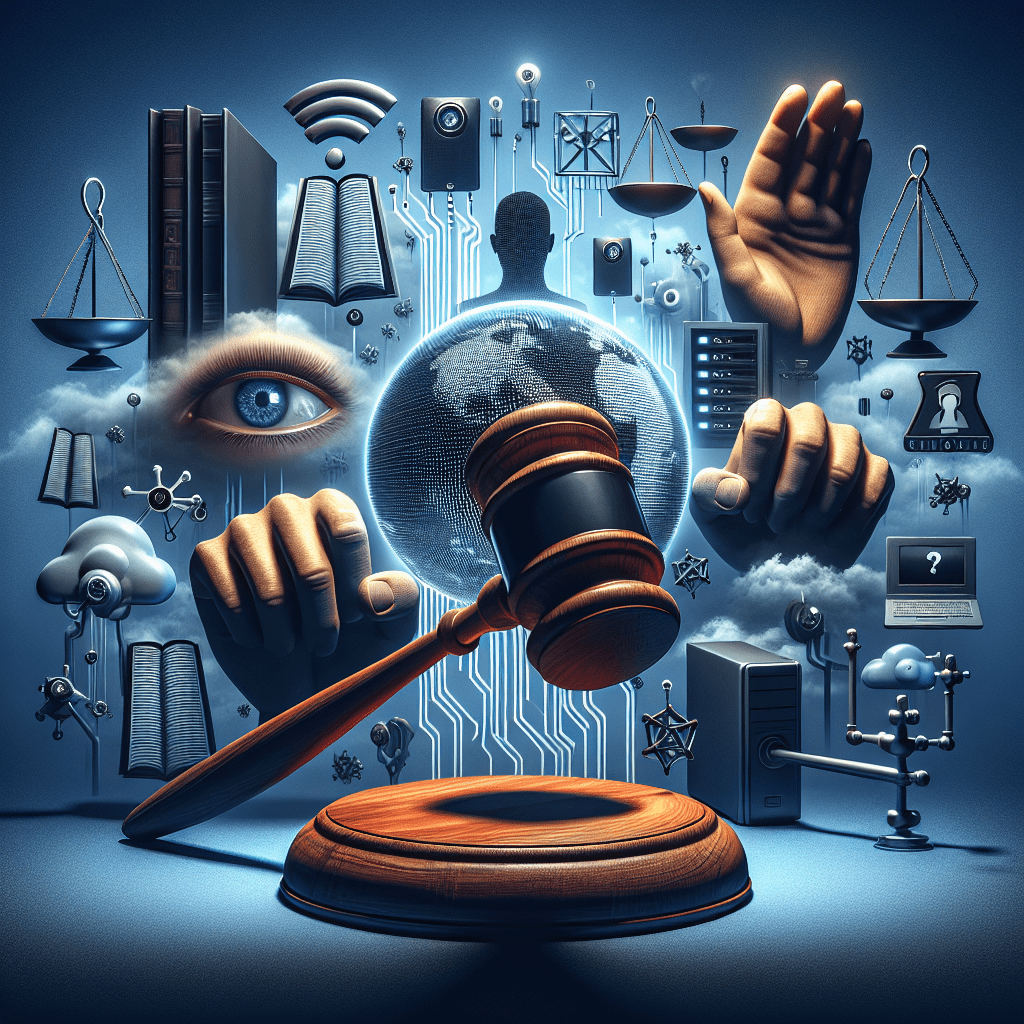
In an era where sharing information is an everyday activity, the issue of data privacy continues to gain significant scholarly and public attention. The capacity of entities to harvest, share, and use our personal data means that we must now more than ever wield a clear understanding of this issue. This article looks to delve into the subject of data privacy and its related ethics. It aims at considering numerous perspectives, to ensure a broader understanding of its implications on our lives and the way we interact in society.
Data privacy, in the simplest form, concerns how data—predominantly personal information—is collected, stored, processed, and disseminated. In an age pivoted on data, ethics implies that all these processes ought to respect individual and collective rights and interests. Yet, this was not much of an issue until past decades. With the boom of technology and internet culture, however, issues surrounding data privacy soared drastically. The Cambridge Analytica scandal in 2018(1) was a momentous event that brought about a profound public understanding and dissatisfaction towards the extensive profiling and targeting practices that had become commonplace in the digital business.
The discussion on data privacy ethics can be split into several focus areas.
The dichotomy of Transparency and Privacy
Transparency is a crucial ethical aspect that encourages honesty and openness but it obsessively contradicts the principles of privacy. The GDPR in the EU, for example, strives to regulate digital business’s transparency, making it mandatory for entities to disclose how user data will be used(2). This, however, opens the gates for a seldom discussed paradox, should people give up their privacy for greater transparency and thereby security?
The Issue of Ownership
While data privacy rules suggest that individuals have the right to their data, determining who precisely owns such information has become problematic, particularly when consent to process is granted. This becomes particularly pertinent in multi-national corporations where data can transcend borders.
The Role of Governance
Governance-related ethical challenges also exist. Government surveillance, such as the American NSA’s global monitoring and data collection for supposedly maintaining national security(3), coupled with company data heists, raises issues surrounding the use, misuse, and protection of our personal information.
Without doubt, the increasing reliance and integration of technology and the internet into daily life have propelled the need to deal with data privacy issues. As emphasised by Parminder Jeet Singh, the executive director of IT for Change, “Data is the new raw material, stake or renaissance — it depends on how you see it… [it is not] the new oil — oil is scarce… the laws of economics that are based on scarcity do not apply”(4).
In terms of implications, the ethical dilemmas surrounding data privacy trace back to conflicting principles; the likes of transparency, privacy, free will and security, to mention but a few. Its future also remains controversial. With Artificial Intelligence and Machine Learning advancements, data privacy protection might become even more complex to understand and regulate.
On the other hand, data privacy ethics are a societal responsibility. It might become crucial for continued advancements in the digital world by advocating for design ethics and cultivating public awareness. Indeed, whether these issues shape or disrupt our future society remains an open-ended question that calls for continued research, deliberation, and ultimately, decision-making.
Finally, for those interested in researching further, ‘Data for the Public Good’ by Alex Pentland, and ‘Data Ethics — The New Competitive Advantage’ by Gry Hasselbalch and Pernille Tranberg, provide thorough insights into the subject.
References
- Cadwalladr, C. and Graham-Harrison, E. (2018) ‘Revealed: 50 million Facebook profiles harvested for Cambridge Analytica in major data breach’, The Guardian.
- European Union (2016) ‘Regulation (EU) 2016/679 of The European Parliament and of The Council of 27 April 2016’.
- Greenwald, G. (2013) ‘NSA collecting phone records of millions of Verizon customers daily’, The Guardian.
- Singh, P. J. (2019) ‘Data is the New Raw Material, Stake or Renaissance — It Depends on How One Sees It’, eGov.
Suggested Further Reading
- Alex Pentland, Data for the Public Good.
- Gry Hasselbalch and Pernille Tranberg, Data Ethics — The New Competitive Advantage.





 Conversations with AI
Leave a comment