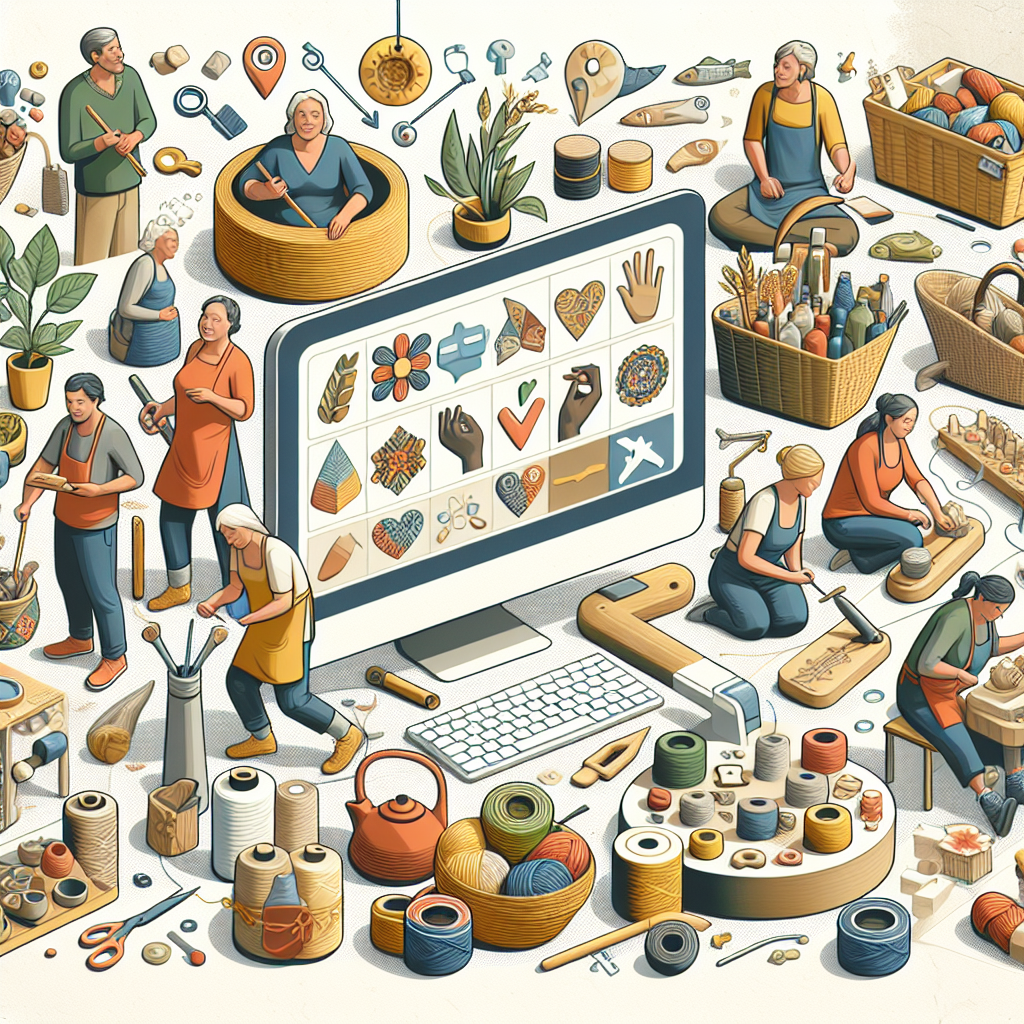
The resurgence of traditional crafts is a trend that has been gaining momentum over the past decade as more people turn away from mass-produced goods in favour of handmade, artisanal products. This phenomenon can be attributed to a growing awareness of sustainability and a desire to support local, often independent artisans. As people become increasingly concerned with the environmental and ethical implications of their purchases, the appeal of crafts that use natural materials and age-old techniques continues to grow. “The beauty of traditional craft lies in its ability to connect us with our history while addressing modern challenges,” says Dr Emma Turner, a cultural historian specialising in material culture.
Craftsmanship not only offers an antidote to the impersonal nature of mass production but also carries a deeper connection and appreciation for the time, skill, and artistry involved in creating each piece. The shift to traditional crafts is often viewed as a rejection of the disposable culture fostered by fast fashion and consumerism. People are seeking products with stories and heritage, which handmade items inherently possess. As Sarah Jones, a renowned artisan and crafts mentor, explains, “Each hand-crafted item tells a unique story, imbuing it with a soul and a semblance of eternity.”
The rise of digital marketplaces has also played a significant role in the revival of traditional crafts. Platforms like Etsy and local online stores offer artisans a global stage from which to sell their work, enabling them to reach an audience that values authenticity and quality. These virtual marketplaces have democratised the craft economy and provided a sustainable livelihood for many skilled artisans. Entrepreneur and digital marketing strategist Alice Thompson notes, “What we’re seeing now is a renaissance of traditional skills; the digital world providing a platform that amplifies individual creativity to a larger audience.”
Educational initiatives and craft workshops have further fuelled the resurgence by inspiring new generations to preserve these age-old skills. Crafts such as pottery, woodwork, weaving, and even blacksmithing are being taught more widely in community settings and educational institutions, ensuring these skills are not lost to time. Jane Smith, head of a popular crafts learning centre in Yorkshire, states, “Craft teaches us patience and the joy of creating with our own hands, a valuable antidote to our fast-paced, digital lives. The skills acquired can also lead to meaningful employment in a more sustainable world.”
Ultimately, the resurgence of traditional crafts reflects a broader societal movement towards sustainability, mindfulness, and community. By investing in artisanal products, consumers are not only choosing quality over quantity but also supporting a cultural shift that values creative expression and environmental consciousness. This movement brings hope for a future where the tradition of craftsmanship continues to flourish and evolve. As Sir Nicholas Stanley, a noted economist and social commentator, puts it, “Traditional crafts represent a fusion of innovation and heritage, guiding us toward a harmonious balance between progress and preservation.”





 Conversations with AI
Leave a comment