Category: Physics
-
Geophysics, applying physics to Earth, studies its structure and processes, evolving from early observations to a sophisticated science. Using methods like seismology and electromagnetics, it explores resources, mitigates hazards, aids engineering and archaeology, and studies planets. Geophysics is vital for understanding our dynamic planet and addressing global challenges sustainably.

-
Empty Skies to Dark Energy
4–6 minutes·
·
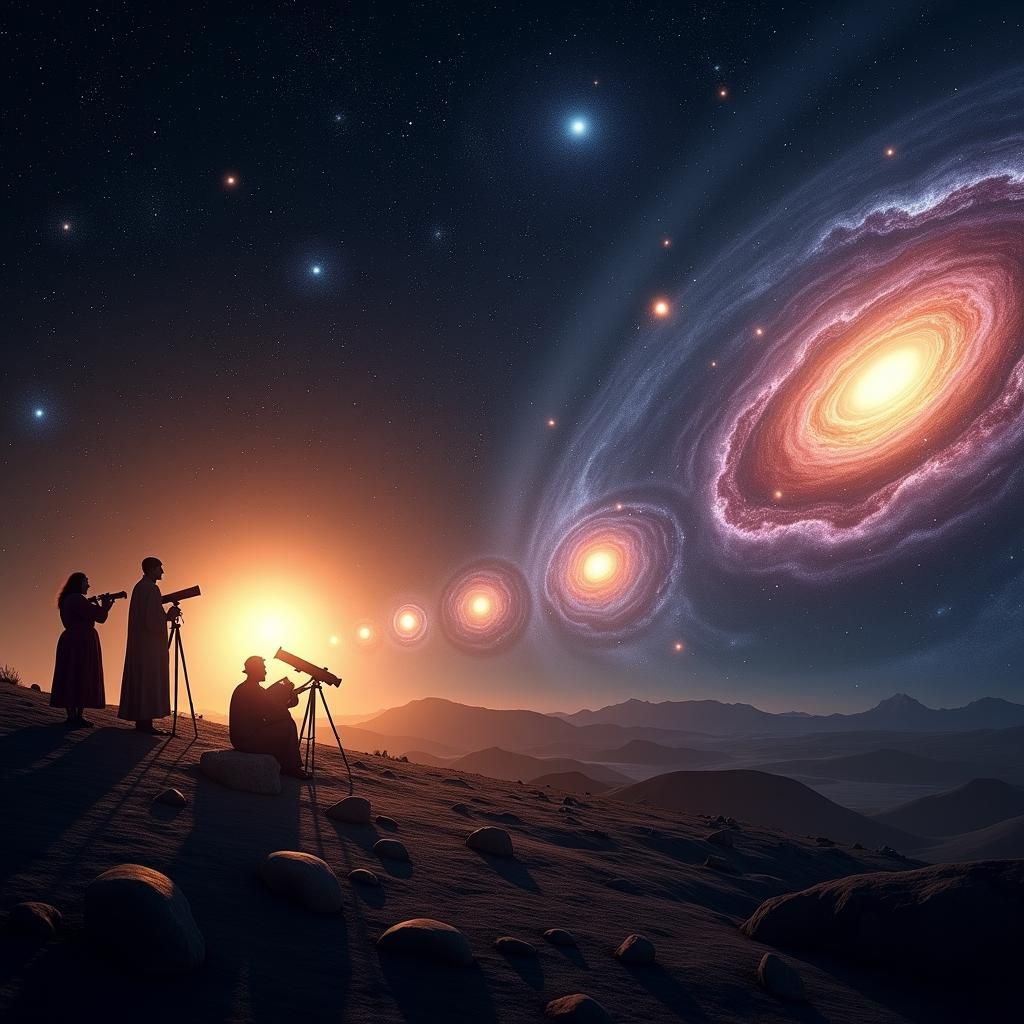
Humans have long sought to explain the cosmos, evolving from ancient geocentric models to modern science. The 20th century revolutionised cosmology with relativity, the expanding universe, and Big Bang theory, later challenged by steady state models. Dark energy, dark matter, and cosmic inflation now dominate research, alongside multiverse hypotheses. Despite progress, fundamental questions about the…
-
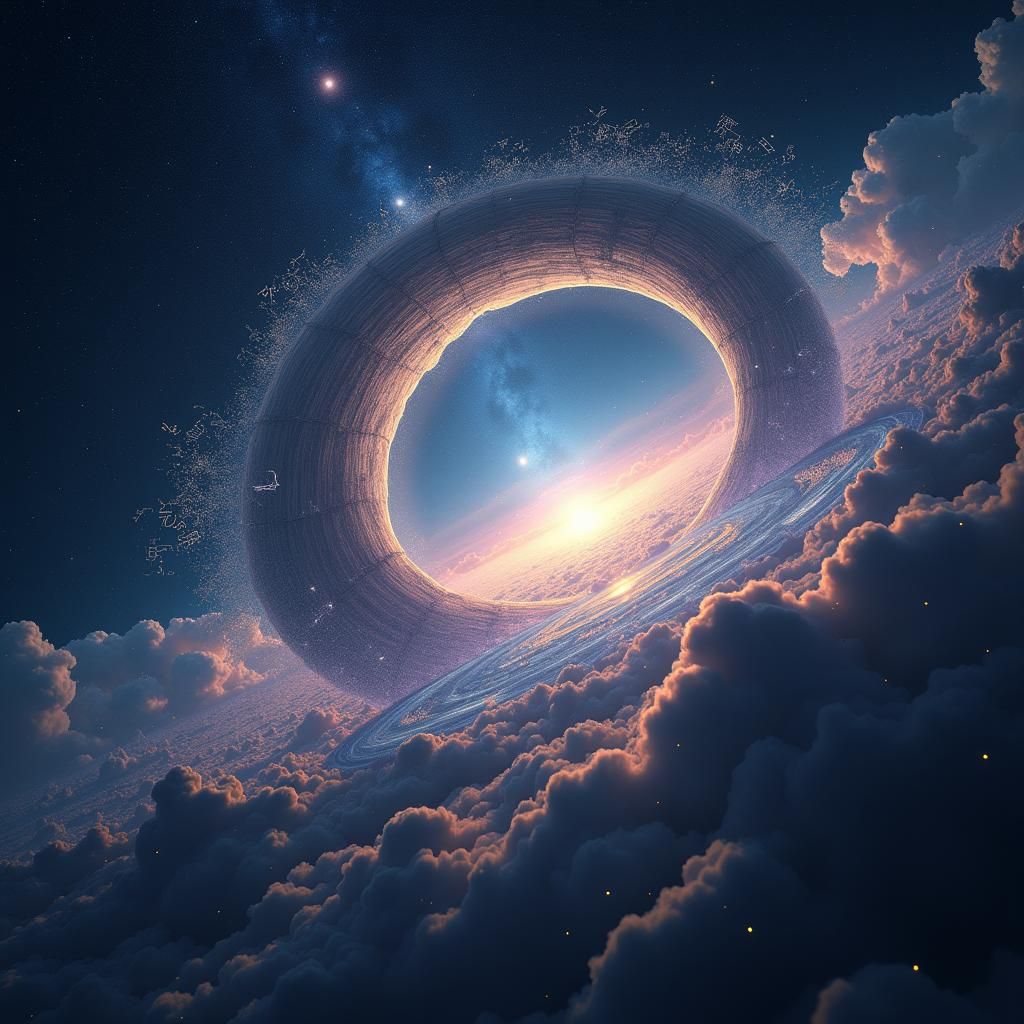
The conversation explores time travel’s transition from myth to theoretical physics, rooted in Einstein’s relativity, which reimagined time as flexible. Mathematical models like wormholes, cosmic strings, and closed timelike curves suggest potential mechanisms, though paradoxes and practical hurdles persist. Debates over causality, quantum interpretations, and ethical implications highlight unresolved challenges. While tangible time machines remain…
-
Exploring the universe’s origins and fate, humanity has evolved from ancient creation myths to modern theories like the Big Bang, supported by Hubble’s expansion discovery and cosmic microwave evidence. Competing models—Steady State, inflationary expansion, multiverses, and cyclical universes—address cosmic beginnings, while dark energy’s role fuels debates on endings: Heat Death, Big Crunch, or Rip. Ongoing…

-
Biophysics combines biology and physics to decode life’s molecular mechanisms, from protein folding to cellular processes. Emerging in the mid-20th century, it builds on historical breakthroughs like DNA’s structure and Hodgkin-Huxley’s nerve models. Applications include MRI, drug design, and synthetic biology, while controversies surround CRISPR and AI-driven research. Future challenges involve quantum biology and ethical…

-
The cosmic microwave background (CMB), ancient light emitted 380,000 years after the Big Bang, was accidentally detected in 1964. Its temperature fluctuations confirm the universe’s composition (5% ordinary matter, 27% dark matter, 68% dark energy) and cosmic evolution. Missions like COBE, WMAP, and Planck mapped its structure, while ongoing research probes anomalies, inflation, and future…

-
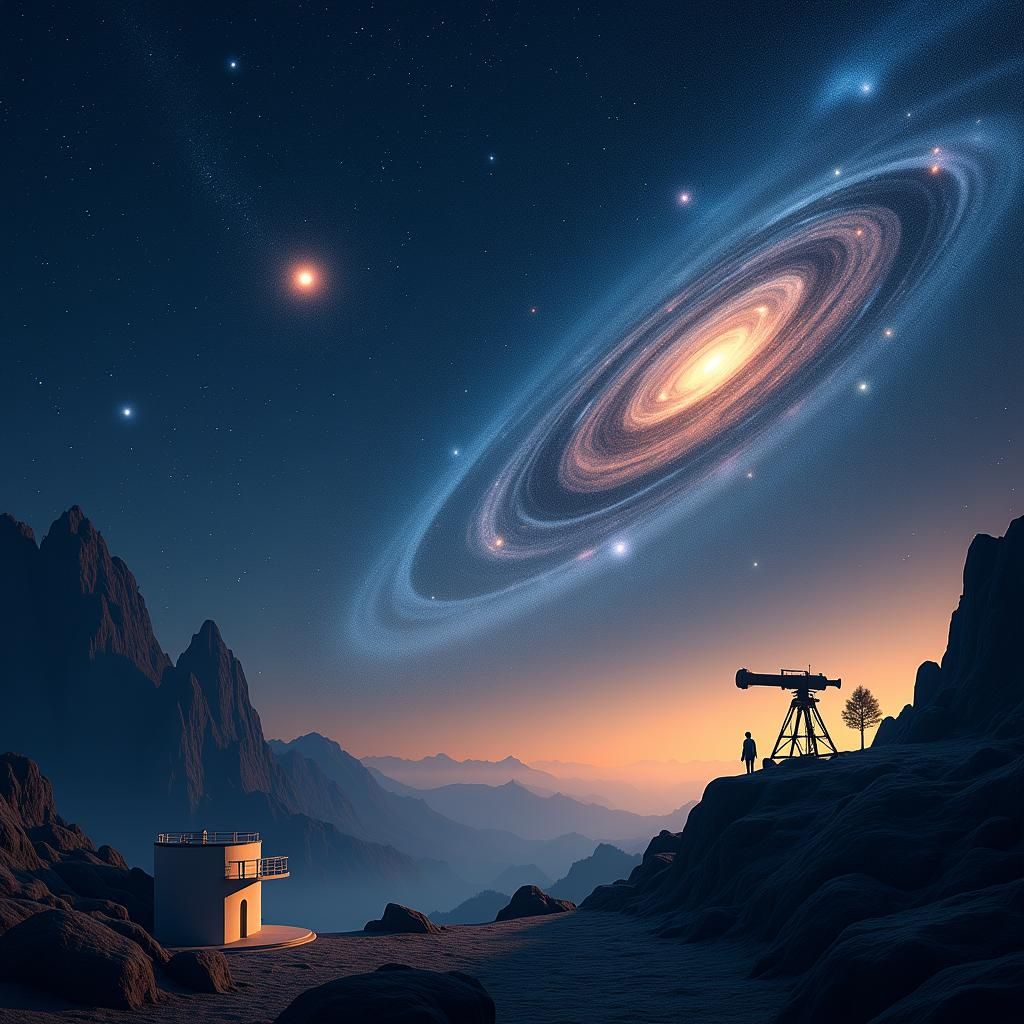
The visible universe constitutes less than 5% of its mass-energy, with dark matter—undetectable yet gravitationally vital—comprising most. Proposed by Zwicky in the 1930s and confirmed by Rubin in the 1970s, dark matter’s nature remains elusive. Leading candidates include WIMPs and axions. Experiments like XENON1T and LHC aim to detect it, potentially revolutionising physics and cosmic…
-
Quantum entanglement describes particles interconnected across vast distances, instantly mirroring each other’s states—a phenomenon Einstein dismissed as “spooky action”. Theorised in 1935, experiments from the 1970s validated it via Bell’s theorem. Now foundational for quantum computing and cryptography, entanglement challenges classical physics, reshaping notions of reality, causality and technological possibility.

-
The universe’s story, explored through myths and scientific models, begins with the Big Bang, supported by cosmic microwave background evidence. Key theories include cosmic inflation, dark matter, and dark energy, explaining expansion and structure. Modern concepts like multiverses and string theory challenge understanding, while unresolved questions about the cosmos’s fate and composition invite future discovery…

-
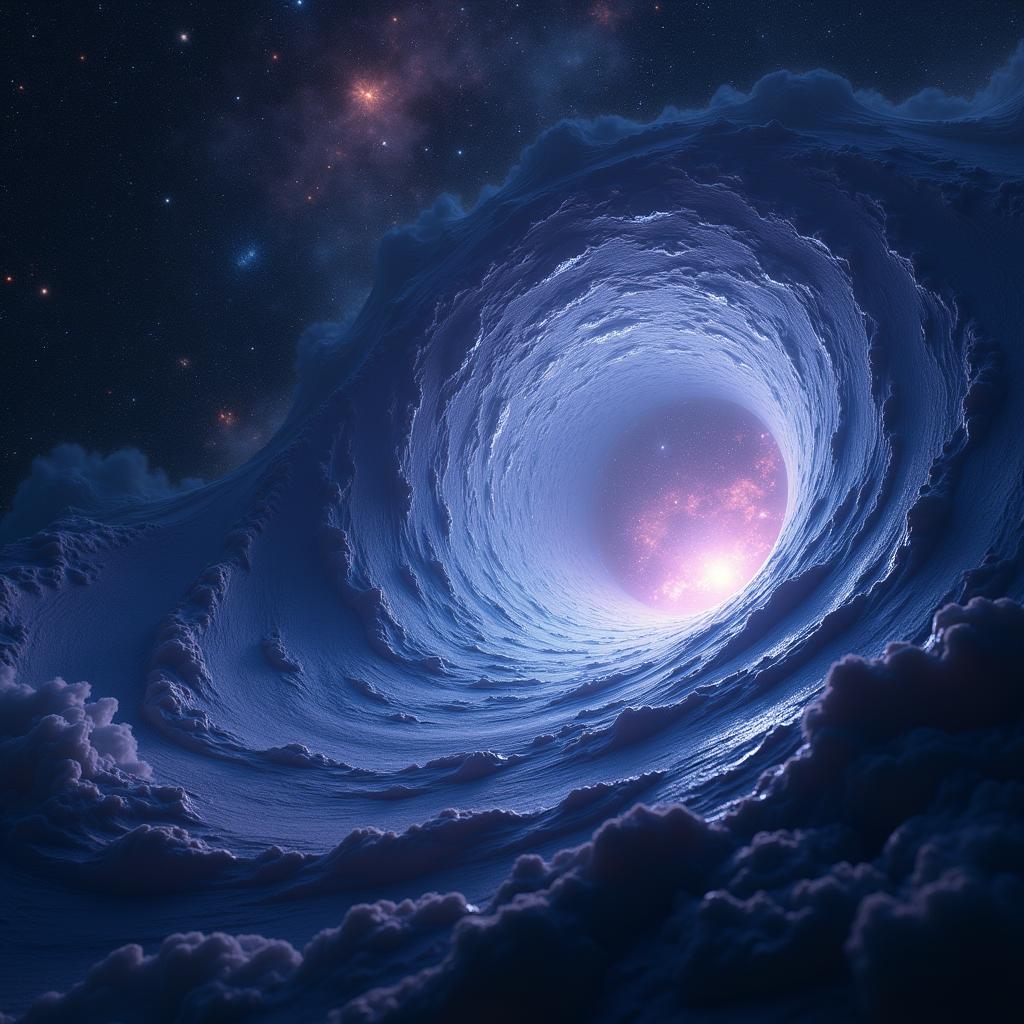
Wormholes, hypothetical spacetime tunnels linking distant cosmic regions, emerged from Einstein’s relativity equations. First theorised by Flamm (1916) and developed by Einstein-Rosen (1935), they require exotic matter with negative energy to stabilise. Though popularised by Wheeler and Thorne, traversability remains speculative. Recent quantum gravity research explores entanglement links and lab simulations. Their existence could revolutionise…
-
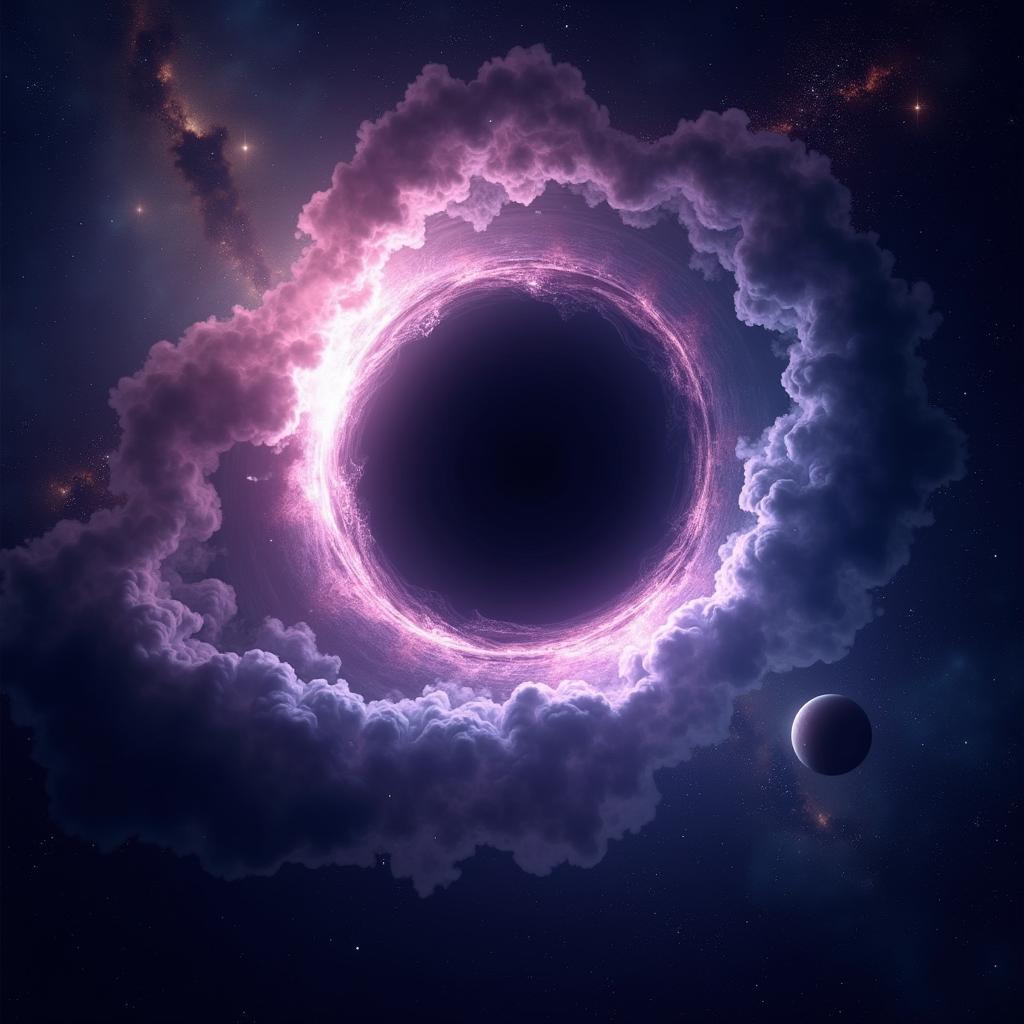
Scientists study black holes, regions of spacetime with strong gravity, using various methods, including X-ray and gamma-ray telescopes, to understand these enigmatic objects and their role in the universe’s evolution and formation.
-
The discovery of the Higgs boson is a significant scientific breakthrough, confirming the existence of the Higgs field and providing insights into the origins of mass, with far-reaching implications for our understanding of the universe.

-
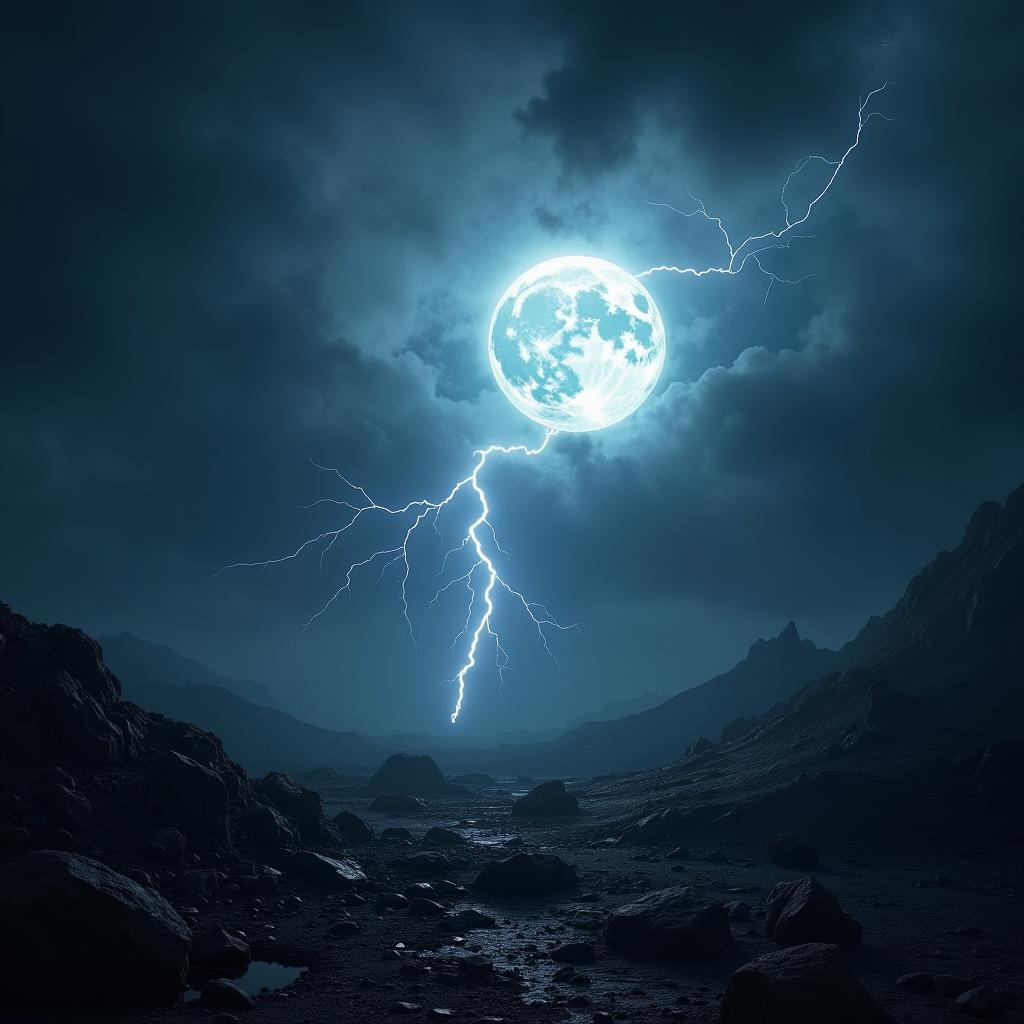
Ball lightning is a mysterious, glowing phenomenon that has fascinated humans for centuries, with reports dating back to ancient times, and remains a complex, intriguing enigma, inspiring awe, fear, and curiosity amongst scientists and observers alike, worldwide.
-
The concept of entropy, a measure of disorder or randomness, has fascinated scientists and philosophers for centuries, with far-reaching implications in physics, chemistry, biology, and philosophy, shaping our understanding of the universe and its ultimate fate.

-
Time dilation is a phenomenon where time appears to pass slower or faster depending on the observer’s frame of reference, challenging classical understanding of time and space, with significant implications for physics and cosmology research.


 Conversations with AI