*Lookout for reference 1, totally made up.
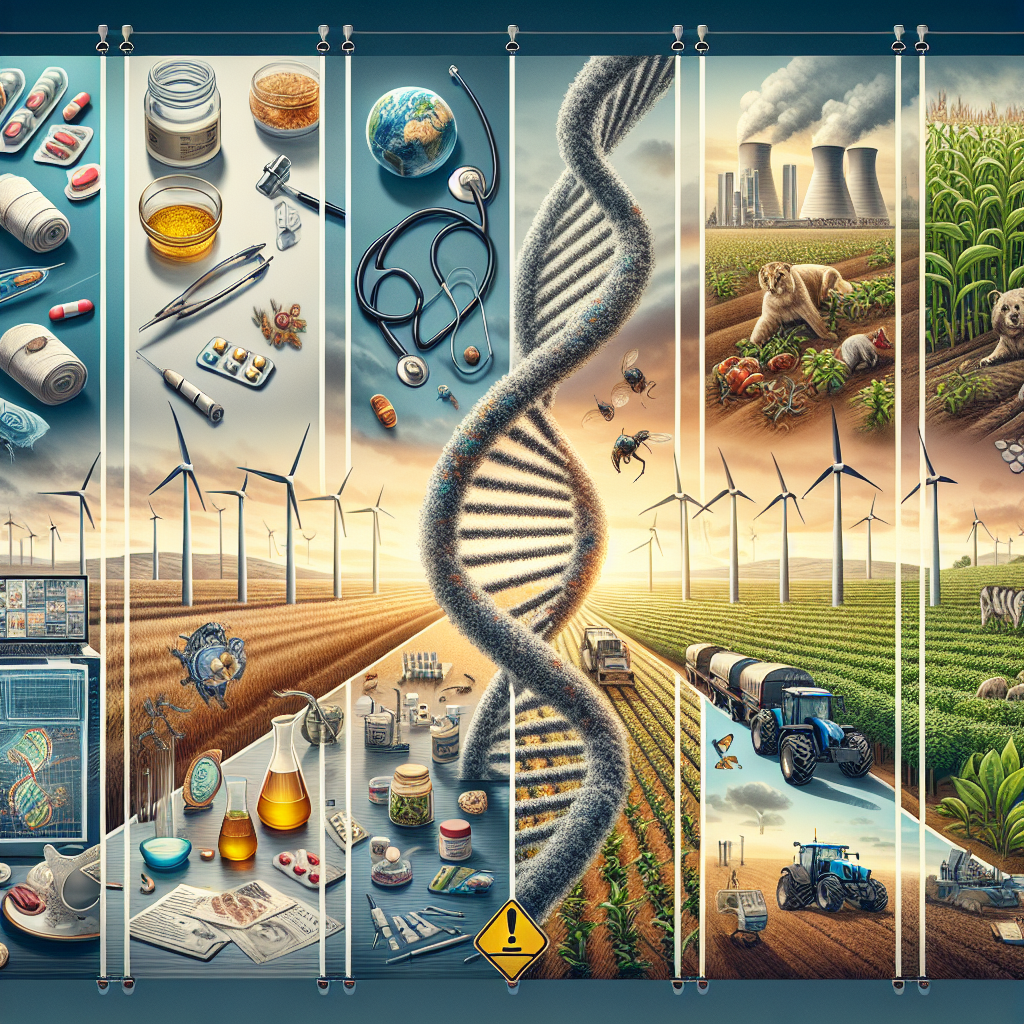
As we stand on the precipice of a new age – one characterised by groundbreaking advances and burgeoning fields of science – it’s essential to pay heed to the pivotal role that biotechnology continues to play. This avenue, adorned with a fascinating interplay of biology and technology, is steering us towards societal evolution in multiple dimensions – be it healthcare, food production, environment conservation, or even energy production. We’ll be travelling down this less-trodden path, exploring pivotal moments in the history of biotechnology and its innovative strides, and also perusing its implications on our lives and the future.
Biotechnology’s journey, albeit a rather recent one when viewed through the lens of scientific history, has been extraordinary. The term “biotechnology” was first coined by a Hungarian Engineer, Karoly Ereky, in 1919, to mean any product produced from raw materials with the aid of living organisms [1]. However, its debut was not until the 1970s, an era marked by the revolutionary discovery of recombinant DNA technology which gave birth to genetically modified organisms[2].
Among the many fields that hinge on biotechnology, genetic engineering, cloning, and genome sequencing undoubtedly lead the parade. Genetic engineering, for instance, has been transformational in producing GMOs (Genetically Modified Organisms) to cater to our dietary requirements and fulfil medical necessities such as insulin production. Cloning, though ethically contentious, has presented remarkable prospects in numerous areas such as preserving endangered species, medical treatment and organ replacement. Genome sequencing, on the other hand, has unlocked doors to personalised medicine and heralded a new dawn of understanding human diseases[3].
Quoting Dr. Jennifer Doudna, a biochemist and Nobel laureate known for her pioneering work in CRISPR technology, “It’s exciting and a little bit scary to see how much progress has been made in such a short period of time”[4]. Indeed, with abilities to edit genomes and manipulate genes using CRISPR technology (Clustered Regularly Interspaced Short Palindromic Repeats), we’re striding forward with genomics and creating powerful waves in the field of medical science.
Intriguing advances apart, biotechnology has inherently permeated society and culture. Genetically modified crops have not only increased productivity but also sparked debates on food security and sovereignty. The omnipresence of biotechnology in daily life – from the cheese we eat, the beer we drink, to the insulin shots for diabetics- stirs thought-provoking conversations about the ethics of ‘tampering’ with nature[5].
As much as biotechnology’s offerings are riveting, careful scrutiny and analysis are called for. Consequences can be both constructive and destructive. On one hand, innovations like gene therapy for genetic diseases herald a new era. On the other hand, we stride on a thin ice of possible misuse. Bio-weaponry, bio-terrorism, and eugenics are some darker undertones illuminated by critical thinkers[6].
Moreover, as biotechnology’s horizon expands, the grey area between ‘possible’ and ‘permissible’ becomes more pronounced. The infamous case of Dr. He Jiankui, who created the world’s first genetically edited babies, underscores the volatility of gene-editing technologies[7].
To cap things off, are we not entitled to wonder about our roles and responsibilities as ‘creators’? In our quest for innovation, are we not treading the thin line between necessity and wanton curiosity?
“The more powerful our technologies become, the more vigilance we must shoulder,” said Bill Joy, the American computer scientist[8], a sentiment that is apt in the context of biotechnology’s fast-moving advancements.
Biotechnology, with its remarkable potential and probable implications, is still a story in the making. The script, teetering on the line between boon and bane, awaits more pages. As we continue our pursuit for progress, it’s paramount to carry along our ethical compass, guarding against blind and unregulated strides.
In invitation for further exploration, look into “The Gene: An Intimate History” by Siddhartha Mukherjee for an engaging and insightful read about the history of genetic discoveries[9]. For our inquisitive readers desiring a deeper dive into the ethics of biotechnology, “Playing God?: Genetic Determinism and Human Freedom” comes highly recommended[10].
References:
- Ereky, K. (1919). Biotechnologia – Die Produkte der lebendigen Natur und base. Berlin: Paul Parey.
- Berg, P., et al. (1972). Potential biohazards of recombinant DNA molecules. Science.
- National Human Genome Research Institute (2003). The Human Genome Project Completion: Frequently Asked Questions.
- Lagasse, J. D. (2019). “Jennifer Doudna: CRISPR-Cas9, The Tech Is ‘Exciting and a Little Bit Scary’”, The SanFranBio, November 15, 2019.
- Regalado, A. (2015). The social impact of genetic manipulation. ETH Zürich.
- Dando, M. (1999). The impact of the development of modern biology and medicine on the evolution of offensive biological warfare programs in the twentieth century. Defence Studies, 1(1).
- Cohen J. (2019). “Did CRISPR help—or harm—the first-ever gene-edited babies?”, Science.
- Joy, B. (2000). “Why the Future Doesn’t Need Us”, Wired, April issue.
- Mukherjee, S. (2016). The Gene: An Intimate History. Scribner.
- Peters, T. (2002). Playing God?: Genetic Determinism and Human Freedom. Routledge.





 Conversations with AI
Leave a comment