
Nurturing creativity in children is a vital aspect of their development, allowing them to explore their imagination, innovate, and express themselves freely. Creativity is not just confined to the arts but permeates every aspect of problem-solving and critical thinking. According to Ken Robinson, an educationalist renowned for his work in education and creativity, “Creativity is as important now in education as literacy, and we should treat it with the same status.” By fostering a creative environment, children can develop the skills needed to think outside the box, approach challenges with an open mind, and become more adaptable in an ever-changing world.
One of the key ways to nurture creativity in children is by providing them with a variety of opportunities and materials to explore. Encouraging play-based learning, offering diverse art supplies, and allowing time for unstructured play can significantly contribute to their creative development. Educator Maria Montessori once said, “Play is the work of the child,” highlighting the importance of play as a medium through which children learn and grow. In such an environment, children feel free to experiment, make mistakes, and learn from them, which are crucial components of the creative process.
Moreover, creating a supportive atmosphere where children’s ideas and expressions are valued and respected is essential. This can be achieved by actively listening to their thoughts, providing constructive feedback, and avoiding judgmental comments that might stifle their creative spirit. Albert Einstein, a physicist who valued creativity, famously stated, “It is the supreme art of the teacher to awaken joy in creative expression and knowledge.” This quote underscores the role of parents and educators in encouraging a child’s creativity and the joy that comes from feeling supported in their creative endeavors.
Additionally, exposing children to a wide range of experiences can help stimulate their creativity. This can include cultural excursions, nature walks, science museums, and reading diverse books, which all contribute to broadening their perspectives and inspiring new ideas. The writer and creativity consultant Sir Ken Robinson noted, “Imagination is the source of every form of human achievement.” By providing varied experiences, children can draw on a rich tapestry of knowledge and inspiration, fueling their creative thinking and potential for innovation.
In conclusion, nurturing creativity in children requires a multifaceted approach that involves providing opportunities for exploration, creating supportive environments, and exposing them to diverse experiences. It is through these means that children can develop their innate creative abilities, equipping them with the skills necessary to navigate and succeed in a complex world. As educator and author John Holt expressed, “Children are born learning machines, and their best mode of learning is playing.” Recognising and embracing this innate potential can lead to a future generation capable of extraordinary creativity and innovation.
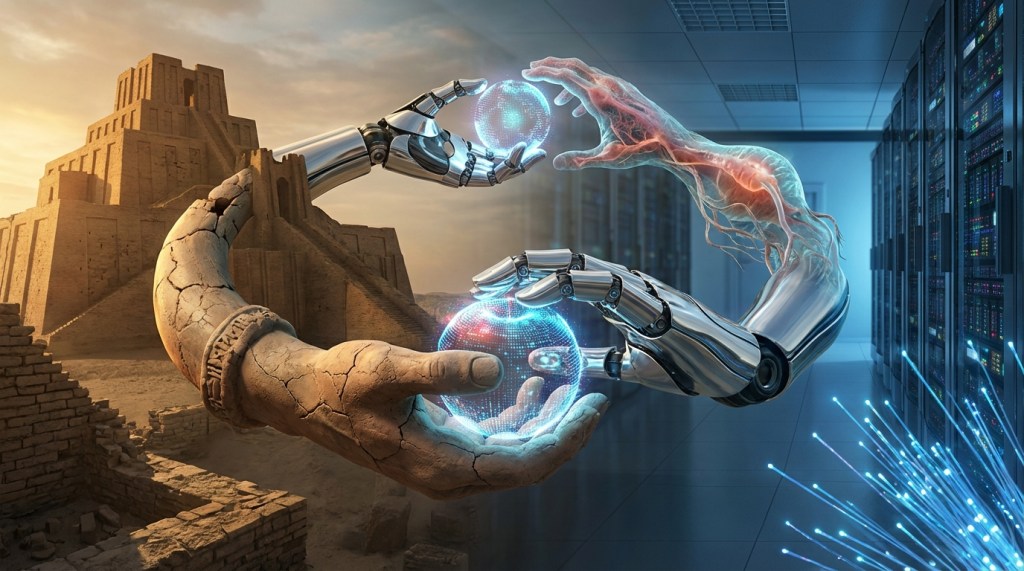
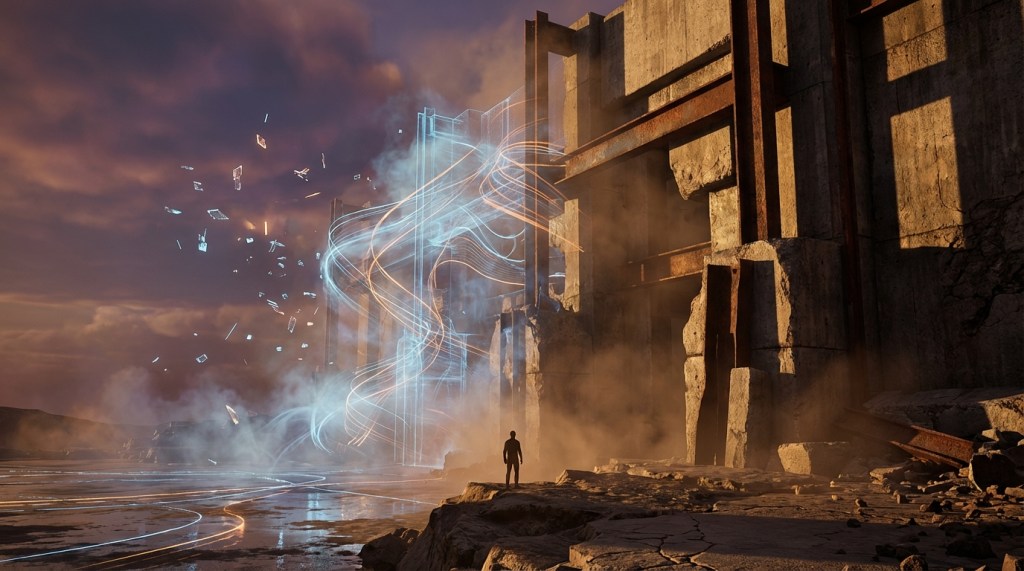
*I love the image for this post, looks like I wrote it on one of my bad MS days.



 Conversations with AI
Leave a comment