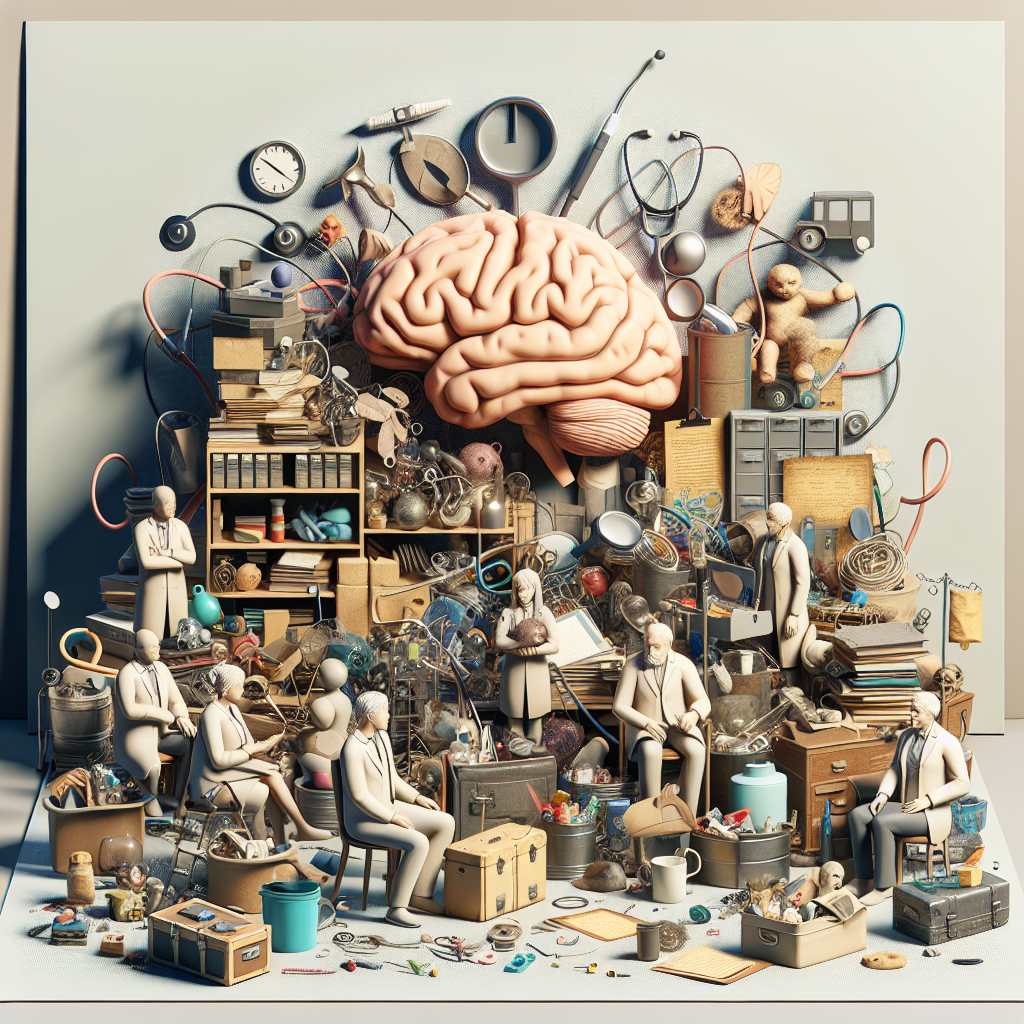
*My wife has a hoarding disorder with clothes, she just can’t seem to part with any of them. I’m like it with old computers and plugs with wires – I’ve got a cupboard full of plugs with varying cords!
**I had to post this as I loved the post image.
Hoarding disorder is a compelling and often misunderstood condition that extends far beyond merely being messy or disorganised. Imagine a home filled to the brim with items that clutter pathways and rooms, creating spaces so cramped that living becomes a challenge. What drives individuals to cling to these possessions? The psychology behind hoarding reveals a complex interplay of emotions, cognitive patterns, and even cultural aspects, making it an important topic for mental health, social understanding, and community support.
This article aims to explore the psychological underpinnings of hoarding disorder, highlighting its historical context, symptoms, and treatment options. Understanding this pervasive issue is essential, not only for those affected but also for society at large, as we seek to foster compassion and awareness around mental health conditions.
Hoarding disorder has been documented for centuries in varying capacities. Historically, literature has depicted characters who hoard possessions as eccentric or deranged, but clinical recognition of the disorder has evolved dramatically. In the early 20th century, hoarding was often considered a symptom of other mental illnesses, such as obsessive-compulsive disorder (OCD). It wasn’t until the 2013 edition of the Diagnostic and Statistical Manual of Mental Disorders (DSM-5) that hoarding disorder was officially recognised as its own distinct condition. This shift marked a significant step in understanding the cognitive and emotional struggles that come with hoarding.
Research indicates that approximately 2–5% of the population suffers from hoarding disorder, a figure that underscores its prevalence and the urgent need for awareness and resources. The symptoms of hoarding include an inability to discard items, regardless of their value, emotional distress when trying to part with possessions, and functional impairments in daily living due to the cluttered environment. It can often co-occur with other mental health issues like anxiety, depression, and PTSD, which further complicates treatment and understanding.
The psychological mechanisms behind hoarding are varied and nuanced. Several key themes emerge from research and clinical observations. Firstly, emotional attachment to possessions is a central aspect. Many individuals with hoarding disorder attribute significant sentimental value to their belongings, leading them to feel an overwhelming sense of loss at the thought of parting with items. As Dr. Randy Frost, a leading researcher in the field, notes, “For many hoarders, possessions are imbued with emotional significance that transcends their utilitarian purpose. Parting with these items can feel like losing a piece of oneself.”
Secondly, cognitive distortions play a critical role. Individuals with hoarding disorder often exhibit irrational beliefs about the necessity of possessions and a heightened sense of responsibility to preserve items. These thoughts can lead to a catastrophic mindset, where they fear the negative consequences of discarding items. Cognitive-behavioural therapy has emerged as an effective approach, helping individuals to challenge and reshape these thoughts.
Another contributing factor is avoidance behaviours. Many individuals with hoarding disorder engage in avoidance, steering clear of situations that evoke anxiety regarding discarding possessions. This can lead to a reinforcing cycle where anxiety perpetuates the hoarding behaviours, as individuals find temporary relief in their avoidance.
Lastly, social and cultural factors must be acknowledged. Different cultures may have varying perceptions of material belongings, which can influence how hoarding behaviours are viewed and addressed. In some communities, hoarding may not be seen negatively but rather as a manifestation of cultural practices or values.
As understanding of hoarding disorder has evolved, so have the treatments. Historically, behavioural approaches and medications were the go-to methods; however, recent advancements emphasise integrative therapies, which combine cognitive-behavioural approaches with supportive counselling. Cognitive-behavioural therapy particularly focuses on skills to make decisions about possessions, addressing underlying anxieties and fostering emotional resilience.
Despite the advancements in treatment, the stigma surrounding hoarding disorder often undermines effective interventions. Society frequently judges those who struggle with hoarding, which can discourage individuals from seeking help. As Dr. Frost highlights, “Until we change the narrative surrounding hoarding disorder, many individuals will remain trapped both psychologically and socially.” This emphasis on narrative change is crucial for fostering an environment where individuals feel safe to seek help.
In the broader context, hoarding disorder has implications for family members, neighbours, and communities. Cluttered environments can lead to health risks, safety concerns, and conflicts with housing authorities. Hence, community-based approaches to intervention and support are paramount. Programs aimed at educating families, friends, and the public can help bridge the gap between personal distress and social understanding.
In conclusion, hoarding disorder represents a unique intersection of psychological challenges and societal perceptions. This multifaceted condition affects numerous individuals, often in silence due to stigma and misunderstanding. By exploring the psychological mechanisms behind hoarding, including emotional attachments, cognitive distortions, and avoidance behaviours, we open paths toward empathy, treatment, and community support. Through continued research and awareness initiatives, there is hope for improving lives affected by hoarding disorder. Perhaps the most pressing question remains: how can society better support those grappling with this disease while challenging the stereotypes that often cloud our understanding?
For those eager to explore further, there is a wealth of literature and resources available on hoarding disorder. Key texts include “Buried in Treasures” by Dr. Randy Frost and Dr. Gail Steketee, which provides both insight and practical strategies for managing hoarding behaviours. The International OCD Foundation also offers extensive resources for understanding and addressing hoarding disorder. By sharing stories and knowledge, we can contribute to a more informed society and improve conditions for those grappling with this often-overlooked mental health challenge.





 Conversations with AI
Leave a comment