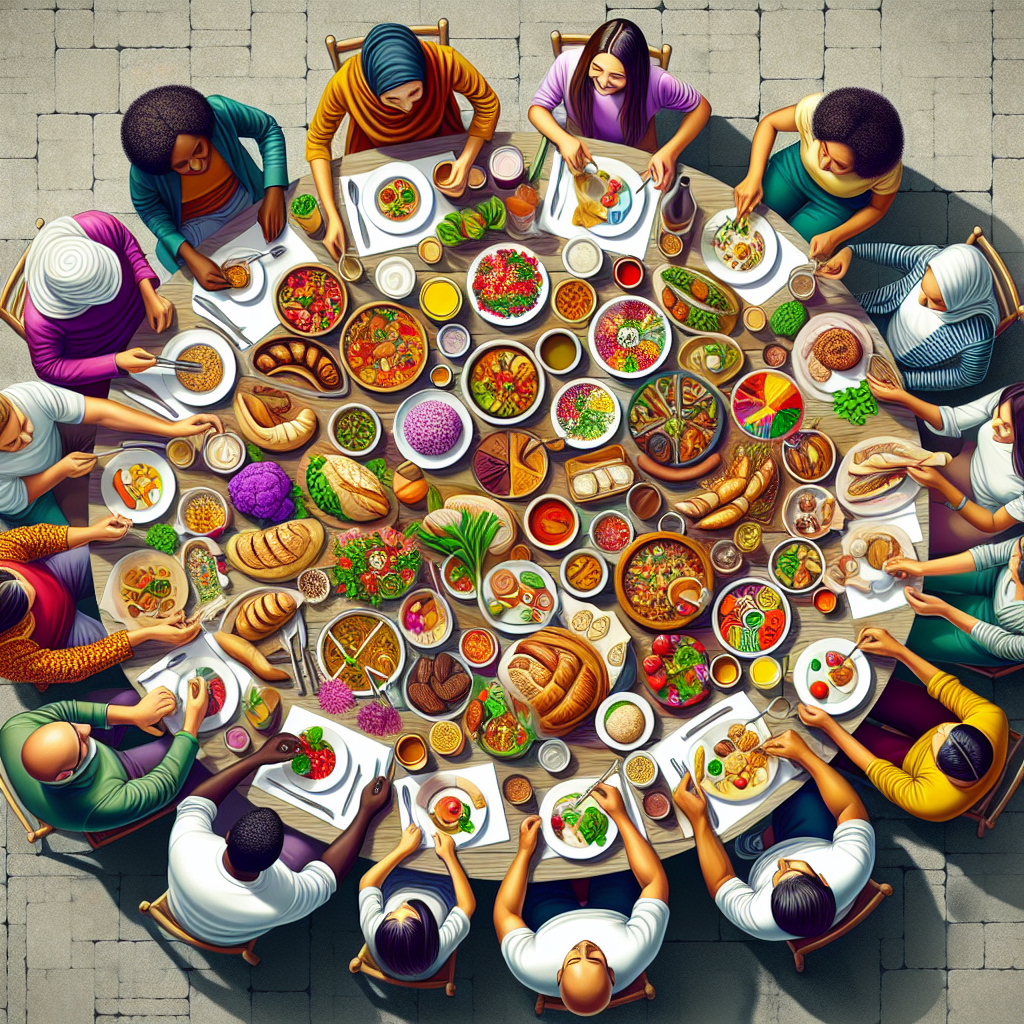
Cuisine is a universal language, a tangible expression of culture, and a gateway to understanding diverse societies. Food is an intrinsic part of cultural identity, and exploring different cuisines can broaden our horizons, bridge cultural divides, and foster intercultural understanding. As British food writer and restaurateur Yotam Ottolenghi once said, “Food can bring people together in a way nothing else could.” This highlights the unique power that food holds in engendering connections across cultural spectrums.
When individuals partake in the preparation and sharing of food from different regions, it can lead to an enriched appreciation of the history and traditions of others. Engaging with authentic recipes and traditional cooking methods provides an opportunity to delve deeper into a culture’s essence. As Madhur Jaffrey, an acclaimed actress and food writer of Indian cuisine stated, “Cooking and food, in general, are a gateway to understanding a culture.” Jaffrey emphasises that food provides an avenue for exploring and respecting the heritage of a community.
Moreover, communal dining experiences serve as a platform for storytelling and exchanging personal narratives, further enhancing intercultural dialogue. When people gather around a table, they are often more open to discuss ideas and share experiences, weaving together different societal threads. Clive James, a renowned Australian broadcaster and author, expressed, “Shared food is an invitation to share stories and souls.” Such sentiments capture the taste of the collective human experience fostered through shared meals.
In educational settings, introducing cuisines from various cultures into learning experiences not only supports culinary skills but also cultivates empathy and global awareness. Preparing and tasting foreign foods in school or community cooking classes can provide students with an interactive way of learning about different countries and their cuisines. As educationist and chef Prue Leith noted, “Teaching children to cook and appreciate different foods from around the world is the first step in building a truly inclusive society.” By highlighting these diverse culinary traditions, future generations can grow up with a more inclusive perspective.
Furthermore, cuisine facilitates the preservation and celebration of cultural heritage, promoting both pride and understanding within multicultural communities. Food festivals, for instance, celebrate multiculturalism by allowing people to experience the culinary arts of varied cultures in one place. These events promote a sense of belonging and mutual respect. As Marcus Samuelsson, an Ethiopian-born, Swedish-raised chef, recounted, “Food should be accessible to everyone, and food can open many doors—it’s a way to respect and honour cultures.” Through such festivals, cultural narratives are shared and appreciated, further underscoring the pivotal role of food in societal cohesion.
In summary, cuisine is more than a means of sustenance; it is a cultural educator and a tool for social integration. By embracing the culinary traditions of the world, we not only delight our taste buds but also open our hearts and minds to the stories, histories, and values of other people. As John Lanchester, a British novelist and food writer, wisely remarked, “Every meal is a journey,” inviting each of us to embark upon paths of cultural discovery and understanding.





 Conversations with AI
Leave a comment